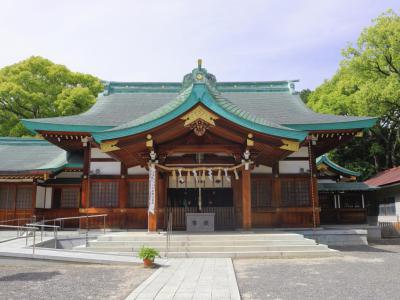


Kawahara Shrine, Nagoya
The Kawahara Shrine, also known as the "Benten of Kawana," is a Shinto shrine and Buddhist Benten-dō located in the Showa ward of Nagoya. Although the exact construction date of the shrine is unclear, it is believed to have been established around the year 1000. Over the centuries, the shrine has undergone several reconstructions and renovations, the most recent in 1998.
The shrine is notable for its serene pond, which is home to numerous turtles, adding to the tranquil atmosphere of the site. Reflecting the historical intertwining of Buddhism and Shinto in Japan, the shrine is dedicated to Benzaiten, the goddess of everything that flows, including water, music, and eloquence. This association has led to the shrine being more commonly referred to as the "Benten of Kawana."
Kawahara Shrine enshrines three deities: the God of the Sun, the God of Himeyama (the God of Earth), and the Goddess of Elephant (the God of Water). The shrine has historical significance, with Matsudaira Tadayoshi, son of Tokugawa Ieyasu, paying tribute to the gods in 1601. Additionally, Tokugawa Mitsuyoshi, the second lord of the Owari domain, prayed for a good harvest at the shrine in 1664.
The shrine has a history of being rebuilt after being destroyed by fire twice and is currently utilized as a wedding venue. It hosts various festivals throughout the year, with the regular festival on September 25. For those visiting the shrine, the nearest Nagoya Municipal Bus stop is "Bentenmae" on the No. 18 route.
The shrine is notable for its serene pond, which is home to numerous turtles, adding to the tranquil atmosphere of the site. Reflecting the historical intertwining of Buddhism and Shinto in Japan, the shrine is dedicated to Benzaiten, the goddess of everything that flows, including water, music, and eloquence. This association has led to the shrine being more commonly referred to as the "Benten of Kawana."
Kawahara Shrine enshrines three deities: the God of the Sun, the God of Himeyama (the God of Earth), and the Goddess of Elephant (the God of Water). The shrine has historical significance, with Matsudaira Tadayoshi, son of Tokugawa Ieyasu, paying tribute to the gods in 1601. Additionally, Tokugawa Mitsuyoshi, the second lord of the Owari domain, prayed for a good harvest at the shrine in 1664.
The shrine has a history of being rebuilt after being destroyed by fire twice and is currently utilized as a wedding venue. It hosts various festivals throughout the year, with the regular festival on September 25. For those visiting the shrine, the nearest Nagoya Municipal Bus stop is "Bentenmae" on the No. 18 route.
Want to visit this sight? Check out these Self-Guided Walking Tours in Nagoya. Alternatively, you can download the mobile app "GPSmyCity: Walks in 1K+ Cities" from Apple App Store or Google Play Store. The app turns your mobile device to a personal tour guide and it works offline, so no data plan is needed when traveling abroad.
Download The GPSmyCity App



Kawahara Shrine on Map
Sight Name: Kawahara Shrine
Sight Location: Nagoya, Japan (See walking tours in Nagoya)
Sight Type: Religious
Sight Location: Nagoya, Japan (See walking tours in Nagoya)
Sight Type: Religious
Nearby Sights

Walking Tours in Nagoya, Japan

Create Your Own Walk in Nagoya
Creating your own self-guided walk in Nagoya is easy and fun. Choose the city attractions that you want to see and a walk route map will be created just for you. You can even set your hotel as the start point of the walk.
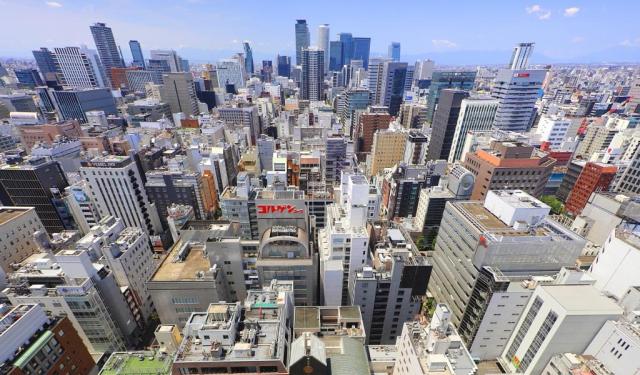
Nagoya City Center Walking Tour
Nagoya, Japan’s fourth-largest city, is the industrial and cultural center of the Chūbu region. Situated on the Pacific coast of central Honshu, the city has a rich history shaped by its important roles in both feudal and modern Japan. The name “Nagoya” is sometimes associated with nagoyaka, a Japanese word conveying a sense of peace or tranquility.
The wider area has been inhabited... view more
Tour Duration: 2 Hours
Travel Distance: 3.5 Km or 2.2 Miles
The wider area has been inhabited... view more
Tour Duration: 2 Hours
Travel Distance: 3.5 Km or 2.2 Miles
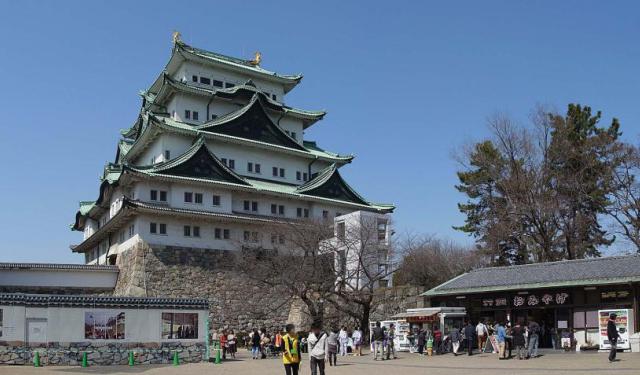
Nagoya Castle Walking Tour
Nagoya Castle, constructed in 1612, was the center of one of Japan's most important transportation hubs, located at the junction of two of the country's five major highways. The castle became a symbol of modern Nagoya in 1930 when it was designated a National Treasure. Partially destroyed by air raids during World War II in 1945, it has been under reconstruction since 1957.
The castle... view more
Tour Duration: 1 Hour
Travel Distance: 2.2 Km or 1.4 Miles
The castle... view more
Tour Duration: 1 Hour
Travel Distance: 2.2 Km or 1.4 Miles
Useful Travel Guides for Planning Your Trip

Nagoya Station Pub Crawl
This crawl takes you through the centre of Nagoya, locally known as Mei Eki. This is a very cosmopolitan area where drunken salary-men rub shoulders with drunken gaijin. On this list is a selection of different British pubs and bars, just in case you’re hankering for a Guinness and a decent spot...

Fushimi - Sakae Pub Crawl of Nagoya
This crawl runs through Fushimi and Sakae, the down town area of Nagoya. It is a real mixed bag and every establishment has a different vibe and (more importantly) menu. All of the bars are gaijin friendly and each would be a decent place to have a...