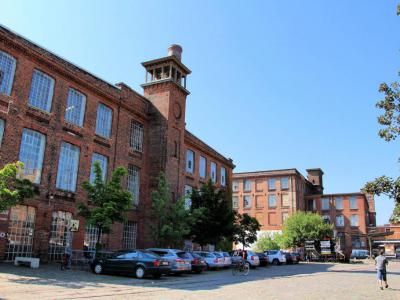


Leipzig Cotton Mill, Leipzig
The Leipzig Cotton Mill (Leipziger Baumwollspinnerei) is a historic industrial complex in the Lindenau district of Leipzig. Established in 1884, it quickly evolved into the largest cotton mill in continental Europe, marking a significant industrial development in the region. By 1907, the mill had expanded to encompass over 20 factories and various amenities, including workers' housing, kindergartens, and a recreational area, making it a self-sustaining industrial town. At its peak, the mill operated 240,000 spindles across a 25-acre working area and employed up to 4,000 workers. However, production ceased in 1993, following the reunification of Germany.
In the years since, the Leipzig Cotton Mill has been revitalized as a vibrant cultural hub, now hosting a diverse mix of galleries, studios, and restaurants. The site has attracted numerous artists, particularly those associated with the "New Leipzig School," including prominent figures like Neo Rauch, Jim Whiting, Hans Aichinger, and Matthias Weischer.
Currently, the complex is home to ten galleries, the communal arts center Halle 14, and around 100 artists, alongside various creative and artisan businesses such as fashion designers, architects, printers, a goldsmith, pottery, a porcelain manufacturer, a film club, and an art supply store. The site's industrial heritage is also reflected in remnants of the now-disused railway platforms that once connected Lindenau and Plagwitz, parts of which are still visible today.
Today, the Leipzig Cotton Mill stands as a testament to the city's industrial past and its vibrant cultural present, blending historical architecture with contemporary creativity.
In the years since, the Leipzig Cotton Mill has been revitalized as a vibrant cultural hub, now hosting a diverse mix of galleries, studios, and restaurants. The site has attracted numerous artists, particularly those associated with the "New Leipzig School," including prominent figures like Neo Rauch, Jim Whiting, Hans Aichinger, and Matthias Weischer.
Currently, the complex is home to ten galleries, the communal arts center Halle 14, and around 100 artists, alongside various creative and artisan businesses such as fashion designers, architects, printers, a goldsmith, pottery, a porcelain manufacturer, a film club, and an art supply store. The site's industrial heritage is also reflected in remnants of the now-disused railway platforms that once connected Lindenau and Plagwitz, parts of which are still visible today.
Today, the Leipzig Cotton Mill stands as a testament to the city's industrial past and its vibrant cultural present, blending historical architecture with contemporary creativity.
Want to visit this sight? Check out these Self-Guided Walking Tours in Leipzig. Alternatively, you can download the mobile app "GPSmyCity: Walks in 1K+ Cities" from Apple App Store or Google Play Store. The app turns your mobile device to a personal tour guide and it works offline, so no data plan is needed when traveling abroad.
Download The GPSmyCity App



Leipzig Cotton Mill on Map
Sight Name: Leipzig Cotton Mill
Sight Location: Leipzig, Germany (See walking tours in Leipzig)
Sight Type: Attraction/Landmark
Sight Location: Leipzig, Germany (See walking tours in Leipzig)
Sight Type: Attraction/Landmark
Nearby Sights
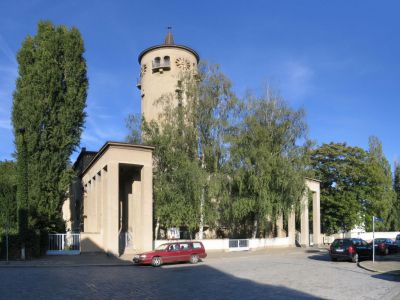
Walking Tours in Leipzig, Germany

Create Your Own Walk in Leipzig
Creating your own self-guided walk in Leipzig is easy and fun. Choose the city attractions that you want to see and a walk route map will be created just for you. You can even set your hotel as the start point of the walk.
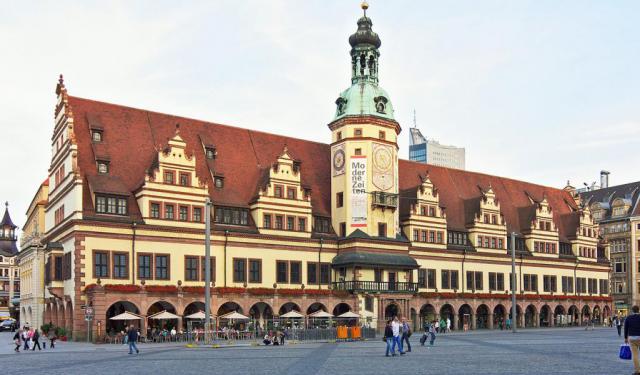
Explore Leipzig's Architectural Jewels on Foot
Anyone who has ever wanted to delve into Leipzig's history could hardly imagine doing so without exploring the local array of architectural jewels. Indeed, Leipzig boasts one of Germany's most beautiful collections of Renaissance buildings.
Our first point of interest lies in downtown Leipzig at the intersection of Katherine and Bruhl Streets. Here, the stunning Baroque-style Romanus... view more
Tour Duration: 1 Hour(s)
Travel Distance: 0.9 Km or 0.6 Miles
Our first point of interest lies in downtown Leipzig at the intersection of Katherine and Bruhl Streets. Here, the stunning Baroque-style Romanus... view more
Tour Duration: 1 Hour(s)
Travel Distance: 0.9 Km or 0.6 Miles
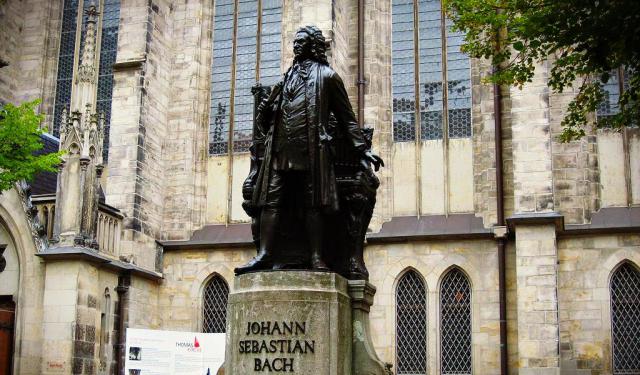
A Walk on the Leipzig Music Trail
The spatial density of historic locations associated with music in Leipzig is truly mind-boggling. But then again, this is hardly surprising, given the eclectic score of musicians who had left their mark on the city in various years.
Indeed, it was in Leipzig that Johann Sebastian Bach served as an organist and choirmaster at Thomaskirche as well as a cantor at Nikolaikirche; composer Robert... view more
Tour Duration: 2 Hour(s)
Travel Distance: 3.2 Km or 2 Miles
Indeed, it was in Leipzig that Johann Sebastian Bach served as an organist and choirmaster at Thomaskirche as well as a cantor at Nikolaikirche; composer Robert... view more
Tour Duration: 2 Hour(s)
Travel Distance: 3.2 Km or 2 Miles
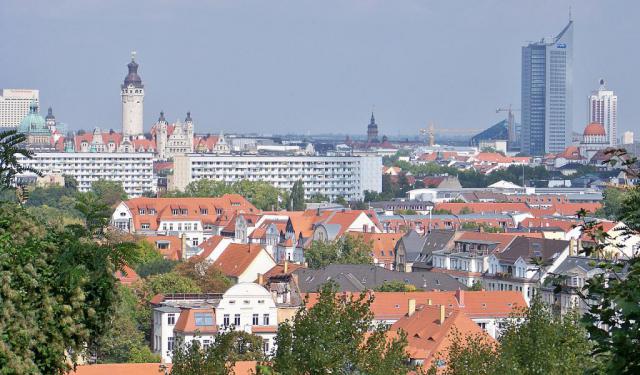
A Stroll Through Leipzig's Car-Free City Center
The name "Leipzig" may be derived from the Slavic word "Lipsk", meaning "linden trees place." The Nazi government renamed the city "Reichsmessestadt Leipzig" ("Reich Fair Trade City Leipzig"). In 1989, with the fall of communism, the city was "Hero City" - in recognition of the role that the Monday demonstrations there played in the fall... view more
Tour Duration: 1 Hour(s)
Travel Distance: 2.4 Km or 1.5 Miles
Tour Duration: 1 Hour(s)
Travel Distance: 2.4 Km or 1.5 Miles