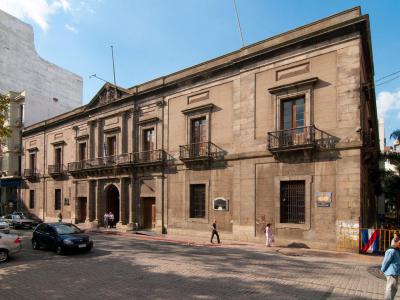


Montevideo Cabildo (Old Montevideo City Hall), Montevideo
The Montevideo City Hall was originally conceived as the city’s main administrative and judicial center. The building is a two-story colonial structure, typical of late Spanish colonial civic architecture.
Before its construction, Montevideo’s municipal council met in the private residence of Captain Pedro Gronardo. In 1737, the decision was made to erect a dedicated headquarters for the City Hall. However, due to prolonged debates, design changes, and interruptions linked to the city’s rapid development in the late 18th century, construction was repeatedly delayed. Work on the present building finally began in 1804, and it became operational in the early 19th century.
Throughout the 19th and early 20th centuries, the City Hall was the setting for many decisive political, judicial, and social events. On July 18, 1830, Uruguay’s first Constitution was signed in one of its chambers. At different moments, the building served as the seat of the national legislature and also functioned as a prison.
After the inauguration of the Legislative Palace in 1925, which became the permanent home of Uruguay’s Parliament, the Cabildo ceased to function as a legislative space. The Ministry of Foreign Affairs later occupied the building. In 1939, it became the backdrop for intense diplomatic negotiations following the arrival of the German battleship Admiral Graf Spee.
In the 1950s, the building returned to municipal administration and was officially converted into a museum in September 1958. Today, it is known as the Cabildo Historical Museum. Its collections include antiques, paintings, historical documents, period costumes, and objects related to Montevideo’s civic life.
Before its construction, Montevideo’s municipal council met in the private residence of Captain Pedro Gronardo. In 1737, the decision was made to erect a dedicated headquarters for the City Hall. However, due to prolonged debates, design changes, and interruptions linked to the city’s rapid development in the late 18th century, construction was repeatedly delayed. Work on the present building finally began in 1804, and it became operational in the early 19th century.
Throughout the 19th and early 20th centuries, the City Hall was the setting for many decisive political, judicial, and social events. On July 18, 1830, Uruguay’s first Constitution was signed in one of its chambers. At different moments, the building served as the seat of the national legislature and also functioned as a prison.
After the inauguration of the Legislative Palace in 1925, which became the permanent home of Uruguay’s Parliament, the Cabildo ceased to function as a legislative space. The Ministry of Foreign Affairs later occupied the building. In 1939, it became the backdrop for intense diplomatic negotiations following the arrival of the German battleship Admiral Graf Spee.
In the 1950s, the building returned to municipal administration and was officially converted into a museum in September 1958. Today, it is known as the Cabildo Historical Museum. Its collections include antiques, paintings, historical documents, period costumes, and objects related to Montevideo’s civic life.
Want to visit this sight? Check out these Self-Guided Walking Tours in Montevideo. Alternatively, you can download the mobile app "GPSmyCity: Walks in 1K+ Cities" from Apple App Store or Google Play Store. The app turns your mobile device to a personal tour guide and it works offline, so no data plan is needed when traveling abroad.
Download The GPSmyCity App



Montevideo Cabildo (Old Montevideo City Hall) on Map
Sight Name: Montevideo Cabildo (Old Montevideo City Hall)
Sight Location: Montevideo, Uruguay (See walking tours in Montevideo)
Sight Type: Attraction/Landmark
Guide(s) Containing This Sight:
Sight Location: Montevideo, Uruguay (See walking tours in Montevideo)
Sight Type: Attraction/Landmark
Guide(s) Containing This Sight:
Nearby Sights

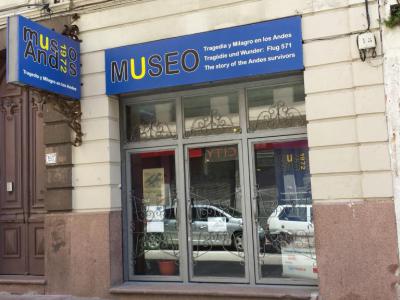
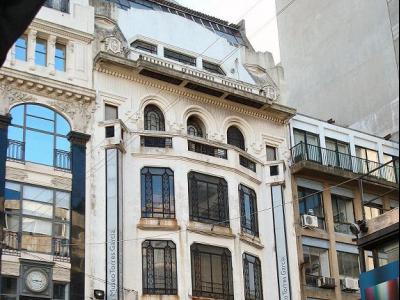
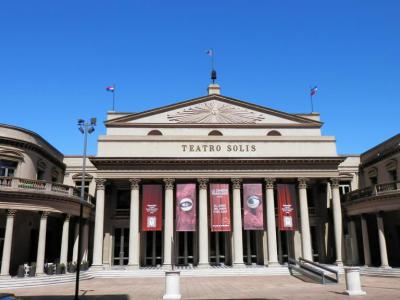
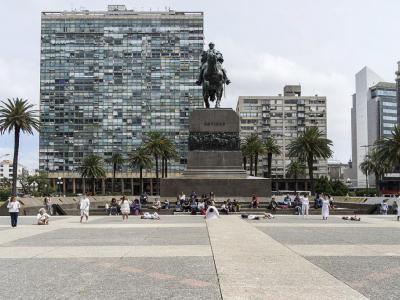
Walking Tours in Montevideo, Uruguay

Create Your Own Walk in Montevideo
Creating your own self-guided walk in Montevideo is easy and fun. Choose the city attractions that you want to see and a walk route map will be created just for you. You can even set your hotel as the start point of the walk.
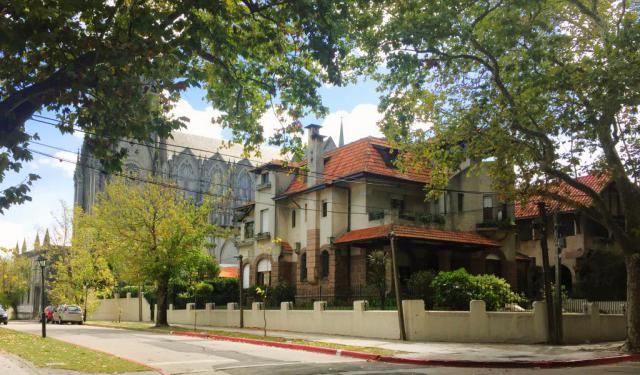
Prado District Walking Tour
The Prado is one of Montevideo’s oldest and most historically layered districts, shaped by a long transition from rural outskirts to a residential and cultural area closely linked to the city’s elite and intellectual life. The name Prado comes from the Spanish word for “meadow” or “pasture”, reflecting the area’s original landscape: open grasslands along the Miguelete Stream.
... view more
Tour Duration: 2 Hours
Travel Distance: 3.6 Km or 2.2 Miles
... view more
Tour Duration: 2 Hours
Travel Distance: 3.6 Km or 2.2 Miles
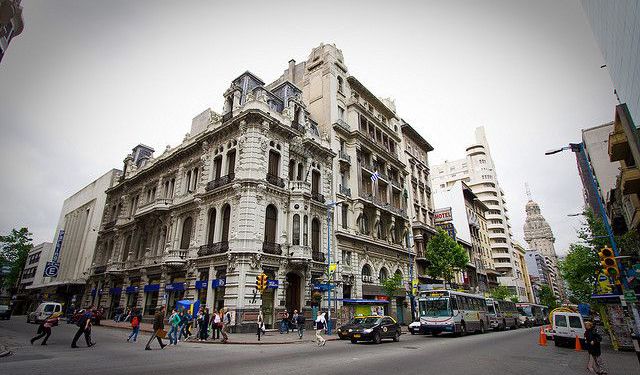
Montevideo Old Town Walking Tour
In Charles Darwin's journals, who visited Montevideo in the 1830s during the voyage of the Beagle, he observed that the city felt like “a town living in a state of perpetual expectation”, shaped by sieges, trade, and uncertainty.
Montevideo is the capital and largest city of Uruguay, shaped by its position on the northern bank of the River Plate and by centuries of rivalry between... view more
Tour Duration: 2 Hours
Travel Distance: 2.5 Km or 1.6 Miles
Montevideo is the capital and largest city of Uruguay, shaped by its position on the northern bank of the River Plate and by centuries of rivalry between... view more
Tour Duration: 2 Hours
Travel Distance: 2.5 Km or 1.6 Miles