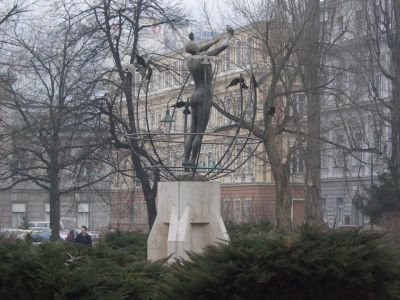


Multicultural Man, Sarajevo
The Multicultural Man is one of Sarajevo’s most striking modern monuments, embodying the city’s long tradition of coexistence and its hopes for unity in a diverse world. Installed in 1997, the sculpture was a gift from Italian artist Francesco Perilli, known for works that celebrate human solidarity and peace. It was presented on the occasion of the first G8 summit on multiculturality, held in Sarajevo, as a symbolic gesture to a city that had endured years of conflict during the 1990s and emerged with a renewed commitment to pluralism.
The sculpture depicts a human figure balancing on a globe, arms outstretched as if in embrace. Its form conveys both fragility and strength, suggesting that while cultural harmony requires balance and care, it also has the power to uplift. The work stands not only as a piece of public art but also as a message: that Sarajevo, with its blend of religions and ethnicities, can be both a warning of division and an example of resilience.
Visitors encounter the Multicultural Man in the city centre, where it draws attention as both an artistic landmark and a reminder of Sarajevo’s identity as a crossroads. Against the backdrop of mosques, churches, and synagogues, the sculpture resonates with the city’s layered history, from Ottoman and Austro-Hungarian influences to its modern European aspirations.
For tourists, the monument is more than a photo opportunity-it invites reflection. Standing before it, one can appreciate Sarajevo not just as a destination of architectural beauty and historical depth, but as a living testament to coexistence and the ongoing effort to bridge differences in an interconnected world.
The sculpture depicts a human figure balancing on a globe, arms outstretched as if in embrace. Its form conveys both fragility and strength, suggesting that while cultural harmony requires balance and care, it also has the power to uplift. The work stands not only as a piece of public art but also as a message: that Sarajevo, with its blend of religions and ethnicities, can be both a warning of division and an example of resilience.
Visitors encounter the Multicultural Man in the city centre, where it draws attention as both an artistic landmark and a reminder of Sarajevo’s identity as a crossroads. Against the backdrop of mosques, churches, and synagogues, the sculpture resonates with the city’s layered history, from Ottoman and Austro-Hungarian influences to its modern European aspirations.
For tourists, the monument is more than a photo opportunity-it invites reflection. Standing before it, one can appreciate Sarajevo not just as a destination of architectural beauty and historical depth, but as a living testament to coexistence and the ongoing effort to bridge differences in an interconnected world.
Want to visit this sight? Check out these Self-Guided Walking Tours in Sarajevo. Alternatively, you can download the mobile app "GPSmyCity: Walks in 1K+ Cities" from Apple App Store or Google Play Store. The app turns your mobile device to a personal tour guide and it works offline, so no data plan is needed when traveling abroad.
Download The GPSmyCity App



Multicultural Man on Map
Sight Name: Multicultural Man
Sight Location: Sarajevo, Bosnia-Herzegovina (See walking tours in Sarajevo)
Sight Type: Attraction/Landmark
Sight Location: Sarajevo, Bosnia-Herzegovina (See walking tours in Sarajevo)
Sight Type: Attraction/Landmark
Nearby Sights
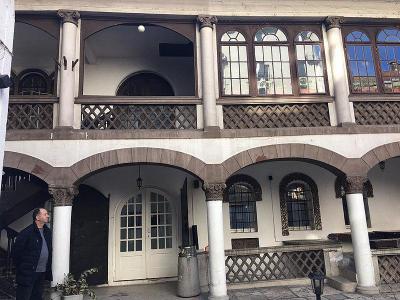
Walking Tours in Sarajevo, Bosnia-Herzegovina

Create Your Own Walk in Sarajevo
Creating your own self-guided walk in Sarajevo is easy and fun. Choose the city attractions that you want to see and a walk route map will be created just for you. You can even set your hotel as the start point of the walk.
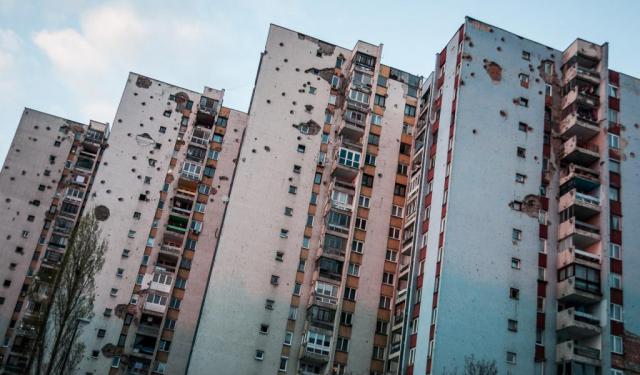
Siege of Sarajevo Walking Tour
The Siege of Sarajevo was an extended battle in the city during the Bosnian War from 1992 to 1996. It is known to be the most prolonged siege of a capital city, having lasted several months longer than the early 20th century Siege of Madrid.
The Bosnian War began when Bosnia and Herzegovina declared independence from Yugoslavia. The city was blockaded by the Serbs and bombarded by bombs, tanks,... view more
Tour Duration: 2 Hours
Travel Distance: 3 Km or 1.9 Miles
The Bosnian War began when Bosnia and Herzegovina declared independence from Yugoslavia. The city was blockaded by the Serbs and bombarded by bombs, tanks,... view more
Tour Duration: 2 Hours
Travel Distance: 3 Km or 1.9 Miles
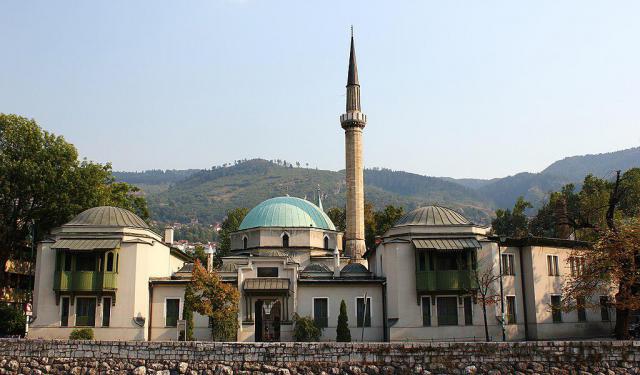
Ottoman Empire Landmarks Walk
The capital of Bosnia and Herzegovina, Sarajevo, was founded in 1461 after the Ottoman Empire conquered the region. Hence, the city's history is closely intertwined with the Ottoman legacy reflected in its landmarks.
One such is the Old Bazaar, a bustling market square dating back to the 15th century. Here, one can immerse oneself in the vibrant atmosphere of traditional crafts, authentic... view more
Tour Duration: 1 Hour
Travel Distance: 1 Km or 0.6 Miles
One such is the Old Bazaar, a bustling market square dating back to the 15th century. Here, one can immerse oneself in the vibrant atmosphere of traditional crafts, authentic... view more
Tour Duration: 1 Hour
Travel Distance: 1 Km or 0.6 Miles
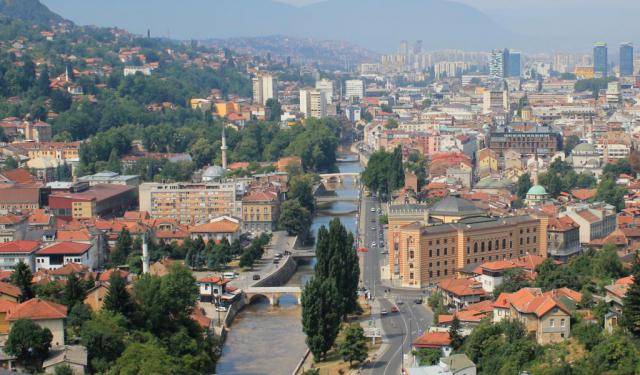
Sarajevo Introduction Walking Tour
Sarajevo is the capital of Bosnia and Herzegovina. It is also the country's largest city. This historical and picturesque city is surrounded by the Dinaric Alps and rests along both banks of the Miljacka River.
The city was established by the Ottoman Empire around 1461. It was named "Sarajevo," which means "the plains around the palace." The name is derived from the... view more
Tour Duration: 2 Hours
Travel Distance: 2.7 Km or 1.7 Miles
The city was established by the Ottoman Empire around 1461. It was named "Sarajevo," which means "the plains around the palace." The name is derived from the... view more
Tour Duration: 2 Hours
Travel Distance: 2.7 Km or 1.7 Miles