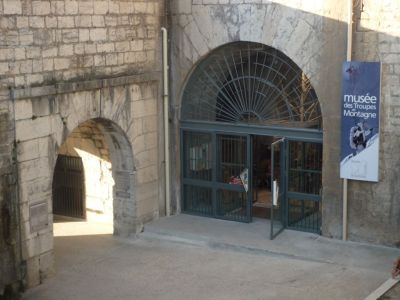


Musee des Troupes de Montagne (Museum of Mountain Troops), Grenoble
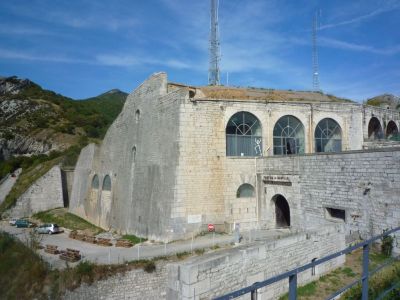
The Mountain Troops Museum is dedicated to the history and heritage of France’s Alpine soldiers, known as the Blue Devils. Established on February 1, 1988, by order of the Chief of Staff of the Army, the museum was created in conjunction with the centenary of the Mountain Troops. Originally located in the outbuildings of the Governor’s Hotel on Rue Hébert, the museum closed in 2002 due to building compliance issues. After extensive restoration, it reopened in April 2009 within the fortified casemates of the Bastille Fort, a historic military site overlooking Grenoble.
The museum covers over 600 square meters and offers a chronological journey through the history of France’s mountain infantry from their origins in 1888. Its core collection was formed from artifacts collected in the honor halls of mountain units and has since grown through donations and acquisitions from former soldiers and their families. Exhibits include weapons, uniforms, maps, transmission devices, and personal testimonies. Reconstructed scenes depict the daily life of Alpine troops, particularly during the First and Second World Wars, helping to contextualize their experiences in mountain warfare.
The location of the museum within the Bastille Fort holds symbolic importance. Situated just below the Jalla Mountain national memorial dedicated to the mountain troops, the museum plays a role in ceremonial traditions-new recruits often visit the museum as part of their integration before continuing to the memorial. This connection between the site and military history underscores the museum’s dual role as both a public cultural space and a living memorial.
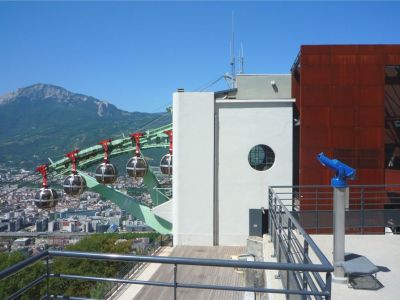
The museum is closed during January for maintenance of the Grenoble Bastille cable car, which provides access to the fort.
The museum covers over 600 square meters and offers a chronological journey through the history of France’s mountain infantry from their origins in 1888. Its core collection was formed from artifacts collected in the honor halls of mountain units and has since grown through donations and acquisitions from former soldiers and their families. Exhibits include weapons, uniforms, maps, transmission devices, and personal testimonies. Reconstructed scenes depict the daily life of Alpine troops, particularly during the First and Second World Wars, helping to contextualize their experiences in mountain warfare.
The location of the museum within the Bastille Fort holds symbolic importance. Situated just below the Jalla Mountain national memorial dedicated to the mountain troops, the museum plays a role in ceremonial traditions-new recruits often visit the museum as part of their integration before continuing to the memorial. This connection between the site and military history underscores the museum’s dual role as both a public cultural space and a living memorial.
The museum is closed during January for maintenance of the Grenoble Bastille cable car, which provides access to the fort.
Want to visit this sight? Check out these Self-Guided Walking Tours in Grenoble. Alternatively, you can download the mobile app "GPSmyCity: Walks in 1K+ Cities" from Apple App Store or Google Play Store. The app turns your mobile device to a personal tour guide and it works offline, so no data plan is needed when traveling abroad.
Download The GPSmyCity App



Musee des Troupes de Montagne (Museum of Mountain Troops) on Map
Sight Name: Musee des Troupes de Montagne (Museum of Mountain Troops)
Sight Location: Grenoble, France (See walking tours in Grenoble)
Sight Type: Museum/Gallery
Sight Location: Grenoble, France (See walking tours in Grenoble)
Sight Type: Museum/Gallery
Nearby Sights
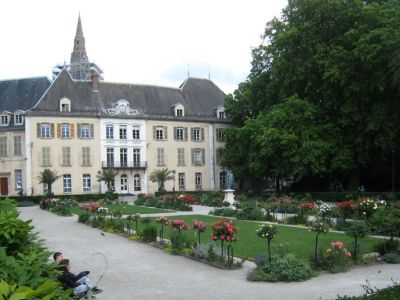
Walking Tours in Grenoble, France

Create Your Own Walk in Grenoble
Creating your own self-guided walk in Grenoble is easy and fun. Choose the city attractions that you want to see and a walk route map will be created just for you. You can even set your hotel as the start point of the walk.
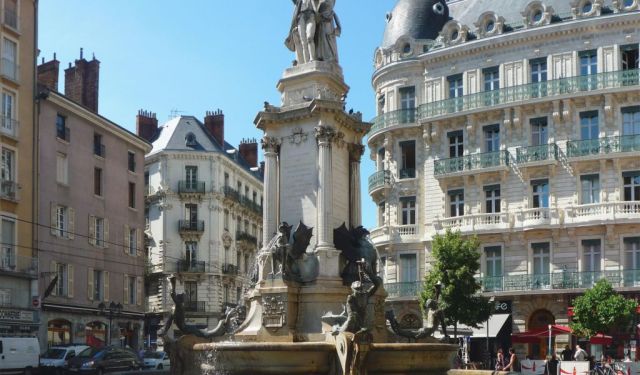
Grenoble Introduction Walking Tour
Grenoble, often called the “capital of the Alps,” sits where the Drac and Isère rivers meet, framed by mountain ridges that have shaped both its history and identity. Its story begins long before France existed, when the Gallic Allobroges tribe founded a fortified settlement named Cularo. By the end of the 4th century CE, the town was renamed Gratianopolis in honor of the Roman Emperor... view more
Tour Duration: 2 Hour(s)
Travel Distance: 2.5 Km or 1.6 Miles
Tour Duration: 2 Hour(s)
Travel Distance: 2.5 Km or 1.6 Miles