


Museum of Yugoslavia, Belgrade
The Museum of Yugoslavia, located in Belgrade, Serbia, is a prominent public history museum dedicated to chronicling the periods of the Kingdom of Yugoslavia and Socialist Yugoslavia, as well as the life of Josip Broz Tito. Established in 1996 by the Government of the Federal Republic of Yugoslavia, the museum was initially named the Museum of the History of Yugoslavia.
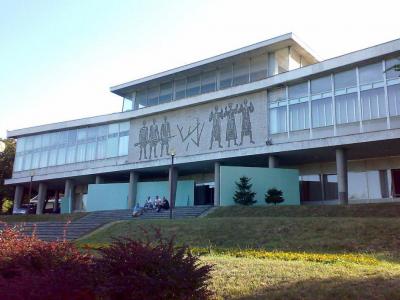
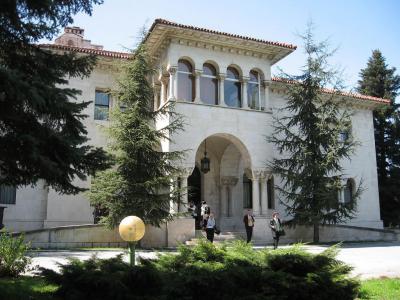
In 2016, the museum was renamed the Museum of Yugoslavia. It is the most visited museum in Serbia, attracting 120,000 visitors annually. The museum complex spans three buildings-25 May Museum, House of Flowers, and Old Museum-covering a total area of 5,253 square meters within a 3.2-hectare park. One of the notable features of the museum is Tito's grave, which is located in the House of Flowers.
The Museum of Yugoslavia aims to provide a modern interpretation of Yugoslav heritage and history, encouraging visitors to engage actively with the past to better understand the present. Its mission includes fostering open dialogue, exchanging knowledge, and exploring the social and cultural phenomena of the 20th century. The museum's programs and activities are designed to promote social memory and a culture of remembrance related to the development of the Yugoslav idea, from the creation of the Yugoslav state as a kingdom to its breakup in the early 1990s.
The foundation of the museum in 1996 followed the dissolution of the Memorial Center “Josip Broz Tito” and the Museum of the Revolution of Yugoslav Nations and Ethnic Minorities. This transition occurred in the context of the wars and the breakup of Yugoslavia in the 1990s, during which the previous institutions were seen as burdensome remnants of the past. However, the collections, histories, and documentation from these institutions became the basis for the new museum, transforming it from a mere storage place for "old and unnecessary things" into a dynamic center for exploring and acknowledging Yugoslav heritage.
In 2016, the museum was renamed the Museum of Yugoslavia. It is the most visited museum in Serbia, attracting 120,000 visitors annually. The museum complex spans three buildings-25 May Museum, House of Flowers, and Old Museum-covering a total area of 5,253 square meters within a 3.2-hectare park. One of the notable features of the museum is Tito's grave, which is located in the House of Flowers.
The Museum of Yugoslavia aims to provide a modern interpretation of Yugoslav heritage and history, encouraging visitors to engage actively with the past to better understand the present. Its mission includes fostering open dialogue, exchanging knowledge, and exploring the social and cultural phenomena of the 20th century. The museum's programs and activities are designed to promote social memory and a culture of remembrance related to the development of the Yugoslav idea, from the creation of the Yugoslav state as a kingdom to its breakup in the early 1990s.
The foundation of the museum in 1996 followed the dissolution of the Memorial Center “Josip Broz Tito” and the Museum of the Revolution of Yugoslav Nations and Ethnic Minorities. This transition occurred in the context of the wars and the breakup of Yugoslavia in the 1990s, during which the previous institutions were seen as burdensome remnants of the past. However, the collections, histories, and documentation from these institutions became the basis for the new museum, transforming it from a mere storage place for "old and unnecessary things" into a dynamic center for exploring and acknowledging Yugoslav heritage.
Want to visit this sight? Check out these Self-Guided Walking Tours in Belgrade. Alternatively, you can download the mobile app "GPSmyCity: Walks in 1K+ Cities" from Apple App Store or Google Play Store. The app turns your mobile device to a personal tour guide and it works offline, so no data plan is needed when traveling abroad.
Download The GPSmyCity App



Museum of Yugoslavia on Map
Sight Name: Museum of Yugoslavia
Sight Location: Belgrade, Serbia (See walking tours in Belgrade)
Sight Type: Museum/Gallery
Sight Location: Belgrade, Serbia (See walking tours in Belgrade)
Sight Type: Museum/Gallery
Nearby Sights


Walking Tours in Belgrade, Serbia

Create Your Own Walk in Belgrade
Creating your own self-guided walk in Belgrade is easy and fun. Choose the city attractions that you want to see and a walk route map will be created just for you. You can even set your hotel as the start point of the walk.
Kalemegdan Park and Belgrade Fortress Walking Tour
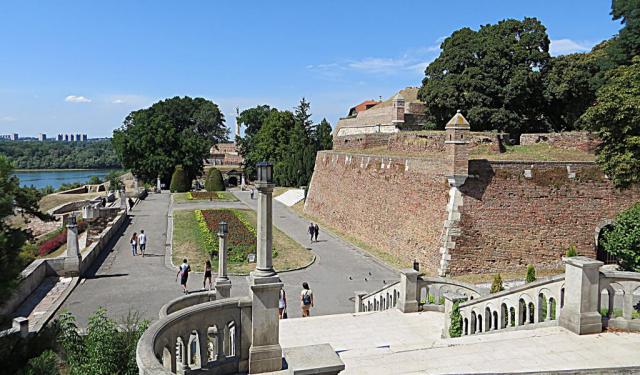
The most beautiful park in Belgrade, Kalemegdan Park, or simply Kalemegdan, is also the largest park and the most important cultural and historical complex in the city. The actual park occupies a smaller portion, in the southern corner, of another, grander monument – the Belgrade Fortress (which is some two millennia older).
The fortress itself, often erroneously referred to, even by the... view more
Tour Duration: 2 Hour(s)
Travel Distance: 2.1 Km or 1.3 Miles
The fortress itself, often erroneously referred to, even by the... view more
Tour Duration: 2 Hour(s)
Travel Distance: 2.1 Km or 1.3 Miles
Belgrade Old Town Walking Tour
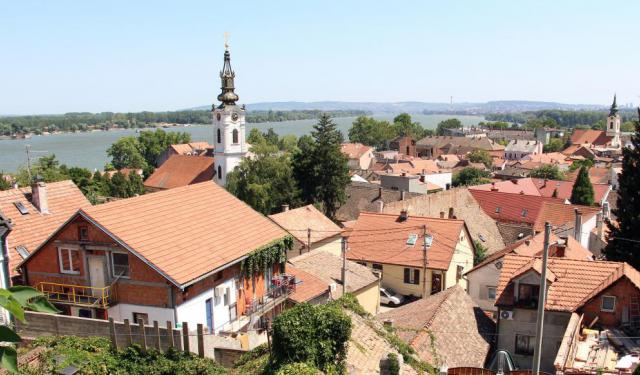
Belgrade's Old Town, also known as Zemun, spread around Gardos Hill, is one of the city's oldest parts. Throughout the centuries, as the Balkans were part first of the Roman, then the Byzantine, and then the Austro-Hungarian empires, this area transformed into a beautiful neighborhood with narrow streets, cute buildings, and breathtaking views opening from the hill onto the Old Town and... view more
Tour Duration: 2 Hour(s)
Travel Distance: 2.4 Km or 1.5 Miles
Tour Duration: 2 Hour(s)
Travel Distance: 2.4 Km or 1.5 Miles
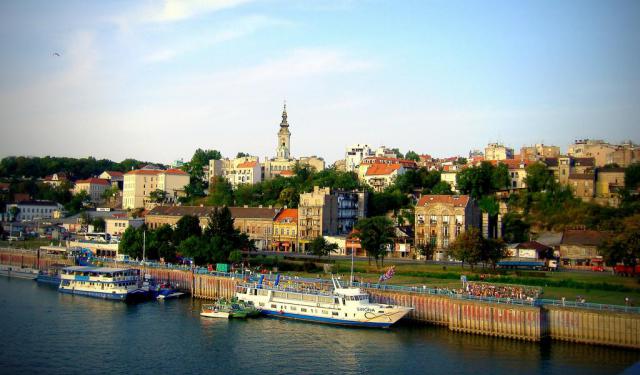
Belgrade's Top Attractions Walking Tour
Belgrade has been a city of strategic importance for millennia with its location at the confluence of the Sava and Danube rivers. In fact, it is one of the oldest continually inhabited cities on the planet.
Nomadic tribes inhabited the area as far back as 20,000 to 50,000 years ago. Some of these may have been Neanderthals rather than modern humans. By the sixth century BC, the Vinca culture... view more
Tour Duration: 2 Hour(s)
Travel Distance: 4.0 Km or 2.5 Miles
Nomadic tribes inhabited the area as far back as 20,000 to 50,000 years ago. Some of these may have been Neanderthals rather than modern humans. By the sixth century BC, the Vinca culture... view more
Tour Duration: 2 Hour(s)
Travel Distance: 4.0 Km or 2.5 Miles