

Kalemegdan Park and Belgrade Fortress Walking Tour (Self Guided), Belgrade
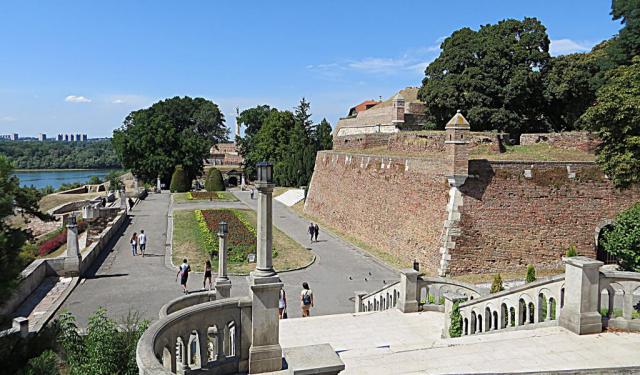
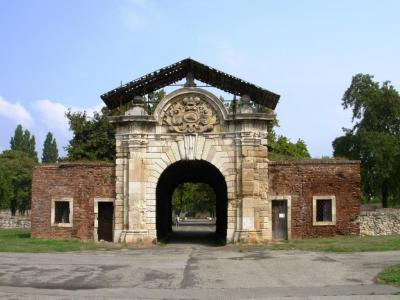
The most beautiful park in Belgrade, Kalemegdan Park, or simply Kalemegdan, is also the largest park and the most important cultural and historical complex in the city. The actual park occupies a smaller portion, in the southern corner, of another, grander monument – the Belgrade Fortress (which is some two millennia older).
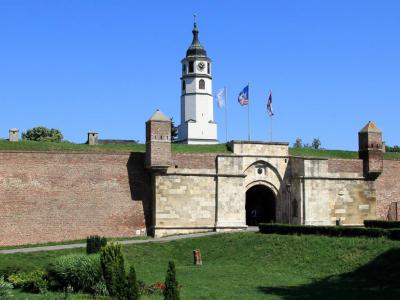
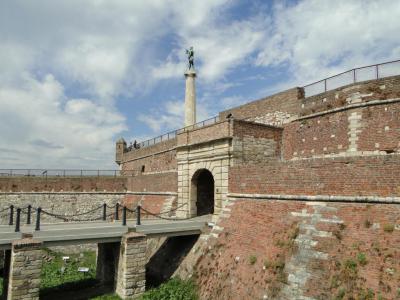
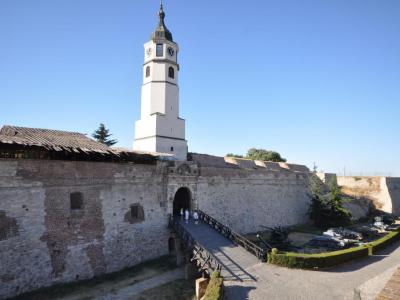
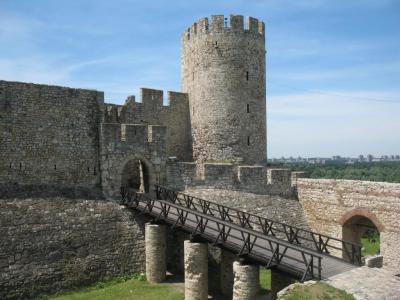
The fortress itself, often erroneously referred to, even by the locals, as Kalemegdan, is a national heritage (since 1979), perched on top of a 125-meter-high (410 ft) cliff, overlooking the confluence of the Sava and Danube rivers. As for the park, which is currently split in two – the Great and Little Parks, it was developed in the area that was once the town's field within the fortress.
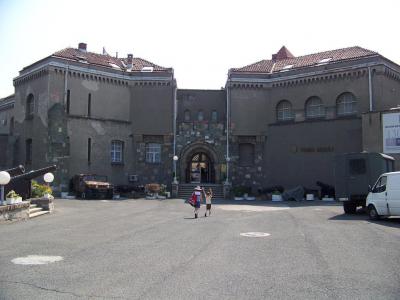
Inside the fortress, in the former building of the Institute for the Protection of Cultural Monuments (1904), there used to be located a Military Museum. In 1956, the museum moved to the nearby, larger building of the Military and Geography Institute, where it has remained ever since.
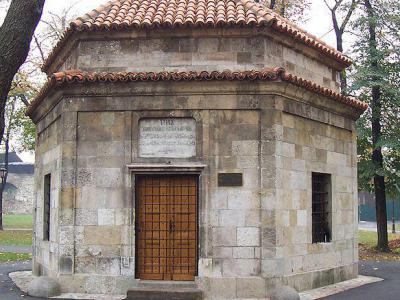
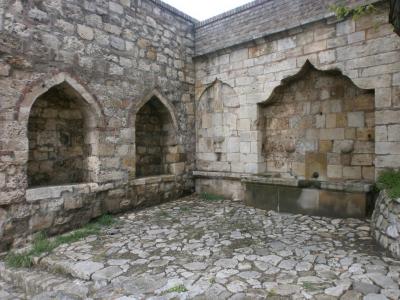
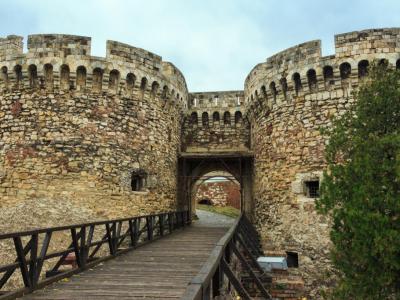
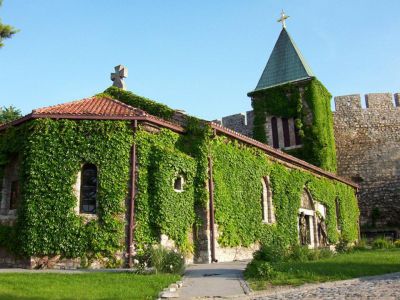
Generally speaking, the fortress functions as a major archaeological, artistic and historical treasury. As of 2014, it has comprised six monuments and memorials including the Pobednik or "The Victor" memorial (commemorating Serbia's victory over the Ottoman and Austro-Hungarian Empires in the Balkan and First World Wars, respectively), the Despot Stefan Lazarević Tower, the Türbe (tomb or mausoleum) of Damad Ali Pasha (one of the few remaining monuments of Islamic architecture in Belgrade, dated 1784), the Mehmed Paša Sokolović's Fountain and others.
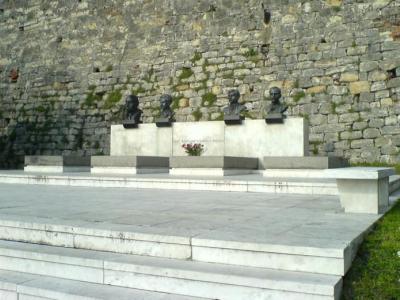
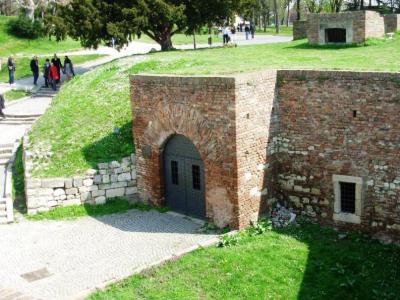
Also, there is the Tomb of People's Heroes, built in 1948. In the vicinity of the Pobednik and King's Gate is the so-called Roman Well which, in fact, is neither Roman nor a water well at all, but an underground dungeon existent since the Middle Ages (circa 15th century).
To explore Kalemegdan Park and the Belgrade Fortress more closely, take our self-guided walking tour and enlighten yourself about this fascinating part of the Serbian capital!
The fortress itself, often erroneously referred to, even by the locals, as Kalemegdan, is a national heritage (since 1979), perched on top of a 125-meter-high (410 ft) cliff, overlooking the confluence of the Sava and Danube rivers. As for the park, which is currently split in two – the Great and Little Parks, it was developed in the area that was once the town's field within the fortress.
Inside the fortress, in the former building of the Institute for the Protection of Cultural Monuments (1904), there used to be located a Military Museum. In 1956, the museum moved to the nearby, larger building of the Military and Geography Institute, where it has remained ever since.
Generally speaking, the fortress functions as a major archaeological, artistic and historical treasury. As of 2014, it has comprised six monuments and memorials including the Pobednik or "The Victor" memorial (commemorating Serbia's victory over the Ottoman and Austro-Hungarian Empires in the Balkan and First World Wars, respectively), the Despot Stefan Lazarević Tower, the Türbe (tomb or mausoleum) of Damad Ali Pasha (one of the few remaining monuments of Islamic architecture in Belgrade, dated 1784), the Mehmed Paša Sokolović's Fountain and others.
Also, there is the Tomb of People's Heroes, built in 1948. In the vicinity of the Pobednik and King's Gate is the so-called Roman Well which, in fact, is neither Roman nor a water well at all, but an underground dungeon existent since the Middle Ages (circa 15th century).
To explore Kalemegdan Park and the Belgrade Fortress more closely, take our self-guided walking tour and enlighten yourself about this fascinating part of the Serbian capital!
How it works: Download the app "GPSmyCity: Walks in 1K+ Cities" from Apple App Store or Google Play Store to your mobile phone or tablet. The app turns your mobile device into a personal tour guide and its built-in GPS navigation functions guide you from one tour stop to next. The app works offline, so no data plan is needed when traveling abroad.
Download The GPSmyCity App



Kalemegdan Park and Belgrade Fortress Walking Tour Map
Guide Name: Kalemegdan Park and Belgrade Fortress Walking Tour
Guide Location: Serbia » Belgrade (See other walking tours in Belgrade)
Guide Type: Self-guided Walking Tour (Sightseeing)
Tour Duration: 2 Hour(s)
Travel Distance: 2.1 Km or 1.3 Miles
Tour Best Suited For: In-depth exploration
Guide Location: Serbia » Belgrade (See other walking tours in Belgrade)
Guide Type: Self-guided Walking Tour (Sightseeing)
Tour Duration: 2 Hour(s)
Travel Distance: 2.1 Km or 1.3 Miles
Tour Best Suited For: In-depth exploration
Sights Featured in This Walk
1) Belgrade Fortress (must see)

Walking Tours in Belgrade, Serbia

Create Your Own Walk in Belgrade
Creating your own self-guided walk in Belgrade is easy and fun. Choose the city attractions that you want to see and a walk route map will be created just for you. You can even set your hotel as the start point of the walk.
Belgrade's Top Attractions Walking Tour
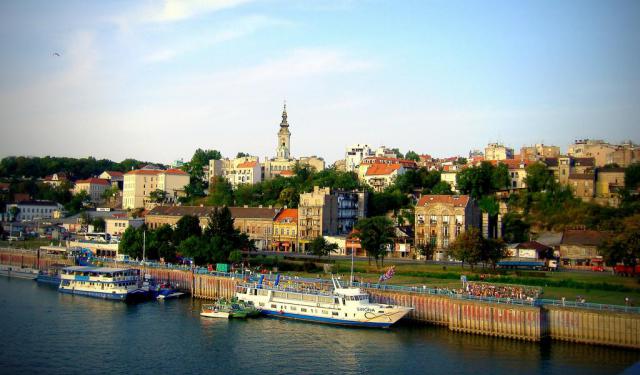
Belgrade has been a city of strategic importance for millennia with its location at the confluence of the Sava and Danube rivers. In fact, it is one of the oldest continually inhabited cities on the planet.
Nomadic tribes inhabited the area as far back as 20,000 to 50,000 years ago. Some of these may have been Neanderthals rather than modern humans. By the sixth century BC, the Vinca culture... view more
Tour Duration: 2 Hour(s)
Travel Distance: 4.0 Km or 2.5 Miles
Nomadic tribes inhabited the area as far back as 20,000 to 50,000 years ago. Some of these may have been Neanderthals rather than modern humans. By the sixth century BC, the Vinca culture... view more
Tour Duration: 2 Hour(s)
Travel Distance: 4.0 Km or 2.5 Miles
Belgrade Old Town Walking Tour
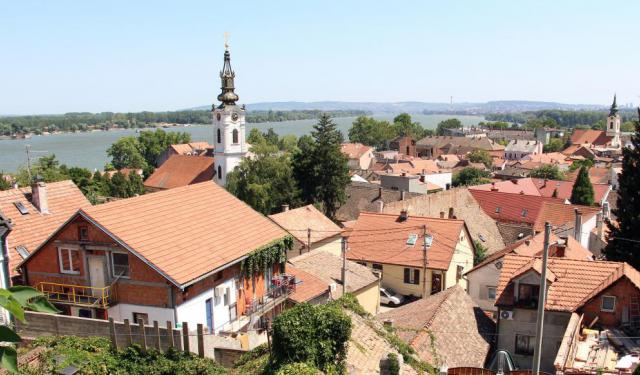
Belgrade's Old Town, also known as Zemun, spread around Gardos Hill, is one of the city's oldest parts. Throughout the centuries, as the Balkans were part first of the Roman, then the Byzantine, and then the Austro-Hungarian empires, this area transformed into a beautiful neighborhood with narrow streets, cute buildings, and breathtaking views opening from the hill onto the Old Town and... view more
Tour Duration: 2 Hour(s)
Travel Distance: 2.4 Km or 1.5 Miles
Tour Duration: 2 Hour(s)
Travel Distance: 2.4 Km or 1.5 Miles
The Most Popular Cities
/ view all