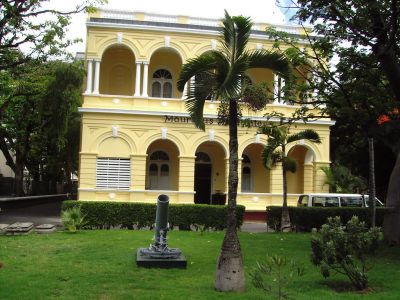


Natural History Museum, Port Louis
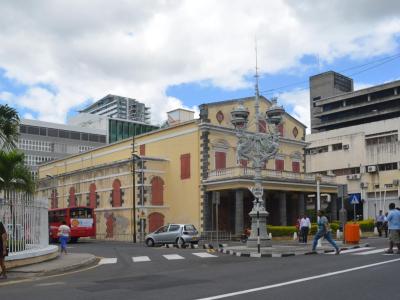
The Natural History Museum is the oldest museum in Mauritius and one of the oldest in southern Africa. It occupies the ground floor of the Mauritius Institute Building, itself listed as a National Heritage site. Constructed between 1880 and 1884, the building was designed by British architect M. Mann as a partial copy of the Colombo Museum in Sri Lanka.
The museum’s origins can be traced to 1826, when naturalists Julien Desjardins and Louis Bouton asked Governor Sir Lowry Cole to establish a museum in Mauritius. The Desjardins Museum eventually opened to the public on October 14, 1842, in a wing of the former Royal College in Port Louis. It remained there for 42 years before its collections were transferred to the newly completed Mauritius Institute Building in 1885. Consisting mainly of marine fauna and birds from the Mascarene Islands, these collections formed the basis of the present-day Natural History Museum.
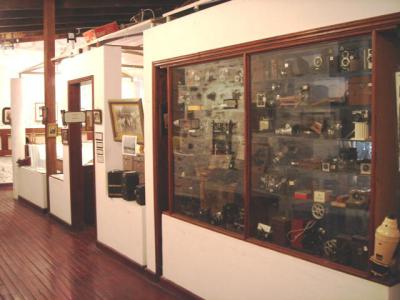
The museum is particularly known for its displays of endemic and extinct species. Its most prized exhibit is a rare dodo skeleton collected around 1900 by Étienne Thirioux, a Mauritian barber and amateur naturalist. The specimen is especially valuable because its bones are believed to come from a single bird. Other displays explore the mammals, reptiles, birds, insects, marine life, rocks, and minerals of Mauritius and the wider Mascarene region.
Over the years, the museum has become an important center for the systematic collection, study, and documentation of the region’s fauna and flora. In 2000, it was officially proclaimed a National Museum, confirming its role in preserving and promoting the natural heritage of Mauritius.
The museum’s origins can be traced to 1826, when naturalists Julien Desjardins and Louis Bouton asked Governor Sir Lowry Cole to establish a museum in Mauritius. The Desjardins Museum eventually opened to the public on October 14, 1842, in a wing of the former Royal College in Port Louis. It remained there for 42 years before its collections were transferred to the newly completed Mauritius Institute Building in 1885. Consisting mainly of marine fauna and birds from the Mascarene Islands, these collections formed the basis of the present-day Natural History Museum.
The museum is particularly known for its displays of endemic and extinct species. Its most prized exhibit is a rare dodo skeleton collected around 1900 by Étienne Thirioux, a Mauritian barber and amateur naturalist. The specimen is especially valuable because its bones are believed to come from a single bird. Other displays explore the mammals, reptiles, birds, insects, marine life, rocks, and minerals of Mauritius and the wider Mascarene region.
Over the years, the museum has become an important center for the systematic collection, study, and documentation of the region’s fauna and flora. In 2000, it was officially proclaimed a National Museum, confirming its role in preserving and promoting the natural heritage of Mauritius.
Want to visit this sight? Check out these Self-Guided Walking Tours in Port Louis. Alternatively, you can download the mobile app "GPSmyCity: Walks in 1K+ Cities" from Apple App Store or Google Play Store. The app turns your mobile device to a personal tour guide and it works offline, so no data plan is needed when traveling abroad.
Download The GPSmyCity App



Natural History Museum on Map
Sight Name: Natural History Museum
Sight Location: Port Louis, Mauritius (See walking tours in Port Louis)
Sight Type: Museum/Gallery
Guide(s) Containing This Sight:
Sight Location: Port Louis, Mauritius (See walking tours in Port Louis)
Sight Type: Museum/Gallery
Guide(s) Containing This Sight:
Nearby Sights

Walking Tours in Port Louis, Mauritius

Create Your Own Walk in Port Louis
Creating your own self-guided walk in Port Louis is easy and fun. Choose the city attractions that you want to see and a walk route map will be created just for you. You can even set your hotel as the start point of the walk.
Port Louis Downtown Walking Tour
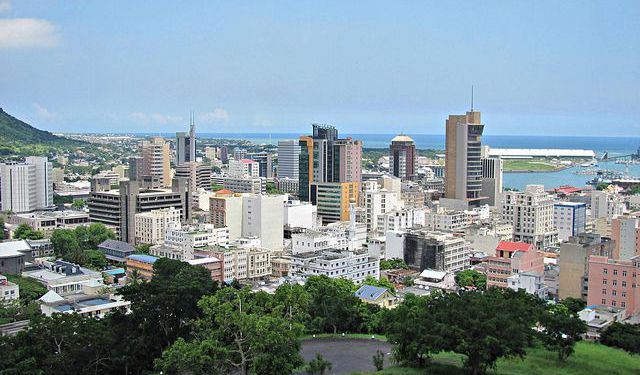
Port Louis, the capital of Mauritius, is a colorful blend of French, Indian, African, and other cultural influences. Located on the island’s northwest coast, this major commercial port possesses a rich colonial heritage that has been carefully preserved and remains visible in its architecture. Initially used as a Dutch harbor and known as the Harbor of Tortoises in the early 17th century, Port... view more
Tour Duration: 2 Hour(s)
Travel Distance: 3.4 Km or 2.1 Miles
Tour Duration: 2 Hour(s)
Travel Distance: 3.4 Km or 2.1 Miles