

Old Government House, Brisbane
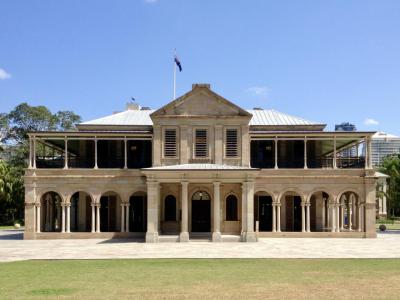
Old Government House in Brisbane is one of the city’s oldest and most significant colonial buildings and the first major structure built by the Queensland government. It served as the official residence of the governors of Queensland during the colony’s early years.
Construction began in 1860, shortly after Queensland separated from New South Wales in 1859, when Brisbane was chosen as the new colony’s capital. The residence was built for Sir George Bowen, the first Governor of Queensland. Designed by architect Charles Tiffin in the Classical Revival style, the building was completed in 1862. Its location was carefully selected for its commanding views of the City Botanic Gardens and the Brisbane River. All construction materials were locally sourced, including sandstone, tuff, cedar, pine, and iron, and the design incorporated wide verandahs and high ceilings suited to Brisbane’s subtropical climate.
As you enter, the first large doors on your left lead you into the Drawing Room. This room was the social heart of the building, where the Governor’s wife would host “at-home” days and formal receptions for Brisbane's elite. The room is designed with massive French doors that lead directly onto the wrap-around verandahs. This was a deliberate architectural choice to facilitate indoor–outdoor entertaining and to maximize the cooling river breezes. Look for the ornate Victorian cornices and the grand fireplace, which have been meticulously restored.
At the rear end of the entrance hall on the ground floor, you will find the hand-carved cedar staircase. Often described as the house's architectural centrepiece, the staircase is made entirely from Queensland red cedar. Take a moment to look at the intricate hand-carving on the balustrades and the sweeping curve of the handrail. As you ascend, notice how the large windows on the landing were designed to flood the centre of the house with natural light, a luxury in colonial times.
Last but not least, climb the stairs to the first floor, where you'll encounter the William Robinson Gallery. While the art-featuring the work of acclaimed Australian landscape artist William Robinson-is the main draw, pay attention to the room layouts. You are walking through the former private sanctuaries of the governors. The contrast between the grand public rooms downstairs and these more intimate, high-ceilinged spaces upstairs offers a glimpse into the daily domestic life of the vice-regal family.
Construction began in 1860, shortly after Queensland separated from New South Wales in 1859, when Brisbane was chosen as the new colony’s capital. The residence was built for Sir George Bowen, the first Governor of Queensland. Designed by architect Charles Tiffin in the Classical Revival style, the building was completed in 1862. Its location was carefully selected for its commanding views of the City Botanic Gardens and the Brisbane River. All construction materials were locally sourced, including sandstone, tuff, cedar, pine, and iron, and the design incorporated wide verandahs and high ceilings suited to Brisbane’s subtropical climate.
As you enter, the first large doors on your left lead you into the Drawing Room. This room was the social heart of the building, where the Governor’s wife would host “at-home” days and formal receptions for Brisbane's elite. The room is designed with massive French doors that lead directly onto the wrap-around verandahs. This was a deliberate architectural choice to facilitate indoor–outdoor entertaining and to maximize the cooling river breezes. Look for the ornate Victorian cornices and the grand fireplace, which have been meticulously restored.
At the rear end of the entrance hall on the ground floor, you will find the hand-carved cedar staircase. Often described as the house's architectural centrepiece, the staircase is made entirely from Queensland red cedar. Take a moment to look at the intricate hand-carving on the balustrades and the sweeping curve of the handrail. As you ascend, notice how the large windows on the landing were designed to flood the centre of the house with natural light, a luxury in colonial times.
Last but not least, climb the stairs to the first floor, where you'll encounter the William Robinson Gallery. While the art-featuring the work of acclaimed Australian landscape artist William Robinson-is the main draw, pay attention to the room layouts. You are walking through the former private sanctuaries of the governors. The contrast between the grand public rooms downstairs and these more intimate, high-ceilinged spaces upstairs offers a glimpse into the daily domestic life of the vice-regal family.
Want to visit this sight? Check out these Self-Guided Walking Tours in Brisbane. Alternatively, you can download the mobile app "GPSmyCity: Walks in 1K+ Cities" from Apple App Store or Google Play Store. The app turns your mobile device to a personal tour guide and it works offline, so no data plan is needed when traveling abroad.
Download The GPSmyCity App



Old Government House on Map
Sight Name: Old Government House
Sight Location: Brisbane, Australia (See walking tours in Brisbane)
Sight Type: Attraction/Landmark
Guide(s) Containing This Sight:
Sight Location: Brisbane, Australia (See walking tours in Brisbane)
Sight Type: Attraction/Landmark
Guide(s) Containing This Sight:
Nearby Sights
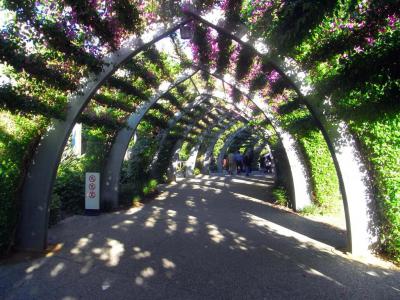
Walking Tours in Brisbane, Australia

Create Your Own Walk in Brisbane
Creating your own self-guided walk in Brisbane is easy and fun. Choose the city attractions that you want to see and a walk route map will be created just for you. You can even set your hotel as the start point of the walk.
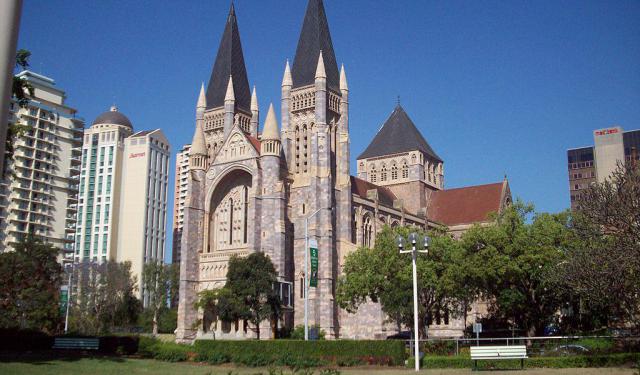
Historical Churches Tour
Brisbane has no shortage of religious sites among other things. Renowned for their beauty and cultural value, the historical churches of Brisbane hold a significant place in the city's architectural heritage and attract a huge number of visitors. Let's take a closer look at some of these notable temples.
Our first point of interest is Saint John's Cathedral, an iconic Anglican... view more
Tour Duration: 1 Hour(s)
Travel Distance: 1.8 Km or 1.1 Miles
Our first point of interest is Saint John's Cathedral, an iconic Anglican... view more
Tour Duration: 1 Hour(s)
Travel Distance: 1.8 Km or 1.1 Miles
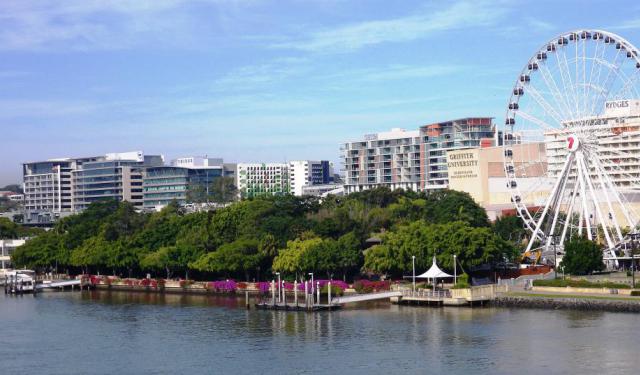
Brisbane South Bank Walk
With an enviable location on the southern banks of the Brisbane River, the South Bank is a gorgeous place to spend some down time. Small wonder then that every year, around 11 million people come here to relax and to be entertained.
Unwind amidst the 17 hectares of verdant parkland, dine in world-class eateries, enjoy gorgeous river views and enjoy the fun and spectacle of year-round events.... view more
Tour Duration: 2 Hour(s)
Travel Distance: 2.1 Km or 1.3 Miles
Unwind amidst the 17 hectares of verdant parkland, dine in world-class eateries, enjoy gorgeous river views and enjoy the fun and spectacle of year-round events.... view more
Tour Duration: 2 Hour(s)
Travel Distance: 2.1 Km or 1.3 Miles
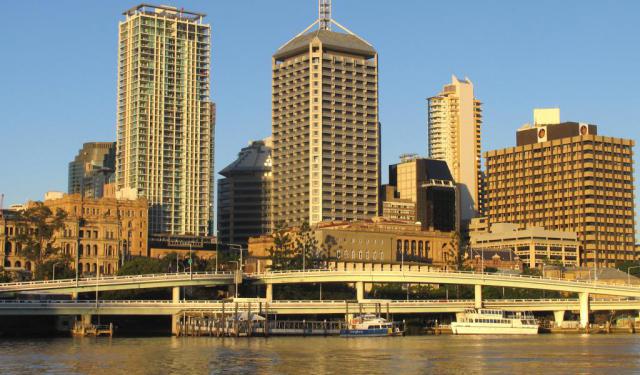
Brisbane Downtown Walking Tour
Often described by its residents as “a river with a city wrapped around it,” Brisbane stands along the winding Brisbane River on Australia’s eastern coast and is today the third-most populous city in Australia, after Sydney and Melbourne. Long before European settlement, the area was home to the Turrbal and Jagera peoples, Aboriginal Australians who had inhabited the region for at least... view more
Tour Duration: 2 Hour(s)
Travel Distance: 3.5 Km or 2.2 Miles
Tour Duration: 2 Hour(s)
Travel Distance: 3.5 Km or 2.2 Miles
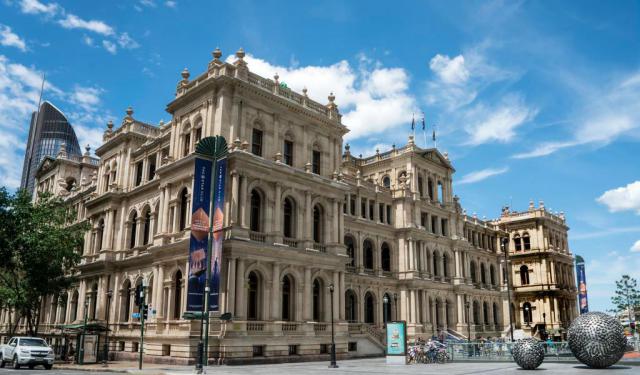
Brisbane Heritage Architecture Tour
Brisbane, Australia, abounds in places where you can get a real sense of what it was like in colonial times. Featuring different types of architecture – Colonial, Gothic, or Neo-classic – today these exquisite buildings are used for all sorts of purposes, from cultural events to local administration. Together they make Brisbane a beautiful city while telling the story of its development over... view more
Tour Duration: 2 Hour(s)
Travel Distance: 3.5 Km or 2.2 Miles
Tour Duration: 2 Hour(s)
Travel Distance: 3.5 Km or 2.2 Miles