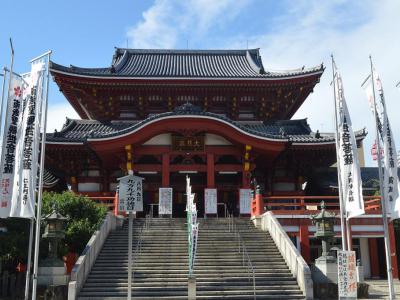


Osu Kannon Temple, Nagoya
Ōsu Kannon is one of Nagoya’s most prominent Buddhist temples and forms part of the Owari Thirty-three Kannon pilgrimage circuit. Its origins date to around 1333, when it was founded in Ōsu-gō in Nagaoka village. According to tradition, the temple was established under the patronage of Emperor Go-Daigo, who appointed the monk Nōshin as its first head priest.
Nōshin is said to have experienced a vision of Kannon, the bodhisattva of compassion, inspiring the temple’s dedication. Its principal object of worship is a sacred image of Kannon traditionally believed to have been carved by the monk Kūkai, also known as Kōbō Daishi.
Because the original site was vulnerable to repeated flooding, Tokugawa Ieyasu ordered the temple to be relocated to its present location in Nagoya in 1612. Much of the complex was later destroyed by fire in the 1820s. The present main hall was reconstructed in the 20th century, preserving the temple’s traditional architectural character.
Inside the main hall, visitors can see a large red paper lantern suspended above the entrance area. Worshipers often attach small paper notes bearing prayers or wishes to the supporting wires, following a custom associated with good fortune and answered prayers.
Ōsu Kannon is also known for its valuable library, which contains approximately 15,000 classical Japanese and Chinese texts. Its most celebrated treasure is the oldest surviving handwritten copy of the Kojiki, Japan’s earliest written chronicle of mythology and history. The manuscript is designated a National Treasure.
Nōshin is said to have experienced a vision of Kannon, the bodhisattva of compassion, inspiring the temple’s dedication. Its principal object of worship is a sacred image of Kannon traditionally believed to have been carved by the monk Kūkai, also known as Kōbō Daishi.
Because the original site was vulnerable to repeated flooding, Tokugawa Ieyasu ordered the temple to be relocated to its present location in Nagoya in 1612. Much of the complex was later destroyed by fire in the 1820s. The present main hall was reconstructed in the 20th century, preserving the temple’s traditional architectural character.
Inside the main hall, visitors can see a large red paper lantern suspended above the entrance area. Worshipers often attach small paper notes bearing prayers or wishes to the supporting wires, following a custom associated with good fortune and answered prayers.
Ōsu Kannon is also known for its valuable library, which contains approximately 15,000 classical Japanese and Chinese texts. Its most celebrated treasure is the oldest surviving handwritten copy of the Kojiki, Japan’s earliest written chronicle of mythology and history. The manuscript is designated a National Treasure.
Want to visit this sight? Check out these Self-Guided Walking Tours in Nagoya. Alternatively, you can download the mobile app "GPSmyCity: Walks in 1K+ Cities" from Apple App Store or Google Play Store. The app turns your mobile device to a personal tour guide and it works offline, so no data plan is needed when traveling abroad.
Download The GPSmyCity App



Osu Kannon Temple on Map
Sight Name: Osu Kannon Temple
Sight Location: Nagoya, Japan (See walking tours in Nagoya)
Sight Type: Religious
Guide(s) Containing This Sight:
Sight Location: Nagoya, Japan (See walking tours in Nagoya)
Sight Type: Religious
Guide(s) Containing This Sight:
Nearby Sights






Walking Tours in Nagoya, Japan

Create Your Own Walk in Nagoya
Creating your own self-guided walk in Nagoya is easy and fun. Choose the city attractions that you want to see and a walk route map will be created just for you. You can even set your hotel as the start point of the walk.
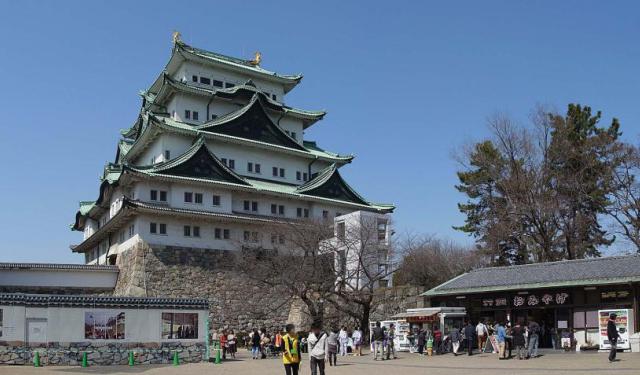
Nagoya Castle Walking Tour
Nagoya Castle, constructed in 1612, was the center of one of Japan's most important transportation hubs, located at the junction of two of the country's five major highways. The castle became a symbol of modern Nagoya in 1930 when it was designated a National Treasure. Partially destroyed by air raids during World War II in 1945, it has been under reconstruction since 1957.
The castle... view more
Tour Duration: 1 Hour
Travel Distance: 2.2 Km or 1.4 Miles
The castle... view more
Tour Duration: 1 Hour
Travel Distance: 2.2 Km or 1.4 Miles
Nagoya City Center Walking Tour
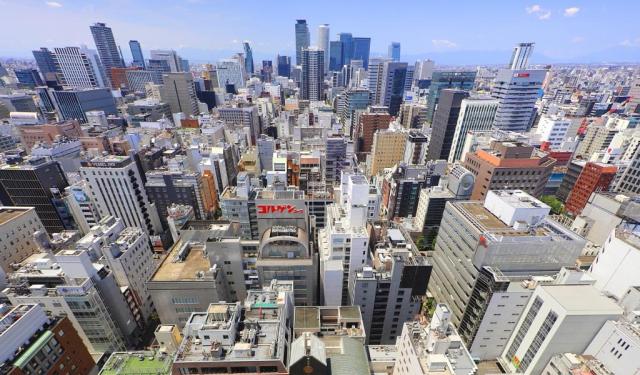
Nagoya, Japan’s fourth-largest city, is the industrial and cultural center of the Chūbu region. Situated on the Pacific coast of central Honshu, the city has a rich history shaped by its important roles in both feudal and modern Japan. The name “Nagoya” is sometimes associated with nagoyaka, a Japanese word conveying a sense of peace or tranquility.
The wider area has been inhabited... view more
Tour Duration: 2 Hours
Travel Distance: 3.5 Km or 2.2 Miles
The wider area has been inhabited... view more
Tour Duration: 2 Hours
Travel Distance: 3.5 Km or 2.2 Miles
Useful Travel Guides for Planning Your Trip

Fushimi - Sakae Pub Crawl of Nagoya
This crawl runs through Fushimi and Sakae, the down town area of Nagoya. It is a real mixed bag and every establishment has a different vibe and (more importantly) menu. All of the bars are gaijin friendly and each would be a decent place to have a...

Nagoya Station Pub Crawl
This crawl takes you through the centre of Nagoya, locally known as Mei Eki. This is a very cosmopolitan area where drunken salary-men rub shoulders with drunken gaijin. On this list is a selection of different British pubs and bars, just in case you’re hankering for a Guinness and a decent spot...