

Pauls Stradins Museum for the History of Medicine, Riga
The Pauls Stradins Museum for the History of Medicine in Riga is one of the largest medical museums globally. This prestigious institution is dedicated to showcasing the evolution of medicine and pharmacology from ancient times through interactive and educational displays. Its primary location on Antonijas Street is housed in a neo-Renaissance building designed by the acclaimed Riga architect Heinrich Scheel in 1875, with adaptations made in 1957 to better serve the museum's needs.
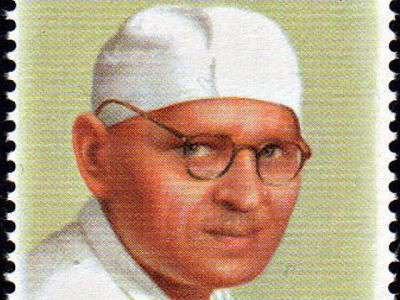
Founded on October 1, 1957, and officially opened to the public in 1961, the museum owes its existence to the vision and initial collection of Professor Pauls Stradiņš (1896–1958). Stradiņš, a prominent figure in surgery and oncology, first proposed the idea of a medical history museum in the 1930s. His collection of medical exhibits, which garnered significant attention among medical professionals, laid the foundation for what would become a comprehensive resource for both medical students and specialists.
The museum's collection has since grown to include over 203,000 items, continually expanding to include new acquisitions. The main exhibition offers visitors an immersive journey through the history of medicine, featuring replicas of a medieval monastery hospital and pharmacy, and providing insights into the common diseases and treatments of earlier eras. It also highlights the professionalization and scientific advancements in medicine during the 19th century, with special emphasis on notable figures such as microbiologist and Nobel Prize winner Ilya Mechnikov.
One of the museum’s most notable exhibits is the "two-headed dog," a result of Soviet doctor Demikhov's transplantation experiments, showcasing the role of animals in medical science. Additionally, the museum explores the intersection of space exploration and medicine in its Cosmic Biology and Medicine exhibit.
In 1987, the museum expanded to include the Museum of Pharmacy, based on personal collections from historian Davis Blumenthal and pharmacist Janis Maisite, further enriching its offerings.
Founded on October 1, 1957, and officially opened to the public in 1961, the museum owes its existence to the vision and initial collection of Professor Pauls Stradiņš (1896–1958). Stradiņš, a prominent figure in surgery and oncology, first proposed the idea of a medical history museum in the 1930s. His collection of medical exhibits, which garnered significant attention among medical professionals, laid the foundation for what would become a comprehensive resource for both medical students and specialists.
The museum's collection has since grown to include over 203,000 items, continually expanding to include new acquisitions. The main exhibition offers visitors an immersive journey through the history of medicine, featuring replicas of a medieval monastery hospital and pharmacy, and providing insights into the common diseases and treatments of earlier eras. It also highlights the professionalization and scientific advancements in medicine during the 19th century, with special emphasis on notable figures such as microbiologist and Nobel Prize winner Ilya Mechnikov.
One of the museum’s most notable exhibits is the "two-headed dog," a result of Soviet doctor Demikhov's transplantation experiments, showcasing the role of animals in medical science. Additionally, the museum explores the intersection of space exploration and medicine in its Cosmic Biology and Medicine exhibit.
In 1987, the museum expanded to include the Museum of Pharmacy, based on personal collections from historian Davis Blumenthal and pharmacist Janis Maisite, further enriching its offerings.
Want to visit this sight? Check out these Self-Guided Walking Tours in Riga. Alternatively, you can download the mobile app "GPSmyCity: Walks in 1K+ Cities" from Apple App Store or Google Play Store. The app turns your mobile device to a personal tour guide and it works offline, so no data plan is needed when traveling abroad.
Download The GPSmyCity App



Pauls Stradins Museum for the History of Medicine on Map
Sight Name: Pauls Stradins Museum for the History of Medicine
Sight Location: Riga, Latvia (See walking tours in Riga)
Sight Type: Museum/Gallery
Sight Location: Riga, Latvia (See walking tours in Riga)
Sight Type: Museum/Gallery
Nearby Sights

Walking Tours in Riga, Latvia

Create Your Own Walk in Riga
Creating your own self-guided walk in Riga is easy and fun. Choose the city attractions that you want to see and a walk route map will be created just for you. You can even set your hotel as the start point of the walk.
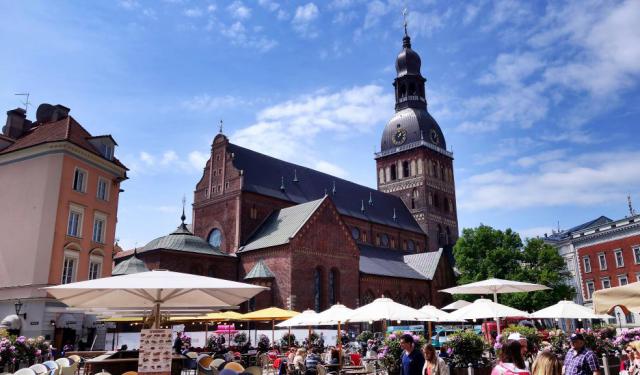
Explore Riga's Historical Churches on Foot
One great thing about Riga is that the majority of its religious sites are concentrated in the historic center. A variety of faiths found in the Latvian capital is fairly broad for such a small country and includes Roman Catholic, Orthodox, and Lutheran, to mention but a few.
The 13th-century Riga Cathedral is perhaps the most significant house of prayer in the city. The imposing mix of... view more
Tour Duration: 2 Hour(s)
Travel Distance: 3.0 Km or 1.9 Miles
The 13th-century Riga Cathedral is perhaps the most significant house of prayer in the city. The imposing mix of... view more
Tour Duration: 2 Hour(s)
Travel Distance: 3.0 Km or 1.9 Miles
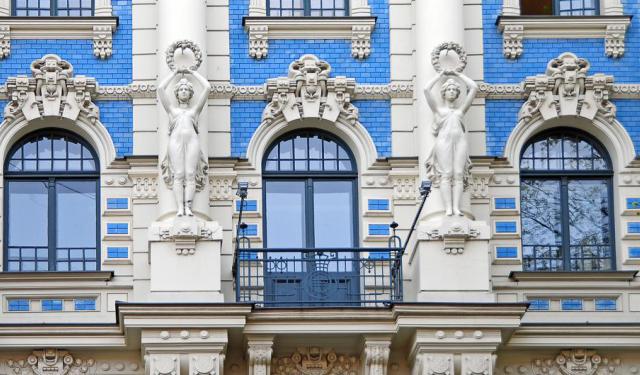
A Walking Guide to Riga's Fairytale Art Nouveau Architecture
An architecture lover in general and that of Art Nouveau in particular will find plenty to look at in the quiet center of Riga. Jūgendstil (Latvian: Art Nouveau) architecture makes up roughly one third of all buildings in the heart of Latvia's capital. In fact, the city boasts the highest concentration of Art Nouveau structures anywhere in the world.
Constructed during a period of rapid... view more
Tour Duration: 1 Hour(s)
Travel Distance: 1.3 Km or 0.8 Miles
Constructed during a period of rapid... view more
Tour Duration: 1 Hour(s)
Travel Distance: 1.3 Km or 0.8 Miles
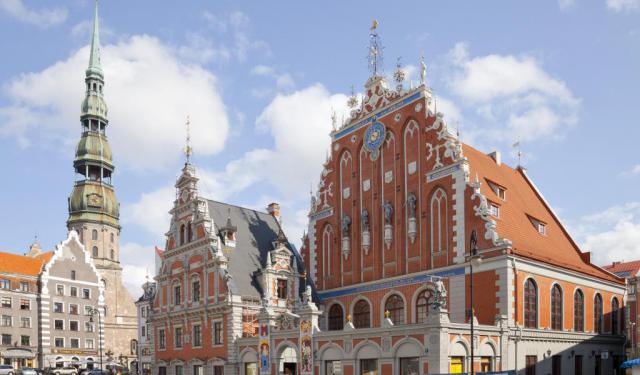
A Walk Through Riga's Charming Old Town
The area that is home to present-day Riga has hosted inhabitants since the days of the Vikings. With a sheltered natural harbor nearby, the River Daugava made Riga a stop on the Vikings' Dvina-Dnieper trade route to Byzantium.
Trade allowed the area to flourish, and the Livs, a Finnic tribe, settled it. In the early Middle Ages, the town's economy revolved around fishing, trading, and... view more
Tour Duration: 2 Hour(s)
Travel Distance: 2.4 Km or 1.5 Miles
Trade allowed the area to flourish, and the Livs, a Finnic tribe, settled it. In the early Middle Ages, the town's economy revolved around fishing, trading, and... view more
Tour Duration: 2 Hour(s)
Travel Distance: 2.4 Km or 1.5 Miles
Useful Travel Guides for Planning Your Trip

Traveler's Choice of 12 Uniquely Latvian Souvenirs from Riga
Reemerged after regaining independence in the early 1990s, Latvia is anxious to reveal its beauty to the outside world. The country's capital Riga is a good showroom for the country's cultural riches and traditions. Here's the list of the unique Latvian products to look for while in...