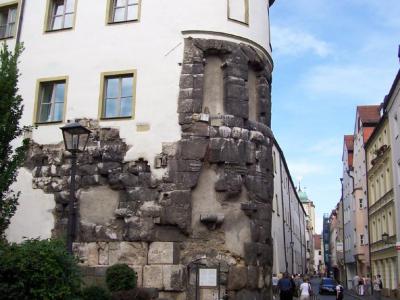


Porta Praetoria (Praetorian Gate), Regensburg
The Praetorian Gate is Regensburg’s oldest surviving witness to its Roman beginnings and one of the oldest stone structures in Germany. Built in 179 AD under Emperor Marcus Aurelius, it once formed the northern gate of Castra Regina-“the Fortress by the River Regen”-the Roman stronghold guarding the empire’s frontier along the Danube. Through this gateway marched the soldiers of the Third Legion, sent to defend Rome’s borders and control vital trade routes.
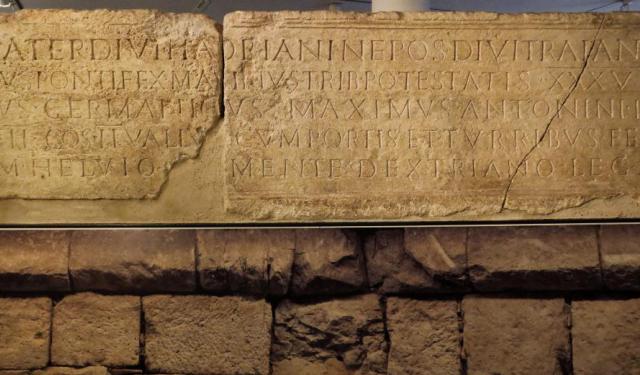
They say that when Frankish king Charlemagne passed through Regensburg centuries later, he marveled at the gate’s stones, already weathered with age, recognizing it as a remnant of the empire that had once ruled Europe. Today, those same limestone blocks, marked by Latin inscriptions and centuries of wear, still hold their place-embedded in medieval walls, half-hidden among shops and cafés along Unter den Schwibbögen Street. It’s easy to miss at first glance, but once noticed, it draws you into a moment of quiet awe.
Standing beneath the arch, visitors can almost hear the rhythm of Roman footsteps, the clatter of armor, and the calls of soldiers heading toward the Danube. The Praetorian Gate has seen nearly two millennia of change-wars, merchants, emperors, and tourists-yet it endures, a silent sentinel watching the city evolve around it. More than a ruin, it’s a meeting point between eras, where Regensburg’s ancient past still breathes within its modern streets.
They say that when Frankish king Charlemagne passed through Regensburg centuries later, he marveled at the gate’s stones, already weathered with age, recognizing it as a remnant of the empire that had once ruled Europe. Today, those same limestone blocks, marked by Latin inscriptions and centuries of wear, still hold their place-embedded in medieval walls, half-hidden among shops and cafés along Unter den Schwibbögen Street. It’s easy to miss at first glance, but once noticed, it draws you into a moment of quiet awe.
Standing beneath the arch, visitors can almost hear the rhythm of Roman footsteps, the clatter of armor, and the calls of soldiers heading toward the Danube. The Praetorian Gate has seen nearly two millennia of change-wars, merchants, emperors, and tourists-yet it endures, a silent sentinel watching the city evolve around it. More than a ruin, it’s a meeting point between eras, where Regensburg’s ancient past still breathes within its modern streets.
Want to visit this sight? Check out these Self-Guided Walking Tours in Regensburg. Alternatively, you can download the mobile app "GPSmyCity: Walks in 1K+ Cities" from Apple App Store or Google Play Store. The app turns your mobile device to a personal tour guide and it works offline, so no data plan is needed when traveling abroad.
Download The GPSmyCity App



Porta Praetoria (Praetorian Gate) on Map
Sight Name: Porta Praetoria (Praetorian Gate)
Sight Location: Regensburg, Germany (See walking tours in Regensburg)
Sight Type: Attraction/Landmark
Guide(s) Containing This Sight:
Sight Location: Regensburg, Germany (See walking tours in Regensburg)
Sight Type: Attraction/Landmark
Guide(s) Containing This Sight:
Nearby Sights
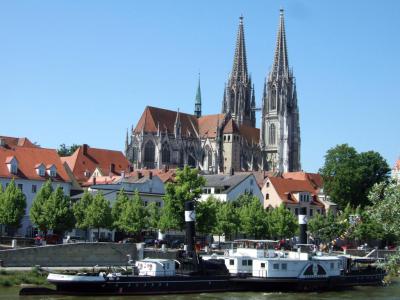
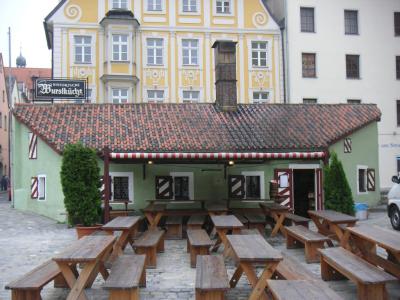
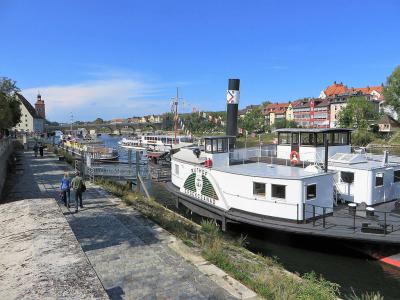


Walking Tours in Regensburg, Germany

Create Your Own Walk in Regensburg
Creating your own self-guided walk in Regensburg is easy and fun. Choose the city attractions that you want to see and a walk route map will be created just for you. You can even set your hotel as the start point of the walk.
Roman Ruins Walking Tour
Meandering through the Old Town of Regensburg, it’s easy to forget that some 1800 years ago most of this area was occupied by a Roman fortress. Although the first settlement here dates from as early as the Stone Age, it is the Romans who put it firmly on the map.
Around 90 AD, they first built an expeditionary and then a permanent military camp called Castra Regina ("Fortress by the... view more
Tour Duration: 1 Hour
Travel Distance: 1.4 Km or 0.9 Miles
Around 90 AD, they first built an expeditionary and then a permanent military camp called Castra Regina ("Fortress by the... view more
Tour Duration: 1 Hour
Travel Distance: 1.4 Km or 0.9 Miles
Regensburg Introduction Walking Tour
During a battle in 1809, Napoleon remarked that Regensburg was “worth a crown.”
The name “Regensburg” reflects its roots: it comes from the River Regen, which joins the Danube here, and the Old High German word burg, meaning fortress-so Regensburg means “the fortress by the Regen.”
Long before the Romans, Celtic tribes had already settled on the high ground, taking advantage of... view more
Tour Duration: 2 Hours
Travel Distance: 4.1 Km or 2.5 Miles
The name “Regensburg” reflects its roots: it comes from the River Regen, which joins the Danube here, and the Old High German word burg, meaning fortress-so Regensburg means “the fortress by the Regen.”
Long before the Romans, Celtic tribes had already settled on the high ground, taking advantage of... view more
Tour Duration: 2 Hours
Travel Distance: 4.1 Km or 2.5 Miles