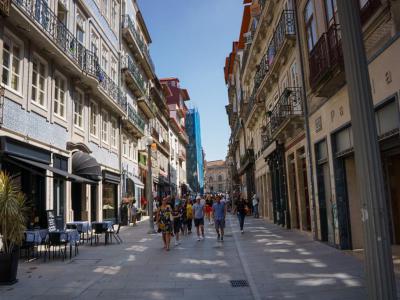


Rua das Flores (Flowers Street), Porto
Flowers Street didn’t earn its name by accident. Back in the early 16th century, this stretch of land was quite literally a garden-belonging to Pedro Álvares da Costa, the Bishop of Porto, a man with both green fingers and a devotion to Saint Catherine of Mount Sinai. When the street was laid out in 1525, during the reign of Manuel I of Portugal, it was called “Saint Catherine Flowers Street”-a name that sounded as formal as the era itself.
But the real story here isn’t just botanical-it’s social. The creation of the street coincided with a quiet shake-up of Porto’s hierarchy. Restrictions that once kept the nobility at a distance were lifted, and suddenly, the city opened up. In moved a rising bourgeois class, bringing with them new money, new ambitions, and a need for proper urban order. Regulations followed. Facades were aligned, proportions controlled, and the street took on a uniform look-less medieval maze, more carefully composed stage set...
Still, this wasn’t a boulevard of powdered wigs and aristocratic airs. Most residents were working hands rather than titled names. Cobblers, blacksmiths, metalworkers, bricklayers-people who built, repaired, and kept the city running-filled these houses. If Porto was expanding, this was the street where it was done.
Today, the tools have changed, but the rhythm hasn’t entirely disappeared. Flowers Street is now pedestrian-friendly, lined with cafés, small shops, and restored buildings that hint at their past lives. It’s a place for slow wandering rather than urgent errands-though if you listen closely, you might still hear the echo of hammer on metal beneath the hum of conversation...
But the real story here isn’t just botanical-it’s social. The creation of the street coincided with a quiet shake-up of Porto’s hierarchy. Restrictions that once kept the nobility at a distance were lifted, and suddenly, the city opened up. In moved a rising bourgeois class, bringing with them new money, new ambitions, and a need for proper urban order. Regulations followed. Facades were aligned, proportions controlled, and the street took on a uniform look-less medieval maze, more carefully composed stage set...
Still, this wasn’t a boulevard of powdered wigs and aristocratic airs. Most residents were working hands rather than titled names. Cobblers, blacksmiths, metalworkers, bricklayers-people who built, repaired, and kept the city running-filled these houses. If Porto was expanding, this was the street where it was done.
Today, the tools have changed, but the rhythm hasn’t entirely disappeared. Flowers Street is now pedestrian-friendly, lined with cafés, small shops, and restored buildings that hint at their past lives. It’s a place for slow wandering rather than urgent errands-though if you listen closely, you might still hear the echo of hammer on metal beneath the hum of conversation...
Want to visit this sight? Check out these Self-Guided Walking Tours in Porto. Alternatively, you can download the mobile app "GPSmyCity: Walks in 1K+ Cities" from Apple App Store or Google Play Store. The app turns your mobile device to a personal tour guide and it works offline, so no data plan is needed when traveling abroad.
Download The GPSmyCity App



Rua das Flores (Flowers Street) on Map
Sight Name: Rua das Flores (Flowers Street)
Sight Location: Porto, Portugal (See walking tours in Porto)
Sight Type: Attraction/Landmark
Guide(s) Containing This Sight:
Sight Location: Porto, Portugal (See walking tours in Porto)
Sight Type: Attraction/Landmark
Guide(s) Containing This Sight:
Nearby Sights
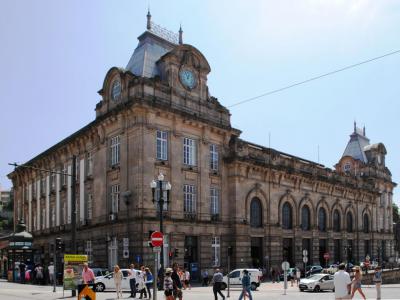
Walking Tours in Porto, Portugal

Create Your Own Walk in Porto
Creating your own self-guided walk in Porto is easy and fun. Choose the city attractions that you want to see and a walk route map will be created just for you. You can even set your hotel as the start point of the walk.
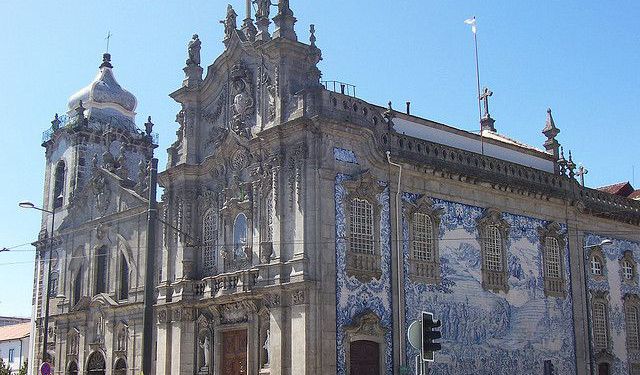
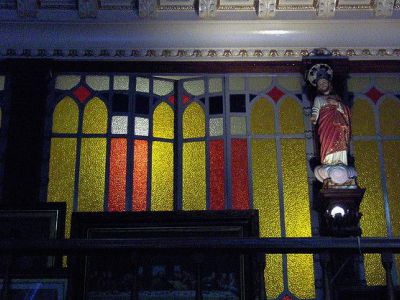
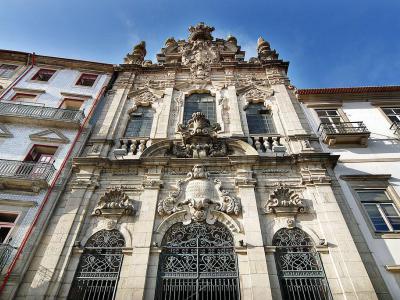
Historical Churches
Portugal is one of the oldest countries in Europe and is deeply rooted in Christianity, notably Catholicism. The latter explains the abundance of historic chapels, churches, and monasteries in the country. Porto, a city with a rich historical and cultural heritage, boasts several old churches of its own. Remarkable architectural gems, they reflect the city's profound religious tradition.... view more
Tour Duration: 2 Hours
Travel Distance: 3.9 Km or 2.4 Miles
Tour Duration: 2 Hours
Travel Distance: 3.9 Km or 2.4 Miles
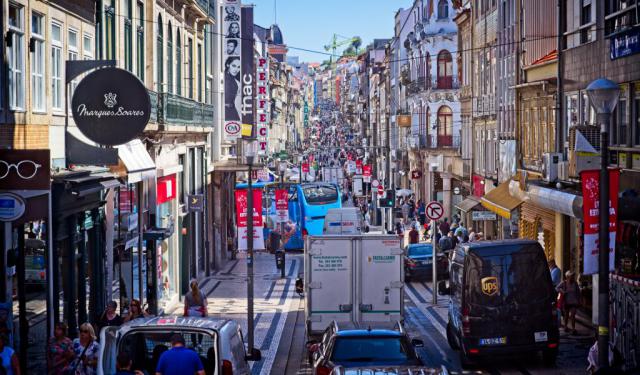
Shopping and Food Tour
Porto may be famous for its centuries-old streets and tiled façades, but it also knows how to tempt you with a shopping bag in one hand and a snack in the other. This is a city where old-world charm and modern appetite strike a comfortable deal-good news whether you're hunting for bargains, chasing flavors, or quietly justifying that “one last purchase.”
You won’t have to look far.... view more
Tour Duration: 1 Hour
Travel Distance: 1.6 Km or 1 Miles
You won’t have to look far.... view more
Tour Duration: 1 Hour
Travel Distance: 1.6 Km or 1 Miles
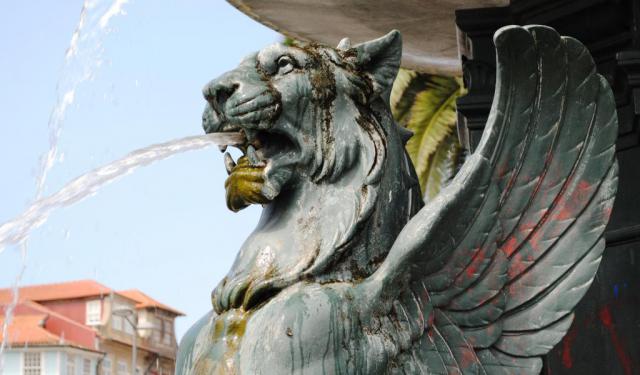
Porto's Monuments and Statues
In general, just like any other European nation, sunny Portugal is rich in history and matching love of monuments. This is more so evident in the country's second largest city of Porto, dotted with statues and sculptures of various sort, decorating the gardens, sidewalks, squares and various corners. Each of them has its own story; some are quite old, while others are not so much and rather... view more
Tour Duration: 1 Hour
Travel Distance: 2.1 Km or 1.3 Miles
Tour Duration: 1 Hour
Travel Distance: 2.1 Km or 1.3 Miles
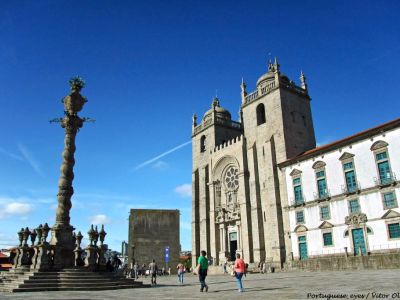
Porto Historic City Center Walking Tour
Set along the Douro River in northern Portugal, Porto is one of those places where history, trade, and identity overlap at every turn. Even the name carries weight. Back in Roman times, this was Portus Cale, meaning “the port of Cale” (in which Cale refers to today's Galicia region). Over time, the name shifted to Portucale, and from there… the term “Portugal” was born. So, yes,... view more
Tour Duration: 3 Hours
Travel Distance: 4 Km or 2.5 Miles
Tour Duration: 3 Hours
Travel Distance: 4 Km or 2.5 Miles
City Walks Overview
