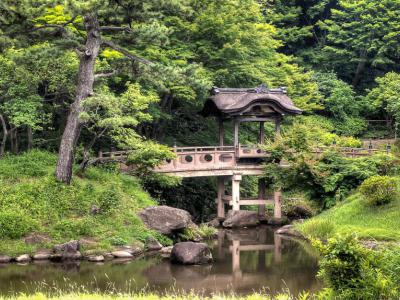


Sankeien Garden, Yokohama
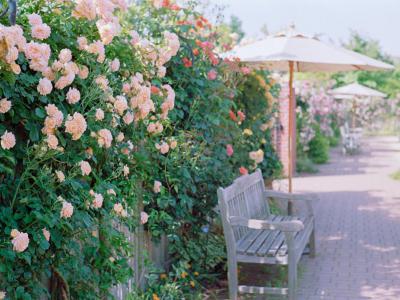
Sankeien Garden, located to the south of Yokohama's busy city center, offers a peaceful getaway contrasting sharply with the urban environment. It was designed and built by silk trader Tomitaro Hara, also known as Sankei Hara, and opened to the public in 1906. Sankeien is known for its careful upkeep and traditional layout, featuring various flower gardens, calm water features, charming bridges, and graceful pavilions, including a pagoda from an ancient temple. Covering an expansive area of 175,000 square meters, the garden is adorned with ponds, streams, and winding pathways, all envisioned by Sankei Hara.
The structures within Sankeien hold historical significance, each with its own rich story. However, the garden suffered significant damage during World War II. In an act of preservation, Sankei Hara donated the garden to the City of Yokohama in 1953, and it came under the management of the Sankeien Hoshōkai Foundation. Thanks to restoration efforts, Sankeien has been almost fully restored to its pre-war condition.
Today, Sankeien remains a cherished destination for locals and tourists alike, especially renowned for its stunning cherry blossoms, plum blossoms, and vibrant autumn foliage. The garden serves as a living museum, preserving and celebrating Japan's natural beauty and architectural heritage, offering a serene escape from the hustle and bustle of city life.
The structures within Sankeien hold historical significance, each with its own rich story. However, the garden suffered significant damage during World War II. In an act of preservation, Sankei Hara donated the garden to the City of Yokohama in 1953, and it came under the management of the Sankeien Hoshōkai Foundation. Thanks to restoration efforts, Sankeien has been almost fully restored to its pre-war condition.
Today, Sankeien remains a cherished destination for locals and tourists alike, especially renowned for its stunning cherry blossoms, plum blossoms, and vibrant autumn foliage. The garden serves as a living museum, preserving and celebrating Japan's natural beauty and architectural heritage, offering a serene escape from the hustle and bustle of city life.
Want to visit this sight? Check out these Self-Guided Walking Tours in Yokohama. Alternatively, you can download the mobile app "GPSmyCity: Walks in 1K+ Cities" from Apple App Store or Google Play Store. The app turns your mobile device to a personal tour guide and it works offline, so no data plan is needed when traveling abroad.
Download The GPSmyCity App



Sankeien Garden on Map
Sight Name: Sankeien Garden
Sight Location: Yokohama, Japan (See walking tours in Yokohama)
Sight Type: Attraction/Landmark
Sight Location: Yokohama, Japan (See walking tours in Yokohama)
Sight Type: Attraction/Landmark
Nearby Sights

Walking Tours in Yokohama, Japan

Create Your Own Walk in Yokohama
Creating your own self-guided walk in Yokohama is easy and fun. Choose the city attractions that you want to see and a walk route map will be created just for you. You can even set your hotel as the start point of the walk.
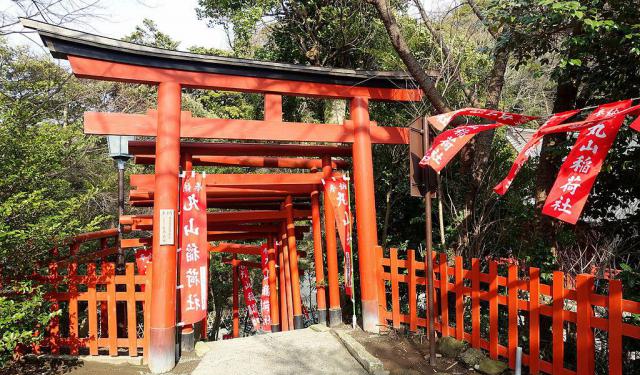
Kamakura Temples Walking Tour
Kamakura’s temples are inseparable from the story of the city itself. Once a small fishing village on Japan’s Pacific coast, Kamakura rose to national prominence in 1185, when the military leader Minamoto no Yoritomo established Japan’s first warrior government here. For nearly 150 years, Kamakura served as the political center of Japan, and its temples became both spiritual sanctuaries and... view more
Tour Duration: 2 Hour(s)
Travel Distance: 4.7 Km or 2.9 Miles
Tour Duration: 2 Hour(s)
Travel Distance: 4.7 Km or 2.9 Miles
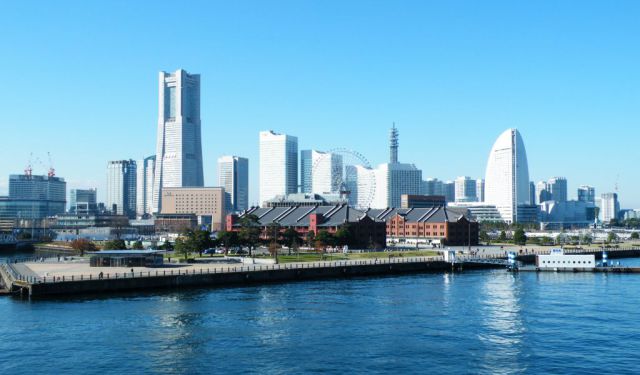
Yokohama Downtown Walking Tour
French writer Jules Verne featured Yokohama in his famous novel Around the World in Eighty Days. Even then, in 1873, Yokohama was seen as a symbol of modern, international Japan.
The city is Japan’s second-largest and one of its most important ports. The name Yokohama is derived from the words yoko, meaning “horizontal” or “sideways,” and hama, meaning “beach.” The name refers to... view more
Tour Duration: 2 Hour(s)
Travel Distance: 3.7 Km or 2.3 Miles
The city is Japan’s second-largest and one of its most important ports. The name Yokohama is derived from the words yoko, meaning “horizontal” or “sideways,” and hama, meaning “beach.” The name refers to... view more
Tour Duration: 2 Hour(s)
Travel Distance: 3.7 Km or 2.3 Miles