

Audio Guide: Kamakura Temples Walking Tour (Self Guided), Yokohama
Kamakura’s temples are inseparable from the story of the city itself. Once a small fishing village on Japan’s Pacific coast, Kamakura rose to national prominence in 1185, when the military leader Minamoto no Yoritomo established Japan’s first warrior government here. For nearly 150 years, Kamakura served as the political center of Japan, and its temples became both spiritual sanctuaries and symbols of samurai power.
Buddhism had reached Japan centuries earlier, but it flourished in Kamakura during the late 12th and 13th centuries. New Buddhist movements, particularly Zen Buddhism, gained popularity among the warrior class because of their emphasis on discipline, meditation, and personal enlightenment. Influential monks from China introduced Zen teachings, and powerful temples were founded with the support of shoguns and military families.
Among the most important was Kenchō-ji, established in 1253 as Japan’s first major Zen training monastery. It was followed by Engaku-ji, founded in 1282 to commemorate those who died defending Japan against the Mongol invasions. Together, these and other temples formed the famous “Five Great Zen Temples of Kamakura.”
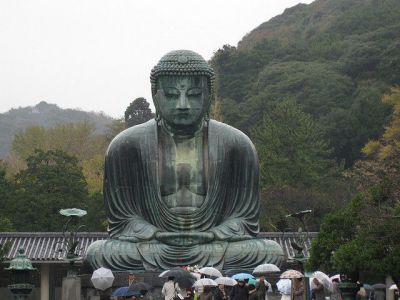
The city’s temples also reflect the turbulence of medieval Japan. Many were destroyed by fires, earthquakes, wars, and tsunamis, only to be rebuilt again and again. One of Kamakura’s most famous landmarks, the Great Buddha of Kōtoku-in, originally stood inside a large temple hall. The building was swept away by a tsunami in the 15th century, leaving the bronze statue exposed to the elements, where it remains today.
After the fall of the Kamakura shogunate in 1333, the city lost its political importance, but its temples continued to attract pilgrims, scholars, artists, and travelers. During the Edo period, from 1603 to 1868, they became popular destinations for religious journeys from nearby Edo, modern-day Tokyo.
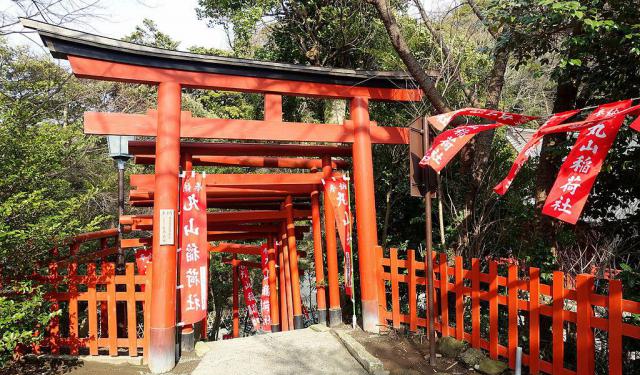
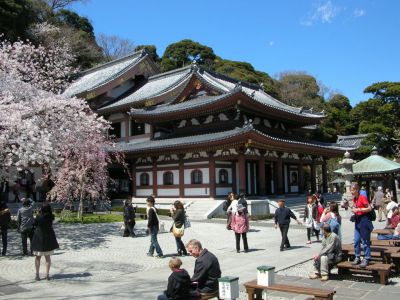
Walking through Kamakura, visitors encounter a city where forested hills, narrow lanes, and sacred sites blend seamlessly. At Kōtoku-in, the Great Buddha sits in open-air calm, while Hase-dera reveals wooden halls, hillside gardens, and sweeping coastal views. Around Tsurugaoka Hachimangu, broad approaches and lively pilgrimage routes add ceremony and movement. Elsewhere, mossy lanterns, incense-filled halls, bamboo groves, and quiet corners invite reflection.
Today, Kamakura contains more than 60 Buddhist temples and numerous shrines. As you begin this walk, take your time at each gate, garden, shrine, and statue. Kamakura reveals itself as a living record of Japan’s medieval past, where the discipline of the samurai and the calm of Zen are woven into the sacred spaces of the city.
Buddhism had reached Japan centuries earlier, but it flourished in Kamakura during the late 12th and 13th centuries. New Buddhist movements, particularly Zen Buddhism, gained popularity among the warrior class because of their emphasis on discipline, meditation, and personal enlightenment. Influential monks from China introduced Zen teachings, and powerful temples were founded with the support of shoguns and military families.
Among the most important was Kenchō-ji, established in 1253 as Japan’s first major Zen training monastery. It was followed by Engaku-ji, founded in 1282 to commemorate those who died defending Japan against the Mongol invasions. Together, these and other temples formed the famous “Five Great Zen Temples of Kamakura.”
The city’s temples also reflect the turbulence of medieval Japan. Many were destroyed by fires, earthquakes, wars, and tsunamis, only to be rebuilt again and again. One of Kamakura’s most famous landmarks, the Great Buddha of Kōtoku-in, originally stood inside a large temple hall. The building was swept away by a tsunami in the 15th century, leaving the bronze statue exposed to the elements, where it remains today.
After the fall of the Kamakura shogunate in 1333, the city lost its political importance, but its temples continued to attract pilgrims, scholars, artists, and travelers. During the Edo period, from 1603 to 1868, they became popular destinations for religious journeys from nearby Edo, modern-day Tokyo.
Walking through Kamakura, visitors encounter a city where forested hills, narrow lanes, and sacred sites blend seamlessly. At Kōtoku-in, the Great Buddha sits in open-air calm, while Hase-dera reveals wooden halls, hillside gardens, and sweeping coastal views. Around Tsurugaoka Hachimangu, broad approaches and lively pilgrimage routes add ceremony and movement. Elsewhere, mossy lanterns, incense-filled halls, bamboo groves, and quiet corners invite reflection.
Today, Kamakura contains more than 60 Buddhist temples and numerous shrines. As you begin this walk, take your time at each gate, garden, shrine, and statue. Kamakura reveals itself as a living record of Japan’s medieval past, where the discipline of the samurai and the calm of Zen are woven into the sacred spaces of the city.
How it works: Download the app "GPSmyCity: Walks in 1K+ Cities" from Apple App Store or Google Play Store to your mobile phone or tablet. The app turns your mobile device into a personal tour guide and its built-in GPS navigation functions guide you from one tour stop to next. The app works offline, so no data plan is needed when traveling abroad.
Download The GPSmyCity App



Kamakura Temples Walking Tour Map
Guide Name: Kamakura Temples Walking Tour
Guide Location: Japan » Yokohama (See other walking tours in Yokohama)
Guide Type: Self-guided Walking Tour (Sightseeing)
Tour Duration: 2 Hours
Travel Distance: 4.7 Km or 2.9 Miles
Tour Best Suited For: Archtecture buffs
Guide Location: Japan » Yokohama (See other walking tours in Yokohama)
Guide Type: Self-guided Walking Tour (Sightseeing)
Tour Duration: 2 Hours
Travel Distance: 4.7 Km or 2.9 Miles
Tour Best Suited For: Archtecture buffs
Sights Featured in This Walk
2
2) Kōtoku-in Temple (must see)
Walking Tours in Yokohama, Japan

Create Your Own Walk in Yokohama
Creating your own self-guided walk in Yokohama is easy and fun. Choose the city attractions that you want to see and a walk route map will be created just for you. You can even set your hotel as the start point of the walk.
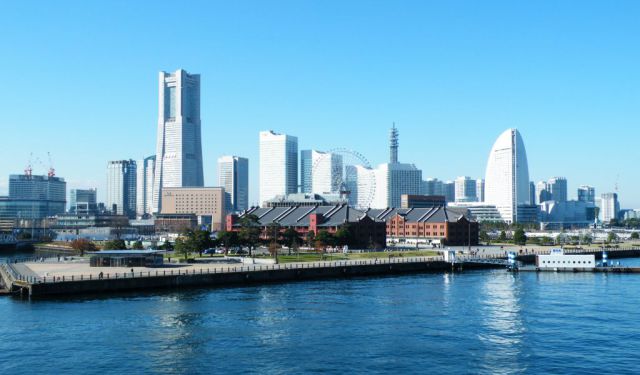
Yokohama Downtown Walking Tour
French writer Jules Verne featured Yokohama in his famous novel Around the World in Eighty Days. Even then, in 1873, Yokohama was seen as a symbol of modern, international Japan.
The city is Japan’s second-largest and one of its most important ports. The name Yokohama is derived from the words yoko, meaning “horizontal” or “sideways,” and hama, meaning “beach.” The name refers to... view more
Tour Duration: 2 Hours
Travel Distance: 3.7 Km or 2.3 Miles
The city is Japan’s second-largest and one of its most important ports. The name Yokohama is derived from the words yoko, meaning “horizontal” or “sideways,” and hama, meaning “beach.” The name refers to... view more
Tour Duration: 2 Hours
Travel Distance: 3.7 Km or 2.3 Miles
City Walks Overview
