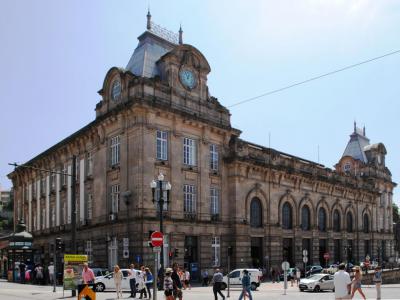


São Bento Railway Station, Porto
The São Bento Railway Station is a place where catching a train comes with a side of history, art, and just a hint of architectural drama.
Opened in the early 20th century, this grand station takes its name from Saint Benedict, because long before trains rolled in, this was the site of a Benedictine convent. The convent was cleared in 1892, making way for something a bit louder and considerably more punctual. The idea for a central station had been floating around since 1864, but like many good plans, it took a while to get moving.
Construction began in earnest in the 1890s, with the first train arriving in 1896-though not without setbacks, including a landslide that slowed things down. Eventually, architect José Marques da Silva stepped in, bringing with him a refined Beaux-Arts vision, and by the early 1900s, São Bento began to take the form you see today.
From the outside, the station keeps things composed: a symmetrical, U-shaped granite structure with three levels, clean lines, and just enough decorative detail to remind you it has standards. It’s elegant, balanced, and quietly confident-like it knows it doesn’t need to shout.
But step inside, and that restraint disappears entirely.
The entrance hall is wrapped in over 20,000 azulejo tiles, covering more than 500 square meters, all created by artist Jorge Colaço. These blue-and-white panels don’t just decorate the space-they narrate it. Scenes from Portugal’s history unfold across the walls, from royal ceremonies to rural life, while friezes trace the evolution of transportation. It’s part gallery, part waiting room, and entirely unforgettable.
Declared a national monument in 1988, São Bento has been carefully preserved, with parts of the building even adapted for modern use, including a small hostel tucked within its historic walls.
So, before you rush off to your next destination, pause for a moment here-because at São Bento, the journey doesn’t begin on the tracks, it begins on the walls...
Opened in the early 20th century, this grand station takes its name from Saint Benedict, because long before trains rolled in, this was the site of a Benedictine convent. The convent was cleared in 1892, making way for something a bit louder and considerably more punctual. The idea for a central station had been floating around since 1864, but like many good plans, it took a while to get moving.
Construction began in earnest in the 1890s, with the first train arriving in 1896-though not without setbacks, including a landslide that slowed things down. Eventually, architect José Marques da Silva stepped in, bringing with him a refined Beaux-Arts vision, and by the early 1900s, São Bento began to take the form you see today.
From the outside, the station keeps things composed: a symmetrical, U-shaped granite structure with three levels, clean lines, and just enough decorative detail to remind you it has standards. It’s elegant, balanced, and quietly confident-like it knows it doesn’t need to shout.
But step inside, and that restraint disappears entirely.
The entrance hall is wrapped in over 20,000 azulejo tiles, covering more than 500 square meters, all created by artist Jorge Colaço. These blue-and-white panels don’t just decorate the space-they narrate it. Scenes from Portugal’s history unfold across the walls, from royal ceremonies to rural life, while friezes trace the evolution of transportation. It’s part gallery, part waiting room, and entirely unforgettable.
Declared a national monument in 1988, São Bento has been carefully preserved, with parts of the building even adapted for modern use, including a small hostel tucked within its historic walls.
So, before you rush off to your next destination, pause for a moment here-because at São Bento, the journey doesn’t begin on the tracks, it begins on the walls...
Want to visit this sight? Check out these Self-Guided Walking Tours in Porto. Alternatively, you can download the mobile app "GPSmyCity: Walks in 1K+ Cities" from Apple App Store or Google Play Store. The app turns your mobile device to a personal tour guide and it works offline, so no data plan is needed when traveling abroad.
Download The GPSmyCity App



São Bento Railway Station on Map
Sight Name: São Bento Railway Station
Sight Location: Porto, Portugal (See walking tours in Porto)
Sight Type: Attraction/Landmark
Sight Location: Porto, Portugal (See walking tours in Porto)
Sight Type: Attraction/Landmark
Nearby Sights


Walking Tours in Porto, Portugal

Create Your Own Walk in Porto
Creating your own self-guided walk in Porto is easy and fun. Choose the city attractions that you want to see and a walk route map will be created just for you. You can even set your hotel as the start point of the walk.
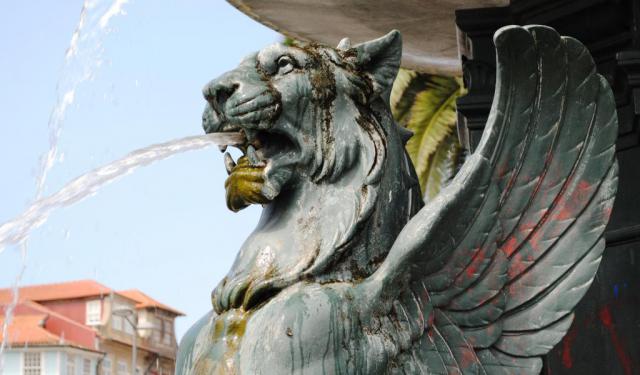
Porto's Monuments and Statues
In general, just like any other European nation, sunny Portugal is rich in history and matching love of monuments. This is more so evident in the country's second largest city of Porto, dotted with statues and sculptures of various sort, decorating the gardens, sidewalks, squares and various corners. Each of them has its own story; some are quite old, while others are not so much and rather... view more
Tour Duration: 1 Hour
Travel Distance: 2.1 Km or 1.3 Miles
Tour Duration: 1 Hour
Travel Distance: 2.1 Km or 1.3 Miles
Porto Historic City Center Walking Tour
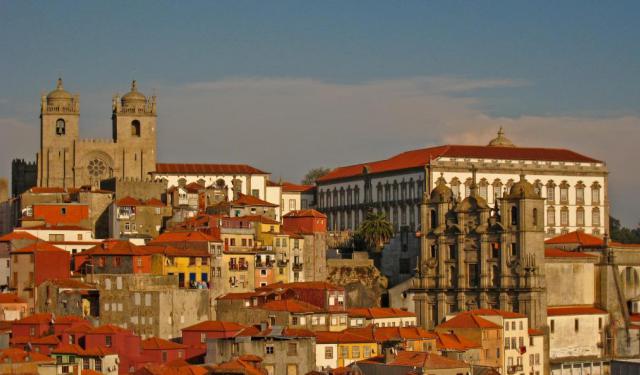
Set along the Douro River in northern Portugal, Porto is one of those places where history, trade, and identity overlap at every turn. Even the name carries weight. Back in Roman times, this was Portus Cale, meaning “the port of Cale” (in which Cale refers to today's Galicia region). Over time, the name shifted to Portucale, and from there… the term “Portugal” was born. So, yes,... view more
Tour Duration: 3 Hours
Travel Distance: 4 Km or 2.5 Miles
Tour Duration: 3 Hours
Travel Distance: 4 Km or 2.5 Miles
Shopping and Food Tour
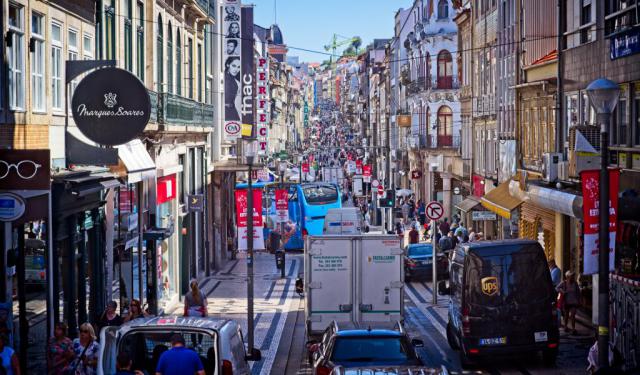
Porto may be famous for its centuries-old streets and tiled façades, but it also knows how to tempt you with a shopping bag in one hand and a snack in the other. This is a city where old-world charm and modern appetite strike a comfortable deal-good news whether you're hunting for bargains, chasing flavors, or quietly justifying that “one last purchase.”
You won’t have to look far.... view more
Tour Duration: 1 Hour
Travel Distance: 1.6 Km or 1 Miles
You won’t have to look far.... view more
Tour Duration: 1 Hour
Travel Distance: 1.6 Km or 1 Miles
Historical Churches
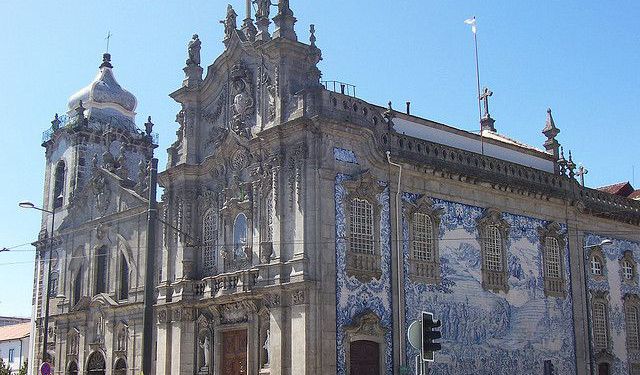
Portugal is one of the oldest countries in Europe and is deeply rooted in Christianity, notably Catholicism. The latter explains the abundance of historic chapels, churches, and monasteries in the country. Porto, a city with a rich historical and cultural heritage, boasts several old churches of its own. Remarkable architectural gems, they reflect the city's profound religious tradition.
... view more
Tour Duration: 2 Hours
Travel Distance: 3.9 Km or 2.4 Miles
... view more
Tour Duration: 2 Hours
Travel Distance: 3.9 Km or 2.4 Miles