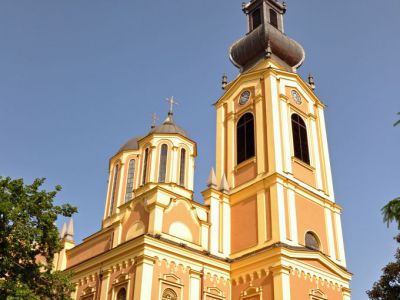


Serb Orthodox Cathedral, Sarajevo
Standing in the heart of Sarajevo, the Cathedral of the Nativity of the Theotokos is the city’s largest Serbian Orthodox church-and one of the largest in the Balkans. Dedicated to the birth of the Virgin Mary, it rose in the 1860s under master builder Andreja (Andrey) Damjanov, whose plan blends a cross-in-square layout with five domes and a small gilded baroque belfry that greets you at the entrance. The cathedral is recognized as a National Monument of Bosnia and Herzegovina, underscoring its importance to the city’s layered history.
Inside, look for the rhythm of arches and vaults and walls covered in painted ornament. In the lower zones, the decoration imitates veined marble, while higher up the surfaces are patterned rather than figurative, directing your eye toward the iconostasis and chandeliers. The whole interior rewards an unhurried visit-step softly and give yourself time to notice the craftsmanship in wood, stone, and paint.
The cathedral’s story mirrors Sarajevo’s meeting of cultures. Local Serb merchants financed most of the construction, and in a gesture of goodwill, both Ottoman Sultan Abdulaziz and Serbian Prince Mihailo Obrenovic contributed funds; Russia’s Tsar Alexander II even sent specialists to help create the iconostasis. The church was solemnly dedicated on 20 July 1872, an event secured by Ottoman authorities to ensure it proceeded peacefully.
A few steps away, you’ll find the Orthodox Metropolitan Palace (1898), a fitting neighbor to this landmark. Whether you come for a quiet moment or an architectural detour between Bascarsija and the Austro-Hungarian quarter, the cathedral offers a serene pause and a tangible link between Ottoman Sarajevo and the city that blossomed after.
Inside, look for the rhythm of arches and vaults and walls covered in painted ornament. In the lower zones, the decoration imitates veined marble, while higher up the surfaces are patterned rather than figurative, directing your eye toward the iconostasis and chandeliers. The whole interior rewards an unhurried visit-step softly and give yourself time to notice the craftsmanship in wood, stone, and paint.
The cathedral’s story mirrors Sarajevo’s meeting of cultures. Local Serb merchants financed most of the construction, and in a gesture of goodwill, both Ottoman Sultan Abdulaziz and Serbian Prince Mihailo Obrenovic contributed funds; Russia’s Tsar Alexander II even sent specialists to help create the iconostasis. The church was solemnly dedicated on 20 July 1872, an event secured by Ottoman authorities to ensure it proceeded peacefully.
A few steps away, you’ll find the Orthodox Metropolitan Palace (1898), a fitting neighbor to this landmark. Whether you come for a quiet moment or an architectural detour between Bascarsija and the Austro-Hungarian quarter, the cathedral offers a serene pause and a tangible link between Ottoman Sarajevo and the city that blossomed after.
Want to visit this sight? Check out these Self-Guided Walking Tours in Sarajevo. Alternatively, you can download the mobile app "GPSmyCity: Walks in 1K+ Cities" from Apple App Store or Google Play Store. The app turns your mobile device to a personal tour guide and it works offline, so no data plan is needed when traveling abroad.
Download The GPSmyCity App



Serb Orthodox Cathedral on Map
Sight Name: Serb Orthodox Cathedral
Sight Location: Sarajevo, Bosnia-Herzegovina (See walking tours in Sarajevo)
Sight Type: Religious
Sight Location: Sarajevo, Bosnia-Herzegovina (See walking tours in Sarajevo)
Sight Type: Religious
Nearby Sights
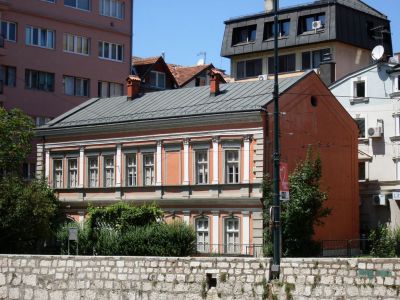
Walking Tours in Sarajevo, Bosnia-Herzegovina

Create Your Own Walk in Sarajevo
Creating your own self-guided walk in Sarajevo is easy and fun. Choose the city attractions that you want to see and a walk route map will be created just for you. You can even set your hotel as the start point of the walk.
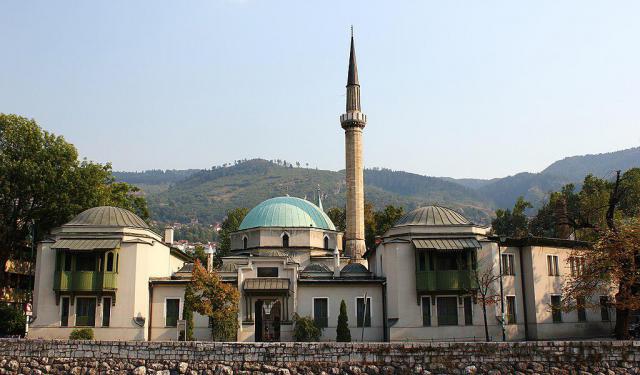
Ottoman Empire Landmarks Walk
The capital of Bosnia and Herzegovina, Sarajevo, was founded in 1461 after the Ottoman Empire conquered the region. Hence, the city's history is closely intertwined with the Ottoman legacy reflected in its landmarks.
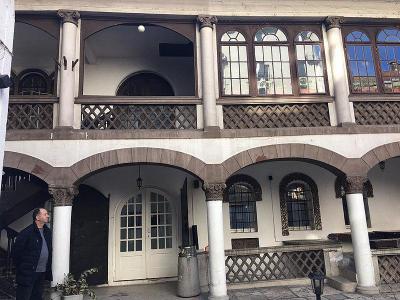
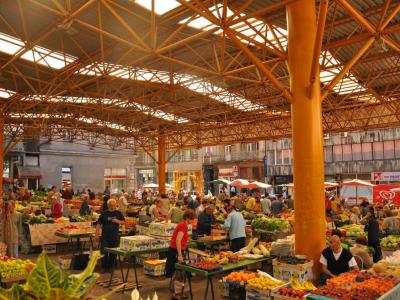
One such is the Old Bazaar, a bustling market square dating back to the 15th century. Here, one can immerse oneself in the vibrant atmosphere of traditional crafts, authentic... view more
Tour Duration: 1 Hour
Travel Distance: 1 Km or 0.6 Miles
One such is the Old Bazaar, a bustling market square dating back to the 15th century. Here, one can immerse oneself in the vibrant atmosphere of traditional crafts, authentic... view more
Tour Duration: 1 Hour
Travel Distance: 1 Km or 0.6 Miles
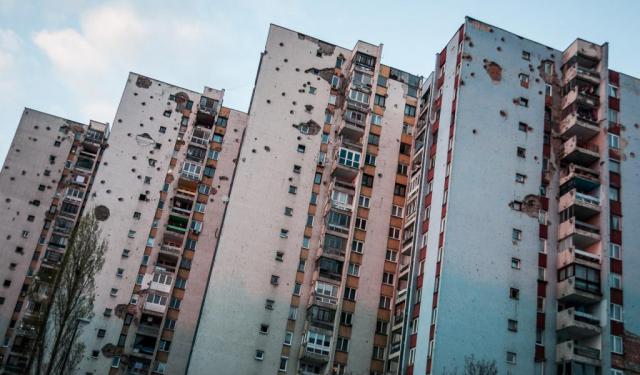
Siege of Sarajevo Walking Tour
The Siege of Sarajevo was an extended battle in the city during the Bosnian War from 1992 to 1996. It is known to be the most prolonged siege of a capital city, having lasted several months longer than the early 20th century Siege of Madrid.
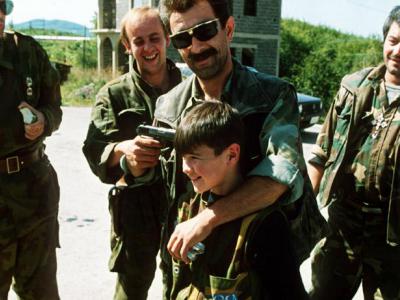
The Bosnian War began when Bosnia and Herzegovina declared independence from Yugoslavia. The city was blockaded by the Serbs and bombarded by bombs, tanks,... view more
Tour Duration: 2 Hours
Travel Distance: 3 Km or 1.9 Miles
The Bosnian War began when Bosnia and Herzegovina declared independence from Yugoslavia. The city was blockaded by the Serbs and bombarded by bombs, tanks,... view more
Tour Duration: 2 Hours
Travel Distance: 3 Km or 1.9 Miles
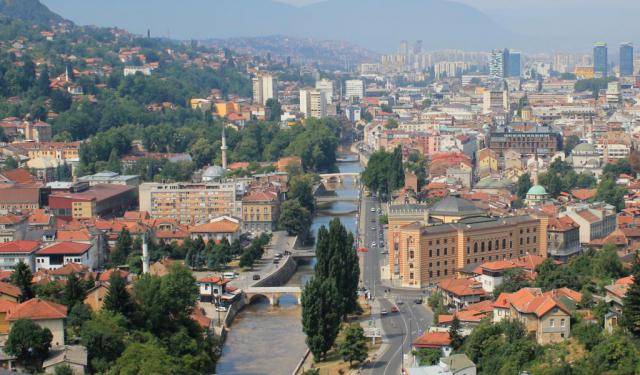
Sarajevo Introduction Walking Tour
Sarajevo is the capital of Bosnia and Herzegovina. It is also the country's largest city. This historical and picturesque city is surrounded by the Dinaric Alps and rests along both banks of the Miljacka River.
The city was established by the Ottoman Empire around 1461. It was named "Sarajevo," which means "the plains around the palace." The name is derived from the... view more
Tour Duration: 2 Hours
Travel Distance: 2.7 Km or 1.7 Miles
The city was established by the Ottoman Empire around 1461. It was named "Sarajevo," which means "the plains around the palace." The name is derived from the... view more
Tour Duration: 2 Hours
Travel Distance: 2.7 Km or 1.7 Miles