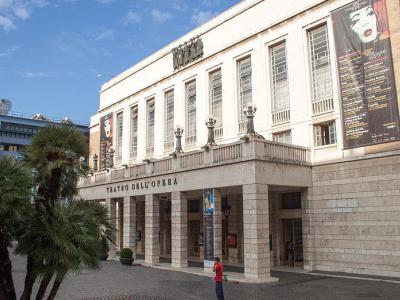


Teatro dell'Opera di Roma (Rome Opera House), Rome
Teatro dell'Opera di Roma, one of the most esteemed and prestigious theaters in the Italian capital, traces its origins back to its inauguration in January 1880 under the name Teatro Costanzi. The visionary behind its creation was Domenico Costanzi, who aspired to establish a magnificent opera house in Rome. Designed in the neorenaissance style, the theater boasted excellent acoustics and featured a beautiful dome painted by Annibale Brugnoli. Over the years, the theater underwent several renovations and expansions to enhance its exterior and interior functionality.
In 1926, the municipality of Rome acquired the theater and commissioned architect Marcello Piacentini to complete its transformation. The building underwent extensive renovations, including the addition of two foyers, a grand staircase, and the installation of a magnificent crystal chandelier, the largest in Europe. It was renamed Teatro Reale dell'Opera and reopened in 1928 with a performance of Arrigo Boito's "Nerone."
Throughout its illustrious history, the Teatro dell'Opera di Roma has welcomed renowned artists and musicians from around the world. Legendary performers such as Enrico Caruso, Beniamino Gigli, Maria Callas, Luciano Pavarotti, and Anna Netrebko have graced its stage. The theater has hosted world premieres of operas by renowned composers, including Pietro Mascagni, Giacomo Puccini, and Ruggero Leoncavallo.
Apart from opera productions, the theater has been a venue for ballet performances, with the debut of Igor Stravinsky's "The Firebird" by Sergei Diaghilev's Ballets Russes in 1917. Over the years, esteemed ballet companies such as American Ballet Theatre and the Royal Ballet have also showcased their talents at the Teatro dell'Opera di Roma.
The theater is home to its own orchestra and choir. The orchestra was established in 1905 as the Municipal Orchestra and later became the Orchestra of the Teatro Costanzi. The choir, under the direction of Tullio Serafin, became an integral part of the theater in 1935.
During the summer months, the theater expands its operations to the impressive archaeological site of the Terme di Caracalla, hosting open-air performances and concerts. The Terme di Caracalla season has become a cherished tradition, attracting both locals and tourists with its unique setting and remarkable productions.
In 1926, the municipality of Rome acquired the theater and commissioned architect Marcello Piacentini to complete its transformation. The building underwent extensive renovations, including the addition of two foyers, a grand staircase, and the installation of a magnificent crystal chandelier, the largest in Europe. It was renamed Teatro Reale dell'Opera and reopened in 1928 with a performance of Arrigo Boito's "Nerone."
Throughout its illustrious history, the Teatro dell'Opera di Roma has welcomed renowned artists and musicians from around the world. Legendary performers such as Enrico Caruso, Beniamino Gigli, Maria Callas, Luciano Pavarotti, and Anna Netrebko have graced its stage. The theater has hosted world premieres of operas by renowned composers, including Pietro Mascagni, Giacomo Puccini, and Ruggero Leoncavallo.
Apart from opera productions, the theater has been a venue for ballet performances, with the debut of Igor Stravinsky's "The Firebird" by Sergei Diaghilev's Ballets Russes in 1917. Over the years, esteemed ballet companies such as American Ballet Theatre and the Royal Ballet have also showcased their talents at the Teatro dell'Opera di Roma.
The theater is home to its own orchestra and choir. The orchestra was established in 1905 as the Municipal Orchestra and later became the Orchestra of the Teatro Costanzi. The choir, under the direction of Tullio Serafin, became an integral part of the theater in 1935.
During the summer months, the theater expands its operations to the impressive archaeological site of the Terme di Caracalla, hosting open-air performances and concerts. The Terme di Caracalla season has become a cherished tradition, attracting both locals and tourists with its unique setting and remarkable productions.
Want to visit this sight? Check out these Self-Guided Walking Tours in Rome. Alternatively, you can download the mobile app "GPSmyCity: Walks in 1K+ Cities" from Apple App Store or Google Play Store. The app turns your mobile device to a personal tour guide and it works offline, so no data plan is needed when traveling abroad.
Download The GPSmyCity App



Teatro dell'Opera di Roma (Rome Opera House) on Map
Sight Name: Teatro dell'Opera di Roma (Rome Opera House)
Sight Location: Rome, Italy (See walking tours in Rome)
Sight Type: Attraction/Landmark
Sight Location: Rome, Italy (See walking tours in Rome)
Sight Type: Attraction/Landmark
Nearby Sights
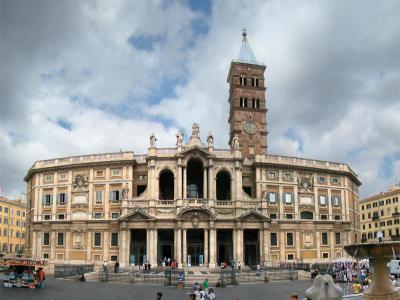
Walking Tours in Rome, Italy

Create Your Own Walk in Rome
Creating your own self-guided walk in Rome is easy and fun. Choose the city attractions that you want to see and a walk route map will be created just for you. You can even set your hotel as the start point of the walk.
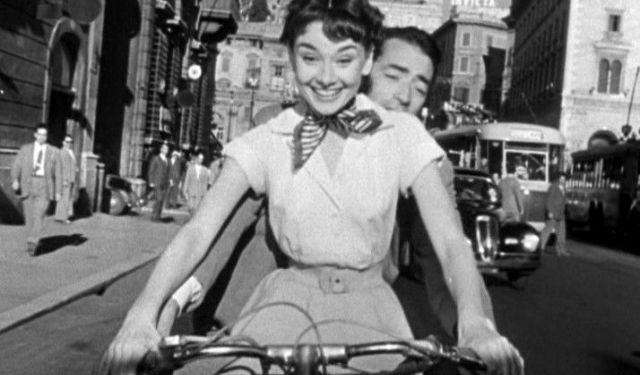
"Roman Holiday" Movie Walking Tour
Filmed entirely in the heart of Rome, Roman Holiday is one of those timeless films that beckons you to hop on a Vespa and lose yourself in the intoxicating beauty of the Italian capital. Released in 1953, this beloved classic has captured hearts across generations, thanks to its irresistible blend of romance, adventure, and charm-anchored by two of Hollywood’s brightest stars, Audrey Hepburn and... view more
Tour Duration: 4 Hours
Travel Distance: 8.5 Km or 5.3 Miles
Tour Duration: 4 Hours
Travel Distance: 8.5 Km or 5.3 Miles
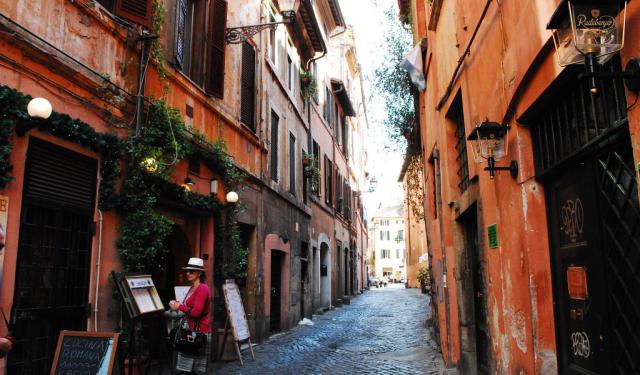
Trastevere Walking Tour
Heading down from the Vatican along the River Tiber, one is bound to find yet another city hidden within the city - Trastevere. This name translates literally to "across the Tiber". Indeed, crossing the picturesque Ponte Sisto (Sisto Bridge) to the west bank, you will find yourself in a charming neighborhood with a distinct character that sets it apart from any other part of Rome.
The... view more
Tour Duration: 2 Hours
Travel Distance: 3 Km or 1.9 Miles
The... view more
Tour Duration: 2 Hours
Travel Distance: 3 Km or 1.9 Miles
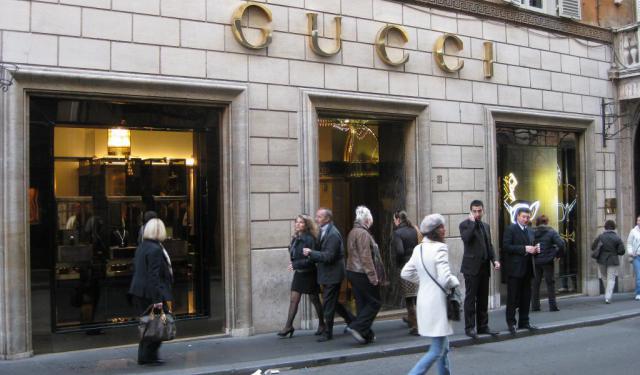
Rome Shopping Streets Walking Tour
Loved by tourists for its busy fashionable streets and significant baroque icons, the so-called ‘Tridente’ is one of the Eternal City's most lusted-after areas, formed by Via dei Condotti, Via Borgognona, Via Frattina and the adjacent Via del Corso. It is perhaps the most high-end destination for Roman shopping, with a concentration of renowned jewelers and important Italian/international... view more
Tour Duration: 2 Hours
Travel Distance: 2.9 Km or 1.8 Miles
Tour Duration: 2 Hours
Travel Distance: 2.9 Km or 1.8 Miles
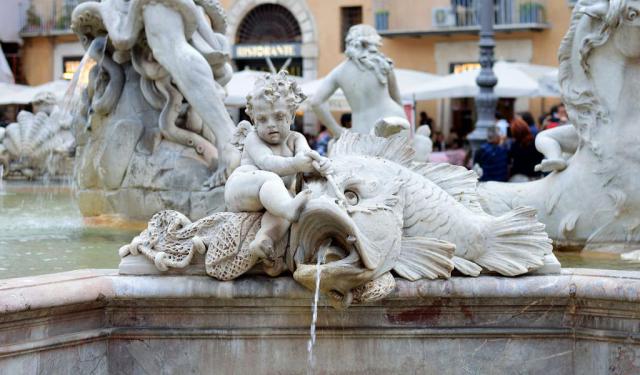
Fountains and Squares Walking Tour
In Rome there is a lively piazza round almost every corner, each with its own unique atmosphere and its own story to tell. These public squares have been the center of Roman culture for centuries, and some of the city’s most popular attractions are located within them.
Most piazzas have a fountain in the center and a lot of cafes around. In fact, Rome holds the largest number of fountains in... view more
Tour Duration: 2 Hours
Travel Distance: 4.1 Km or 2.5 Miles
Most piazzas have a fountain in the center and a lot of cafes around. In fact, Rome holds the largest number of fountains in... view more
Tour Duration: 2 Hours
Travel Distance: 4.1 Km or 2.5 Miles
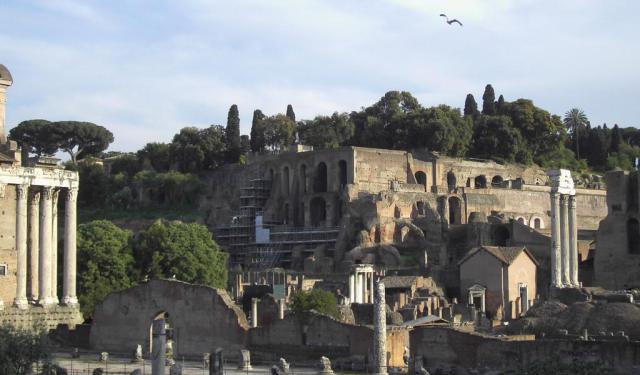
Palatine Hill Walking Tour
Palatine Hill - one of Rome’s legendary Seven Hills - is the most ancient part of the city. According to mythology (and a fair bit of archaeology backing it up), this is where the whole Roman saga began to unfold in the year 753 BC when young Romulus pointed dramatically at the hill and probably thought to himself: “Yes, this is the spot.” And just like that, a city that would eventually... view more
Tour Duration: 2 Hours
Travel Distance: 2.6 Km or 1.6 Miles
Tour Duration: 2 Hours
Travel Distance: 2.6 Km or 1.6 Miles
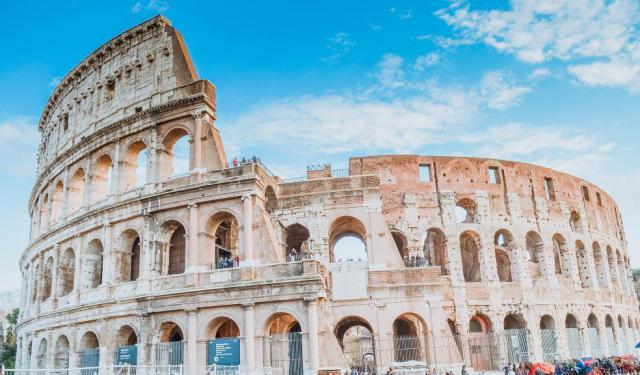
Rome Introduction Walking Tour I
Often referred to as the Eternal City, Rome holds a unique place in the story of Western civilization. Its influence shaped European culture through language, governance, and monumental architecture.
The name “Rome” originates from Romulus, the mythical founder of the city, who, according to legend, was the son of the war god Mars and Rhea Silvia, the priestess of goddess Vesta. Both... view more
Tour Duration: 2 Hours
Travel Distance: 3.7 Km or 2.3 Miles
The name “Rome” originates from Romulus, the mythical founder of the city, who, according to legend, was the son of the war god Mars and Rhea Silvia, the priestess of goddess Vesta. Both... view more
Tour Duration: 2 Hours
Travel Distance: 3.7 Km or 2.3 Miles
Useful Travel Guides for Planning Your Trip
10 Best Food Markets in Rome Italy
Of all the things Italy is most famous for (cars, music, fashion, movies, etc.), food is, undoubtedly, top of the list. Rome may well not be the whole Italy, but no Italy is whole without Rome... And the Romans, much as all their fellow-Italians, like it "fresco", hence the abundance of...
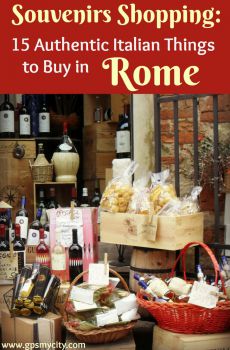
Souvenirs Shopping: 15 Authentic Italian Things To Buy in Rome
Rome is the Eternal City and, as such, the list of gift options available here is countless. Whether it's something edible, drinkable, wearable or pleasing to the eye that you want - you will find it all here in abundance. However, if time or budget is the factor, perhaps you might want to...
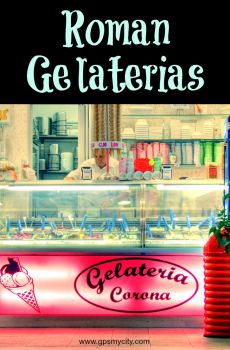
17 Best Gelaterias in Rome Italy
For ice cream lovers and dabblers this guide is a treasure chest of Rome’s best gelato shops. There are gelaterias everywhere. Many visitors to Rome only have a few days to explore the city. You owe it to yourself to make the most of your time and find the gelato locals eat. Often the authentic...
City Walks Overview
