

The City Rooms, Leicester
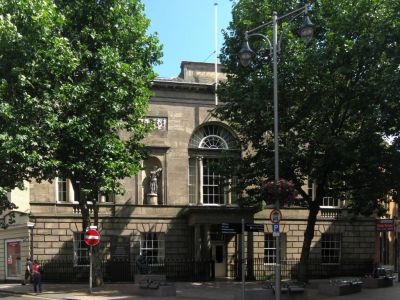
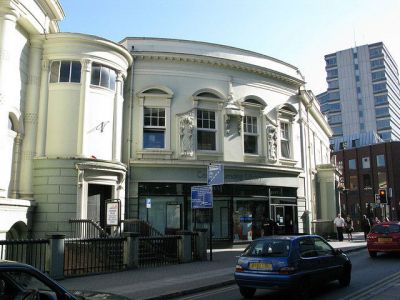
Nestled in the heart of Leicester, The City Rooms is a grand Georgian building with a history as impressive as its architecture. Originally envisioned as the city’s first hotel, this Grade I-listed landmark was designed in the Greek Revival style by architect John Johnson and completed in 1800. However, financial difficulties prevented its intended use, and the property was taken over by a consortium led by the Duke of Rutland, who ensured its completion. It officially opened as the Leicester Assembly Rooms in September 1800, just in time to welcome visitors attending the Leicester Races at Victoria Park.
The building’s symmetrical façade, with its Tuscan-order columns and large arched windows, reflects the elegance of the era. Notably, the first-floor ballroom-spanning 75 feet (23 meters) in length-is adorned with allegorical paintings by Ramsay Richard Reinagle and statues inspired by John Bacon, making it a striking example of period interior design.
By 1817, the structure found a new purpose as judges’ lodgings, undergoing a two-year transformation under local builder Joshua Harrison. Later, it served as the County Rooms, functioning as the meeting place for Leicestershire County Council after the Local Government Act of 1888. Over the years, it accommodated a variety of uses, including acting as a training facility for the B Squadron of the Leicestershire Yeomanry.
Following the completion of County Hall in 1967, the building’s civic role diminished. Leicester City Council took ownership in 1986, renaming it The City Rooms. In 1990, a statue of a Seamstress, sculpted by James Butler, was installed outside to commemorate Leicester’s rich hosiery industry heritage.
After changing hands once more, a major restoration in 2005 transformed the historic site into an opulent venue featuring a ballroom, bar, meeting rooms, and four luxurious bedrooms-a nod to its original hotel aspirations. The Prince of Wales himself attended a reception here in 2020, marking yet another chapter in the building’s long and prestigious history. Today, The City Rooms stands as a sought-after venue for weddings, events, and celebrations, seamlessly blending history with modern elegance.
The building’s symmetrical façade, with its Tuscan-order columns and large arched windows, reflects the elegance of the era. Notably, the first-floor ballroom-spanning 75 feet (23 meters) in length-is adorned with allegorical paintings by Ramsay Richard Reinagle and statues inspired by John Bacon, making it a striking example of period interior design.
By 1817, the structure found a new purpose as judges’ lodgings, undergoing a two-year transformation under local builder Joshua Harrison. Later, it served as the County Rooms, functioning as the meeting place for Leicestershire County Council after the Local Government Act of 1888. Over the years, it accommodated a variety of uses, including acting as a training facility for the B Squadron of the Leicestershire Yeomanry.
Following the completion of County Hall in 1967, the building’s civic role diminished. Leicester City Council took ownership in 1986, renaming it The City Rooms. In 1990, a statue of a Seamstress, sculpted by James Butler, was installed outside to commemorate Leicester’s rich hosiery industry heritage.
After changing hands once more, a major restoration in 2005 transformed the historic site into an opulent venue featuring a ballroom, bar, meeting rooms, and four luxurious bedrooms-a nod to its original hotel aspirations. The Prince of Wales himself attended a reception here in 2020, marking yet another chapter in the building’s long and prestigious history. Today, The City Rooms stands as a sought-after venue for weddings, events, and celebrations, seamlessly blending history with modern elegance.
Want to visit this sight? Check out these Self-Guided Walking Tours in Leicester. Alternatively, you can download the mobile app "GPSmyCity: Walks in 1K+ Cities" from Apple App Store or Google Play Store. The app turns your mobile device to a personal tour guide and it works offline, so no data plan is needed when traveling abroad.
Download The GPSmyCity App



The City Rooms on Map
Sight Name: The City Rooms
Sight Location: Leicester, England (See walking tours in Leicester)
Sight Type: Attraction/Landmark
Sight Location: Leicester, England (See walking tours in Leicester)
Sight Type: Attraction/Landmark
Nearby Sights
Walking Tours in Leicester, England

Create Your Own Walk in Leicester
Creating your own self-guided walk in Leicester is easy and fun. Choose the city attractions that you want to see and a walk route map will be created just for you. You can even set your hotel as the start point of the walk.
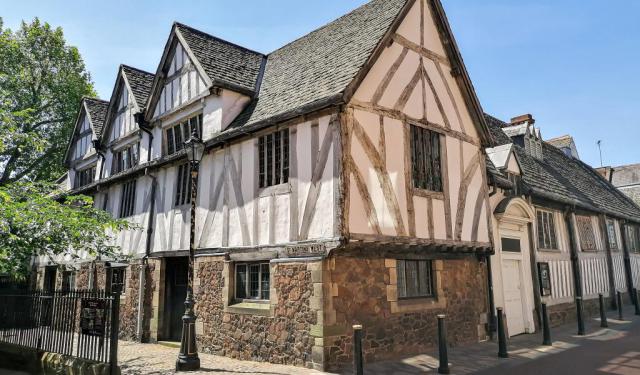
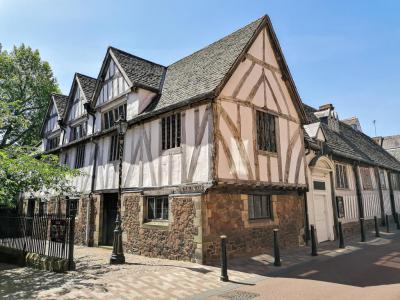
Discover Leicester's Historical Buildings
Leicester, a city in England's East Midlands, has a storied past that is vividly presented in its historical buildings. Valuable architectural monuments, they are the city's pride and as such enjoy special protection by the government.
Among such, Magazine Gateway stands as a testament to the city's medieval legacy. Originally part of its defensive walls, this structure now... view more
Tour Duration: 2 Hours
Travel Distance: 2.6 Km or 1.6 Miles
Among such, Magazine Gateway stands as a testament to the city's medieval legacy. Originally part of its defensive walls, this structure now... view more
Tour Duration: 2 Hours
Travel Distance: 2.6 Km or 1.6 Miles
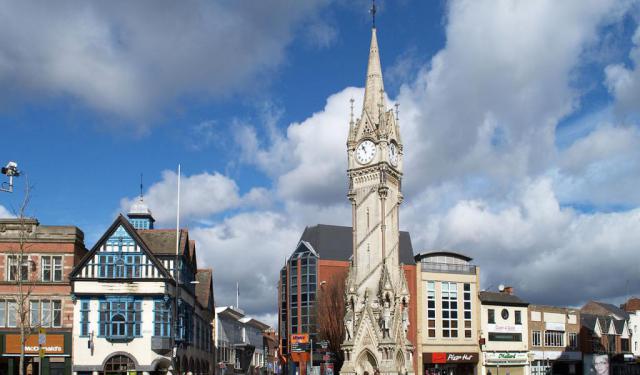
Leicester City Center Walking Tour
Leicester is one of the oldest cities in England, whose history goes back almost two millennia. The Romans arrived in the area around 47 AD, during their conquest of southern Britain. Following the Saxon invasion, Leicester was then captured by Danish Vikings, in the 9th century.
The settlement was first documented in the early 10th century, under the name Ligeraceaster. At the time of the... view more
Tour Duration: 1 Hour
Travel Distance: 1.1 Km or 0.7 Miles
The settlement was first documented in the early 10th century, under the name Ligeraceaster. At the time of the... view more
Tour Duration: 1 Hour
Travel Distance: 1.1 Km or 0.7 Miles