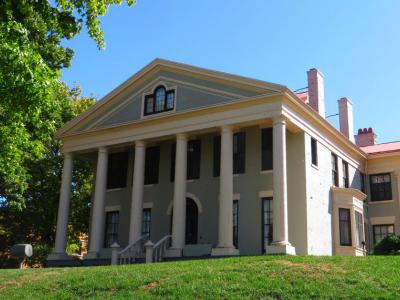


Theodore Roosevelt Inaugural National Historic Site, Buffalo (must see)
Theodore Roosevelt's Inaugural National Historic Site in Buffalo preserves the very spot where Roosevelt took the oath of office following the assassination of President William McKinley in 1901. That moment, steeped in shock and urgency, unfolded inside the stately Ansley Wilcox House-a private residence turned presidential backdrop when Roosevelt was sworn in on September 14, in the home's library, before about fifty onlookers. No photos were taken during the ceremony, though the room was meticulously documented afterward.
The house itself has a long and layered history. Its oldest section dates to 1840 and is the last surviving structure from the Buffalo Barracks, a military post built amid 19th-century border tensions with Canada. After the military disbanded, the building passed through private hands before being gifted by Dexter Rumsey to his son-in-law Ansley Wilcox, and his wife Mary Grace. The Wilcoxes undertook significant renovations that shaped the building's modern form, and their detailed plans are preserved at the site today.
Roosevelt had been visiting the Pan-American Exposition in Buffalo when McKinley was shot by anarchist Leon Czolgosz. Initially, hopeful medical reports soon gave way to tragedy. When McKinley succumbed to his wounds, Roosevelt rushed back to Buffalo and, under the shadow of national grief and political instability, was inaugurated in the Wilcox home.
Today, visitors to the site can explore exhibits chronicling that turbulent moment in American history. The museum includes artifacts from the 1901 exposition-wine glasses, playing cards, and even the key to the Temple of Music where the assassination occurred. The final room of the tour is a recreation of Roosevelt’s presidential office, complete with an interactive desk where visitors can "send" messages just like TR might have done.
Over the years, the home passed through various incarnations-including a mid-20th century stint as a restaurant that altered much of the original interior-before becoming the National Historic Site we see today. It stands not only as a preserved moment of political transition, but as a layered piece of Buffalo’s civic and architectural history.
The house itself has a long and layered history. Its oldest section dates to 1840 and is the last surviving structure from the Buffalo Barracks, a military post built amid 19th-century border tensions with Canada. After the military disbanded, the building passed through private hands before being gifted by Dexter Rumsey to his son-in-law Ansley Wilcox, and his wife Mary Grace. The Wilcoxes undertook significant renovations that shaped the building's modern form, and their detailed plans are preserved at the site today.
Roosevelt had been visiting the Pan-American Exposition in Buffalo when McKinley was shot by anarchist Leon Czolgosz. Initially, hopeful medical reports soon gave way to tragedy. When McKinley succumbed to his wounds, Roosevelt rushed back to Buffalo and, under the shadow of national grief and political instability, was inaugurated in the Wilcox home.
Today, visitors to the site can explore exhibits chronicling that turbulent moment in American history. The museum includes artifacts from the 1901 exposition-wine glasses, playing cards, and even the key to the Temple of Music where the assassination occurred. The final room of the tour is a recreation of Roosevelt’s presidential office, complete with an interactive desk where visitors can "send" messages just like TR might have done.
Over the years, the home passed through various incarnations-including a mid-20th century stint as a restaurant that altered much of the original interior-before becoming the National Historic Site we see today. It stands not only as a preserved moment of political transition, but as a layered piece of Buffalo’s civic and architectural history.
Want to visit this sight? Check out these Self-Guided Walking Tours in Buffalo. Alternatively, you can download the mobile app "GPSmyCity: Walks in 1K+ Cities" from Apple App Store or Google Play Store. The app turns your mobile device to a personal tour guide and it works offline, so no data plan is needed when traveling abroad.
Download The GPSmyCity App



Theodore Roosevelt Inaugural National Historic Site on Map
Sight Name: Theodore Roosevelt Inaugural National Historic Site
Sight Location: Buffalo, USA (See walking tours in Buffalo)
Sight Type: Attraction/Landmark
Sight Location: Buffalo, USA (See walking tours in Buffalo)
Sight Type: Attraction/Landmark
Nearby Sights

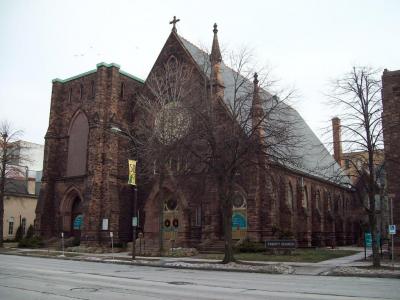

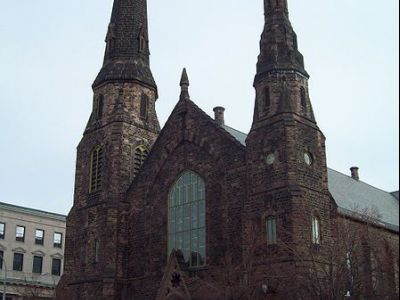
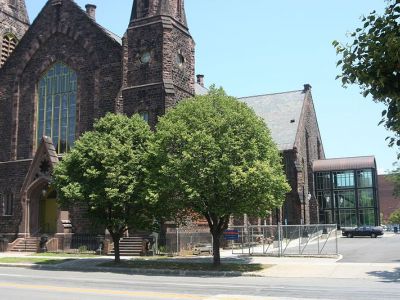
Walking Tours in Buffalo, New York

Create Your Own Walk in Buffalo
Creating your own self-guided walk in Buffalo is easy and fun. Choose the city attractions that you want to see and a walk route map will be created just for you. You can even set your hotel as the start point of the walk.
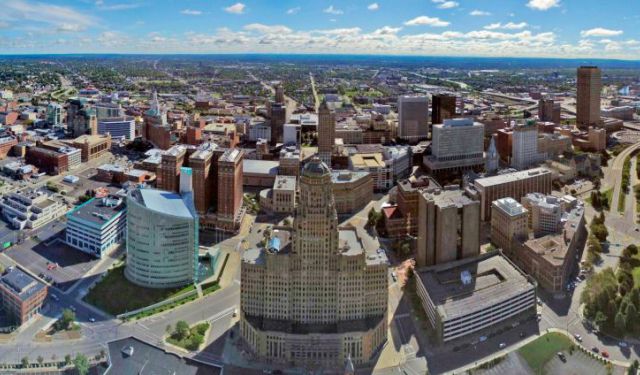
Buffalo Downtown Walking Tour
Buffalo is the largest city in Western New York and the state's second-largest city. Because of its location on the Niagaras River and the western end of Lake Erie, it has been a center of commerce for generations. The earliest settlers were members of the Iroquois nation and French settlers in the 17th and 18th centuries.
In the 19th century, the Erie Canal's construction brought in... view more
Tour Duration: 2 Hours
Travel Distance: 3.3 Km or 2.1 Miles
In the 19th century, the Erie Canal's construction brought in... view more
Tour Duration: 2 Hours
Travel Distance: 3.3 Km or 2.1 Miles
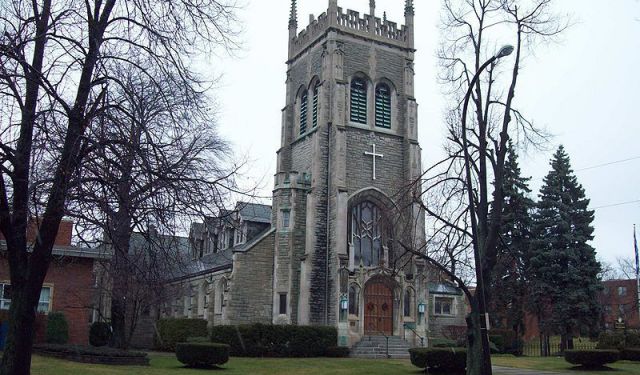
Discover Buffalo's Historical Churches on Foot
Be it for the British and French colonialism or the result of missionary work, today Christianity remains the prevalent religion in Buffalo, New York. The city itself, home to some of the most famous Gothic churches in the US, is long considered a great destination to admire religious architecture and its magical spiritual beauty.
Among the notable landmarks here is Saint Paul's Episcopal... view more
Tour Duration: 2 Hours
Travel Distance: 3.4 Km or 2.1 Miles
Among the notable landmarks here is Saint Paul's Episcopal... view more
Tour Duration: 2 Hours
Travel Distance: 3.4 Km or 2.1 Miles
City Walks Overview
