

Tokugawaen, Nagoya
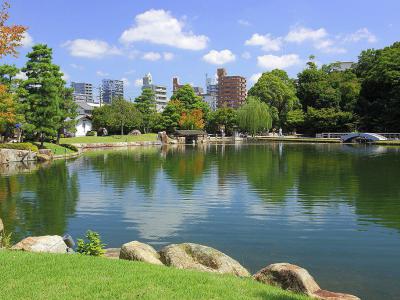
The Tokugawa Garden, located in Nagoya, is a renowned Japanese garden adjacent to the Tokugawa Art Museum. This historical garden traces its origins back to the early Edo period (1603-1867), when Tokugawa Mitsutomo (1625-1700), the second lord of the Owari branch of the Tokugawa clan, established the Ōzone Shimoyashiki residence. Following his death, the property was managed by his three retainers' families until it reverted to the Owari Tokugawa clan during the Meiji Restoration in 1867.
In 1931, Tokugawa Yoshichika (1886-1976), the 19th head of the Tokugawa family, donated 23,000 square meters of property, including family treasures, to Nagoya, leading to the creation of the Owari Tokugawa Reimeikai Foundation. The garden opened in 1932, and the art museum followed in 1935. During World War II, the garden was nearly destroyed, except for the Kuro-mon (Black Gate). Extensive renovations marked the museum's 50th anniversary in 1985. In 2004, the garden was rebuilt to reflect modern samurai culture with a stroll-style pond for serenity.
The Tokugawa Garden boasts a large central pond surrounded by waterfalls, promenades, tea houses, and bridges. It is renowned for its seasonal floral displays, including Japanese Apricot, peony, iris, and maple. Visitors can also enjoy a variety of other plants such as winter camellia, Japanese witch-hazel, peach trees, azalea, rhododendron, gardenia, and many more, creating a vibrant and colorful landscape throughout the year.
The entrance through the Kuro-mon gate, made of wood with a gable roof, offers a historical touch to the garden experience. Adjacent to the garden, the Hōsa Library houses valuable historical materials and documents related to the Owari Tokugawa family, further enriching the cultural significance of the site.
In 1931, Tokugawa Yoshichika (1886-1976), the 19th head of the Tokugawa family, donated 23,000 square meters of property, including family treasures, to Nagoya, leading to the creation of the Owari Tokugawa Reimeikai Foundation. The garden opened in 1932, and the art museum followed in 1935. During World War II, the garden was nearly destroyed, except for the Kuro-mon (Black Gate). Extensive renovations marked the museum's 50th anniversary in 1985. In 2004, the garden was rebuilt to reflect modern samurai culture with a stroll-style pond for serenity.
The Tokugawa Garden boasts a large central pond surrounded by waterfalls, promenades, tea houses, and bridges. It is renowned for its seasonal floral displays, including Japanese Apricot, peony, iris, and maple. Visitors can also enjoy a variety of other plants such as winter camellia, Japanese witch-hazel, peach trees, azalea, rhododendron, gardenia, and many more, creating a vibrant and colorful landscape throughout the year.
The entrance through the Kuro-mon gate, made of wood with a gable roof, offers a historical touch to the garden experience. Adjacent to the garden, the Hōsa Library houses valuable historical materials and documents related to the Owari Tokugawa family, further enriching the cultural significance of the site.
Want to visit this sight? Check out these Self-Guided Walking Tours in Nagoya. Alternatively, you can download the mobile app "GPSmyCity: Walks in 1K+ Cities" from Apple App Store or Google Play Store. The app turns your mobile device to a personal tour guide and it works offline, so no data plan is needed when traveling abroad.
Download The GPSmyCity App



Tokugawaen on Map
Sight Name: Tokugawaen
Sight Location: Nagoya, Japan (See walking tours in Nagoya)
Sight Type: Attraction/Landmark
Sight Location: Nagoya, Japan (See walking tours in Nagoya)
Sight Type: Attraction/Landmark
Nearby Sights



Walking Tours in Nagoya, Japan

Create Your Own Walk in Nagoya
Creating your own self-guided walk in Nagoya is easy and fun. Choose the city attractions that you want to see and a walk route map will be created just for you. You can even set your hotel as the start point of the walk.
Nagoya City Center Walking Tour
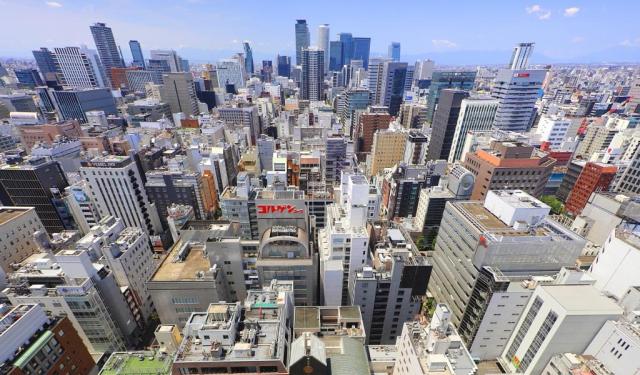
Nagoya, Japan’s fourth-largest city, is the industrial and cultural center of the Chūbu region. Situated on the Pacific coast of central Honshu, the city has a rich history shaped by its important roles in both feudal and modern Japan. The name “Nagoya” is sometimes associated with nagoyaka, a Japanese word conveying a sense of peace or tranquility.
The wider area has been inhabited... view more
Tour Duration: 2 Hours
Travel Distance: 3.5 Km or 2.2 Miles
The wider area has been inhabited... view more
Tour Duration: 2 Hours
Travel Distance: 3.5 Km or 2.2 Miles
Nagoya Castle Walking Tour
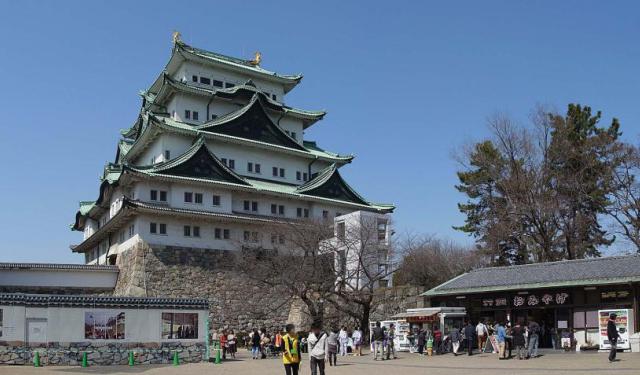
Nagoya Castle, constructed in 1612, was the center of one of Japan's most important transportation hubs, located at the junction of two of the country's five major highways. The castle became a symbol of modern Nagoya in 1930 when it was designated a National Treasure. Partially destroyed by air raids during World War II in 1945, it has been under reconstruction since 1957.
The castle... view more
Tour Duration: 1 Hour
Travel Distance: 2.2 Km or 1.4 Miles
The castle... view more
Tour Duration: 1 Hour
Travel Distance: 2.2 Km or 1.4 Miles
Useful Travel Guides for Planning Your Trip

Fushimi - Sakae Pub Crawl of Nagoya
This crawl runs through Fushimi and Sakae, the down town area of Nagoya. It is a real mixed bag and every establishment has a different vibe and (more importantly) menu. All of the bars are gaijin friendly and each would be a decent place to have a...
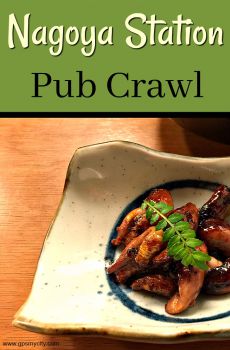
Nagoya Station Pub Crawl
This crawl takes you through the centre of Nagoya, locally known as Mei Eki. This is a very cosmopolitan area where drunken salary-men rub shoulders with drunken gaijin. On this list is a selection of different British pubs and bars, just in case you’re hankering for a Guinness and a decent spot...