

Toompea Hill, Tallinn (must see)
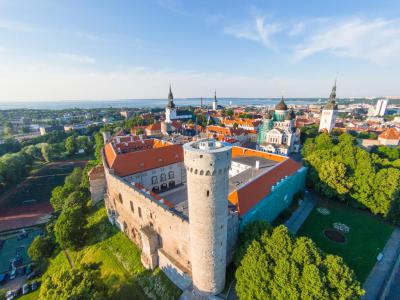
Rising about 20 to 30 meters above the surrounding city, Toompea Hill has long been the political and symbolic center of Tallinn. This limestone plateau has served as a defensive stronghold since medieval times, its elevated position offering both protection and wide views over the harbor and surrounding lands. In Estonian mythology, the hill is said to be the burial mound of the legendary king Kalev, raised by his wife Linda, whose tears are believed to have formed nearby Lake Ülemiste.
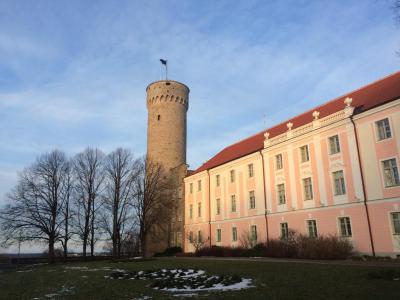
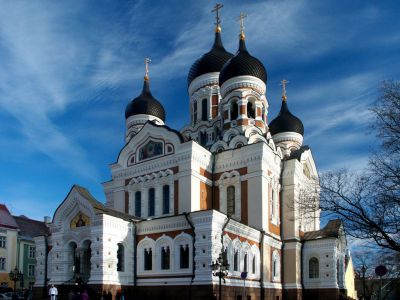
At the heart of the hill stands Toompea Castle, now home to Estonia’s parliament. The castle incorporates medieval foundations with later Baroque additions, including its distinctive pink façade completed in the 18th century. Rising above it is the Tall Hermann Tower, first built in the 14th century and still used for the daily raising and lowering of the Estonian flag. Nearby, the ornate Alexander Nevsky Cathedral adds a contrasting architectural presence with its 19th-century Russian Orthodox design.
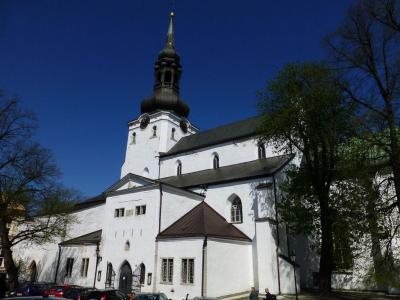
Walking through Toompea, the setting feels more formal and contained than the lower town. Streets are lined with government buildings, embassies, and historic residences. Saint Mary's Cathedral, dating back to the 13th century and one of the oldest churches in Estonia, survived a major fire in 1684 that reshaped much of the hill. Inside, medieval coats of arms and memorials reflect centuries of noble influence and religious life.
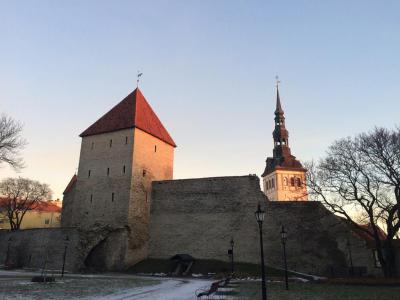
Along the edges of the hill, several viewpoints open out across the city. These vantage points highlight the historic divide between the upper town and the merchant quarters below, while also offering one of the most complete views of Tallinn’s layout.
At the heart of the hill stands Toompea Castle, now home to Estonia’s parliament. The castle incorporates medieval foundations with later Baroque additions, including its distinctive pink façade completed in the 18th century. Rising above it is the Tall Hermann Tower, first built in the 14th century and still used for the daily raising and lowering of the Estonian flag. Nearby, the ornate Alexander Nevsky Cathedral adds a contrasting architectural presence with its 19th-century Russian Orthodox design.
Walking through Toompea, the setting feels more formal and contained than the lower town. Streets are lined with government buildings, embassies, and historic residences. Saint Mary's Cathedral, dating back to the 13th century and one of the oldest churches in Estonia, survived a major fire in 1684 that reshaped much of the hill. Inside, medieval coats of arms and memorials reflect centuries of noble influence and religious life.
Along the edges of the hill, several viewpoints open out across the city. These vantage points highlight the historic divide between the upper town and the merchant quarters below, while also offering one of the most complete views of Tallinn’s layout.
Want to visit this sight? Check out these Self-Guided Walking Tours in Tallinn. Alternatively, you can download the mobile app "GPSmyCity: Walks in 1K+ Cities" from Apple App Store or Google Play Store. The app turns your mobile device to a personal tour guide and it works offline, so no data plan is needed when traveling abroad.
Download The GPSmyCity App



Toompea Hill on Map
Sight Name: Toompea Hill
Sight Location: Tallinn, Estonia (See walking tours in Tallinn)
Sight Type: Attraction/Landmark
Guide(s) Containing This Sight:
Sight Location: Tallinn, Estonia (See walking tours in Tallinn)
Sight Type: Attraction/Landmark
Guide(s) Containing This Sight:
Nearby Sights
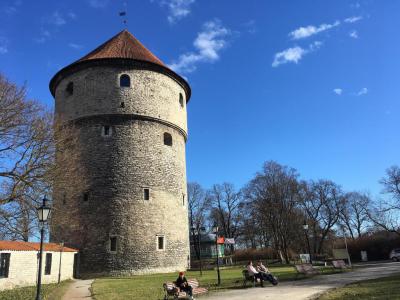
Walking Tours in Tallinn, Estonia

Create Your Own Walk in Tallinn
Creating your own self-guided walk in Tallinn is easy and fun. Choose the city attractions that you want to see and a walk route map will be created just for you. You can even set your hotel as the start point of the walk.
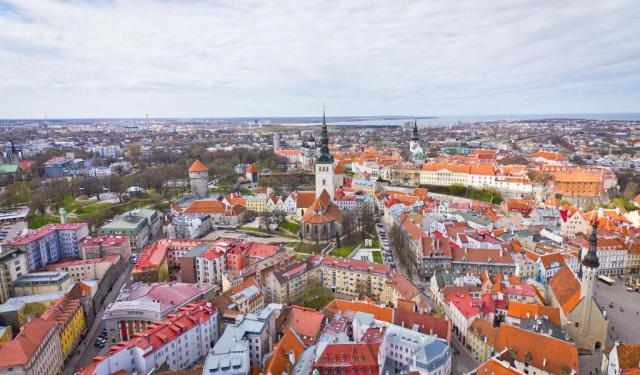
Tallinn Old Town Walking Tour
Tallinn, the capital of Estonia, has a history shaped by trade, conquest, and its strategic position along the Baltic Sea. The area has been inhabited since at least the second millennium BC, but it began to emerge as a significant settlement in the early medieval period. By the 12th century, it was known as a trading hub frequented by Scandinavian and Rus’ merchants, drawn by its sheltered... view more
Tour Duration: 3 Hour(s)
Travel Distance: 4.3 Km or 2.7 Miles
Tour Duration: 3 Hour(s)
Travel Distance: 4.3 Km or 2.7 Miles
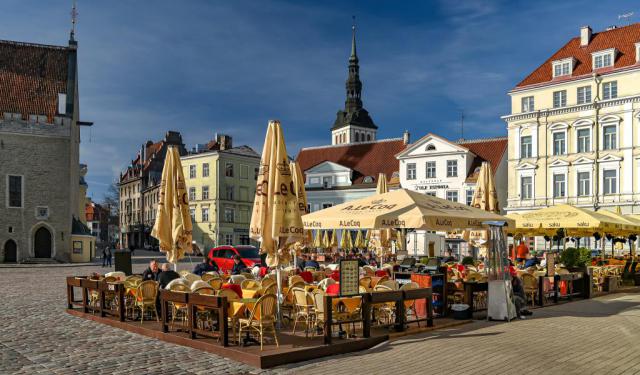
Tallinn Medieval Old Town
In medieval Tallinn, fortunes were not built by kings, but by merchants, men who believed trade could connect worlds separated by sea and distance.
Tallinn’s Medieval Old Town stands as one of the best-preserved urban ensembles in Northern Europe. Its origins trace back to at least the early medieval period, when a settlement grew around a natural harbor that attracted Scandinavian and... view more
Tour Duration: 2 Hour(s)
Travel Distance: 2.1 Km or 1.3 Miles
Tallinn’s Medieval Old Town stands as one of the best-preserved urban ensembles in Northern Europe. Its origins trace back to at least the early medieval period, when a settlement grew around a natural harbor that attracted Scandinavian and... view more
Tour Duration: 2 Hour(s)
Travel Distance: 2.1 Km or 1.3 Miles
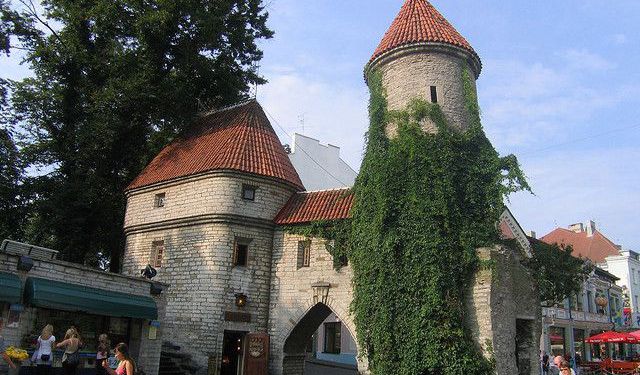
Tallinn Old Towers and Gates
Once Europe's greatest fortified city, Tallinn had 46 defense towers and approximately 4 kilometers of surrounding walls. Today, there are 26 towers and about 2 kilometers of walls still in place, making the Old Town of Tallinn one of the best-preserved systems of medieval fortifications in Europe.
Upon entering the district through the Viru Gate, whose two picturesque, ivy-covered towers... view more
Tour Duration: 2 Hour(s)
Travel Distance: 2.8 Km or 1.7 Miles
Upon entering the district through the Viru Gate, whose two picturesque, ivy-covered towers... view more
Tour Duration: 2 Hour(s)
Travel Distance: 2.8 Km or 1.7 Miles