Custom Walk in Brno, Czech Republic by marketafabikova_d5fe5 created on 2025-05-05
Guide Location: Czech Republic » Brno
Guide Type: Custom Walk
# of Sights: 7
Tour Duration: 1 Hour(s)
Travel Distance: 2.4 Km or 1.5 Miles
Share Key: F5ZGW
Guide Type: Custom Walk
# of Sights: 7
Tour Duration: 1 Hour(s)
Travel Distance: 2.4 Km or 1.5 Miles
Share Key: F5ZGW
How It Works
Please retrieve this walk in the GPSmyCity app. Once done, the app will guide you from one tour stop to the next as if you had a personal tour guide. If you created the walk on this website or come to the page via a link, please follow the instructions below to retrieve the walk in the app.
Retrieve This Walk in App
Step 1. Download the app "GPSmyCity: Walks in 1K+ Cities" on Apple App Store or Google Play Store.



Step 2. In the GPSmyCity app, download(or launch) the guide "Brno Map and Walking Tours".
Step 3. Tap the menu button located at upper right corner of the "Walks" screen and select "Retrieve custom walk". Enter the share key: F5ZGW
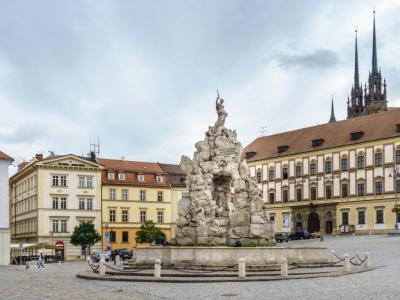
1) Zelný Trh (Vegetable Market Square) and Parnas Fountain
Vegetable Market Square is a traditional marketplace in the historical center of Brno. It first opened in 1190, before Brno was established. It was a general market before it focused on fruits and vegetables. The market has been in continuous use since its opening.
Vegetable Market Square offers shops selling vegetables, fruit, flowers, baked goods, cheese, spices, and other food items. There are also several restaurants and food carts in the square.
Along with shopping, many landmarks are located in and around Vegetable Market Square. Visitors will find easy access to Dietrichstein Palace and the Moravian Museum. They will also see the Reduta Theatre, the oldest theatre building in Central Europe. Tourists enjoy the Labyrinth under the Vegetable Market, a unique system of underground passages and cellars from the Middle Ages.
The Vegetable Market Square houses a monumental Parnas Fountain. The Baroque-style fountain was placed in the square in 1695. It was designed by Austrian architect Johann Bernhard Fischer von Erlach and built by Austrian sculptor Adam Tobias Kracker.
The basin of the fountain supports a six-pointed layout which serves as a base for imitation rocks with caves. There are mythical figures, including Heracles leading the three-headed dog Cerberus on a chain. The work is one of the most valuable monuments of Baroque sculpture in Brno.
Vegetable Market Square offers shops selling vegetables, fruit, flowers, baked goods, cheese, spices, and other food items. There are also several restaurants and food carts in the square.
Along with shopping, many landmarks are located in and around Vegetable Market Square. Visitors will find easy access to Dietrichstein Palace and the Moravian Museum. They will also see the Reduta Theatre, the oldest theatre building in Central Europe. Tourists enjoy the Labyrinth under the Vegetable Market, a unique system of underground passages and cellars from the Middle Ages.
The Vegetable Market Square houses a monumental Parnas Fountain. The Baroque-style fountain was placed in the square in 1695. It was designed by Austrian architect Johann Bernhard Fischer von Erlach and built by Austrian sculptor Adam Tobias Kracker.
The basin of the fountain supports a six-pointed layout which serves as a base for imitation rocks with caves. There are mythical figures, including Heracles leading the three-headed dog Cerberus on a chain. The work is one of the most valuable monuments of Baroque sculpture in Brno.
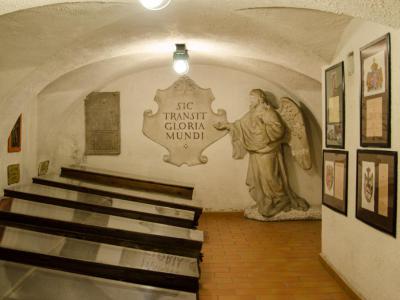
2) Capuchin Monastery and Vault
The Capuchin Vault is a crypt in the basement of the Capuchin Monastery, founded in the mid-17th century. It is a funeral room mainly for Capuchin friars.
The Capuchins viewed coffins as a luxury not afforded to them due to their vow of poverty. Therefore, the bodies were simply placed in the crypt. Due to the conditions of the basement, the bodies were mummified. They are used in scientific studies and may be viewed by tourists.
One of the bodies in the Capuchin Crypt is that of Saint Clementaine. She was a Roman noblewoman. Her remains and some of her relics rest near the entrance.
Reaching the crypt requires navigating narrow passageways that also offer views of the bodies of dignitaries. One notable corpse shows a body frozen in fear with a note, showing that she was accidentally buried alive. Above the crypt is an etched warning written in Czech. It states, "As you are now, we once were; as we are now, you shall be."
The Capuchins viewed coffins as a luxury not afforded to them due to their vow of poverty. Therefore, the bodies were simply placed in the crypt. Due to the conditions of the basement, the bodies were mummified. They are used in scientific studies and may be viewed by tourists.
One of the bodies in the Capuchin Crypt is that of Saint Clementaine. She was a Roman noblewoman. Her remains and some of her relics rest near the entrance.
Reaching the crypt requires navigating narrow passageways that also offer views of the bodies of dignitaries. One notable corpse shows a body frozen in fear with a note, showing that she was accidentally buried alive. Above the crypt is an etched warning written in Czech. It states, "As you are now, we once were; as we are now, you shall be."
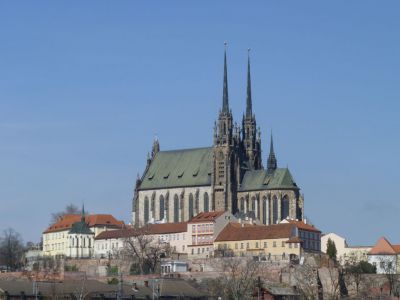
3) Katedrála Sv. Petra a Pavla (Cathedral of St. Peter and Paul) (must see)
The Cathedral of Saint Peter and Paul is a Roman Catholic cathedral and parish church located on Petrov hill in Brno. It is more commonly referred to as "Petrov" by locals. The cathedral that stands today was built in the late 17th century with many additions and renovations undergone over the years.
Some historical records show churches on the site of Petrov since the 12th century. The first was a Romanesque chapel built in 1140. The next was a Romanesque and Gothic church dedicated to Saint Peter in 1230. A new religious edifice dedicated to Saint Peter and Saint Paul was erected in the 15th century. It burned in 1643 during the Thirty Years War.
The exterior of the Cathedral of Saint Peter and Paul was designed in the Gothic Revival style by architect Frantisek Benedikt Klicnik. The towers, standing at more than 275 feet, were added in 1909. They were designed by architect August Kirstein.
The interior was designed by architect Moric Grimm in the late 18th century. Most of the Baroque features remain in place today. Gothic work on the interior was added by architects August Prokop and K. Woresch in the late 19th century. They added a chapel and presbytery, a high altar with carved scenes of the twelve apostles, and the crucifixion designed by Viennese sculptor Josef Leimer.
The cathedral bells ring at 11 AM rather than noon as a nod to the Thirty Years' War. During that war, the Swedes stated they would end the attack if they had not taken the city by midday on August 15. The church bells rang an hour early to put an end to the siege. They have continued to ring early since then.
Some historical records show churches on the site of Petrov since the 12th century. The first was a Romanesque chapel built in 1140. The next was a Romanesque and Gothic church dedicated to Saint Peter in 1230. A new religious edifice dedicated to Saint Peter and Saint Paul was erected in the 15th century. It burned in 1643 during the Thirty Years War.
The exterior of the Cathedral of Saint Peter and Paul was designed in the Gothic Revival style by architect Frantisek Benedikt Klicnik. The towers, standing at more than 275 feet, were added in 1909. They were designed by architect August Kirstein.
The interior was designed by architect Moric Grimm in the late 18th century. Most of the Baroque features remain in place today. Gothic work on the interior was added by architects August Prokop and K. Woresch in the late 19th century. They added a chapel and presbytery, a high altar with carved scenes of the twelve apostles, and the crucifixion designed by Viennese sculptor Josef Leimer.
The cathedral bells ring at 11 AM rather than noon as a nod to the Thirty Years' War. During that war, the Swedes stated they would end the attack if they had not taken the city by midday on August 15. The church bells rang an hour early to put an end to the siege. They have continued to ring early since then.
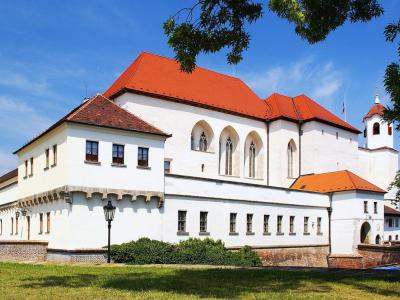
4) Špilberk Castle (must see)
Spilberk Castle is a castle and citadel from the 13th century. Its construction began under the Premyslid kings, a Bohemian royal dynasty, and was completed by King Ottokar II of Bohemia.
The royal castle was eventually used as a fortification and later became a prison. Spilberk Castle was known as the harshest prison in all of the Austrian Empire. It was first used to imprison Protestants, then became the place for revolutionaries and other political prisoners.
The prison was dissolved in 1855 by Emperor Franz Joseph I. Once the prisoners had all been moved out, it was converted into barracks. However, it served again as a prison during World War II. Civilian objectors and prisoners of war were held in the castle until they were either put to death or sent to Nazi concentration camps.
Spilberk Castle left its dark history behind in 1959 when it became the seat of the Brno City Museum. A permanent exhibit shows the castle's history from its time as a fortress to its tenure as a prison. The history of Brno is also on display. Other permanent exhibits include medicinal research of the region, architecture, and a showcase on fireworks and pyrotechnics.
The castle has a restored lapidarium where stone monuments are displayed. The lapidarium is only available via guided tours. Visitors will also enjoy the Lookout Tower. This tower is the highest spot in Brno that offers a 360-degree view of the city. Visitors should note that the spiral staircase has more than 100 steps to reach the top.
The royal castle was eventually used as a fortification and later became a prison. Spilberk Castle was known as the harshest prison in all of the Austrian Empire. It was first used to imprison Protestants, then became the place for revolutionaries and other political prisoners.
The prison was dissolved in 1855 by Emperor Franz Joseph I. Once the prisoners had all been moved out, it was converted into barracks. However, it served again as a prison during World War II. Civilian objectors and prisoners of war were held in the castle until they were either put to death or sent to Nazi concentration camps.
Spilberk Castle left its dark history behind in 1959 when it became the seat of the Brno City Museum. A permanent exhibit shows the castle's history from its time as a fortress to its tenure as a prison. The history of Brno is also on display. Other permanent exhibits include medicinal research of the region, architecture, and a showcase on fireworks and pyrotechnics.
The castle has a restored lapidarium where stone monuments are displayed. The lapidarium is only available via guided tours. Visitors will also enjoy the Lookout Tower. This tower is the highest spot in Brno that offers a 360-degree view of the city. Visitors should note that the spiral staircase has more than 100 steps to reach the top.
5) Špilberk Park
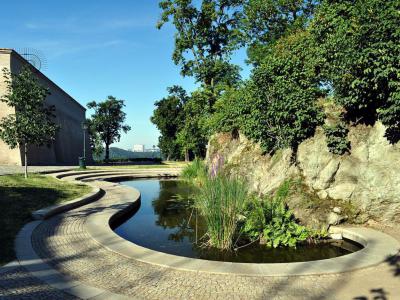
Špilberk Park, located in Brno, is a vast and verdant area situated on the hill beneath the historic Špilberk Castle. This park is one of Brno's most significant green spaces, offering a rich variety of trees and plants that provide a tranquil environment for visitors. It is a beloved spot among locals, who frequent the park for relaxation and leisure activities.
The park is interwoven with paths that lead up to Špilberk Castle, which stands as a central landmark. The journey to the castle involves climbing a steep hill, surrounded by mature trees, offering scenic views and a sense of immersion in nature. Among the various routes to the castle, the one from Šilinger Square, along Pellicova Street, is particularly notable. This street is named after the renowned Italian poet Pellico, who was once imprisoned in Špilberk Castle.
Špilberk Park is more than just a natural retreat; it is also home to several interesting attractions. On the southern slope, visitors can enjoy an outdoor gym and a children's playground at the base of the hill. As one ascends, one encounters a remarkable sculpture of the local poet Jan Skácel, created by artist Jiří Sobotka. This oversized sculpture, made of steel tubes, allows visitors to symbolically see the Old Brno neighborhood through the poet's eyes.
Further up the southern slope, a lookout gazebo from 1885 offers panoramic views of the city, and nearby, a pétanque court invites friendly competition. The park's north-western edge is marked by the gilded cupola of the Orthodox Church of Saint Wenceslas, located near another playground.
Špilberk Park also honors significant historical and cultural figures. On the northern slope, there is a memorial to Christian d’Elvert, the park's founder, as well as a memorial to the local composer and choirmaster Pavel Křížkovský. Additionally, on the eastern slope stands a memorial dedicated to the Italian Carbonari, revolutionaries who were imprisoned at Špilberk Castle during the 19th century when it was known as the "prison of nations."
The park is interwoven with paths that lead up to Špilberk Castle, which stands as a central landmark. The journey to the castle involves climbing a steep hill, surrounded by mature trees, offering scenic views and a sense of immersion in nature. Among the various routes to the castle, the one from Šilinger Square, along Pellicova Street, is particularly notable. This street is named after the renowned Italian poet Pellico, who was once imprisoned in Špilberk Castle.
Špilberk Park is more than just a natural retreat; it is also home to several interesting attractions. On the southern slope, visitors can enjoy an outdoor gym and a children's playground at the base of the hill. As one ascends, one encounters a remarkable sculpture of the local poet Jan Skácel, created by artist Jiří Sobotka. This oversized sculpture, made of steel tubes, allows visitors to symbolically see the Old Brno neighborhood through the poet's eyes.
Further up the southern slope, a lookout gazebo from 1885 offers panoramic views of the city, and nearby, a pétanque court invites friendly competition. The park's north-western edge is marked by the gilded cupola of the Orthodox Church of Saint Wenceslas, located near another playground.
Špilberk Park also honors significant historical and cultural figures. On the northern slope, there is a memorial to Christian d’Elvert, the park's founder, as well as a memorial to the local composer and choirmaster Pavel Křížkovský. Additionally, on the eastern slope stands a memorial dedicated to the Italian Carbonari, revolutionaries who were imprisoned at Špilberk Castle during the 19th century when it was known as the "prison of nations."
6) Labyrinth under Vegetable Market
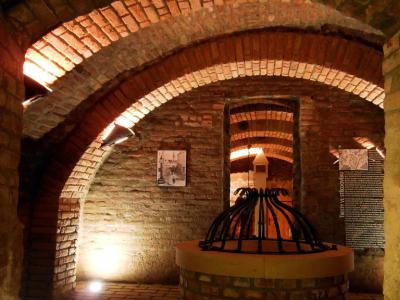
The Labyrinth under the Vegetable Market is a series of underground passages beneath the Vegetable Market Square in Brno. It consists of corridors and cellars that date as far back as the Middle Ages.
Initially, the Labyrinth was used for the grocers who sold their wares at the Vegetable Market. The chilly atmosphere was ideal for keeping fruit and vegetables fresh. The Labyrinth was also utilized for brewing beer and aging wine. During wartime, the cellars served as a shelter from heavy artillery.
The passages were not all connected until 2009 when they underwent reconstruction. They opened to the public in 2011. Tourists should note that there are 221 steps required to reach the Labyrinth from the street level. Once they arrive, they will see displays that show old taverns, archaeological findings, and replicas of the pillory and stockades that once sat in the Vegetable Market Square.
Initially, the Labyrinth was used for the grocers who sold their wares at the Vegetable Market. The chilly atmosphere was ideal for keeping fruit and vegetables fresh. The Labyrinth was also utilized for brewing beer and aging wine. During wartime, the cellars served as a shelter from heavy artillery.
The passages were not all connected until 2009 when they underwent reconstruction. They opened to the public in 2011. Tourists should note that there are 221 steps required to reach the Labyrinth from the street level. Once they arrive, they will see displays that show old taverns, archaeological findings, and replicas of the pillory and stockades that once sat in the Vegetable Market Square.
7) The Old Town Hall (must see)
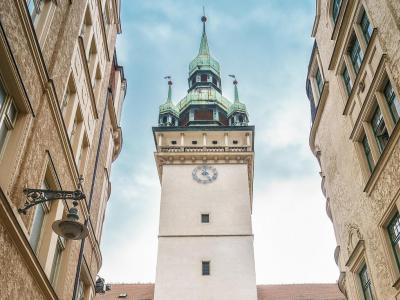
The Old Town Hall is a building in Brno's historical center. While it previously served as a home for public meetings, it is now a cultural center. The Old Town Hall has an art gallery, history exhibit, and information center.
The building is the oldest secular edifice in Brno that is still standing. The original structure, built in 1240, was greatly expanded during the 15th century, with new additions steadily constructed from 1577 through 1905. It ceased its use as a town hall in 1935. Most of the construction and details use the Gothic architecture style by Austrian architect and sculptor Anton Pilgram.
The Old Town Hall's courtyard is a venue for concerts, open-air theatres, film screenings, and festivals. The courtyard uses Renaissance arcades with early Baroque touches.
The Old Town Hall is open year-round. However, only those tourists who visit Brno from June through September may climb the 206-foot tower to see a stunning view of the city.
The building is the oldest secular edifice in Brno that is still standing. The original structure, built in 1240, was greatly expanded during the 15th century, with new additions steadily constructed from 1577 through 1905. It ceased its use as a town hall in 1935. Most of the construction and details use the Gothic architecture style by Austrian architect and sculptor Anton Pilgram.
The Old Town Hall's courtyard is a venue for concerts, open-air theatres, film screenings, and festivals. The courtyard uses Renaissance arcades with early Baroque touches.
The Old Town Hall is open year-round. However, only those tourists who visit Brno from June through September may climb the 206-foot tower to see a stunning view of the city.
