Custom Walk in Toulouse, France by solenn_levesque4_dd7de created on 2025-06-07
Guide Location: France » Toulouse
Guide Type: Custom Walk
# of Sights: 16
Tour Duration: 5 Hour(s)
Travel Distance: 11.1 Km or 6.9 Miles
Share Key: ZH8F4
Guide Type: Custom Walk
# of Sights: 16
Tour Duration: 5 Hour(s)
Travel Distance: 11.1 Km or 6.9 Miles
Share Key: ZH8F4
How It Works
Please retrieve this walk in the GPSmyCity app. Once done, the app will guide you from one tour stop to the next as if you had a personal tour guide. If you created the walk on this website or come to the page via a link, please follow the instructions below to retrieve the walk in the app.
Retrieve This Walk in App
Step 1. Download the app "GPSmyCity: Walks in 1K+ Cities" on Apple App Store or Google Play Store.



Step 2. In the GPSmyCity app, download(or launch) the guide "Toulouse Map and Walking Tours".
Step 3. Tap the menu button located at upper right corner of the "Walks" screen and select "Retrieve custom walk". Enter the share key: ZH8F4
1) Capitole de Toulouse (Toulouse City Hall) (must see)
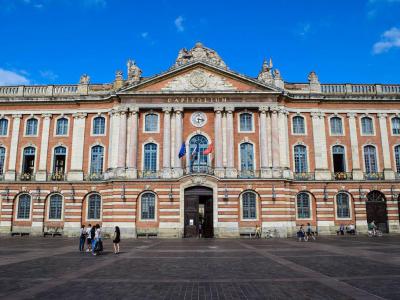
The Toulouse City Hall, commonly known simply as the Capitol, is the heart of the city’s administration.
While the site itself dates back to Roman times, the current building began construction in the 12th century. In 1096, Raymond IV, Count of Toulouse, urged by the Pope, joined the Crusades. A few wars later, the count's power was diminished. The result of that was local "notables" forming a group of consuls – also known as “capitouls” – to govern the city. The city hall was initially built to house this chapter of governing magistrates.
Throughout history, the building underwent various transformations, notably in the 19th century when its surroundings and façade were redesigned. The latter, originally completed in 1750 in a Neoclassical style using pink brick, spans 135 meters and features eight columns representing the original eight capitouls. A significant addition – the bell tower atop the donjon – was made in 1873.
A donjon is not a dungeon, but a keep – the strongest part of a castle. The Toulouse Capitol's donjon has a dark past. In 1761, it played a part in the historic case of Jean Calas, an unlucky Protestant, who was interrogated there in connection with the false accusation of murder of his Catholic son. Later, the place housed the city archives, it today serves as the tourist office.
Despite numerous renovations, some parts of the building retain their medieval ambiance. One such is the Henri IV courtyard – the site of the execution of the Duke de Montmorency, the enemy of Cardinal Richelieu. He was beheaded in 1632.
Once inside, the Hall of Illustrious must not be missed. It showcases 19th-century art, notably the paintings of Paul Gervais and Henri Martin, among others. The room is over 60 meters long and, apart from paintings, is filled with sculptures and stunning murals dedicated to the famous historical people and events of Toulouse. These include the Cathar period, the early Counts, and the sieges of Toulouse, as well as the Floral Games which were poetry competitions held in May since 1324.
Today, apart from accommodating the City Hall, the Capitol also houses the Capitol Theater Opera Company and Orchestra. The adjacent Capitol Square was redesigned in 1995 to prioritize pedestrian use.
While the site itself dates back to Roman times, the current building began construction in the 12th century. In 1096, Raymond IV, Count of Toulouse, urged by the Pope, joined the Crusades. A few wars later, the count's power was diminished. The result of that was local "notables" forming a group of consuls – also known as “capitouls” – to govern the city. The city hall was initially built to house this chapter of governing magistrates.
Throughout history, the building underwent various transformations, notably in the 19th century when its surroundings and façade were redesigned. The latter, originally completed in 1750 in a Neoclassical style using pink brick, spans 135 meters and features eight columns representing the original eight capitouls. A significant addition – the bell tower atop the donjon – was made in 1873.
A donjon is not a dungeon, but a keep – the strongest part of a castle. The Toulouse Capitol's donjon has a dark past. In 1761, it played a part in the historic case of Jean Calas, an unlucky Protestant, who was interrogated there in connection with the false accusation of murder of his Catholic son. Later, the place housed the city archives, it today serves as the tourist office.
Despite numerous renovations, some parts of the building retain their medieval ambiance. One such is the Henri IV courtyard – the site of the execution of the Duke de Montmorency, the enemy of Cardinal Richelieu. He was beheaded in 1632.
Once inside, the Hall of Illustrious must not be missed. It showcases 19th-century art, notably the paintings of Paul Gervais and Henri Martin, among others. The room is over 60 meters long and, apart from paintings, is filled with sculptures and stunning murals dedicated to the famous historical people and events of Toulouse. These include the Cathar period, the early Counts, and the sieges of Toulouse, as well as the Floral Games which were poetry competitions held in May since 1324.
Today, apart from accommodating the City Hall, the Capitol also houses the Capitol Theater Opera Company and Orchestra. The adjacent Capitol Square was redesigned in 1995 to prioritize pedestrian use.
2) Church of the Jacobins (must see)
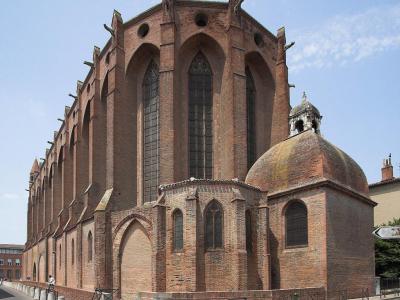
The Dominican Order had their first convent in Paris on the Saint-Jacques Street. Jaques of course, means "James" and James in Latin is "Jacobus". So the Dominicans were popularly known as "Jacobins." Saint Dominic founded his order in 1215 in Toulouse.
In 1215 the province of Occitan was home to the Cathars, a christian sect thought to be heretical. Dominic hoped to combat this heresy by establishing a preaching brotherhood of monks. In 1230 the Dominican friars began the construction of a small church in Toulouse from which to preach.
Over the centuries the church grew and expanded. A choir, side chapels and a vaulted roof were added. Saint Thomas Acquinas, a dominican monk who was canonized in 1323, was interred in the church by order of Pope Urban V in 1368. During the French Revolution the remains were moved to Saint Sernin's. They were returned in 1974.
The emperor Napoleon requisitioned the church for a barracks in 1810. The Dominicans had already been forced to leave in 1789. The inside of the church was gutted, floors were put in, stained glass windows destroyed and covered over. Popular revulsion eventually forced the Army to move out in 1861. Restoration began and the church became a museum.
The Church of the Jacobins is in the center of town. Take the metro to the Capitole station and walk west. It is a 5 minute journey by foot. There is a small entrance fee to enter the church.
In 1215 the province of Occitan was home to the Cathars, a christian sect thought to be heretical. Dominic hoped to combat this heresy by establishing a preaching brotherhood of monks. In 1230 the Dominican friars began the construction of a small church in Toulouse from which to preach.
Over the centuries the church grew and expanded. A choir, side chapels and a vaulted roof were added. Saint Thomas Acquinas, a dominican monk who was canonized in 1323, was interred in the church by order of Pope Urban V in 1368. During the French Revolution the remains were moved to Saint Sernin's. They were returned in 1974.
The emperor Napoleon requisitioned the church for a barracks in 1810. The Dominicans had already been forced to leave in 1789. The inside of the church was gutted, floors were put in, stained glass windows destroyed and covered over. Popular revulsion eventually forced the Army to move out in 1861. Restoration began and the church became a museum.
The Church of the Jacobins is in the center of town. Take the metro to the Capitole station and walk west. It is a 5 minute journey by foot. There is a small entrance fee to enter the church.
3) Basilica of Saint Sernin (must see)
The Basilica of Saint-Sernin in Toulouse is a historic church located on the site of a previous basilica of the 4th century which contained the body of Saint Sernin, the first bishop of Toulouse around the year 250. Noted for its exceptional Romanesque sculpture, the church was designated a UNESCO World Heritage Site in 1998 as part of the Routes of Saint James in France.
The original basilica, initiated by Saint Sylvius in the 4th century, was part of the Abbey of Saint Sernin and gained prominence after King Charlemagne's donation of relics, making it a key pilgrimage site.
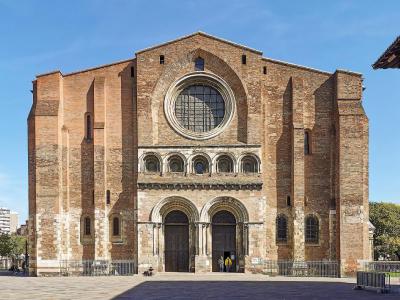
The current basilica – featuring Romanesque style – was built in the early 12th century. Its construction continued over the centuries with many fits and starts and is estimated to have comprised at least four major building undertakings. Curiously enough, 19th-century restorations are now being reversed to preserve the church's original design.
Although called “basilica”, Saint-Sernin diverges from traditional early Christian basilica plans, incorporating features of the so-called "pilgrimage plan." Notably larger than its predecessors, at 104 meters long, and predominantly built of brick, its design includes a cruciform shape and vaulted ceilings. Unlike earlier churches, Saint-Sernin features an ambulatory and radiating chapels that house important relics, allowing visitors to view them without disrupting ongoing masses.
The basilica's exterior is marked by a bell tower with Romanesque arches from the 12th century and a 15th-century spire. Key external features include the Comtes Gate and the elaborately sculpted Miegeville Gate. Internally, the vast space is structured with a barrel-vaulted nave and rib-vaulted aisles. The basilica also houses a significant Cavaillé-Coll organ, among France's most important.
Tips:
While there is no admission charge, donations are welcome.
The original basilica, initiated by Saint Sylvius in the 4th century, was part of the Abbey of Saint Sernin and gained prominence after King Charlemagne's donation of relics, making it a key pilgrimage site.
The current basilica – featuring Romanesque style – was built in the early 12th century. Its construction continued over the centuries with many fits and starts and is estimated to have comprised at least four major building undertakings. Curiously enough, 19th-century restorations are now being reversed to preserve the church's original design.
Although called “basilica”, Saint-Sernin diverges from traditional early Christian basilica plans, incorporating features of the so-called "pilgrimage plan." Notably larger than its predecessors, at 104 meters long, and predominantly built of brick, its design includes a cruciform shape and vaulted ceilings. Unlike earlier churches, Saint-Sernin features an ambulatory and radiating chapels that house important relics, allowing visitors to view them without disrupting ongoing masses.
The basilica's exterior is marked by a bell tower with Romanesque arches from the 12th century and a 15th-century spire. Key external features include the Comtes Gate and the elaborately sculpted Miegeville Gate. Internally, the vast space is structured with a barrel-vaulted nave and rib-vaulted aisles. The basilica also houses a significant Cavaillé-Coll organ, among France's most important.
Tips:
While there is no admission charge, donations are welcome.
4) Canal du Midi
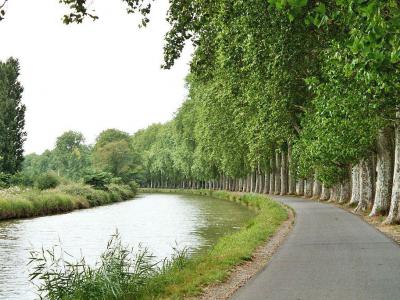
The Canal du Midi, stretching 240 km (150 miles) through Southern France, is a testament to the ambitious engineering of the 17th century. Initially named the Canal Royal en Languedoc and rebranded during the French Revolution as Canal du Midi, this historic waterway was established to enhance the wheat trade. Its construction began in 1666 under the decree of Jean-Baptiste Colbert and was meticulously overseen by Pierre-Paul Riquet, concluding in 1681 during the reign of Louis XIV.
Linking the Garonne River to the Étang de Thau on the Mediterranean, the Canal du Midi forms a critical segment of the Canal of the Two Seas (Canal des Deux Mers), which connects the Atlantic Ocean to the Mediterranean Sea. This vast network includes the Canal du Midi, the Garonne (navigable between Toulouse and Bordeaux), the later-built Garonne Lateral Canal, and extends to the Gironde estuary after Bordeaux.
The Canal du Midi specifically refers to the section running from Toulouse to the Mediterranean. A major engineering challenge was the supply of water from the Montagne Noire to the Seuil de Naurouze, the canal's highest point, a problem ingeniously solved by Riquet.
Recognized for its pioneering design and engineering, the Canal du Midi was declared a UNESCO World Heritage Site in 1996 and named an International Historic Civil Engineering Landmark in 2016. Today, it remains one of the oldest functioning canals in Europe and a symbol of innovative civil engineering.
Linking the Garonne River to the Étang de Thau on the Mediterranean, the Canal du Midi forms a critical segment of the Canal of the Two Seas (Canal des Deux Mers), which connects the Atlantic Ocean to the Mediterranean Sea. This vast network includes the Canal du Midi, the Garonne (navigable between Toulouse and Bordeaux), the later-built Garonne Lateral Canal, and extends to the Gironde estuary after Bordeaux.
The Canal du Midi specifically refers to the section running from Toulouse to the Mediterranean. A major engineering challenge was the supply of water from the Montagne Noire to the Seuil de Naurouze, the canal's highest point, a problem ingeniously solved by Riquet.
Recognized for its pioneering design and engineering, the Canal du Midi was declared a UNESCO World Heritage Site in 1996 and named an International Historic Civil Engineering Landmark in 2016. Today, it remains one of the oldest functioning canals in Europe and a symbol of innovative civil engineering.
5) Jardin Japonais (Pierre-Baudis Japanese Garden) (must see)
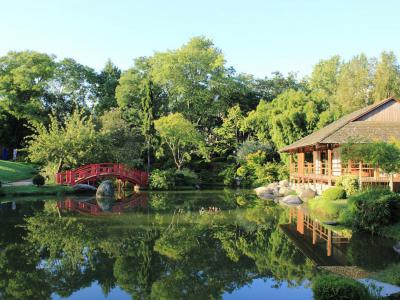
The Pierre-Baudis Japanese Garden, located in the Compans-Caffarelli district of Toulouse, is an exquisite representation of traditional Japanese landscaping. Recognized as a "remarkable garden of France," this 7,000 square meter park was established in 1981 during the mayoral tenure of Pierre Baudis, who named it after experiencing similar gardens during his travels, particularly one in Dublin. Officially bearing his name since May 11, 2016, the garden is nestled within a larger 10-hectare green space amidst the modern surroundings of the district.
This serene oasis features a variety of botanical elements typical of East Asian flora and is designed to offer a meditative experience. Inspired by the historic gardens of Kyoto from the Muromachi and Edo periods (14th to 17th centuries), the garden includes a mineral garden and is known for its symbolic elements such as Crane Island and Turtle Island, alongside nine strategically placed rocks. A central lake, a tea pavilion, and a diverse planted garden enhance its tranquility. This garden also boasts a dry waterfall, traditional Japanese steps, lanterns, and a distinctive red wooden bridge leading to an islet, allegorically representing paradise.
A notable feature of the garden is a bust of Taisen Deshimaru, a Zen master who was instrumental in establishing numerous Zen dojos across France during the 1970s. In recognition of its beauty and meticulous upkeep, the garden was awarded the National Grand Prize for Flowering in 1993. The Pierre-Baudis Japanese Garden serves not only as a cultural landmark in Toulouse but also as a peaceful retreat from the urban environment, embodying the essence of Japanese garden artistry and philosophy.
This serene oasis features a variety of botanical elements typical of East Asian flora and is designed to offer a meditative experience. Inspired by the historic gardens of Kyoto from the Muromachi and Edo periods (14th to 17th centuries), the garden includes a mineral garden and is known for its symbolic elements such as Crane Island and Turtle Island, alongside nine strategically placed rocks. A central lake, a tea pavilion, and a diverse planted garden enhance its tranquility. This garden also boasts a dry waterfall, traditional Japanese steps, lanterns, and a distinctive red wooden bridge leading to an islet, allegorically representing paradise.
A notable feature of the garden is a bust of Taisen Deshimaru, a Zen master who was instrumental in establishing numerous Zen dojos across France during the 1970s. In recognition of its beauty and meticulous upkeep, the garden was awarded the National Grand Prize for Flowering in 1993. The Pierre-Baudis Japanese Garden serves not only as a cultural landmark in Toulouse but also as a peaceful retreat from the urban environment, embodying the essence of Japanese garden artistry and philosophy.
6) Jardin Raymond VI (Raymond-VI Garden)
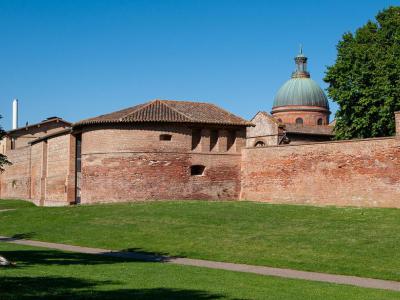
Raymond-VI Garden (Jardin Raymond VI), nestled in the Saint-Cyprien district of Toulouse, is a tranquil public garden that spans over two and a half hectares. Established in 1998 on the former site of historic slaughterhouses, the garden was transformed alongside the refurbishment of the hall Urbain Vitry into the modern art museum, Les Abattoirs. Named after Raymond VI, Count of Toulouse, who famously crossed the Garonne River at this location in 1217 upon his return from exile, the garden offers a rich blend of history and natural beauty.
The garden boasts a diverse array of flora including magnolias, maples, hornbeams, lime trees, palms, wisteria, ivy, and an iconic olive tree. A unique feature of the garden is a segment dedicated to wild plants that highlight their uses, featuring species like sweet clover, hyssop, and pastel, among others. These plants are not only visually appealing but also serve educational purposes, revealing their medicinal properties and fascinating histories.
One of the standout artistic features in the garden is Daniel Coulet’s sculpture, l'Arche, located near a scenic belvedere. This installation adds a cultural dimension to the serene landscape. The garden also features a botanical section where visitors can learn about the lore and real-life applications of various wild plants, each accompanied by engaging anecdotes.
The Raymond VI Garden is designed for relaxation and leisure, offering expansive views of the Garonne River, which can be enjoyed from a specially designed footbridge that brings visitors close to the water. The garden's proximity to Les Abattoirs Museum enriches its atmosphere; the pink brick walls of the museum occasionally serve as backdrops for photo exhibitions, enhancing the aesthetic experience.
Amenities in the garden include benches, a lush lawn, a children’s play area, and a small restaurant, making it an ideal spot for family outings. Whether it’s for a peaceful nap in the sun, a leisurely walk, or engaging with nature’s wonders, the garden provides a comprehensive recreational space for visitors of all ages. Its proximity to educational and cultural facilities makes it a favored spot among artists, students, and families alike.
The garden boasts a diverse array of flora including magnolias, maples, hornbeams, lime trees, palms, wisteria, ivy, and an iconic olive tree. A unique feature of the garden is a segment dedicated to wild plants that highlight their uses, featuring species like sweet clover, hyssop, and pastel, among others. These plants are not only visually appealing but also serve educational purposes, revealing their medicinal properties and fascinating histories.
One of the standout artistic features in the garden is Daniel Coulet’s sculpture, l'Arche, located near a scenic belvedere. This installation adds a cultural dimension to the serene landscape. The garden also features a botanical section where visitors can learn about the lore and real-life applications of various wild plants, each accompanied by engaging anecdotes.
The Raymond VI Garden is designed for relaxation and leisure, offering expansive views of the Garonne River, which can be enjoyed from a specially designed footbridge that brings visitors close to the water. The garden's proximity to Les Abattoirs Museum enriches its atmosphere; the pink brick walls of the museum occasionally serve as backdrops for photo exhibitions, enhancing the aesthetic experience.
Amenities in the garden include benches, a lush lawn, a children’s play area, and a small restaurant, making it an ideal spot for family outings. Whether it’s for a peaceful nap in the sun, a leisurely walk, or engaging with nature’s wonders, the garden provides a comprehensive recreational space for visitors of all ages. Its proximity to educational and cultural facilities makes it a favored spot among artists, students, and families alike.
7) Hôpital de La Grave (La Grave Hospital)
Grave (French greve) refers to the color of the sand along the banks of the Garonne where the hospital was built. There has always been a hospital at this location since 1197. The hospital was first established to treat victims of the plague. There were many plagues to come, including the "Black Death" of 1349. The record of treatment was spotty at best.
In the hopes of success from above the name of the hospital was changed to Saint Sebastien. One of Saint Sebastien's attributes or powers was anti-plague. This didn't work as hoped. In 1628 everybody, including the staff, died. The City took advantage of this to disinfect the hospital. Not only that, the Pope renamed it for Saint Joseph.
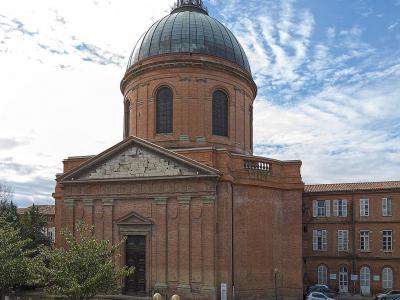
To get to the La Grave Hospital, one may cross over the Saint Pierre Bridge to the courtyard and the Chapel Saint Joseph. The Chapel Saint Joseph was built of red brick in the 18th century. Its red walls may be seen from almost any place in the City. Saint Joseph is the patron saint of carpenters. The guilds set up trade schools here.
In the hopes of success from above the name of the hospital was changed to Saint Sebastien. One of Saint Sebastien's attributes or powers was anti-plague. This didn't work as hoped. In 1628 everybody, including the staff, died. The City took advantage of this to disinfect the hospital. Not only that, the Pope renamed it for Saint Joseph.
To get to the La Grave Hospital, one may cross over the Saint Pierre Bridge to the courtyard and the Chapel Saint Joseph. The Chapel Saint Joseph was built of red brick in the 18th century. Its red walls may be seen from almost any place in the City. Saint Joseph is the patron saint of carpenters. The guilds set up trade schools here.
8) Quai de la Daurade (Daurade Quay) (must see)
The Daurade Quay in Toulouse is steeped in historical significance. It is derived largely from its connection to the Benedictine priory of the Daurade which had been there since the 9th century. Originally, the area included the priory’s lands, such as the cemetery of the Counts and the adjoining gardens that sloped down towards the Garonne River.
Development of the quay area commenced in 1766, encouraged by the Archbishop of Toulouse. The construction faced resistance from the Benedictines but progressed nonetheless. By 1777, the major construction work neared completion with key modifications including the addition, relocation, and reconstruction of some notable architectural elements such as the statue of Christ, the bust of Louis XIV, and various sculpted emblems.
During the French Revolution in 1794, the quay was briefly renamed Rousseau Quay, and the local church was desecrated. By the 19th century, better heads prevailed and the church regained its spiritual destiny becoming the Basilica of Notre Dame de La Daurada. Today, it is celebrated as the home of the Black Madonna (a painted wooden bust of the Holy Virgin dressed up to look like a full-size statue).
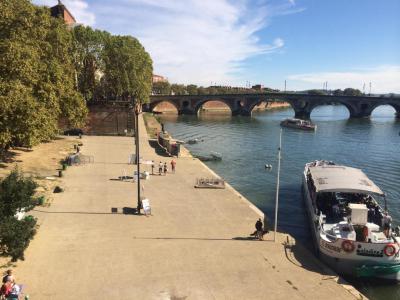
During the same period, the quay transitioned from a monastic site to a vibrant public space integral to Toulouse’s cultural and social fabric. In 1892, the School of Arts moved to the former Tobacco factory on the quay and was inaugurated in 1895 as the Palace of Arts and Sciences. Additionally, the quay has become a beloved walking area, known for its scenic views and historical cafes, such as Café des Pyrénées and Café Bellevue, opened in 1920 and 1935, respectively.
While walking on the Henri Martin promenade along the quay, feel free to descend the steps to the river and take a cruise. Boat tours are available in the mornings and afternoons. Also, see the finely engineered New Bridge, erected in 1632, the only bridge in town consistently impervious to the Garonne's ravaging floods.
Development of the quay area commenced in 1766, encouraged by the Archbishop of Toulouse. The construction faced resistance from the Benedictines but progressed nonetheless. By 1777, the major construction work neared completion with key modifications including the addition, relocation, and reconstruction of some notable architectural elements such as the statue of Christ, the bust of Louis XIV, and various sculpted emblems.
During the French Revolution in 1794, the quay was briefly renamed Rousseau Quay, and the local church was desecrated. By the 19th century, better heads prevailed and the church regained its spiritual destiny becoming the Basilica of Notre Dame de La Daurada. Today, it is celebrated as the home of the Black Madonna (a painted wooden bust of the Holy Virgin dressed up to look like a full-size statue).
During the same period, the quay transitioned from a monastic site to a vibrant public space integral to Toulouse’s cultural and social fabric. In 1892, the School of Arts moved to the former Tobacco factory on the quay and was inaugurated in 1895 as the Palace of Arts and Sciences. Additionally, the quay has become a beloved walking area, known for its scenic views and historical cafes, such as Café des Pyrénées and Café Bellevue, opened in 1920 and 1935, respectively.
While walking on the Henri Martin promenade along the quay, feel free to descend the steps to the river and take a cruise. Boat tours are available in the mornings and afternoons. Also, see the finely engineered New Bridge, erected in 1632, the only bridge in town consistently impervious to the Garonne's ravaging floods.
9) Pont Neuf (New Bridge) (must see)
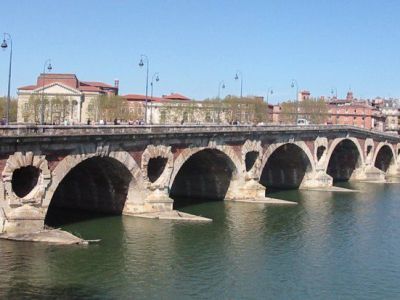
The New Bridge in Toulouse, otherwise known as the Big or Stone Bridge, is a historically significant structure dating back over 400 years. Its construction began in 1544 and concluded in 1632, spanning almost a century of work marked by challenges such as the Garonne River's violent floods and unstable subsoil. The project was initiated by King Francis I of France, who recognized the strategic threat from the Spanish King Charles V during that period. He considered it vital to have an overpass for quickly moving defending armies across the Garonne in any weather or season.
The New Bridge replaced the Daurade Bridge which provided a link between the pilgrim hospital of Saint Mary of the Daurade and the Benedictine monastery across the river in the Middle Ages. In 1541, King Francis declared a tax levy to finance the construction, which came to fruition in 1561 as a sturdy, invincible structure.
Renowned for its mix of Renaissance and early 17th-century styles, the bridge was designed to be innovative compared to its predecessors. It was free from the common medieval practice of housing stores on it and thus provided clear passage. The design combined ancient Roman and more modern – Renaissance – influences, featuring among other elements the extensive use of the so-called "basket-handle" arches which are wider than height, allowing for fewer piles.
The bridge's durability and quality of construction were proven when it remained standing after the devastating flood of 1875, which destroyed all the other bridges in town and numerous houses. Notably, the bridge is not symmetrical due to the differing elevations of the river banks, which adds a great deal of uniqueness to its design.
The bridge has crests before each pier to part flows, and eye-like round openings to allow water to pass through it when the arches are submerged. Spanning 220 meters with seven arches, the biggest of which measures 56 meters, the New Bridge of Toulouse is a testament to the architectural prowess of its era.
The New Bridge replaced the Daurade Bridge which provided a link between the pilgrim hospital of Saint Mary of the Daurade and the Benedictine monastery across the river in the Middle Ages. In 1541, King Francis declared a tax levy to finance the construction, which came to fruition in 1561 as a sturdy, invincible structure.
Renowned for its mix of Renaissance and early 17th-century styles, the bridge was designed to be innovative compared to its predecessors. It was free from the common medieval practice of housing stores on it and thus provided clear passage. The design combined ancient Roman and more modern – Renaissance – influences, featuring among other elements the extensive use of the so-called "basket-handle" arches which are wider than height, allowing for fewer piles.
The bridge's durability and quality of construction were proven when it remained standing after the devastating flood of 1875, which destroyed all the other bridges in town and numerous houses. Notably, the bridge is not symmetrical due to the differing elevations of the river banks, which adds a great deal of uniqueness to its design.
The bridge has crests before each pier to part flows, and eye-like round openings to allow water to pass through it when the arches are submerged. Spanning 220 meters with seven arches, the biggest of which measures 56 meters, the New Bridge of Toulouse is a testament to the architectural prowess of its era.
10) Augustine Convent
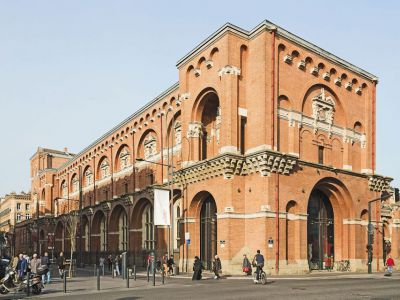
The Augustinian Convent, located in the heart of Toulouse, and fronting on Metz Street (Rue de Metz), has a rich history dating back to its foundation in 1269. Originally established for a community of Hermits of Saint Augustine outside the city walls, the convent relocated to its current central location in 1310 after receiving permission from Pope Clement V. This "new" site saw the construction of the convent throughout the 14th century, culminating in the completion of the cloister in 1396.
Despite suffering significant damage during the great fire of Toulouse in May 1463, which necessitated four decades of reconstruction, the convent was rededicated in 1504 and remained a flourishing religious community until its gradual decline over the next few centuries. In November 1789, following the French Revolution, the convent was nationalized, and by August 1795, it was repurposed as the Toulouse Museum of Art.
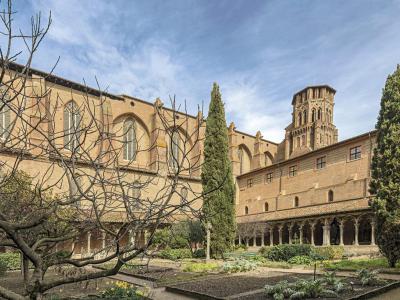
Today, the convent's architecture is a prominent example of medieval design, featuring a block-size brick building complex. Visitors enter through Rue de Metz, where a small reception area leads to the impressive cloister. This cloister, complete with long rows of double-column pillars, houses a garden and is surrounded by Romanesque galleries, maintaining much of its original splendor.
The museum's collections are housed primarily on the ground floor, with Romanesque and Gothic sculptures from the 12th, 14th, and 15th centuries, as well as period religious paintings. Notable features include ancient gargoyles from the Cordelier's monastery, displayed along the southern section of the cloister, giving visitors a rare close-up view. The central room of the eastern gallery is particularly striking, with tall slender columns and beautifully arched ceilings.
The museum offers a comprehensive display of fine arts in its galleries, enhancing Toulouse's cultural landscape and preserving its historical heritage within the walls of the former Augustinian Convent.
Despite suffering significant damage during the great fire of Toulouse in May 1463, which necessitated four decades of reconstruction, the convent was rededicated in 1504 and remained a flourishing religious community until its gradual decline over the next few centuries. In November 1789, following the French Revolution, the convent was nationalized, and by August 1795, it was repurposed as the Toulouse Museum of Art.
Today, the convent's architecture is a prominent example of medieval design, featuring a block-size brick building complex. Visitors enter through Rue de Metz, where a small reception area leads to the impressive cloister. This cloister, complete with long rows of double-column pillars, houses a garden and is surrounded by Romanesque galleries, maintaining much of its original splendor.
The museum's collections are housed primarily on the ground floor, with Romanesque and Gothic sculptures from the 12th, 14th, and 15th centuries, as well as period religious paintings. Notable features include ancient gargoyles from the Cordelier's monastery, displayed along the southern section of the cloister, giving visitors a rare close-up view. The central room of the eastern gallery is particularly striking, with tall slender columns and beautifully arched ceilings.
The museum offers a comprehensive display of fine arts in its galleries, enhancing Toulouse's cultural landscape and preserving its historical heritage within the walls of the former Augustinian Convent.
11) Musée des Augustins (Augustins Museum) (must see)
The Augustins Museum (Musée des Augustins) in Toulouse is a distinguished repository of fine arts showcasing an extensive collection of pieces dating from the Middle Ages to the early 20th century. It is especially renowned for its remarkable assortment of Romanesque sculptures and comprehensive collection of paintings sourced from various regions of France, each emphasizing the richness of Occitan culture.
Originally constructed in 1309, the Gothic-style building served as the Augustinian convent of Toulouse before it was secularized in 1793 during the French Revolution. The convent was transformed into a museum and first opened its doors to the public on August 27, 1795, making it one of the oldest museums in France alongside the Louvre in Paris and the Museum of Fine Arts (Musée des Beaux-Arts) in Besançon.
Throughout the 19th century, significant renovations and expansions were undertaken to accommodate the growing exhibits. The collections, now totaling over 4,000 works, primarily originate from the confiscation of church property during the French Revolution and the seizures of private collections from emigrants. These include notable artworks by the likes of Guercino, Pietro Perugino, Rubens, and Philippe de Champaigne.
Additionally, the Augustins Museum features a reconstructed medieval garden within its cloister, which was renovated to house the medieval collections acquired from Toulouse's demolished religious sites.
Originally constructed in 1309, the Gothic-style building served as the Augustinian convent of Toulouse before it was secularized in 1793 during the French Revolution. The convent was transformed into a museum and first opened its doors to the public on August 27, 1795, making it one of the oldest museums in France alongside the Louvre in Paris and the Museum of Fine Arts (Musée des Beaux-Arts) in Besançon.
Throughout the 19th century, significant renovations and expansions were undertaken to accommodate the growing exhibits. The collections, now totaling over 4,000 works, primarily originate from the confiscation of church property during the French Revolution and the seizures of private collections from emigrants. These include notable artworks by the likes of Guercino, Pietro Perugino, Rubens, and Philippe de Champaigne.
Additionally, the Augustins Museum features a reconstructed medieval garden within its cloister, which was renovated to house the medieval collections acquired from Toulouse's demolished religious sites.
12) Jardin des Plantes (Garden of Plants)
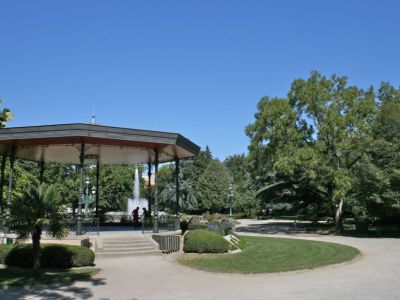
The Garden of Plants (Jardin des Plantes) in Toulouse is a significant public garden rich in history and botanical heritage. Located southeast of downtown Toulouse, it spans seven hectares and is bounded by Jules-Guesde Alley, Serge-Ravanel Alley, Alfred-Duméril Street, and François-Lamarck Street. This garden is one of three, along with the Boulingrin and the Royal Garden, forming a green belt around this area of the city.
Originally founded in 1730 by the Toulouse Science Society in the Saint-Sernin district, the Garden of Plants moved twice due to unsatisfactory conditions-first in 1756 and finally settling in its current location in 1794. This move was initiated by Philippe Picot de Lapeyrouse, a naturalist, who saw the need for a more suitable setting for its extensive collection of 1,300 species. The site, once part of the Discalced Carmelites' grounds, has been transformed over the centuries to meet the city's and its citizens' evolving needs.
In 1808, Napoleon formalized the city's ownership of the garden, which was then used during the Battle of Toulouse in 1814 as an artillery position. Developments continued over the 19th century, including the construction of a pond in 1817, various expansions and reductions of the garden's perimeter, and its transformation into a public garden in time for the 1887 international exhibition.
The garden once housed various wildlife species until 1976, after which it retained only aquatic birds and peacocks. Its location, once outside the city walls, is now central, surrounded by a mix of historical and modern architecture and significant city landmarks like the School of Medicine and the Natural History Museum.
The Garden of Plants is accessible via several entrances, with the Virebent entrance on Jules Guesde Alley being the most used. It includes a range of historical and architectural features, such as the old Capitol gate, the Museum dating back to the late 16th century, and other renovated structures that echo its rich past.
Originally founded in 1730 by the Toulouse Science Society in the Saint-Sernin district, the Garden of Plants moved twice due to unsatisfactory conditions-first in 1756 and finally settling in its current location in 1794. This move was initiated by Philippe Picot de Lapeyrouse, a naturalist, who saw the need for a more suitable setting for its extensive collection of 1,300 species. The site, once part of the Discalced Carmelites' grounds, has been transformed over the centuries to meet the city's and its citizens' evolving needs.
In 1808, Napoleon formalized the city's ownership of the garden, which was then used during the Battle of Toulouse in 1814 as an artillery position. Developments continued over the 19th century, including the construction of a pond in 1817, various expansions and reductions of the garden's perimeter, and its transformation into a public garden in time for the 1887 international exhibition.
The garden once housed various wildlife species until 1976, after which it retained only aquatic birds and peacocks. Its location, once outside the city walls, is now central, surrounded by a mix of historical and modern architecture and significant city landmarks like the School of Medicine and the Natural History Museum.
The Garden of Plants is accessible via several entrances, with the Virebent entrance on Jules Guesde Alley being the most used. It includes a range of historical and architectural features, such as the old Capitol gate, the Museum dating back to the late 16th century, and other renovated structures that echo its rich past.
13) Cathédrale Saint-Étienne de Toulouse (Toulouse Cathedral) (must see)
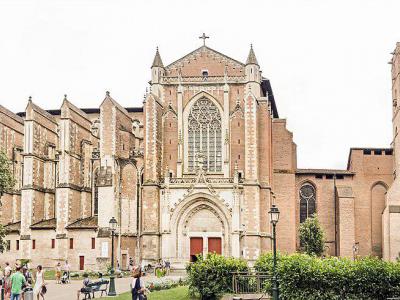
The Cathedral of Saint Stephen, commonly known as the Toulouse Cathedral, is a prominent Roman Catholic church and a national monument, tracing its origins back to the 3rd century. Established by Saint Saturnin, it was later rebuilt by Bishop Saint Exuperius into a Romanesque structure in 1078.
During the early 13th century, the cathedral underwent substantial modifications in the Raymondine Gothic style.
The building suffered a significant fire in 1609, leading to a fundraising effort for its restoration. The French Revolution brought further destruction when the site was sacked and transformed into a "Temple of Reason." Inside, the cathedral was severely destroyed and used as a warehouse for scrap iron. By 1802, Napoleon had made up with the Pope, and the cathedral was returned to the Catholic Church, upon which the City of Toulouse made repairs.
A major restoration in 1911 harmonized the old and new parts of the cathedral, further beautified by a surrounding public garden.
The structure is notable for its irregular facade, resulting from the merger of two incomplete churches from different periods, and its use of brick due to regional stone shortages. The oversized buttresses were formed for a choir much higher than the one that was eventually built. There is also a 16th-century bell tower joined with a donjon of fortress-like proportions. Post-Revolution, all religious bells were melted down. A new set – of 13 bells – was made later on. The largest of them, Etienne-Florian, was cast in 1876 and weighs 3.9 tons.
The cathedral's interior is a source of confusion, featuring contrasting Gothic styles: a large nave originally built in 1078, and a choir from 1272, which are architecturally misaligned. A massive pillar stands between the two sections.
Despite the chaos of its history, however, the cathedral is an island of peace with richly decorated chapels, significant stained glass, and finely carved choir stalls.
Also, the cathedral boasts two organs: the main tribune organ built in 1612, and a smaller choir one from 1868.
During the early 13th century, the cathedral underwent substantial modifications in the Raymondine Gothic style.
The building suffered a significant fire in 1609, leading to a fundraising effort for its restoration. The French Revolution brought further destruction when the site was sacked and transformed into a "Temple of Reason." Inside, the cathedral was severely destroyed and used as a warehouse for scrap iron. By 1802, Napoleon had made up with the Pope, and the cathedral was returned to the Catholic Church, upon which the City of Toulouse made repairs.
A major restoration in 1911 harmonized the old and new parts of the cathedral, further beautified by a surrounding public garden.
The structure is notable for its irregular facade, resulting from the merger of two incomplete churches from different periods, and its use of brick due to regional stone shortages. The oversized buttresses were formed for a choir much higher than the one that was eventually built. There is also a 16th-century bell tower joined with a donjon of fortress-like proportions. Post-Revolution, all religious bells were melted down. A new set – of 13 bells – was made later on. The largest of them, Etienne-Florian, was cast in 1876 and weighs 3.9 tons.
The cathedral's interior is a source of confusion, featuring contrasting Gothic styles: a large nave originally built in 1078, and a choir from 1272, which are architecturally misaligned. A massive pillar stands between the two sections.
Despite the chaos of its history, however, the cathedral is an island of peace with richly decorated chapels, significant stained glass, and finely carved choir stalls.
Also, the cathedral boasts two organs: the main tribune organ built in 1612, and a smaller choir one from 1868.
14) Saint Aubin Church
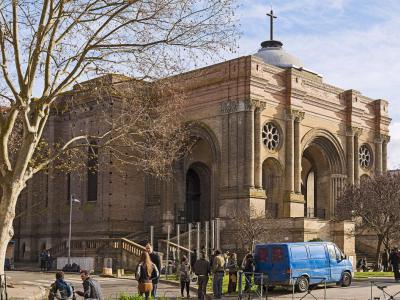
Saint-Aubin Church in Toulouse stands as a significant but ultimately simplified 19th-century religious project, located in the Saint-Aubin-Dupuy district, east of the city's historic center. Constructed on the site of an old cemetery, the church was designed by Jean-Marie-Thérèse-Auguste Delort and opened in 1853. The design of Saint-Aubin merges elements of Gothic, Romanesque, and Byzantine styles, showcasing the architectural ambitions of its era, yet it lacks a bell tower and remains incomplete.
The origins of Saint-Aubin's construction are tied to an anonymous architectural competition that turned out to be a notable failure. Despite receiving 32 submissions, including one from the renowned Henri Labrouste, the competition faced harsh public and critical scrutiny, leading to the rejection of most entries due to high costs, complexity, or significant flaws. Only seven designs were considered, with Delort's being the final selection.
The construction of the church was challenged by financial constraints, with the municipality funding only 400,000 francs-a sum insufficient for Delort to complete his vision. The church was built over an old cemetery, necessitating the preservation of an underground church and the relocation of the cemetery to Terre Cabade. Although worship began in the church in 1847, it was far from complete, lacking major elements such as vaults, a proper facade, a bell tower, and interior decor. By 1929, further efforts to complete the church required an investment of 900,000 francs, yet many elements remained unfinished.
Today, the Saint-Aubin Church, despite its massive structure, reflects a compromised version of its initial ambitious design. The interior, particularly the unfinished nave, stands as a testament to the architect's unfulfilled plans and the financial and logistical challenges that marred its construction. This historical church thus not only serves as a place of worship but also as a poignant reminder of the architectural aspirations and constraints of its time.
The origins of Saint-Aubin's construction are tied to an anonymous architectural competition that turned out to be a notable failure. Despite receiving 32 submissions, including one from the renowned Henri Labrouste, the competition faced harsh public and critical scrutiny, leading to the rejection of most entries due to high costs, complexity, or significant flaws. Only seven designs were considered, with Delort's being the final selection.
The construction of the church was challenged by financial constraints, with the municipality funding only 400,000 francs-a sum insufficient for Delort to complete his vision. The church was built over an old cemetery, necessitating the preservation of an underground church and the relocation of the cemetery to Terre Cabade. Although worship began in the church in 1847, it was far from complete, lacking major elements such as vaults, a proper facade, a bell tower, and interior decor. By 1929, further efforts to complete the church required an investment of 900,000 francs, yet many elements remained unfinished.
Today, the Saint-Aubin Church, despite its massive structure, reflects a compromised version of its initial ambitious design. The interior, particularly the unfinished nave, stands as a testament to the architect's unfulfilled plans and the financial and logistical challenges that marred its construction. This historical church thus not only serves as a place of worship but also as a poignant reminder of the architectural aspirations and constraints of its time.

15) Place Saint-Georges (Saint-Georges Square and Market)
Saint-Georges Square is named for a small chapel that was in the middle of the square. The chapel was moved hundreds of years ago to a corner of the street only to be demolished in 1808. The Square was once a popular locale for the burning of heretics during the Inquisition. No nostalgia for that "old time religion" here.
Prior to the French Revolution of 1794 the square was named Montaygon, after a local landlord. Come the Revolution the square was named Place Calas. Jean Calas was executed in the square. At one time the square was named for composer Paul Vidal. Vidal, happily, was not executed anywhere. Finally, in 1914, the City brought back Saint-Georges Square.
There is no shortage of good places to dine around the square. One may sit inside or outside. Outside is recommended for relaxed people watching. Every morning, except Sunday there is a farmers market in the Saint-Georges Square. Go early.
Prior to the French Revolution of 1794 the square was named Montaygon, after a local landlord. Come the Revolution the square was named Place Calas. Jean Calas was executed in the square. At one time the square was named for composer Paul Vidal. Vidal, happily, was not executed anywhere. Finally, in 1914, the City brought back Saint-Georges Square.
There is no shortage of good places to dine around the square. One may sit inside or outside. Outside is recommended for relaxed people watching. Every morning, except Sunday there is a farmers market in the Saint-Georges Square. Go early.
16) Place du Capitole (Capitol Square)
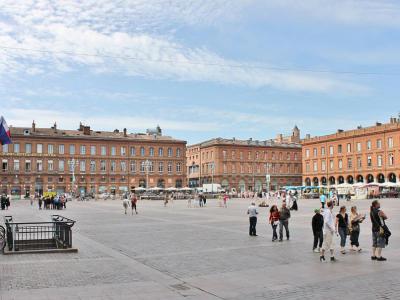
Capitol Square (Place du Capitole) in Toulouse stands as a vibrant and historic epicenter in the city's heart. This grand square, central to Toulouse's social and cultural life, serves as a primary gathering spot, a starting point for city exploration, and a venue for various events. Known for its Neoclassical elegance, the square has been a fixture for approximately 800 years, with its current prominent feature, the Capitole building, gracing its space since the mid-18th century. The Capitole's stunning 128-meter facade is a popular backdrop for photography and social media, reflecting its status as a key Toulouse landmark.
The Capitol Square is not just about its majestic main building. The western side features canopied terraces under Byzantine arches reminiscent of Saint Mark's Square in Venice. To the north, the medieval Bull Street (Rue du Taur) buzzes with a lively mix of South American bistros and quirky shops and even hosts an open-air cinema, leading to the Basilica of Saint-Sernin with its distinctive octagonal bell tower.
Visitors can explore the Capitole's interior, particularly the Salle des Illustres, adorned with some of Toulouse’s finest 19th-century paintings. The entrance features a grand staircase, an opulent chandelier, and a patterned mosaic floor, enhancing the grandeur of the experience. The square is also known for its eclectic daily market, where vendors sell everything from flowing summer dresses and vintage vinyl records to practical items like straw hats and sunglasses.
The square's site is steeped in history, reportedly the location of the martyrdom of Saint Saturninus in 257 CE. While the existing Capitole building dates back to the 18th century, the area's significance extends to Roman times, previously centered around the nearby square of Carmes. The 1990s pedestrianization transformed Capitol Square into a thriving tourist attraction, cementing its place as Toulouse’s focal point of tourism and local life.
The Capitol Square is not just about its majestic main building. The western side features canopied terraces under Byzantine arches reminiscent of Saint Mark's Square in Venice. To the north, the medieval Bull Street (Rue du Taur) buzzes with a lively mix of South American bistros and quirky shops and even hosts an open-air cinema, leading to the Basilica of Saint-Sernin with its distinctive octagonal bell tower.
Visitors can explore the Capitole's interior, particularly the Salle des Illustres, adorned with some of Toulouse’s finest 19th-century paintings. The entrance features a grand staircase, an opulent chandelier, and a patterned mosaic floor, enhancing the grandeur of the experience. The square is also known for its eclectic daily market, where vendors sell everything from flowing summer dresses and vintage vinyl records to practical items like straw hats and sunglasses.
The square's site is steeped in history, reportedly the location of the martyrdom of Saint Saturninus in 257 CE. While the existing Capitole building dates back to the 18th century, the area's significance extends to Roman times, previously centered around the nearby square of Carmes. The 1990s pedestrianization transformed Capitol Square into a thriving tourist attraction, cementing its place as Toulouse’s focal point of tourism and local life.
