Custom Walk in Cologne, Germany by eugeniakountourouda_49997 created on 2025-06-13
Guide Location: Germany » Cologne
Guide Type: Custom Walk
# of Sights: 14
Tour Duration: 6 Hour(s)
Travel Distance: 13.4 Km or 8.3 Miles
Share Key: URW3F
Guide Type: Custom Walk
# of Sights: 14
Tour Duration: 6 Hour(s)
Travel Distance: 13.4 Km or 8.3 Miles
Share Key: URW3F
How It Works
Please retrieve this walk in the GPSmyCity app. Once done, the app will guide you from one tour stop to the next as if you had a personal tour guide. If you created the walk on this website or come to the page via a link, please follow the instructions below to retrieve the walk in the app.
Retrieve This Walk in App
Step 1. Download the app "GPSmyCity: Walks in 1K+ Cities" on Apple App Store or Google Play Store.



Step 2. In the GPSmyCity app, download(or launch) the guide "Cologne Map and Walking Tours".
Step 3. Tap the menu button located at upper right corner of the "Walks" screen and select "Retrieve custom walk". Enter the share key: URW3F
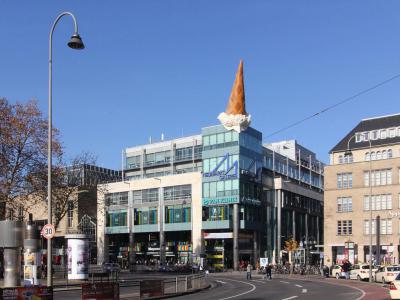
1) Neumarkt Galerie
Cologne is one of the beautiful cities in Germany where you can find an extensive range of museums galleries and shopping centers. If you are an avid shopper, you must not miss a visit to the Neumarkt Galerie on your trip to this city.
This is the largest shopping center in Cologne and the beautiful building features a stunning ten meter artwork that depicts the dropped cone or the upside down ice cream cone. This artwork is the crown of the building and was created by Van Brugge and Oldenburg, two American artists.
Enter the shopping center and you will immediately notice its friendly and pleasant environment. The granite floor is indirectly lit by the light in the ceiling. A striking effect is produced by the dark colored wooden hand rails and the stainless steel and glass structure. There are a total of three floors housing 65 shops in this complex.
At the center of Nenmarkt Galerie, you can find the forum. Located under a huge glass copula, this forum has a round lighting unit. Shops at the ground and upper level sell a variety of unique and interesting jewelry, fashion clothing and shoes from popular brands. Visitors find respite from shopping as they relax at the bistros, restaurants and cafes. Visit this vibrant and lively market and enjoy shopping to your heart’s content.
This is the largest shopping center in Cologne and the beautiful building features a stunning ten meter artwork that depicts the dropped cone or the upside down ice cream cone. This artwork is the crown of the building and was created by Van Brugge and Oldenburg, two American artists.
Enter the shopping center and you will immediately notice its friendly and pleasant environment. The granite floor is indirectly lit by the light in the ceiling. A striking effect is produced by the dark colored wooden hand rails and the stainless steel and glass structure. There are a total of three floors housing 65 shops in this complex.
At the center of Nenmarkt Galerie, you can find the forum. Located under a huge glass copula, this forum has a round lighting unit. Shops at the ground and upper level sell a variety of unique and interesting jewelry, fashion clothing and shoes from popular brands. Visitors find respite from shopping as they relax at the bistros, restaurants and cafes. Visit this vibrant and lively market and enjoy shopping to your heart’s content.
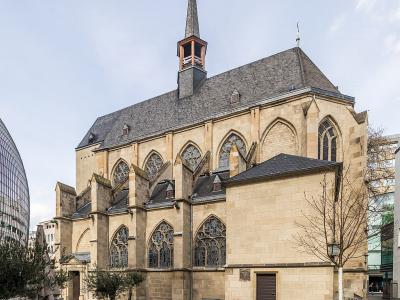
2) Antoniterkirche (St. Anthony Church)
Cologne is a city that every avid tourist must visit at least once. This city has a unique charm and warm atmosphere that entices tourists to come back repeatedly. Cologne is known for its Gothic and Romanesque churches. Among the Gothic churches, the Antoniterkirche holds a special place. Located close to the main shopping street of the city, this Protestant church is frequented by those who wish to pray in absolute peace and quiet.
Antoniterkirche is a very peaceful church built around 1350 to 1380. It boasts a simple, yet elegant architecture. Step inside the church and you cannot miss the Barlach’s Memorial Angel. This cast also known as the Angel of Death is made from the original cast. As the original was destroyed during WWII by the Nazis, this is the only remaining cast today preserved in this church.
You will also be struck by the oasis of peace inside the church in spite of the bustling, noisy Schildergasse outside. Schildergasse is incidentally one of Cologne’s busiest, main shopping streets. Antoniterkirche has three wings even though the church seems more of a chapel due to its small size. On your trip to Cologne, pay a visit to this charming church to enjoy its unique architecture and period art.
Antoniterkirche is a very peaceful church built around 1350 to 1380. It boasts a simple, yet elegant architecture. Step inside the church and you cannot miss the Barlach’s Memorial Angel. This cast also known as the Angel of Death is made from the original cast. As the original was destroyed during WWII by the Nazis, this is the only remaining cast today preserved in this church.
You will also be struck by the oasis of peace inside the church in spite of the bustling, noisy Schildergasse outside. Schildergasse is incidentally one of Cologne’s busiest, main shopping streets. Antoniterkirche has three wings even though the church seems more of a chapel due to its small size. On your trip to Cologne, pay a visit to this charming church to enjoy its unique architecture and period art.
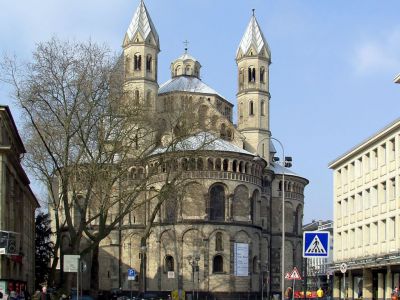
3) Basilika St. Aposteln (Basilica of the Holy Apostles)
Basilika Saint Aposteln (Basilica of the Holy Apostles) is a magnificent Romanesque church. It was constructed during the 11th century and is one of the twelve Romanesque churches built in Cologne during that time. The church has a basilical plan of nave and aisles, and like Groß Saint Martin and Saint Maria im Kapitol, has three apses at the east end making a trefoil plan.
One of the main features of the church is the domed clover leaf chancel, which was built around 1200 and is a true gem of Romanesque architecture. The chancel is located at the east end of the church, and its shape is reminiscent of a clover leaf, with three semicircular apses arranged in a trefoil plan. The chancel is covered by a stunning dome that gives the church a monumental and almost Byzantine appearance.
The church was significantly enlarged in the 13th century, and an octagonal dome was added above the crossing. This new addition further enhanced the grandeur of the church, and it is now one of the most remarkable examples of Romanesque architecture in Germany. Despite the building modifications, the old structures were retained and copied, and integrated into the new construction project.
One of the main features of the church is the domed clover leaf chancel, which was built around 1200 and is a true gem of Romanesque architecture. The chancel is located at the east end of the church, and its shape is reminiscent of a clover leaf, with three semicircular apses arranged in a trefoil plan. The chancel is covered by a stunning dome that gives the church a monumental and almost Byzantine appearance.
The church was significantly enlarged in the 13th century, and an octagonal dome was added above the crossing. This new addition further enhanced the grandeur of the church, and it is now one of the most remarkable examples of Romanesque architecture in Germany. Despite the building modifications, the old structures were retained and copied, and integrated into the new construction project.
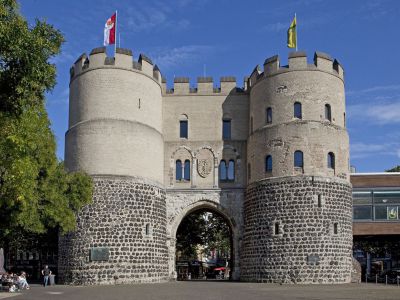
4) Hahnentorburg (Hahnen Gate)
You can enter the city of Cologne through 12 gates and the Hahnen Gate, or 'Hahnentorburg' is the most popular among them. It was through this gate that the German Kings arrived in this city after their coronation in Aachen. They paid a visit to the Cologne Cathedral and prayed at the Three Magi shrine. Construction of this gate spanned five years between 1235 and 1240. The land surrounding the gate was owned by a citizen Hageno and the gate was probably named after him. Over a period of time, people started referring to the gate as Hahnentorburg.
This gate features two towers that are crenelated and semi-circular in shape. Before you enter, look up above the entrance where you will find a beautiful depiction of Cologne’s coat of arms. It was in 1890 that the tower was first renovated. Renovation work was carried out by Josef Stubben, one of the city's famous architects. You can find a memorial plaque here that commemorates his construction outside the city walls. During World War II, the tower was again damaged and reconstructed later.
Hahnentorburg has performed many functions through ages. It has been used as an exposition hall, museum and a prison. Today, this popular tourist spot is home to the carnival society, Ehrengarde der Stadt Köln 1902 e.V.
Why You Should Visit:
Massive gateway from medieval times and probably the best in Cologne.
Tip:
Some great pubs, bars, and restaurants close-by, and worth the walk along parts of the old wall or to the Rhein...
This gate features two towers that are crenelated and semi-circular in shape. Before you enter, look up above the entrance where you will find a beautiful depiction of Cologne’s coat of arms. It was in 1890 that the tower was first renovated. Renovation work was carried out by Josef Stubben, one of the city's famous architects. You can find a memorial plaque here that commemorates his construction outside the city walls. During World War II, the tower was again damaged and reconstructed later.
Hahnentorburg has performed many functions through ages. It has been used as an exposition hall, museum and a prison. Today, this popular tourist spot is home to the carnival society, Ehrengarde der Stadt Köln 1902 e.V.
Why You Should Visit:
Massive gateway from medieval times and probably the best in Cologne.
Tip:
Some great pubs, bars, and restaurants close-by, and worth the walk along parts of the old wall or to the Rhein...
5) Church of St. Pantaleon
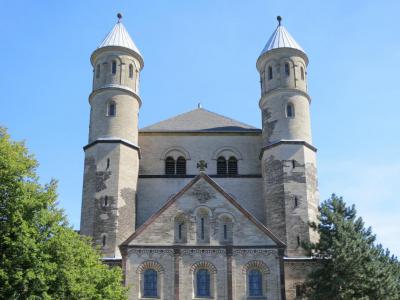
The Church of Saint Pantaleon is one of the twelve Romanesque churches in the city and was built in the 10th century on the site of a Roman villa. The church was consecrated to Saint Pantaleon and the Saints Cosmas and Damian and is the oldest church of the cult of Saint Pantaleon west of Byzantium.
The church was expanded over time, and in 955, Archbishop Bruno the Great added a Benedictine abbey. Here, Bruno was buried after his death. The current facade of the church was constructed in the 10th century by Holy Roman Empress Theophanu, who was also buried in the church at her own request.
Saint Pantaleon played an important role in the earliest stage of German Old Catholicism. In February 1872, the government authorized Old Catholics to celebrate mass there, but Roman Catholic Bishop Franz Adolf Namszanowski was enraged that the space was now "polluted."
During the Second World War, the church was heavily damaged, but it was restored after the war. An archeological survey was conducted during the restoration, and new church bells and a new organ were installed. The church underwent further restoration in the 1950s and 1960s, during which time the coffered ceiling in the nave was designed and constructed by artist Dieter Hartmann.
Pope Benedict XVI visited the church in 2005, and in 2006, a new chapel dedicated to Saint Josemaría Escrivá was blessed by Cardinal Joachim Meisner.
The church was expanded over time, and in 955, Archbishop Bruno the Great added a Benedictine abbey. Here, Bruno was buried after his death. The current facade of the church was constructed in the 10th century by Holy Roman Empress Theophanu, who was also buried in the church at her own request.
Saint Pantaleon played an important role in the earliest stage of German Old Catholicism. In February 1872, the government authorized Old Catholics to celebrate mass there, but Roman Catholic Bishop Franz Adolf Namszanowski was enraged that the space was now "polluted."
During the Second World War, the church was heavily damaged, but it was restored after the war. An archeological survey was conducted during the restoration, and new church bells and a new organ were installed. The church underwent further restoration in the 1950s and 1960s, during which time the coffered ceiling in the nave was designed and constructed by artist Dieter Hartmann.
Pope Benedict XVI visited the church in 2005, and in 2006, a new chapel dedicated to Saint Josemaría Escrivá was blessed by Cardinal Joachim Meisner.
6) Church of St. Severin
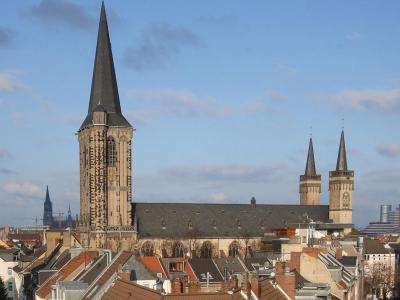
The Church of Saint Severin is one of the twelve Romanesque churches of Cologne. This early Romanesque basilica church was originally established as a memorial chapel for Saint Severin of Cologne in the late 4th century and has undergone several extensions and enlargements over the centuries.
The oldest parts of the current building date back to the 10th century, and the church was designated a Basilica Minor by Pope Pius XII in 1953. Visitors can also explore the passable archaeological dig area beneath the church, where the foundation remains of the original building can be viewed.
The church boasts a rich collection of furnishings, including the murals in the crypta, the choral equipment, and a part of the medieval floor. The original choir seating and high altar, behind which the Shrine to the Holy Severin is displayed, is another highlight. The forked crucifix from the 14th century and the late Gothic glass paintings in the long nave are also remarkable.
Despite its many changes and renovations over the years, the Church of Saint Severin has managed to maintain its unique character and charm. Although the external impression is primarily Gothic, the choir chancel remains Romanesque.
The oldest parts of the current building date back to the 10th century, and the church was designated a Basilica Minor by Pope Pius XII in 1953. Visitors can also explore the passable archaeological dig area beneath the church, where the foundation remains of the original building can be viewed.
The church boasts a rich collection of furnishings, including the murals in the crypta, the choral equipment, and a part of the medieval floor. The original choir seating and high altar, behind which the Shrine to the Holy Severin is displayed, is another highlight. The forked crucifix from the 14th century and the late Gothic glass paintings in the long nave are also remarkable.
Despite its many changes and renovations over the years, the Church of Saint Severin has managed to maintain its unique character and charm. Although the external impression is primarily Gothic, the choir chancel remains Romanesque.
7) Kranhäuser im Rheinauhafen
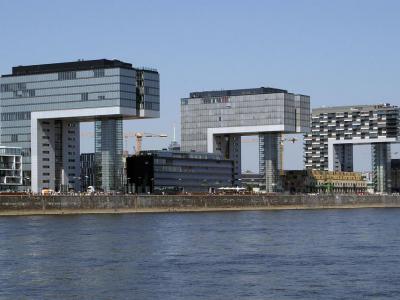
Kranhaus is a stunning architectural gem located in the northern section of Cologne's Rheinauhafen. The building ensemble comprises of three high-rise crane houses, which were constructed between 2006 and 2010. The architects Hadi Teherani and Alfons Linster won the urban development competition organized by the city of Cologne in 1992 to design this unique structure.
The most striking feature of the Kranhaus buildings is their typical Haft crane shape, which extends its arms at right angles reaching the Rhine. The crane houses are 61 meters tall, with two five-storey building blocks forming a cantilevered crane arm at a height of 40 meters, which stretches towards the river. The total length of the buildings is approximately 70 meters, with a total width of 33 meters.
The three Kranhaus buildings are arranged in a row with a right angle in the north-south direction on the promenade. The Rhine promenade offers open spaces and walkways for visitors to enjoy. Each crane house can be accessed through two entrances, with the main entrance located in the vertical crane hull of the building's glazed reception area. A second glazed elevator and staircase is positioned 32 meters away between the two cantilevered building blocks, serving as an additional support and escape route.
Kranhaus 1 and Kranhaus Mitte were built first in 2006, with flexible floor plans and different office types ranging from 600 to 16,000 square meters. Kranhaus Süd, designed as an office building, was started in 2007, similar to the middle Kranhaus. Kranhaus Nord, the last of the Kranhaus buildings, was completed in 2010. The Kranhaus Nord differs from the other two buildings by its balconies protruding from the facade.
The most striking feature of the Kranhaus buildings is their typical Haft crane shape, which extends its arms at right angles reaching the Rhine. The crane houses are 61 meters tall, with two five-storey building blocks forming a cantilevered crane arm at a height of 40 meters, which stretches towards the river. The total length of the buildings is approximately 70 meters, with a total width of 33 meters.
The three Kranhaus buildings are arranged in a row with a right angle in the north-south direction on the promenade. The Rhine promenade offers open spaces and walkways for visitors to enjoy. Each crane house can be accessed through two entrances, with the main entrance located in the vertical crane hull of the building's glazed reception area. A second glazed elevator and staircase is positioned 32 meters away between the two cantilevered building blocks, serving as an additional support and escape route.
Kranhaus 1 and Kranhaus Mitte were built first in 2006, with flexible floor plans and different office types ranging from 600 to 16,000 square meters. Kranhaus Süd, designed as an office building, was started in 2007, similar to the middle Kranhaus. Kranhaus Nord, the last of the Kranhaus buildings, was completed in 2010. The Kranhaus Nord differs from the other two buildings by its balconies protruding from the facade.
8) Chocolate Museum (must see)
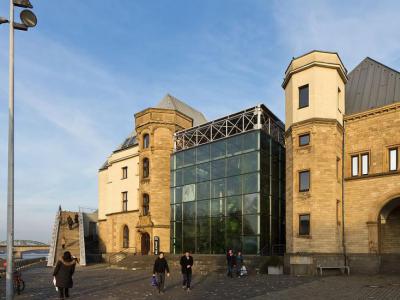
The Imhoff-Schokoladenmuseum was opened by Hans Imhoff on 31 October 1993. It is situated in the Cologne quarter Altstadt-Süd on the Rheinauhafen-peninsula. The exhibition shows the whole history of chocolate, from the beginning at the Olmecs, Maya and Aztecs until the contemporary products and their production methods. The museum belongs to the Top Ten of German museums with 5,000 guidances and 600,000 visitors a year.
A special attraction is the three-meter-high chocolate fountain, at which a woman dips wafers in the liquid chocolate and distributes them to visitors. Another interesting thing for visitors is the small tropiarium consisting of a glass cube with 10-meter edge length showing cacao trees of the species Theobroma cacao and Theobroma grandiflorum. Several production machineries were built as miniatures so that you can have a look at the production process of the small chocolate bars, which are given to the visitors at the entrance of the museum.
Why You Should Visit:
Gives a brief history of chocolate as well as more esoteric things like the religion & culture related to it. Great spot to view the Rhine river, too.
Tip:
Lots of free samples during visits and you can have your own personalized chocolate made.
A special attraction is the three-meter-high chocolate fountain, at which a woman dips wafers in the liquid chocolate and distributes them to visitors. Another interesting thing for visitors is the small tropiarium consisting of a glass cube with 10-meter edge length showing cacao trees of the species Theobroma cacao and Theobroma grandiflorum. Several production machineries were built as miniatures so that you can have a look at the production process of the small chocolate bars, which are given to the visitors at the entrance of the museum.
Why You Should Visit:
Gives a brief history of chocolate as well as more esoteric things like the religion & culture related to it. Great spot to view the Rhine river, too.
Tip:
Lots of free samples during visits and you can have your own personalized chocolate made.
9) KölnTriangle Panorama (Triangle Observation Deck) (must see)
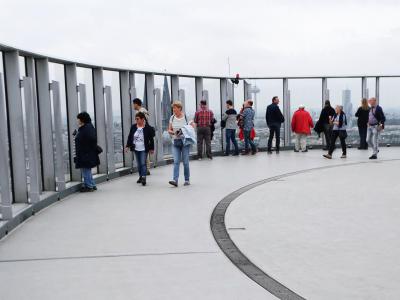
Perched atop the sleek KölnTriangle building, the Triangle Observation Deck isn’t just a fancy name-it’s a 103-meter-high front-row seat to Cologne in all its sprawling glory. The building itself is shaped like a Reuleaux triangle, which basically means someone got fancy with a geometry set and decided curves were cooler than corners. Bonus: Its double-skin south facade acts like the building’s lungs, breathing in fresh air for your convenience.
Up at the top, the observation deck delivers a full panoramic wow-factor. Directly across the Rhine, the Cologne Cathedral poses majestically like it knows it’s being watched (because it is). The deck is outdoors but protected by glass panels, so you can embrace the wind in your hair without worrying about losing your hat-or your dignity.
Feeling peckish after all that skyline admiration? There's a rooftop restaurant that serves up views and food, both equally worth savoring.
Whether you're a daytime wanderer or a dusk-chaser, the deck stays open from sun-up to starlight, letting you witness Cologne flip its switch from postcard-perfect to nighttime sparkle.
Up at the top, the observation deck delivers a full panoramic wow-factor. Directly across the Rhine, the Cologne Cathedral poses majestically like it knows it’s being watched (because it is). The deck is outdoors but protected by glass panels, so you can embrace the wind in your hair without worrying about losing your hat-or your dignity.
Feeling peckish after all that skyline admiration? There's a rooftop restaurant that serves up views and food, both equally worth savoring.
Whether you're a daytime wanderer or a dusk-chaser, the deck stays open from sun-up to starlight, letting you witness Cologne flip its switch from postcard-perfect to nighttime sparkle.
10) Fruh Brauhaus
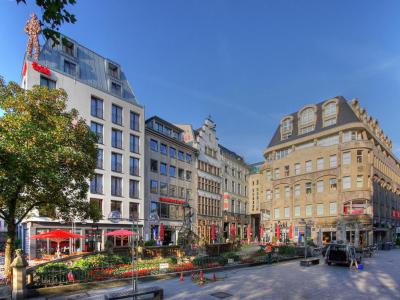
Brauhaus Früh is perhaps the most popular biergarten (beer-garden) in Cologne's Old Town. Also known as Früh am Dom for being located directly opposite the Cologne Cathedral, this brewery is named after its first owner, Peter Josef Früh.
Converting the building of the former Central Theater and Schützenliesel restaurant, at Am Hof 12, into a top-fermentation facility in 1904 marked the first milestone for Cölner Hofbräu P. Josef Früh KG. Here the beer was brewed right in the cellars. Over the years, the location has been continuously expanded and developed.
During World War II, the building, like the rest of Cologne, was severely damaged by bombing raids, with its main section completely burned down in February 1944. In 1987, the production was moved to the Fühlingen district of Cologne, and Früh became a draft beer pub. Gradually, the pub incorporated three neighboring houses and now has about 1400 seats, including the beer-garden. There are several uniquely decorated halls - "Armorial Hall", "Winter Garden", "Bell Tower", and "Roman cellar" (here you can see the remains of the ancient Roman masonry, as well as old equipment of the brewery). The establishment is currently run by the fifth generation of the Früh family.
In addition to the freshly tapped Früh Kölsch, the beer-house offers a large range of meat dishes and snacks, prepared especially to go with the brew. Here you can also discover the art of traditional brewing and serving beer – waiters carrying "perforated" trays, in the holes of which glasses are inserted.
In 2003 the Feinkosttheke delicatessen was opened next to the beer-house, offering Früh's homemade specialties, spices, mustard and sauces.
Converting the building of the former Central Theater and Schützenliesel restaurant, at Am Hof 12, into a top-fermentation facility in 1904 marked the first milestone for Cölner Hofbräu P. Josef Früh KG. Here the beer was brewed right in the cellars. Over the years, the location has been continuously expanded and developed.
During World War II, the building, like the rest of Cologne, was severely damaged by bombing raids, with its main section completely burned down in February 1944. In 1987, the production was moved to the Fühlingen district of Cologne, and Früh became a draft beer pub. Gradually, the pub incorporated three neighboring houses and now has about 1400 seats, including the beer-garden. There are several uniquely decorated halls - "Armorial Hall", "Winter Garden", "Bell Tower", and "Roman cellar" (here you can see the remains of the ancient Roman masonry, as well as old equipment of the brewery). The establishment is currently run by the fifth generation of the Früh family.
In addition to the freshly tapped Früh Kölsch, the beer-house offers a large range of meat dishes and snacks, prepared especially to go with the brew. Here you can also discover the art of traditional brewing and serving beer – waiters carrying "perforated" trays, in the holes of which glasses are inserted.
In 2003 the Feinkosttheke delicatessen was opened next to the beer-house, offering Früh's homemade specialties, spices, mustard and sauces.
11) Gaffel am Dom
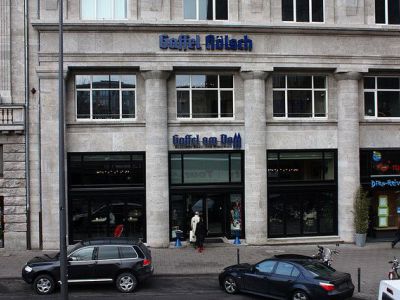
Gaffel am Dom is a traditional, yet modern brewery and tavern situated in Cologne's historic Deichmannhaus since 2008. This seven-storey neoclassical edifice is named after Wilhelm Ludwig Deichmann, one of the co-founders of the Deutsche Bank, and was built in 1914 replacing the original building erected in the mid 19th century.
As for the brewery, Gaffel Becker & Co was founded in Cologne in 1908 by the Becker Brothers. Being a member of the Cologne Brewery Association, it is authorized to produce its own brand of the traditional regional top-fermented beer – Gaffel Kölsch. The brand's name derives from the Cologne Gaffels, who were the political arm of the guilds and merchants in the city back in 1396. "Gaffel" was the old Cologne expression for a two-pronged fork that the local merchants brought from Venice in the 11th century.
Behind the majestic façade you will find a typical Rhenish beer-house where Cologne's metropolitan flair meets a village-like tranquility in a mix of traditional brewery attributes (lights, large copper elements and numerous original pieces of historical beer advertisements) and innovative dispensing and cooling technology. Fine dry Gaffel Kölsch here is delivered via an uninterrupted cold chain from the brewery to the tap, using the Gaffel cellar barrel system guaranteeing absolute freshness.
Spread on three floors, the house can seat up to 700 guests; the outdoor section has 300 seats. The spacious, light-filled rooms with long bars, benches and tables on the one hand, and cozy nooks, small booths and secluded rooms on the other, produce an ambiance that is bourgeois, hearty, comfortable and, as is so typical of the Rhinelander, positive and cheerful. The menu features hearty regional specialties, including a large variety of German sausages.
As for the brewery, Gaffel Becker & Co was founded in Cologne in 1908 by the Becker Brothers. Being a member of the Cologne Brewery Association, it is authorized to produce its own brand of the traditional regional top-fermented beer – Gaffel Kölsch. The brand's name derives from the Cologne Gaffels, who were the political arm of the guilds and merchants in the city back in 1396. "Gaffel" was the old Cologne expression for a two-pronged fork that the local merchants brought from Venice in the 11th century.
Behind the majestic façade you will find a typical Rhenish beer-house where Cologne's metropolitan flair meets a village-like tranquility in a mix of traditional brewery attributes (lights, large copper elements and numerous original pieces of historical beer advertisements) and innovative dispensing and cooling technology. Fine dry Gaffel Kölsch here is delivered via an uninterrupted cold chain from the brewery to the tap, using the Gaffel cellar barrel system guaranteeing absolute freshness.
Spread on three floors, the house can seat up to 700 guests; the outdoor section has 300 seats. The spacious, light-filled rooms with long bars, benches and tables on the one hand, and cozy nooks, small booths and secluded rooms on the other, produce an ambiance that is bourgeois, hearty, comfortable and, as is so typical of the Rhinelander, positive and cheerful. The menu features hearty regional specialties, including a large variety of German sausages.
12) Basilica Church of St. Ursula
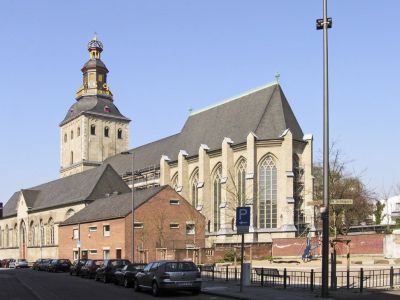
The Basilica Church of Saint Ursula is a historic and religious site located in Cologne. Its origins can be traced back to the late antiquity period, as it was built on the property of a Roman graveyard. The church was named after Ursula, a Breton princess who, according to legend, suffered martyrdom in Cologne with 11,000 female companions.
Originally dedicated to the Holy Virgin, the church underwent several rounds of construction, and during these building works, numerous mortal remains were found. These remains were believed to be those of the female martyrs, and they were incorporated into the church. The gallery basilica was constructed in the early 12th century, and it was designed to accommodate the numerous relics that had been discovered.
In the 13th century, the choir chancel was rebuilt in Gothic style, and this further emphasized the importance of presenting the relics. The walls of the church were designed with dual shells to create space for the relics while also displaying them behind bars. During the Baroque era, a chapel annex known as the Golden Chamber was built to provide visitors with direct access to the relics. Today, the Golden Chamber is filled with relics from top to bottom and remains a popular attraction for visitors to the church.
The Basilica Church of Saint Ursula boasts rich furnishings from various centuries. The late antiquity “Clematius inscription” and the baroque Grave of the Holy Ursula are two objects that are entirely related to the site's location. The church also features two shrines located behind the high altar and a collection of relic busts with the smiling faces of the Virgins. These artifacts are just a few examples of the church's rich history and cultural significance.
Originally dedicated to the Holy Virgin, the church underwent several rounds of construction, and during these building works, numerous mortal remains were found. These remains were believed to be those of the female martyrs, and they were incorporated into the church. The gallery basilica was constructed in the early 12th century, and it was designed to accommodate the numerous relics that had been discovered.
In the 13th century, the choir chancel was rebuilt in Gothic style, and this further emphasized the importance of presenting the relics. The walls of the church were designed with dual shells to create space for the relics while also displaying them behind bars. During the Baroque era, a chapel annex known as the Golden Chamber was built to provide visitors with direct access to the relics. Today, the Golden Chamber is filled with relics from top to bottom and remains a popular attraction for visitors to the church.
The Basilica Church of Saint Ursula boasts rich furnishings from various centuries. The late antiquity “Clematius inscription” and the baroque Grave of the Holy Ursula are two objects that are entirely related to the site's location. The church also features two shrines located behind the high altar and a collection of relic busts with the smiling faces of the Virgins. These artifacts are just a few examples of the church's rich history and cultural significance.
13) Church of St. Agnes
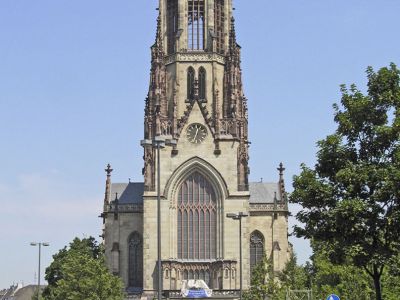
The Church of Saint Agnes is a remarkable neogothic Catholic church located in the city of Cologne. This church is one of the most impressive examples of neogothic architecture in the city, and it is the second-largest church in Cologne, after the famous Cologne Cathedral. Saint Agnes was consecrated in 1902 and was founded by a school teacher who wanted to honor his deceased wife and Saint Agnes.
One of the most notable features of the Church of Saint Agnes is its unique and idiosyncratic tower, which looks strikingly like a chess castle. This tower is a prominent landmark in the city, and it adds to the church's overall charm and character. The tower stands at an impressive height of 61m (200 ft), which adds to the grandeur and majesty of the church.
The church's interior is just as impressive as its exterior, with stunning stained-glass windows and intricate details throughout the building. Visitors to the church can also see the memorial plaque for the founder's wife, which adds a personal touch to the church's history.
One of the most notable features of the Church of Saint Agnes is its unique and idiosyncratic tower, which looks strikingly like a chess castle. This tower is a prominent landmark in the city, and it adds to the church's overall charm and character. The tower stands at an impressive height of 61m (200 ft), which adds to the grandeur and majesty of the church.
The church's interior is just as impressive as its exterior, with stunning stained-glass windows and intricate details throughout the building. Visitors to the church can also see the memorial plaque for the founder's wife, which adds a personal touch to the church's history.
14) Colonius
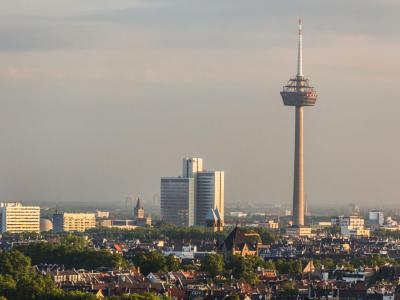
Colonius is a prominent telecommunications tower. It is the tallest structure in the city, with a height of 266 meters (873 ft.) and was built in the early 1980s by the Bavarian construction company Dyckerhoff & Widmann. Initially, it was the sixth-tallest communications tower in Germany. The tower is made of concrete and steel and is situated northwest of the city's inner center, at the green belt (Innerer Grüngürtel) that encircles the historic center of Cologne.
The tower has a tower basket that is nine meters high and contains transmission mechanisms for analogue and digital radio and digital television. Until 1999, the tower's observation deck and revolving restaurant situated at a height of 166 meters were open to visitors. From this point, visitors could enjoy breathtaking views of Cologne, Bonn, and Düsseldorf on clear days.
Sadly, the visitor's area including the restaurant and observation deck has been closed since 1992 due to the absence of a leaseholder. However, the tower still serves as an important broadcasting hub for radio relay and radio services within the VHF range. In 2004, a radio tower was added by helicopter, increasing its height to 266 meters. This new addition allowed for the broadcast of digital television (DVB-T) from the tower in the Cologne/Bonn region.
The tower has a tower basket that is nine meters high and contains transmission mechanisms for analogue and digital radio and digital television. Until 1999, the tower's observation deck and revolving restaurant situated at a height of 166 meters were open to visitors. From this point, visitors could enjoy breathtaking views of Cologne, Bonn, and Düsseldorf on clear days.
Sadly, the visitor's area including the restaurant and observation deck has been closed since 1992 due to the absence of a leaseholder. However, the tower still serves as an important broadcasting hub for radio relay and radio services within the VHF range. In 2004, a radio tower was added by helicopter, increasing its height to 266 meters. This new addition allowed for the broadcast of digital television (DVB-T) from the tower in the Cologne/Bonn region.
