Custom Walk in Toronto, Canada by jamesm_daugherty_2ef7b created on 2025-06-26
Guide Location: Canada » Toronto
Guide Type: Custom Walk
# of Sights: 8
Tour Duration: 10 Hour(s)
Travel Distance: 28.3 Km or 17.6 Miles
Share Key: NSR2N
Guide Type: Custom Walk
# of Sights: 8
Tour Duration: 10 Hour(s)
Travel Distance: 28.3 Km or 17.6 Miles
Share Key: NSR2N
How It Works
Please retrieve this walk in the GPSmyCity app. Once done, the app will guide you from one tour stop to the next as if you had a personal tour guide. If you created the walk on this website or come to the page via a link, please follow the instructions below to retrieve the walk in the app.
Retrieve This Walk in App
Step 1. Download the app "GPSmyCity: Walks in 1K+ Cities" on Apple App Store or Google Play Store.



Step 2. In the GPSmyCity app, download(or launch) the guide "Toronto Map and Walking Tours".
Step 3. Tap the menu button located at upper right corner of the "Walks" screen and select "Retrieve custom walk". Enter the share key: NSR2N
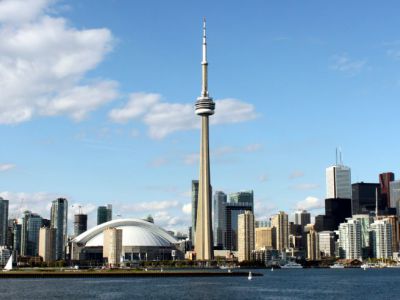
1) CN Tower (must see)
CN Tower is a concrete communications and observation tower situated in Toronto. Standing at an impressive height of 553.3 meters (1,815.3 feet), it was completed in 1976. The tower is prominently located in downtown Toronto, occupying the former Railway Lands. Its name, "CN," originates from Canadian National, the railway company responsible for its construction. When Canadian National decided to divest non-core freight railway assets before privatization in 1995, the tower was transferred to the Canada Lands Company, a federal Crown corporation responsible for the government's real estate portfolio.
For 32 years, from 1975 to 2007, the CN Tower held the distinction of being the world's tallest free-standing structure. It was surpassed by the Burj Khalifa and later the Canton Tower in 2009, relinquishing its title as the world's tallest tower. Nonetheless, it remains the tallest free-standing structure on land in the Western Hemisphere and currently ranks as the tenth-tallest free-standing structure globally. In 1995, the CN Tower was honored as one of the modern Seven Wonders of the World by the American Society of Civil Engineers. Additionally, it is a member of the World Federation of Great Towers.
The CN Tower has become an iconic symbol of Toronto's skyline, drawing over two million international visitors each year. Within its remarkable structure, visitors can explore various observation decks, dine at a revolving restaurant situated approximately 350 meters (1,150 feet) above the ground, and enjoy an entertainment complex.
Why You Should Visit:
Simply put one of the best views in North America. The city is so incredibly planned and laid out and you can truly see this from the top of the CN Tower.
Tip:
You can pay for a time slot to avoid a long wait and some extra to go to the upper levels where it's a bit quieter.
The food at the tower can be quite pricey, so plan accordingly.
For 32 years, from 1975 to 2007, the CN Tower held the distinction of being the world's tallest free-standing structure. It was surpassed by the Burj Khalifa and later the Canton Tower in 2009, relinquishing its title as the world's tallest tower. Nonetheless, it remains the tallest free-standing structure on land in the Western Hemisphere and currently ranks as the tenth-tallest free-standing structure globally. In 1995, the CN Tower was honored as one of the modern Seven Wonders of the World by the American Society of Civil Engineers. Additionally, it is a member of the World Federation of Great Towers.
The CN Tower has become an iconic symbol of Toronto's skyline, drawing over two million international visitors each year. Within its remarkable structure, visitors can explore various observation decks, dine at a revolving restaurant situated approximately 350 meters (1,150 feet) above the ground, and enjoy an entertainment complex.
Why You Should Visit:
Simply put one of the best views in North America. The city is so incredibly planned and laid out and you can truly see this from the top of the CN Tower.
Tip:
You can pay for a time slot to avoid a long wait and some extra to go to the upper levels where it's a bit quieter.
The food at the tower can be quite pricey, so plan accordingly.
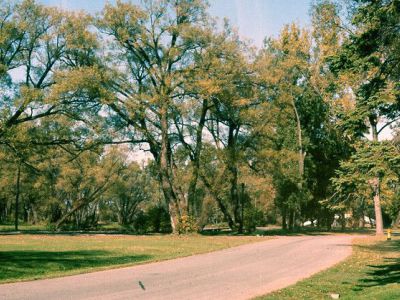
2) Toronto Island Park (must see)
The Toronto Islands Park, also known as the Island or Toronto Island, can be found in Lake Ontario, just a 13-minute ferry ride away from downtown Toronto. The Jack Layton Ferry Terminal, situated at the foot of Bay Street and Queen's Quay, serves as the departure point for boats heading to the Island. Comprising a collection of 15 interconnected islands, one can easily traverse the Island from end to end on foot. Stretching approximately 5 kilometers from Ward's Island to Hanlan's Point, the Island offers a range of attractions suitable for individuals of all ages.
Visitors to the Island, whether young or old, will discover a plethora of activities and sights to enjoy. Sandy swimming beaches, including the renowned Clothing Optional Beach on Hanlan's Point, beckon beachgoers. Sports enthusiasts can make use of the various sports facilities available, while those seeking outdoor adventures can rent bikes, canoes, and kayaks. Additionally, the Island boasts a boating marina, expansive grassy fields perfect for picnics, a theater, nature paths, and even emergency medical services and a fire station. Not to be missed is the charming 150-year-old community of 600 year-round residents living in quaint cottage-like homes.
However, it's important to note that the park operates seasonally, with its vibrant atmosphere from May to late September. During the winter months, the Island becomes eerily quiet, and most facilities close down.
The view of the city from the Islands is truly stunning, and the islands themselves are equally picturesque, making it a paradise for photographers. If you've never had the chance to visit the islands, be sure to add it to your to-do list!
Visitors to the Island, whether young or old, will discover a plethora of activities and sights to enjoy. Sandy swimming beaches, including the renowned Clothing Optional Beach on Hanlan's Point, beckon beachgoers. Sports enthusiasts can make use of the various sports facilities available, while those seeking outdoor adventures can rent bikes, canoes, and kayaks. Additionally, the Island boasts a boating marina, expansive grassy fields perfect for picnics, a theater, nature paths, and even emergency medical services and a fire station. Not to be missed is the charming 150-year-old community of 600 year-round residents living in quaint cottage-like homes.
However, it's important to note that the park operates seasonally, with its vibrant atmosphere from May to late September. During the winter months, the Island becomes eerily quiet, and most facilities close down.
The view of the city from the Islands is truly stunning, and the islands themselves are equally picturesque, making it a paradise for photographers. If you've never had the chance to visit the islands, be sure to add it to your to-do list!
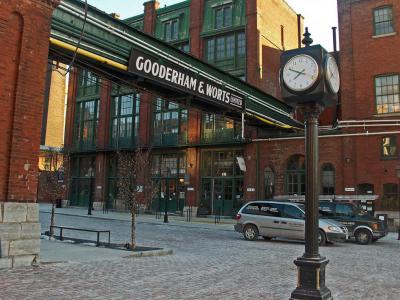
3) Distillery Historic District (must see)
The Distillery District in Toronto is an enchanting area that combines history and entertainment. Situated east of Downtown Toronto, this district has a rich industrial past. It was once the largest industrial zone in Toronto but saw a decline in the distilling industry, leading to its transformation into a bustling shopping and entertainment destination. Spanning over 13 acres (53,000 square meters), the district boasts more than 40 beautifully preserved heritage buildings and 10 charming streets, making it the largest collection of Victorian-era industrial architecture in North America.
A distinguishing feature of the Distillery District is its traditional brick-paved streets and lanes, which are exclusively reserved for pedestrians and cyclists. Vehicle traffic is restricted to the streets and parking areas outside the district's historic center, ensuring a tranquil and pedestrian-friendly environment. Adding to its charm, the lanes are adorned with several captivating sculptures, with three located on Distillery Lane and the final one at the parking area towards the end of Trinity Street. One of the prominent landmarks in the area is the chimney stack atop the Boiler House complex.
Visitors to the Distillery District can find both informal and formal public spaces to relax, socialize, and enjoy the unique ambiance. Pedestrianized streets offer inviting chairs and tables where people can gather and unwind. Additionally, various coffee houses and restaurants feature formal patios, providing an ideal setting for a delightful dining experience. This well-designed district not only attracts pedestrian traffic but also encourages visitors to spend quality time in its inviting spaces.
Why You Should Visit:
The old buildings in combination with art stores & galleries, eateries, craft breweries, and occasional live performances make a stroll worthwhile if you have spare time.
Tip:
They run a Christmas market in the District and it's quite fun and well-decorated. The whole area is closed off with entrances and you can walk about looking, eating, drinking, and shopping all you like.
A distinguishing feature of the Distillery District is its traditional brick-paved streets and lanes, which are exclusively reserved for pedestrians and cyclists. Vehicle traffic is restricted to the streets and parking areas outside the district's historic center, ensuring a tranquil and pedestrian-friendly environment. Adding to its charm, the lanes are adorned with several captivating sculptures, with three located on Distillery Lane and the final one at the parking area towards the end of Trinity Street. One of the prominent landmarks in the area is the chimney stack atop the Boiler House complex.
Visitors to the Distillery District can find both informal and formal public spaces to relax, socialize, and enjoy the unique ambiance. Pedestrianized streets offer inviting chairs and tables where people can gather and unwind. Additionally, various coffee houses and restaurants feature formal patios, providing an ideal setting for a delightful dining experience. This well-designed district not only attracts pedestrian traffic but also encourages visitors to spend quality time in its inviting spaces.
Why You Should Visit:
The old buildings in combination with art stores & galleries, eateries, craft breweries, and occasional live performances make a stroll worthwhile if you have spare time.
Tip:
They run a Christmas market in the District and it's quite fun and well-decorated. The whole area is closed off with entrances and you can walk about looking, eating, drinking, and shopping all you like.
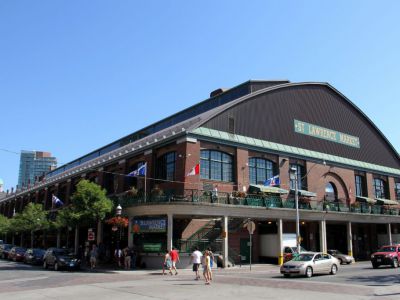
4) St. Lawrence Market (must see)
Established in 1803, Saint Lawrence Market is the nerve centre of Toronto's commercial activity. Located in the former industrial area (between Jarvis, Front, King, and Church streets), this is the city's largest and perhaps most famous market. The bulk of its crowd are locals doing regular grocery shopping or simply popping in for a cup of coffee or chit-chat with neighbors. Tourists are also seen here rather often, lured by the bustling atmosphere and tasty foods.
Undoubtedly, food is the main draw at Saint Lawrence. Here, you can find everything: from beef to kangaroo meat, plus hundreds of kinds of cheeses, gourmet dog treats, local wines, French baked goods, Greek olive oil, and even New Zealand honey. There is also plenty of prepared food, such as the famous peameal bacon sandwich, that you can eat right on site.
The South Market section houses daily sales of fresh produce, dairy, and meats. Freshly-baked goods are also available here all day, much as some non-food items. There is a number of artisan shops selling jewelry and other crafts. Also, the Market Gallery, on the second floor, has an area for cultural events.
The North Market section traditionally houses a Saturday farmer’s market (featuring producers from southern Ontario) and a Sunday antiques sale. Both ventures start at 5 o'clock in the morning and run until 5 o'clock in the evening.
From an architectural standpoint, Saint Lawrence is just as attractive. Its massive main brick building, with a cast-iron ceiling inspired by London’s Saint Pancras train station, was constructed in 1902. Part of the Old City Hall, which dates from 1845, was incorporated into the building, and you can still see part of the original jail on the lower level of the market.
Undoubtedly, food is the main draw at Saint Lawrence. Here, you can find everything: from beef to kangaroo meat, plus hundreds of kinds of cheeses, gourmet dog treats, local wines, French baked goods, Greek olive oil, and even New Zealand honey. There is also plenty of prepared food, such as the famous peameal bacon sandwich, that you can eat right on site.
The South Market section houses daily sales of fresh produce, dairy, and meats. Freshly-baked goods are also available here all day, much as some non-food items. There is a number of artisan shops selling jewelry and other crafts. Also, the Market Gallery, on the second floor, has an area for cultural events.
The North Market section traditionally houses a Saturday farmer’s market (featuring producers from southern Ontario) and a Sunday antiques sale. Both ventures start at 5 o'clock in the morning and run until 5 o'clock in the evening.
From an architectural standpoint, Saint Lawrence is just as attractive. Its massive main brick building, with a cast-iron ceiling inspired by London’s Saint Pancras train station, was constructed in 1902. Part of the Old City Hall, which dates from 1845, was incorporated into the building, and you can still see part of the original jail on the lower level of the market.
5) Nathan Phillips Square
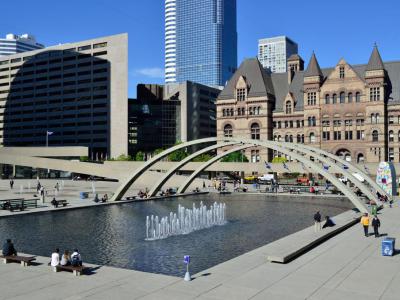
Nathan Phillips Square stands as a bustling urban plaza, positioned as the welcoming space before Toronto City Hall, also known as New City Hall. Situated at the intersection of Queen Street West and Bay Street, this vibrant square derives its name from Nathan Phillips, who served as the mayor of Toronto between 1955 and 1962. The visionary architect Viljo Revell, in collaboration with landscape architect Richard Strong, crafted the design of this square, which was officially inaugurated in 1965.
In present times, Nathan Phillips Square remains a vibrant hub, hosting a diverse range of public events. It serves as a venue for captivating art exhibitions, thrilling concerts, inspiring rallies, and a bustling weekly farmers' market, among other ceremonies. Notable annual occasions include the lively New Year's Eve Party and the enchanting Cavalcade of Lights Festival, where the official Christmas tree is splendidly illuminated.
The square also welcomes the renowned Nuit Blanche art festival, which transforms the square into an artistic haven, extending its displays into the underground parking garage. Furthermore, during the winter months, the reflective pool undergoes a marvelous metamorphosis, transforming into an inviting ice rink for ice-skating enthusiasts.
Year after year, Nathan Phillips Square magnetizes an estimated 1.5 million visitors, allured by its charm and grandeur. Covering an expansive area of 4.85 hectares (12.0 acres), this city square proudly claims the title of Canada's largest, offering an expansive and captivating experience to all who venture within its borders.
In present times, Nathan Phillips Square remains a vibrant hub, hosting a diverse range of public events. It serves as a venue for captivating art exhibitions, thrilling concerts, inspiring rallies, and a bustling weekly farmers' market, among other ceremonies. Notable annual occasions include the lively New Year's Eve Party and the enchanting Cavalcade of Lights Festival, where the official Christmas tree is splendidly illuminated.
The square also welcomes the renowned Nuit Blanche art festival, which transforms the square into an artistic haven, extending its displays into the underground parking garage. Furthermore, during the winter months, the reflective pool undergoes a marvelous metamorphosis, transforming into an inviting ice rink for ice-skating enthusiasts.
Year after year, Nathan Phillips Square magnetizes an estimated 1.5 million visitors, allured by its charm and grandeur. Covering an expansive area of 4.85 hectares (12.0 acres), this city square proudly claims the title of Canada's largest, offering an expansive and captivating experience to all who venture within its borders.
6) Art Gallery of Ontario (AGO) (must see)
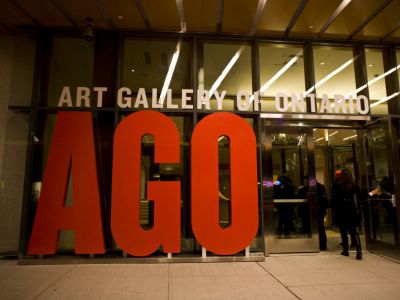
Toronto boasts an impressive architectural marvel known as the Art Gallery of Ontario (AGO), which houses the largest collection of Canadian art in the world. Spanning a vast 45,000 square meters (480,000 square feet), this museum complex ranks among North America's largest art venues.
Originally established in 1900 as the Art Museum of Toronto by a group of private citizens and members of the Toronto Society of Arts, it later acquired its first home, the historic Georgian manor known as The Grange, in 1911. In 1966, the institution adopted its present name, the Art Gallery of Ontario. Throughout its history, the museum has undergone several expansions to its north and west, with the most recent ones occurring in the early 2000s and 2010s.
AGO's permanent collection boasts an impressive total of over 120,000 items. These exhibits showcase various artistic movements and eras, organized into distinct "collection areas" dedicated to specific art forms, artists, benefactors, chronological periods, or geographic locales. On the second floor, visitors can explore an extensive collection of Canadian art, including works by First Nations and Inuit artists.
Additionally, throughout the museum's halls, over 80,000 European art pieces dating from 1000 CE to 1900 CE are on display. Noteworthy European artworks include those by renowned artists such as Gian Lorenzo Bernini, Edgar Degas, Thomas Gainsborough, Paul Gauguin, Claude Monet, Rembrandt, Auguste Rodin, and James Tissot. Paintings and sculptures adorn the ground floor, while the museum's concourse features a captivating collection of mostly British ship models.
Enthusiasts of modern and contemporary art will also find satisfaction in the works of Andy Warhol, Claes Oldenburg, and Jenny Holzer. The gallery's remarkable collection of modern sculptures, including the groundbreaking creations of Henry Moore, is equally awe-inspiring with its semi-abstract designs.
The AGO's architecture alone is a sight to behold, but combined with the wealth of artwork contained within, it guarantees an immensely enjoyable experience. Before leaving, visitors can also browse the museum's shop and discover an array of fun and intriguing items on offer.
Tip:
The museum policy allows for exiting and re-entering on your ticket within the day.
Originally established in 1900 as the Art Museum of Toronto by a group of private citizens and members of the Toronto Society of Arts, it later acquired its first home, the historic Georgian manor known as The Grange, in 1911. In 1966, the institution adopted its present name, the Art Gallery of Ontario. Throughout its history, the museum has undergone several expansions to its north and west, with the most recent ones occurring in the early 2000s and 2010s.
AGO's permanent collection boasts an impressive total of over 120,000 items. These exhibits showcase various artistic movements and eras, organized into distinct "collection areas" dedicated to specific art forms, artists, benefactors, chronological periods, or geographic locales. On the second floor, visitors can explore an extensive collection of Canadian art, including works by First Nations and Inuit artists.
Additionally, throughout the museum's halls, over 80,000 European art pieces dating from 1000 CE to 1900 CE are on display. Noteworthy European artworks include those by renowned artists such as Gian Lorenzo Bernini, Edgar Degas, Thomas Gainsborough, Paul Gauguin, Claude Monet, Rembrandt, Auguste Rodin, and James Tissot. Paintings and sculptures adorn the ground floor, while the museum's concourse features a captivating collection of mostly British ship models.
Enthusiasts of modern and contemporary art will also find satisfaction in the works of Andy Warhol, Claes Oldenburg, and Jenny Holzer. The gallery's remarkable collection of modern sculptures, including the groundbreaking creations of Henry Moore, is equally awe-inspiring with its semi-abstract designs.
The AGO's architecture alone is a sight to behold, but combined with the wealth of artwork contained within, it guarantees an immensely enjoyable experience. Before leaving, visitors can also browse the museum's shop and discover an array of fun and intriguing items on offer.
Tip:
The museum policy allows for exiting and re-entering on your ticket within the day.
7) Casa Loma (must see)
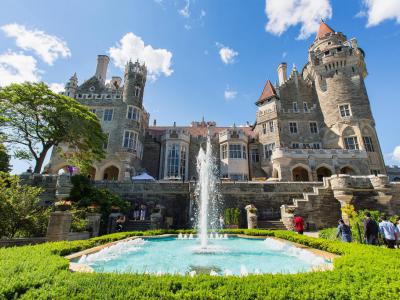
Casa Loma, which translates to "Hill House" in Spanish (although not entirely accurate), is a remarkable mansion and garden located in midtown Toronto. Built between 1911 and 1914, this Gothic Revival castle-style residence was commissioned by financier Sir Henry Pellatt and designed by the renowned architect E. J. Lennox, who was responsible for creating various notable landmarks throughout the city. Situated at an elevation of 140 meters (460 feet) above sea level, Casa Loma proudly stands 66 meters (217 feet) above Lake Ontario.
The structure itself is a captivating representation of the Edwardian era. Within the castle's walls, visitors can delight in the opulence of its exquisite furnishings, lavishly adorned rooms, elegant bathrooms, concealed passageways, and a splendid garden embellished with sculptures and fountains. Sir Henry enlisted the talents of skilled artisans from Europe to craft much of the furniture and other distinctive features found within the mansion. Spanning across five acres, Casa Loma's gardens add to its allure.
A tunnel discreetly connects Casa Loma to the Hunting Lodge and the stables, which include a garage, potting shed, stalls, carriage room, and tack rooms. This seamless integration of architectural elements is a testament to the attention to detail and grandeur of the estate.
Thanks to its distinctive architectural charm in Toronto, Casa Loma has become a sought-after filming location for movies and television productions. Furthermore, it serves as a popular choice for wedding ceremonies, and it is even possible to rent Casa Loma in the evenings for private events after the museum closes its doors to the public.
Why You Should Visit:
Cool to learn some Toronto history. Neat old building with lots of areas to explore.
Tip:
Take the audioguide (freely available downstairs next to the restaurant and gift shop) as it allows you to walk around the building/grounds at your own pace and see all the things you want to see.
Make sure you also head all the way to the towers for an incredible view of the city.
The structure itself is a captivating representation of the Edwardian era. Within the castle's walls, visitors can delight in the opulence of its exquisite furnishings, lavishly adorned rooms, elegant bathrooms, concealed passageways, and a splendid garden embellished with sculptures and fountains. Sir Henry enlisted the talents of skilled artisans from Europe to craft much of the furniture and other distinctive features found within the mansion. Spanning across five acres, Casa Loma's gardens add to its allure.
A tunnel discreetly connects Casa Loma to the Hunting Lodge and the stables, which include a garage, potting shed, stalls, carriage room, and tack rooms. This seamless integration of architectural elements is a testament to the attention to detail and grandeur of the estate.
Thanks to its distinctive architectural charm in Toronto, Casa Loma has become a sought-after filming location for movies and television productions. Furthermore, it serves as a popular choice for wedding ceremonies, and it is even possible to rent Casa Loma in the evenings for private events after the museum closes its doors to the public.
Why You Should Visit:
Cool to learn some Toronto history. Neat old building with lots of areas to explore.
Tip:
Take the audioguide (freely available downstairs next to the restaurant and gift shop) as it allows you to walk around the building/grounds at your own pace and see all the things you want to see.
Make sure you also head all the way to the towers for an incredible view of the city.
8) High Park (must see)
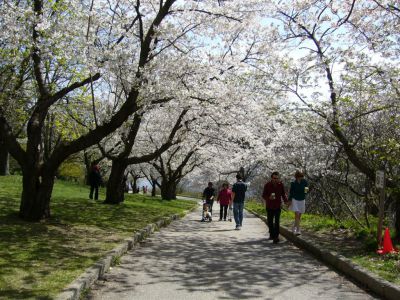
High Park, situated in Toronto, is a municipal park offering a blend of recreational and natural spaces. It boasts an array of facilities such as sports grounds, cultural venues, educational establishments, gardens, playgrounds, and even a zoo. A notable portion of the park, approximately one-third, remains untouched, featuring a rare oak savannah ecosystem.
The park was originally made accessible to the public in 1876, thanks to a generous land bequest from John George Howard to the City of Toronto. Encompassing a vast area of 161 hectares (400 acres), it stands as the second-largest municipal park in Toronto, second only to Centennial Park.
Located west of downtown Toronto, north of Humber Bay, High Park falls under the stewardship of the City of Toronto Parks Department. Its borders span from Bloor Street West to The Queensway, just north of Lake Ontario, while being bounded by Ellis Park Road and Grenadier Pond on the west and Parkside Drive on the east.
The park's topography is characterized by undulating hills and is marked by two deep ravines that stretch across its entire north-south expanse. Several natural areas within the park hold significant provincial designation as Areas of Natural and Scientific Interest.
High Park boasts numerous attractions that captivate visitors. These include the historic Colborne Lodge museum, delightful hillside gardens, the zoo, the Grenadier Cafe, and an amphitheater. Additionally, the park offers sports fields, a hockey rink, a pool, tennis courts, playgrounds, nature trails, and picnic spots.
During the spring and fall seasons, visitors can enjoy a unique experience aboard the "trackless train." This train, pulled by a tractor, features several wagons cleverly designed to resemble a red and white train. The train operates on a 30-minute schedule, allowing passengers to tour various areas of the park. Stops along the route include Bloor Street, the northwestern playground, west of the Grenadier Cafe, Grenadier Pond, south of Colborne Lodge, and the Bell playground. To board the train, tickets can be purchased directly from the train conductor.
The park was originally made accessible to the public in 1876, thanks to a generous land bequest from John George Howard to the City of Toronto. Encompassing a vast area of 161 hectares (400 acres), it stands as the second-largest municipal park in Toronto, second only to Centennial Park.
Located west of downtown Toronto, north of Humber Bay, High Park falls under the stewardship of the City of Toronto Parks Department. Its borders span from Bloor Street West to The Queensway, just north of Lake Ontario, while being bounded by Ellis Park Road and Grenadier Pond on the west and Parkside Drive on the east.
The park's topography is characterized by undulating hills and is marked by two deep ravines that stretch across its entire north-south expanse. Several natural areas within the park hold significant provincial designation as Areas of Natural and Scientific Interest.
High Park boasts numerous attractions that captivate visitors. These include the historic Colborne Lodge museum, delightful hillside gardens, the zoo, the Grenadier Cafe, and an amphitheater. Additionally, the park offers sports fields, a hockey rink, a pool, tennis courts, playgrounds, nature trails, and picnic spots.
During the spring and fall seasons, visitors can enjoy a unique experience aboard the "trackless train." This train, pulled by a tractor, features several wagons cleverly designed to resemble a red and white train. The train operates on a 30-minute schedule, allowing passengers to tour various areas of the park. Stops along the route include Bloor Street, the northwestern playground, west of the Grenadier Cafe, Grenadier Pond, south of Colborne Lodge, and the Bell playground. To board the train, tickets can be purchased directly from the train conductor.
