Custom Walk in Casablanca, Morocco by roslynscheer_7e29a created on 2025-07-24
Guide Location: Morocco » Casablanca
Guide Type: Custom Walk
# of Sights: 5
Tour Duration: 5 Hour(s)
Travel Distance: 14.5 Km or 9 Miles
Share Key: T52EN
Guide Type: Custom Walk
# of Sights: 5
Tour Duration: 5 Hour(s)
Travel Distance: 14.5 Km or 9 Miles
Share Key: T52EN
How It Works
Please retrieve this walk in the GPSmyCity app. Once done, the app will guide you from one tour stop to the next as if you had a personal tour guide. If you created the walk on this website or come to the page via a link, please follow the instructions below to retrieve the walk in the app.
Retrieve This Walk in App
Step 1. Download the app "GPSmyCity: Walks in 1K+ Cities" on Apple App Store or Google Play Store.



Step 2. In the GPSmyCity app, download(or launch) the guide "Casablanca Map and Walking Tours".
Step 3. Tap the menu button located at upper right corner of the "Walks" screen and select "Retrieve custom walk". Enter the share key: T52EN
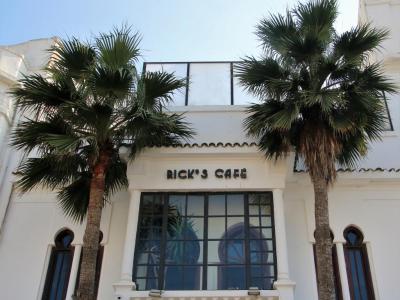
1) Rick's Café Casablanca
Go to number 248 Boulevard Sour Jdid, Place du Jardins Public in Casablanca, act natural, knock twice and ask for Rick. That would be a fun way to wind up a busy day in the Old City. There is no Rick, but this is his place; a restaurant cafe that opened in Casablanca in 2004. It is modeled on the shady dive made famous by Humphrey Bogart.
The owners are The Usual Suspects company. They maintain this cafe is the real McCoy. Rick's Cafe was conceived by Ms Kathy Kriger. Kathy retired from the diplomatic service after the 9/11 attacks. Alarmed at the "war on terrorism", she made her bid for tolerance by investing in a Muslim country. The result was Rick's Place. Kathy died in 2018.
The cafe is in a renovated Moroccan mansion with a courtyard built in 1930. Two palm trees stand on either side of the front door. There are three facades. There is a main entrance with sturdy wooden doors as in the movie. There are also a facade facing the sea and a dead-end service entrance.
American architect Bill Willis brought back the architectural details of the film. He developed the curved arches, the sculpted bar, the balconies, balustrades, the lighting, the plants and the shadowy white walls. The fireplaces are made from carved marble and painted tiles. The floors are terra cotta tiles.
There is a Pleyel piano and music every night Tuesday through Sunday. There are often jam sessions with musicians passing through town. Play it again, Sam.
The owners are The Usual Suspects company. They maintain this cafe is the real McCoy. Rick's Cafe was conceived by Ms Kathy Kriger. Kathy retired from the diplomatic service after the 9/11 attacks. Alarmed at the "war on terrorism", she made her bid for tolerance by investing in a Muslim country. The result was Rick's Place. Kathy died in 2018.
The cafe is in a renovated Moroccan mansion with a courtyard built in 1930. Two palm trees stand on either side of the front door. There are three facades. There is a main entrance with sturdy wooden doors as in the movie. There are also a facade facing the sea and a dead-end service entrance.
American architect Bill Willis brought back the architectural details of the film. He developed the curved arches, the sculpted bar, the balconies, balustrades, the lighting, the plants and the shadowy white walls. The fireplaces are made from carved marble and painted tiles. The floors are terra cotta tiles.
There is a Pleyel piano and music every night Tuesday through Sunday. There are often jam sessions with musicians passing through town. Play it again, Sam.
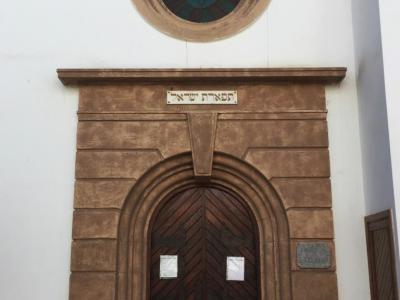
2) Ettedgui Synagogue
The Ettedgui Synagogue in Casablanca serves as a testament to the Jewish history of the region. Constructed in 1920 by the affluent Ettedgui family, it originally served a vibrant Jewish community. However, the synagogue faced a significant setback when it was accidentally bombed during the Allied invasion of Northern Africa in World War II. The rebuilding efforts, initiated in the 1980s, culminated in 2010, aligning with King Mohamed VI's broader initiative to rehabilitate the Old Medina of Casablanca under the Jewish Heritage program. This program aimed to preserve and restore Jewish synagogues and cemeteries, safeguarding the rich Jewish heritage of Morocco.
Today, the synagogue not only continues to host religious services but also features a museum. This museum houses a collection of photographs, paintings, and cultural objects that chronicle the Jewish community’s historical presence in Casablanca.
The political backdrop to the synagogue's history involves the reigns of King Hassan II and his son, King Mohamed VI. King Hassan II, often seen as an authoritarian, facilitated Operation Yachin, which significantly reduced the Jewish population in Casablanca by aiding their migration to Israel. Following his death in 1999, his son assumed the throne and implemented significant social reforms. These included a new constitution that reinforced the freedom of religion and acknowledged Judaism as an integral part of Morocco's heritage.
King Mohamed VI's efforts culminated in the synagogue's rededication in 2016, which he attended, underscoring his dedication to preserving Jewish history and ensuring the protection of Jews in Morocco. The Ettedgui Synagogue thus symbolizes not only a rich historical legacy but also the contemporary commitment to religious and cultural tolerance in Morocco.
Today, the synagogue not only continues to host religious services but also features a museum. This museum houses a collection of photographs, paintings, and cultural objects that chronicle the Jewish community’s historical presence in Casablanca.
The political backdrop to the synagogue's history involves the reigns of King Hassan II and his son, King Mohamed VI. King Hassan II, often seen as an authoritarian, facilitated Operation Yachin, which significantly reduced the Jewish population in Casablanca by aiding their migration to Israel. Following his death in 1999, his son assumed the throne and implemented significant social reforms. These included a new constitution that reinforced the freedom of religion and acknowledged Judaism as an integral part of Morocco's heritage.
King Mohamed VI's efforts culminated in the synagogue's rededication in 2016, which he attended, underscoring his dedication to preserving Jewish history and ensuring the protection of Jews in Morocco. The Ettedgui Synagogue thus symbolizes not only a rich historical legacy but also the contemporary commitment to religious and cultural tolerance in Morocco.
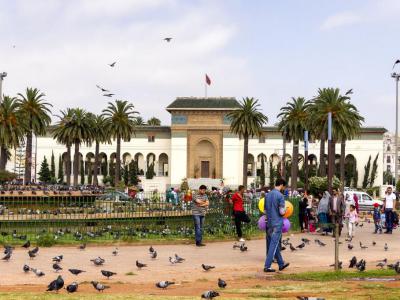
3) Old Medina
Nestled in the northern part of Casablanca, between the bustling port and the majestic seafront Hassan II Mosque, lies the Old Medina, a historical gem that transports visitors back to pre-20th century Casablanca. This area, the original core of the city, contrasts sharply with the sprawling modern city that surrounds it. Characterized by a labyrinth of narrow alleyways and a vibrant souk, the Old Medina is encased by the remnants of ancient walls, standing as a testament to the city's rich heritage.
The Old Medina embodies a typical Arab cityscape with winding paths and surprising twists that immerse visitors in a vibrant atmosphere highlighted by local culinary scents, traditional sights, and lively sounds. It offers a unique shopping experience with markets on every corner, selling everything from fresh produce to furniture, antiques, clothing, and accessories. The architecture showcases Arab-Muslim influences in its design and decorations.
Despite lacking the medieval allure found in many Moroccan medinas, the 19th-century Casablanca Medina is still a worthy exploration site. The everyday shops predominantly sell hardware, pharmaceuticals, and inexpensive clothing and shoes. Yet, the charm of the Medina's whitewashed, crooked lanes, occasionally tree-shaded squares, and lively local cafes make it a favored path for those strolling from downtown Casablanca to the Hassan II Mosque.
On the northern side, facing the port, visitors can view the remnants of Casablanca’s 18th-century fortifications, known as the sqala. This bastion provides panoramic views over the sea, offering a picturesque vantage point that captures the essence of Casablanca’s historical and cultural landscape.
Why You Should Visit:
Great things to see and buy at reasonable prices (good for bargaining), and you'll also get to be near the old forts and city walls as you wind your way through the narrow alleys.
Tip:
The people who live and work in the Medina sometimes do not like your presence, especially when taking photos of their homes or their businesses. Ask for permission first!
If you're looking for items that are a bit more upscale, try the Nouvelle (New) Medina in the Quartier of Habous. Be warned, however, that prices will be more upscale, too.
The Old Medina embodies a typical Arab cityscape with winding paths and surprising twists that immerse visitors in a vibrant atmosphere highlighted by local culinary scents, traditional sights, and lively sounds. It offers a unique shopping experience with markets on every corner, selling everything from fresh produce to furniture, antiques, clothing, and accessories. The architecture showcases Arab-Muslim influences in its design and decorations.
Despite lacking the medieval allure found in many Moroccan medinas, the 19th-century Casablanca Medina is still a worthy exploration site. The everyday shops predominantly sell hardware, pharmaceuticals, and inexpensive clothing and shoes. Yet, the charm of the Medina's whitewashed, crooked lanes, occasionally tree-shaded squares, and lively local cafes make it a favored path for those strolling from downtown Casablanca to the Hassan II Mosque.
On the northern side, facing the port, visitors can view the remnants of Casablanca’s 18th-century fortifications, known as the sqala. This bastion provides panoramic views over the sea, offering a picturesque vantage point that captures the essence of Casablanca’s historical and cultural landscape.
Why You Should Visit:
Great things to see and buy at reasonable prices (good for bargaining), and you'll also get to be near the old forts and city walls as you wind your way through the narrow alleys.
Tip:
The people who live and work in the Medina sometimes do not like your presence, especially when taking photos of their homes or their businesses. Ask for permission first!
If you're looking for items that are a bit more upscale, try the Nouvelle (New) Medina in the Quartier of Habous. Be warned, however, that prices will be more upscale, too.
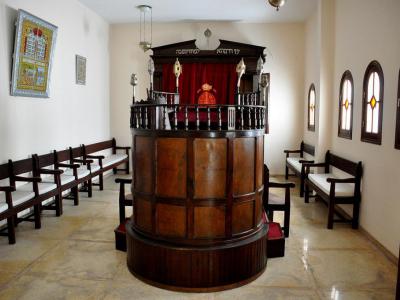
4) Museum of Moroccan Judaism
The Museum of Moroccan Judaism, located in the Oasis neighborhood of Casablanca, is the only museum dedicated to Judaism in the Arab world. Established in 1997, it is housed in a building that dates back to 1948, originally serving as a Jewish orphanage for up to 160 children. The museum underwent significant renovations in 2013 to support its expanded role.
The foundation of the museum was driven by Simon Levy, a notable former professor at the University of Rabat and a fervent advocate for Moroccan Jewish culture and human rights. Levy, who lived from 1934 to 2011, played a pivotal role during the colonial period and the reign of King Hassan II, dedicating his later years to preserving Jewish heritage in Morocco.
The museum’s collection is rich and varied, featuring significant Jewish artifacts such as a bimah from the Beni-Issakhar Synagogue in Casablanca, dating back to around 1944, along with mezuzahs, and Hanukiah menorahs. Additionally, it showcases Berber history, including traditional costumes, jewelry, and Fatima pendants, highlighting the intertwined histories of Jewish and Berber communities in Morocco.
One of the museum's intriguing exhibits is a recreated jewelry-making shop, which includes the original workbench and tools of a Moroccan Jew named Saul Cohen. This exhibit provides insight into the craftsmanship and cultural contributions of Moroccan Jews.
The museum’s architecture spans 700 square meters and features a large multipurpose room used for displaying art by Jewish Moroccans, including paintings, photographs, and sculptures. Three other exhibit rooms focus on religious practices, family life, and recreations of Moroccan synagogues, offering visitors a comprehensive view of Jewish life in Morocco.
In 2019, the museum's collection expanded significantly thanks to a generous donation from French Moroccan opera singer David Serero, who contributed a large portion of his Moroccan Judaica art collection, marking the largest donation of Judaica artifacts ever received by a Moroccan museum.
The foundation of the museum was driven by Simon Levy, a notable former professor at the University of Rabat and a fervent advocate for Moroccan Jewish culture and human rights. Levy, who lived from 1934 to 2011, played a pivotal role during the colonial period and the reign of King Hassan II, dedicating his later years to preserving Jewish heritage in Morocco.
The museum’s collection is rich and varied, featuring significant Jewish artifacts such as a bimah from the Beni-Issakhar Synagogue in Casablanca, dating back to around 1944, along with mezuzahs, and Hanukiah menorahs. Additionally, it showcases Berber history, including traditional costumes, jewelry, and Fatima pendants, highlighting the intertwined histories of Jewish and Berber communities in Morocco.
One of the museum's intriguing exhibits is a recreated jewelry-making shop, which includes the original workbench and tools of a Moroccan Jew named Saul Cohen. This exhibit provides insight into the craftsmanship and cultural contributions of Moroccan Jews.
The museum’s architecture spans 700 square meters and features a large multipurpose room used for displaying art by Jewish Moroccans, including paintings, photographs, and sculptures. Three other exhibit rooms focus on religious practices, family life, and recreations of Moroccan synagogues, offering visitors a comprehensive view of Jewish life in Morocco.
In 2019, the museum's collection expanded significantly thanks to a generous donation from French Moroccan opera singer David Serero, who contributed a large portion of his Moroccan Judaica art collection, marking the largest donation of Judaica artifacts ever received by a Moroccan museum.

5) Temple Beth-El
Temple Beth-El, located in Casablanca, is a prominent symbol of the city's rich Jewish heritage. Known for being one of the largest synagogues in the Kingdom of Morocco, it is not only a place of worship but also serves as a social and religious hub for Casablanca’s Jewish community. The city, which houses the largest Jewish population in the Arab world, boasts more than 30 synagogues, with Beth-El often regarded as the centerpiece.
Architecturally, Temple Beth-El is renowned for its splendid design elements, including luxurious chandeliers and stained glass windows that cast colorful light across the white and gilded plaster interiors. These features attract many tourists, highlighting the synagogue's role in promoting Jewish culture and heritage. A significant refurbishment in 1997 helped preserve these artistic elements and the building's overall grandeur.
Beth-El's historical and cultural significance extends beyond its architecture. The synagogue encapsulates the once vibrant Jewish community of Casablanca, which has dwindled to about 2,000 members today. Despite this decrease, the majority of the Jewish population continues to gather here for prayer and celebration, underscoring its importance in their religious life.
Moreover, Temple Beth-El symbolizes the harmonious coexistence between Muslims and Jews in Morocco-a country with a Jewish history dating back to 70 CE. At times, the Islamic call to prayer melds with Jewish prayers within the temple walls, painting a vivid picture of mutual respect and integration. The synagogue's Muslim gatekeeper, who kneels for prayer at the entrance, further exemplifies this peaceful interfaith relationship.
Architecturally, Temple Beth-El is renowned for its splendid design elements, including luxurious chandeliers and stained glass windows that cast colorful light across the white and gilded plaster interiors. These features attract many tourists, highlighting the synagogue's role in promoting Jewish culture and heritage. A significant refurbishment in 1997 helped preserve these artistic elements and the building's overall grandeur.
Beth-El's historical and cultural significance extends beyond its architecture. The synagogue encapsulates the once vibrant Jewish community of Casablanca, which has dwindled to about 2,000 members today. Despite this decrease, the majority of the Jewish population continues to gather here for prayer and celebration, underscoring its importance in their religious life.
Moreover, Temple Beth-El symbolizes the harmonious coexistence between Muslims and Jews in Morocco-a country with a Jewish history dating back to 70 CE. At times, the Islamic call to prayer melds with Jewish prayers within the temple walls, painting a vivid picture of mutual respect and integration. The synagogue's Muslim gatekeeper, who kneels for prayer at the entrance, further exemplifies this peaceful interfaith relationship.
