Custom Walk in Willemstad, Curacao by jeaninejefferswoolf_628ad6 created on 2025-12-31
Guide Location: Curacao » Willemstad
Guide Type: Custom Walk
# of Sights: 15
Tour Duration: 3 Hour(s)
Travel Distance: 5.5 Km or 3.4 Miles
Share Key: KHHNK
Guide Type: Custom Walk
# of Sights: 15
Tour Duration: 3 Hour(s)
Travel Distance: 5.5 Km or 3.4 Miles
Share Key: KHHNK
How It Works
Please retrieve this walk in the GPSmyCity app. Once done, the app will guide you from one tour stop to the next as if you had a personal tour guide. If you created the walk on this website or come to the page via a link, please follow the instructions below to retrieve the walk in the app.
Retrieve This Walk in App
Step 1. Download the app "GPSmyCity: Walks in 1K+ Cities" on Apple App Store or Google Play Store.



Step 2. In the GPSmyCity app, download(or launch) the guide "Willemstad Map and Walking Tours".
Step 3. Tap the menu button located at upper right corner of the "Walks" screen and select "Retrieve custom walk". Enter the share key: KHHNK
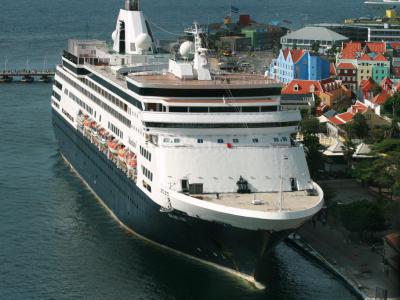
1) Curaçao Cruise Port
The Willemstad Cruise Port stands as a pivotal gateway to the captivating island of Curaçao. Serving as the primary and largest port on the island, the Port of Willemstad boasts a comprehensive array of maritime facilities catering to vessels of various types and sizes.
At the heart of this maritime hub is the entrance channel, Saint Anna Bay. Cruise ships and diverse vessels gracefully navigate through this channel, finding their docking points at the Megapier Cruise Terminal, situated at the entrance of the bay. Additionally, cruise terminals on the Otrobanda side of the bay provide additional berthing options for visiting vessels.
The Curaçao Cruise Port offers state-of-the-art facilities and services designed to accommodate cruise ships of varying sizes. Beyond its maritime functions, the port area is equipped with a modern shopping center, enticing restaurants, and entertainment options that cater to the diverse needs and preferences of cruise passengers.
One of the distinctive features of the Curaçao Cruise Port is its accessibility to the island's treasures. Passengers can easily explore Curaçao's pristine beaches, iconic sights, and landmarks. To enhance their experience, visitors have the option to book shore excursions, take a taxi, or rent a car, allowing them to traverse the island at their own pace.
Downtown Willemstad, a UNESCO World Heritage Site known for its colorful architecture and rich history, is conveniently within walking distance from the various piers.
At the heart of this maritime hub is the entrance channel, Saint Anna Bay. Cruise ships and diverse vessels gracefully navigate through this channel, finding their docking points at the Megapier Cruise Terminal, situated at the entrance of the bay. Additionally, cruise terminals on the Otrobanda side of the bay provide additional berthing options for visiting vessels.
The Curaçao Cruise Port offers state-of-the-art facilities and services designed to accommodate cruise ships of varying sizes. Beyond its maritime functions, the port area is equipped with a modern shopping center, enticing restaurants, and entertainment options that cater to the diverse needs and preferences of cruise passengers.
One of the distinctive features of the Curaçao Cruise Port is its accessibility to the island's treasures. Passengers can easily explore Curaçao's pristine beaches, iconic sights, and landmarks. To enhance their experience, visitors have the option to book shore excursions, take a taxi, or rent a car, allowing them to traverse the island at their own pace.
Downtown Willemstad, a UNESCO World Heritage Site known for its colorful architecture and rich history, is conveniently within walking distance from the various piers.
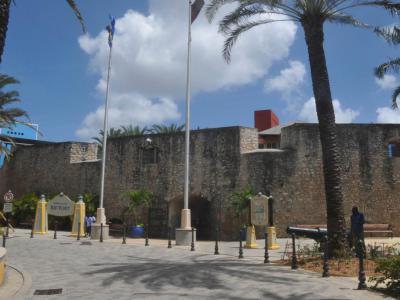
2) Renaissance Mall and Rif Fort
Renaissance Mall and Rif Fort, located just past the pontoon bridge, is a historic site that blends its 19th-century origins with modern shops, bars, and restaurants. Built in 1828 to protect Willemstad’s Otrobanda district, the fort has served many roles over the years, including a brothel, police station, prison, and radiotelegraphy post.
A climb up the fort’s stairs offers clear views that highlight its former defensive importance. From the nearby pontoon bridge, visitors can also enjoy views of historic Willemstad across the water.
Those interested in Curaçao’s history can join the Historical Walking Tour, which covers topics such as the island’s people, languages, environment, and the forts of Punda and Otrobanda. The adjacent mall offers a wide range of shopping, featuring European and American designer brands, artisan boutiques, and jewelry stores.
Rif Fort also has a varied dining scene, with restaurants serving ribs, hamburgers, steak, seafood, sushi, and Italian dishes. The fort’s bars provide relaxed places to enjoy a cold beer, an aperitif, or a glass of wine outdoors. Visitors can also try Caribe Ponche, a local liqueur made with rum, vanilla, eggs, milk, and spices.
A climb up the fort’s stairs offers clear views that highlight its former defensive importance. From the nearby pontoon bridge, visitors can also enjoy views of historic Willemstad across the water.
Those interested in Curaçao’s history can join the Historical Walking Tour, which covers topics such as the island’s people, languages, environment, and the forts of Punda and Otrobanda. The adjacent mall offers a wide range of shopping, featuring European and American designer brands, artisan boutiques, and jewelry stores.
Rif Fort also has a varied dining scene, with restaurants serving ribs, hamburgers, steak, seafood, sushi, and Italian dishes. The fort’s bars provide relaxed places to enjoy a cold beer, an aperitif, or a glass of wine outdoors. Visitors can also try Caribe Ponche, a local liqueur made with rum, vanilla, eggs, milk, and spices.
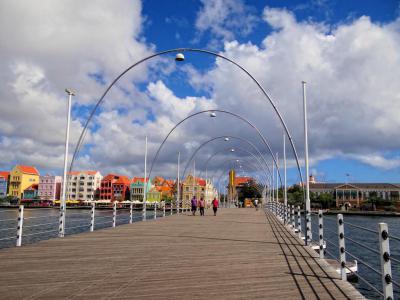
3) Queen Emma Bridge (must see)
The Queen Emma Bridge is one of Curaçao’s most distinctive structures, spanning Saint Anna Bay and linking the districts of Punda and Otrobanda. This floating pontoon bridge serves both as an important pedestrian route and as a historical engineering feature that reflects the island’s development over more than a century.
Completed in 1888, the bridge was named in honor of Queen Emma of Waldeck and Pyrmont, who was queen consort of the Netherlands at the time. Since its construction, it has undergone multiple renovations to maintain reliable operation and respond to the changing needs of the harbor.
The design of the Queen Emma Bridge sets it apart from conventional bridges. Supported by a series of pontoons, it is able to swing open to make room for oceangoing vessels entering or leaving the harbor. A hinge on the Punda side allows the bridge to pivot horizontally, while an operator stationed at the opposite end manages the movement. Two diesel engines power propellers positioned perpendicular to the bridge’s length, guiding the structure as it swings parallel to the shoreline. This opening process typically takes only a few minutes and has become a routine and practical aspect of daily life in the city.
An important upgrade took place in 1955 with the installation of lighting arches, added to mark the visit of Queen Juliana and Prince Bernhard. These lights enhanced visibility and gave the bridge a stronger presence during evening hours, reinforcing its status as both a transportation link and a cultural landmark for residents and visitors.
Completed in 1888, the bridge was named in honor of Queen Emma of Waldeck and Pyrmont, who was queen consort of the Netherlands at the time. Since its construction, it has undergone multiple renovations to maintain reliable operation and respond to the changing needs of the harbor.
The design of the Queen Emma Bridge sets it apart from conventional bridges. Supported by a series of pontoons, it is able to swing open to make room for oceangoing vessels entering or leaving the harbor. A hinge on the Punda side allows the bridge to pivot horizontally, while an operator stationed at the opposite end manages the movement. Two diesel engines power propellers positioned perpendicular to the bridge’s length, guiding the structure as it swings parallel to the shoreline. This opening process typically takes only a few minutes and has become a routine and practical aspect of daily life in the city.
An important upgrade took place in 1955 with the installation of lighting arches, added to mark the visit of Queen Juliana and Prince Bernhard. These lights enhanced visibility and gave the bridge a stronger presence during evening hours, reinforcing its status as both a transportation link and a cultural landmark for residents and visitors.
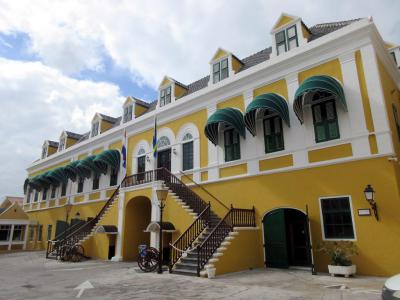
4) Fort Amsterdam
Fort Amsterdam, affectionately known as "Forti," stands proudly as the seat of government for the country of Curacao, gracing the Punda district with its historical significance and commanding presence. Positioned strategically on a headland southeast of Sint Anna Bay, at the entrance to the harbor, this imposing fort holds the distinction of being the largest among the eight forts scattered across the island.
Constructed between 1635 and 1636 by the Dutch West India Company under the leadership of Admiral Johan van Walbeek, Fort Amsterdam was a formidable defense against potential threats, particularly from Spanish troops. Its robust walls, made of coral stone and boasting thicknesses of up to three meters in certain sections, were a testament to the strategic importance of the fortress in safeguarding the island.
The fort's historical narrative extends beyond its military role. Before October 2010, Fort Amsterdam served as the seat of the government of the Netherlands Antilles. Today, it continues to be the focal point for the government of Curacao. Within the walls of this UNESCO World Heritage-listed structure, visitors can explore the oldest church in Curacao, dating back to 1769, and the governor's residence.
Featuring four bastions that contribute to its distinctive shape, Fort Amsterdam stands as a living testament to the island's past. As you traverse the fort's grounds, you'll encounter memorial stones, including one adorned with the image of Prince William of Orange, symbolizing Curacao's affiliation with the Netherlands for three centuries.
Constructed between 1635 and 1636 by the Dutch West India Company under the leadership of Admiral Johan van Walbeek, Fort Amsterdam was a formidable defense against potential threats, particularly from Spanish troops. Its robust walls, made of coral stone and boasting thicknesses of up to three meters in certain sections, were a testament to the strategic importance of the fortress in safeguarding the island.
The fort's historical narrative extends beyond its military role. Before October 2010, Fort Amsterdam served as the seat of the government of the Netherlands Antilles. Today, it continues to be the focal point for the government of Curacao. Within the walls of this UNESCO World Heritage-listed structure, visitors can explore the oldest church in Curacao, dating back to 1769, and the governor's residence.
Featuring four bastions that contribute to its distinctive shape, Fort Amsterdam stands as a living testament to the island's past. As you traverse the fort's grounds, you'll encounter memorial stones, including one adorned with the image of Prince William of Orange, symbolizing Curacao's affiliation with the Netherlands for three centuries.
5) Queen Wilhelmina Park
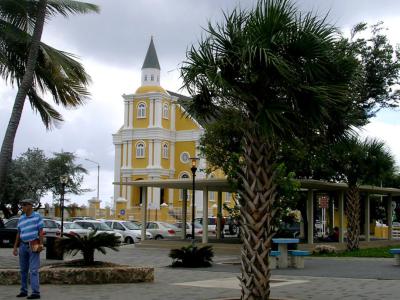
Queen Wilhelmina Park honors Queen Wilhelmina Helena Pauline Marie, the longest-reigning Dutch monarch, who ruled from 1890 to 1948. Located in a central part of the city, the park provides a peaceful and well-maintained space for both locals and visitors. Its terraced bandstand and central fountain create a relaxed atmosphere, while the nearby Fort Amsterdam church clock tower adds a touch of historical context to the surroundings.
The park’s main feature is a ‘W’-shaped memorial dedicated to Queen Wilhelmina. This monument recognizes her influence and long reign, marking her as an important figure in Dutch history and a symbol of the island’s connection to the Netherlands. The park’s design and layout encourage visitors to stroll, sit, and enjoy the surroundings while learning about its historical significance.
During the summer months, Queen Wilhelmina Park comes alive with cultural activities. Concerts, music performances, and street acts are common, offering entertainment for all ages. The park also hosts food events and tasting fairs, giving visitors a chance to explore local cuisine in an outdoor setting. These seasonal events create a lively atmosphere, making the park a popular spot for social gatherings and community engagement.
Queen Wilhelmina Park combines history, culture, and leisure in one accessible location. It offers a place to relax, appreciate the city’s heritage, and enjoy seasonal events, making it a pleasant stop for those exploring the area.
The park’s main feature is a ‘W’-shaped memorial dedicated to Queen Wilhelmina. This monument recognizes her influence and long reign, marking her as an important figure in Dutch history and a symbol of the island’s connection to the Netherlands. The park’s design and layout encourage visitors to stroll, sit, and enjoy the surroundings while learning about its historical significance.
During the summer months, Queen Wilhelmina Park comes alive with cultural activities. Concerts, music performances, and street acts are common, offering entertainment for all ages. The park also hosts food events and tasting fairs, giving visitors a chance to explore local cuisine in an outdoor setting. These seasonal events create a lively atmosphere, making the park a popular spot for social gatherings and community engagement.
Queen Wilhelmina Park combines history, culture, and leisure in one accessible location. It offers a place to relax, appreciate the city’s heritage, and enjoy seasonal events, making it a pleasant stop for those exploring the area.
6) Mikve Israel-Emanuel Synagogue
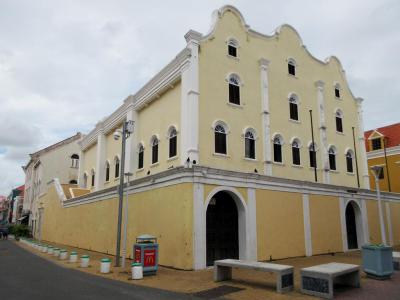
The Mikvé Israel-Emanuel Synagogue highlights the long and influential history of the Jewish community in Curaçao, which traces its roots back to Spanish and Portuguese Jews who settled in the region in the 1500s. Consecrated in 1732, it is recognized as the oldest synagogue in continuous use in the Americas, reflecting centuries of tradition and community life.
Its design pays tribute to the congregation’s Portuguese heritage. The interior was modeled after the well-known Portuguese Synagogue in Amsterdam, featuring classic architectural elements that help visitors understand the cultural connections between the Caribbean and Europe.
Next to the synagogue, the Jewish Cultural Historical Museum offers a deeper look into the island’s Jewish history. At the entrance, a timeline links key moments in Curaçao’s Jewish community with major world events, giving visitors helpful context about how this community developed and adapted over time.
Inside, the museum displays a wide collection of artifacts, photographs, and documents that illustrate everyday life, religious traditions, and the community’s role in Curaçao’s history. Many of the items-more than 1,000 in total-are centuries old, and some are still used in the synagogue today. Together, the synagogue and the museum provide a meaningful look at a community that has played an important part in shaping the island’s identity.
Its design pays tribute to the congregation’s Portuguese heritage. The interior was modeled after the well-known Portuguese Synagogue in Amsterdam, featuring classic architectural elements that help visitors understand the cultural connections between the Caribbean and Europe.
Next to the synagogue, the Jewish Cultural Historical Museum offers a deeper look into the island’s Jewish history. At the entrance, a timeline links key moments in Curaçao’s Jewish community with major world events, giving visitors helpful context about how this community developed and adapted over time.
Inside, the museum displays a wide collection of artifacts, photographs, and documents that illustrate everyday life, religious traditions, and the community’s role in Curaçao’s history. Many of the items-more than 1,000 in total-are centuries old, and some are still used in the synagogue today. Together, the synagogue and the museum provide a meaningful look at a community that has played an important part in shaping the island’s identity.
7) Plasa Bieu Food Market
Plasa Bieu, also known as the Old Market, is a vibrant culinary hub in Willemstad where locals gather each weekday to enjoy hearty, traditional meals. The market offers visitors a genuine taste of Curacao’s food culture, making it an essential stop for those seeking an authentic dining experience.
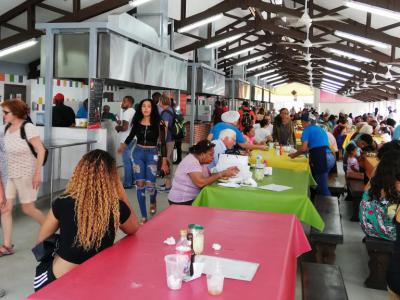
The market features six kitchens, each serving classic dishes prepared fresh daily. Guests can choose from specialties like kadushi soup, made from the island’s candle cactus, or enjoy red snapper and goat stew paired with funchi, a cornmeal dish similar to polenta. For dessert, the arepa di pampuna, a pumpkin pancake, provides a sweet and satisfying finish. Each kitchen offers generous portions at affordable prices, allowing visitors to sample multiple dishes without overspending.
Dining at Plasa Bieu is a communal experience. Picnic tables line the market, creating a casual and lively atmosphere where visitors often share tables with locals. This setup offers a chance to interact with residents, observe daily life on the island, and soak in the social energy that fills the space.
Because most dishes are made to order, there can be a short wait, but the freshness and full flavor of each meal make the wait worthwhile. Plasa Bieu not only delivers on taste but also offers a glimpse into the daily routines and culinary traditions of Curacao, making it an engaging stop for both food lovers and cultural explorers alike.
The market features six kitchens, each serving classic dishes prepared fresh daily. Guests can choose from specialties like kadushi soup, made from the island’s candle cactus, or enjoy red snapper and goat stew paired with funchi, a cornmeal dish similar to polenta. For dessert, the arepa di pampuna, a pumpkin pancake, provides a sweet and satisfying finish. Each kitchen offers generous portions at affordable prices, allowing visitors to sample multiple dishes without overspending.
Dining at Plasa Bieu is a communal experience. Picnic tables line the market, creating a casual and lively atmosphere where visitors often share tables with locals. This setup offers a chance to interact with residents, observe daily life on the island, and soak in the social energy that fills the space.
Because most dishes are made to order, there can be a short wait, but the freshness and full flavor of each meal make the wait worthwhile. Plasa Bieu not only delivers on taste but also offers a glimpse into the daily routines and culinary traditions of Curacao, making it an engaging stop for both food lovers and cultural explorers alike.
8) Nieuwestraat (New Street)
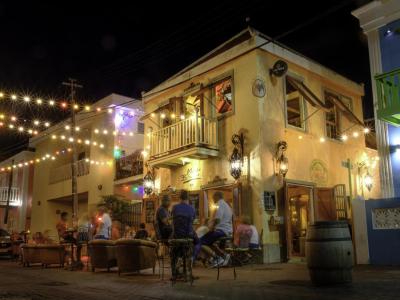
The New Street is situated in the Pietermaai District, known for its colorful buildings, cultural diversity, and a thriving arts and entertainment scene. New Street is adorned with a collection of well-preserved, historic buildings that showcase the island's Dutch and Caribbean architectural influences. The colorful facades, intricate detailing, and charming balconies create a picturesque setting for residents and visitors.
Known as the "SoHo" of Curacao, the Pietermaai District beckons with its captivating architecture, creating a visual feast for onlookers. The neighborhood is a delightful tapestry of boutique hotels, charming shops, intimate cafés, and acclaimed restaurants, all nestled closely together, fostering a highly walkable environment that encourages leisurely exploration. Infused with an air of mystery, a touch of magic, and an abundance of fun, Pietermaai is a neighborhood that encapsulates the very essence of Curacao.
The district has undergone a revitalization, transforming into a melting pot of various influences. This diversity is reflected in the local businesses, restaurants, and vibrant street art that lines the New Street. The district has also become a haven for local and international artists, turning the streets into an open-air gallery. Murals, graffiti, and art installations contribute to the area's creative atmosphere.
The New Street is home to boutique shops and galleries, adding a touch of sophistication to the neighborhood. Food enthusiasts will appreciate the diverse culinary scene along New Street. From local eateries serving traditional Caribbean dishes to upscale restaurants offering international cuisines, there's a gastronomic adventure awaiting every palate.
New Street comes alive in the evenings with its array of entertainment options. Trendy bars, cozy cafes, and music venues line the street, offering a dynamic nightlife experience. Visitors can enjoy live music, DJ sets, and a welcoming atmosphere.
Known as the "SoHo" of Curacao, the Pietermaai District beckons with its captivating architecture, creating a visual feast for onlookers. The neighborhood is a delightful tapestry of boutique hotels, charming shops, intimate cafés, and acclaimed restaurants, all nestled closely together, fostering a highly walkable environment that encourages leisurely exploration. Infused with an air of mystery, a touch of magic, and an abundance of fun, Pietermaai is a neighborhood that encapsulates the very essence of Curacao.
The district has undergone a revitalization, transforming into a melting pot of various influences. This diversity is reflected in the local businesses, restaurants, and vibrant street art that lines the New Street. The district has also become a haven for local and international artists, turning the streets into an open-air gallery. Murals, graffiti, and art installations contribute to the area's creative atmosphere.
The New Street is home to boutique shops and galleries, adding a touch of sophistication to the neighborhood. Food enthusiasts will appreciate the diverse culinary scene along New Street. From local eateries serving traditional Caribbean dishes to upscale restaurants offering international cuisines, there's a gastronomic adventure awaiting every palate.
New Street comes alive in the evenings with its array of entertainment options. Trendy bars, cozy cafes, and music venues line the street, offering a dynamic nightlife experience. Visitors can enjoy live music, DJ sets, and a welcoming atmosphere.
9) Marshe Nobo (New Market)
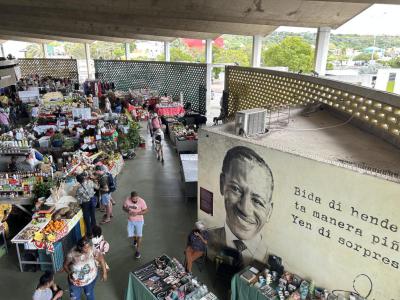
New Market, also known locally as the 'Round Market,' is one of Willemstad’s most popular shopping destinations, offering a lively and diverse experience for visitors. True to its name, the market is uniquely designed in a circular layout, with two floors packed with a variety of goods, making it an ideal spot to explore local culture and pick up souvenirs.
The lower level of the market is filled with fresh produce, local products, and handcrafted items. Shoppers can browse stalls selling fruits, vegetables, spices, and locally made goods such as jewelry, crafts, and decorative items that reflect the artistic and cultural heritage of Curacao. The market’s indoor setting provides a comfortable environment for exploring, even on hotter days, and its lively atmosphere reflects the everyday rhythm of local life.
On the upper level, the Zus di Plaza offers a selection of local food vendors, giving visitors a chance to sample traditional Curacaoan dishes and flavors. From hearty snacks to sweet treats, this area provides an authentic taste of the island and an opportunity to enjoy a meal while observing the market below.
Open throughout the week, New Market is busiest in the mornings and early afternoons, offering a chance to see the market in full swing. Its combination of shopping, local culture, and cuisine makes it a versatile destination for visitors looking to experience a vibrant and authentic side of Willemstad. Every corner holds something new to discover, making a visit both engaging and memorable.
The lower level of the market is filled with fresh produce, local products, and handcrafted items. Shoppers can browse stalls selling fruits, vegetables, spices, and locally made goods such as jewelry, crafts, and decorative items that reflect the artistic and cultural heritage of Curacao. The market’s indoor setting provides a comfortable environment for exploring, even on hotter days, and its lively atmosphere reflects the everyday rhythm of local life.
On the upper level, the Zus di Plaza offers a selection of local food vendors, giving visitors a chance to sample traditional Curacaoan dishes and flavors. From hearty snacks to sweet treats, this area provides an authentic taste of the island and an opportunity to enjoy a meal while observing the market below.
Open throughout the week, New Market is busiest in the mornings and early afternoons, offering a chance to see the market in full swing. Its combination of shopping, local culture, and cuisine makes it a versatile destination for visitors looking to experience a vibrant and authentic side of Willemstad. Every corner holds something new to discover, making a visit both engaging and memorable.
10) Scharloo
Established in 1634 as a plantation under the Dutch West Indies Company, Scharloo faced challenges due to infertile soil, leading to its abandonment. However, in 1694, the neighborhood began to transform with the construction of the first wharf.
Designated as a UNESCO World Heritage Site, Scharloo boasts a rich history and architectural legacy. Scharlooweg, the main street, stands as a testament to the neighborhood's grandeur, adorned with the largest and most opulent villas, constructed in a Spanish style around charming patios often featuring central fountains.
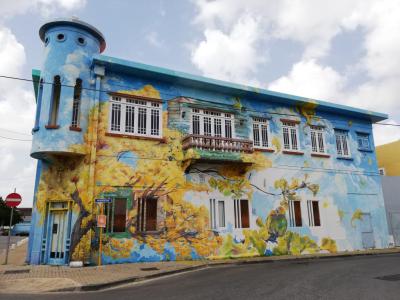
Scharloo's skyline is dominated by baroque mansions that were once inhabited by the island's wealthiest merchants. Today, these stately homes tell the tale of a bygone era. The buildings, with their vibrant hues and neoclassical architectural elements such as white columns, triangular pediments, and decorated cornices, create a captivating and picturesque streetscape.
In recent times, Scharloo has undergone a transformation, becoming a hotspot for art and culture. Street Art Skálo, a collective of emerging local artists, has contributed to this renaissance with life-size murals adorning streets like Bitterstraat and Parke Leyba. Works by acclaimed Curaçaoan artists like Francis Sling and Garrick Marchena can be admired, adding a contemporary touch to the historical surroundings.
Designated as a UNESCO World Heritage Site, Scharloo boasts a rich history and architectural legacy. Scharlooweg, the main street, stands as a testament to the neighborhood's grandeur, adorned with the largest and most opulent villas, constructed in a Spanish style around charming patios often featuring central fountains.
Scharloo's skyline is dominated by baroque mansions that were once inhabited by the island's wealthiest merchants. Today, these stately homes tell the tale of a bygone era. The buildings, with their vibrant hues and neoclassical architectural elements such as white columns, triangular pediments, and decorated cornices, create a captivating and picturesque streetscape.
In recent times, Scharloo has undergone a transformation, becoming a hotspot for art and culture. Street Art Skálo, a collective of emerging local artists, has contributed to this renaissance with life-size murals adorning streets like Bitterstraat and Parke Leyba. Works by acclaimed Curaçaoan artists like Francis Sling and Garrick Marchena can be admired, adding a contemporary touch to the historical surroundings.
11) Curacao Maritime Museum
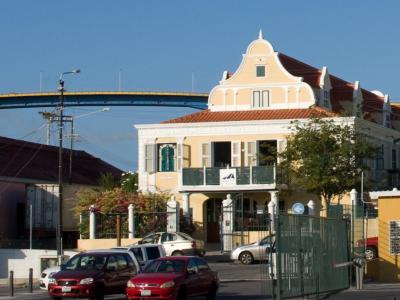
The Curacao Maritime Museum stands as a captivating testament to the island's deep-rooted connection to the sea, a relationship that has shaped its history and development for over 500 years. Nestled within a meticulously restored 17th-century building, this museum seamlessly blends maritime antiquity with modern design.
The exhibits within the Maritime Museum are a treasure trove for maritime enthusiasts, featuring antique miniatures, 17th-century ship models, and maps that trace back to the 1500s. This rich collection of artifacts provides a glimpse into the island's maritime heritage and its pivotal role in seafaring and commerce.
The museum's interior, a harmonious blend of history and contemporary design, creates an immersive experience for visitors. Nautical charts, ship models, and navigation equipment on display showcase the evolution of maritime technology over the centuries. The use of audio-visual technology enhances the storytelling, making it a compelling and educational experience.
Beyond the exhibits, the Curacao Maritime Museum offers additional opportunities for exploration. Guided tours provide insights into the finer details of the displays, offering a deeper understanding of Curacao's maritime legacy. For a unique perspective, visitors can embark on a harbor tour aboard an original harbor ferry. This journey unfolds against the backdrop of Willemstad, revealing the vibrant harbor and the myriad companies that contribute to its dynamic atmosphere.
The exhibits within the Maritime Museum are a treasure trove for maritime enthusiasts, featuring antique miniatures, 17th-century ship models, and maps that trace back to the 1500s. This rich collection of artifacts provides a glimpse into the island's maritime heritage and its pivotal role in seafaring and commerce.
The museum's interior, a harmonious blend of history and contemporary design, creates an immersive experience for visitors. Nautical charts, ship models, and navigation equipment on display showcase the evolution of maritime technology over the centuries. The use of audio-visual technology enhances the storytelling, making it a compelling and educational experience.
Beyond the exhibits, the Curacao Maritime Museum offers additional opportunities for exploration. Guided tours provide insights into the finer details of the displays, offering a deeper understanding of Curacao's maritime legacy. For a unique perspective, visitors can embark on a harbor tour aboard an original harbor ferry. This journey unfolds against the backdrop of Willemstad, revealing the vibrant harbor and the myriad companies that contribute to its dynamic atmosphere.
12) Floating Market
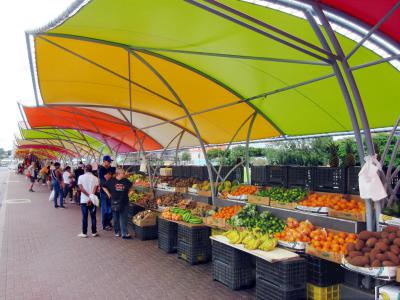
Located near the pontoon bridge on the Merchant's Quay, the Floating Market is a colorful display of wooden boats from Venezuela that dock alongside the canal, creating a lively and distinctive shopping experience.
In the early hours of the day, these wooden boats arrive, laden with a diverse array of just-caught fish and an assortment of tropical fruits and vegetables. Vendors set up shop directly from the quay, sheltering under colorful tents that add to the lively atmosphere. Mornings are considered the optimal time to visit, offering the finest selection of fresh produce, cooler temperatures before the midday sun, and the pleasant ambiance of the early hours.
The Floating Market is not just a commercial hub; it's a cultural amalgamation where Caribbean and South American influences converge. The vendors, predominantly from Venezuela, bring a piece of their culture to Curacao, creating a unique blend of traditions and flavors. The market is a testament to the rich exchange between the two regions, fostering a sense of community and connection.
For both tourists and locals, the Floating Market is a popular attraction. It provides an opportunity to engage in a distinctive shopping experience, offering fresh and diverse products directly from the boats. The sight of the colorful vessels, the aromatic scents of exotic fruits, and the lively interactions between vendors and customers contribute to the market's vibrant ambiance.
In the early hours of the day, these wooden boats arrive, laden with a diverse array of just-caught fish and an assortment of tropical fruits and vegetables. Vendors set up shop directly from the quay, sheltering under colorful tents that add to the lively atmosphere. Mornings are considered the optimal time to visit, offering the finest selection of fresh produce, cooler temperatures before the midday sun, and the pleasant ambiance of the early hours.
The Floating Market is not just a commercial hub; it's a cultural amalgamation where Caribbean and South American influences converge. The vendors, predominantly from Venezuela, bring a piece of their culture to Curacao, creating a unique blend of traditions and flavors. The market is a testament to the rich exchange between the two regions, fostering a sense of community and connection.
For both tourists and locals, the Floating Market is a popular attraction. It provides an opportunity to engage in a distinctive shopping experience, offering fresh and diverse products directly from the boats. The sight of the colorful vessels, the aromatic scents of exotic fruits, and the lively interactions between vendors and customers contribute to the market's vibrant ambiance.
13) Handelskade (Merchant's Quay) (must see)
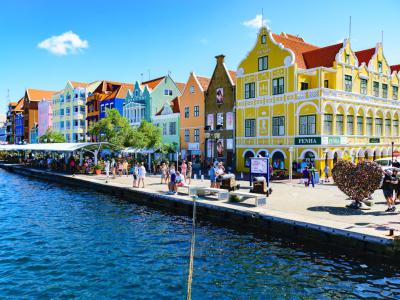
The Merchant’s Quay is a notable waterfront strip in Punda, positioned along the edge of Saint Anna Bay. This historic area is recognized for its row of well-preserved 18th-century buildings, which reflect Curaçao’s Dutch architectural heritage. The layout is often compared to Dutch canal districts, but Merchant’s Quay carries its own character thanks to the brightly colored facades that have become a defining feature of the waterfront.
The use of bold exterior colors has roots in Curaçao’s colonial past. According to local accounts, one of the island’s early Dutch governors instructed residents to avoid painting buildings white. At the time, it was believed that the strong reflection of the sun off white walls caused discomfort for the eyes. This practical decision gradually shaped the visual identity of the quay and contributed to the range of blues, yellows, pinks, and greens that now distinguish the area. Today, this tradition continues and remains an important part of the island’s cultural expression.
Visitors can experience the setting by sitting at one of the outdoor cafés positioned along the water. From these spots, guests have a clear view of daily activity on the bay, including the movement of the Queen Emma Bridge as it opens to allow ships to pass. The quay is also home to several small shops and businesses, giving visitors plenty of opportunities to explore local products and enjoy the steady pace of the harbor.
As evening approaches, the colors of the quay become more pronounced in the shifting light, creating a calm and appealing atmosphere along the waterfront. The combination of heritage architecture, active harbor life, and accessible public spaces makes Merchant’s Quay a meaningful part of the Punda district and a place where both residents and visitors spend time enjoying the surroundings.
The use of bold exterior colors has roots in Curaçao’s colonial past. According to local accounts, one of the island’s early Dutch governors instructed residents to avoid painting buildings white. At the time, it was believed that the strong reflection of the sun off white walls caused discomfort for the eyes. This practical decision gradually shaped the visual identity of the quay and contributed to the range of blues, yellows, pinks, and greens that now distinguish the area. Today, this tradition continues and remains an important part of the island’s cultural expression.
Visitors can experience the setting by sitting at one of the outdoor cafés positioned along the water. From these spots, guests have a clear view of daily activity on the bay, including the movement of the Queen Emma Bridge as it opens to allow ships to pass. The quay is also home to several small shops and businesses, giving visitors plenty of opportunities to explore local products and enjoy the steady pace of the harbor.
As evening approaches, the colors of the quay become more pronounced in the shifting light, creating a calm and appealing atmosphere along the waterfront. The combination of heritage architecture, active harbor life, and accessible public spaces makes Merchant’s Quay a meaningful part of the Punda district and a place where both residents and visitors spend time enjoying the surroundings.
14) Kura Hulanda Museum (must see)
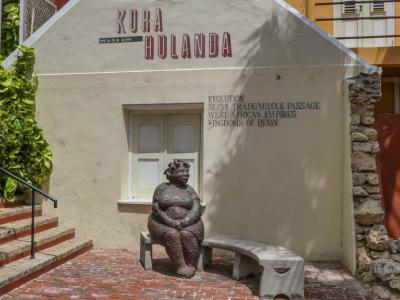
The Kurá Hulanda Museum is a significant anthropological institution that highlights the many cultures that have influenced Curaçao and the broader region. With exhibits focused on the island’s predominant cultural roots, the museum guides visitors through topics such as the Origin of Man, the African slave trade, West African Empires, Mesopotamian artifacts, and Antillean art. Its collections provide a clear and informative overview of the historical forces that shaped Curaçao’s past and continue to influence its present.
Upon arrival, visitors are welcomed by knowledgeable reception staff who offer maps and helpful explanations about how to navigate the museum’s grounds. The museum is designed for self-guided exploration, allowing guests to move through outdoor courtyards, reconstructed village spaces, and indoor galleries at a comfortable pace. Staff members are also available to answer questions and provide details about exhibits, as well as information about items available for purchase in the Museum Shop.
For guests looking for a more structured experience, the Kurá Hulanda Museum offers guided tours by appointment. Guides are available in Papiamentu, Dutch, English, and Spanish, making the museum accessible to a wide range of visitors. These tours provide additional historical context and cultural background, helping guests understand the significance of specific artifacts and their connections to Curaçao’s heritage.
The Museum Shop is located near the entrance and features a carefully selected range of items inspired by the exhibitions. Visitors will find postcards featuring pieces from the museum’s collection, along with a broad assortment of African art, including wooden masks, Shona stone sculptures, paintings, and books.
Upon arrival, visitors are welcomed by knowledgeable reception staff who offer maps and helpful explanations about how to navigate the museum’s grounds. The museum is designed for self-guided exploration, allowing guests to move through outdoor courtyards, reconstructed village spaces, and indoor galleries at a comfortable pace. Staff members are also available to answer questions and provide details about exhibits, as well as information about items available for purchase in the Museum Shop.
For guests looking for a more structured experience, the Kurá Hulanda Museum offers guided tours by appointment. Guides are available in Papiamentu, Dutch, English, and Spanish, making the museum accessible to a wide range of visitors. These tours provide additional historical context and cultural background, helping guests understand the significance of specific artifacts and their connections to Curaçao’s heritage.
The Museum Shop is located near the entrance and features a carefully selected range of items inspired by the exhibitions. Visitors will find postcards featuring pieces from the museum’s collection, along with a broad assortment of African art, including wooden masks, Shona stone sculptures, paintings, and books.
15) Rif Mangrove Park
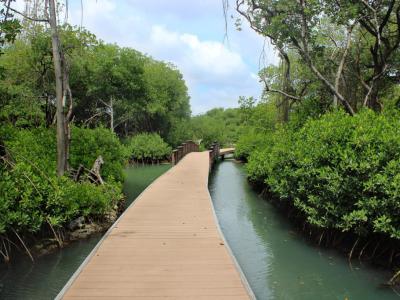
Rif Mangrove Park, located along the coastline of Willemstad, is a captivating natural sanctuary that beautifully showcases the resilience of nature. The park boasts a lush mangrove forest with winding walking trails, providing an educational and enchanting experience for visitors.
What once served as the exit point for Otrobanda's sewage has transformed into a thriving ecosystem, highlighting the remarkable ability of nature to rebound. As you explore the park, the vibrant and healthy mangrove trees reflect in the backwater, creating a picturesque setting.
The wooden boardwalk meanders through various parts of the Rif Mangrove Park, offering a delightful stroll. Benches along the way invite visitors to pause, immerse themselves in nature, and appreciate the serene surroundings. An observation tower within the park provides an excellent vantage point to admire the entire area, making it an ideal spot for birdwatching.
The park is a haven for bird enthusiasts, as diverse bird species inhabit the mangrove forest. The approximately 2-kilometer hiking trail, taking around 40 minutes to complete, allows you to discover the wonders of this unique ecosystem.
What once served as the exit point for Otrobanda's sewage has transformed into a thriving ecosystem, highlighting the remarkable ability of nature to rebound. As you explore the park, the vibrant and healthy mangrove trees reflect in the backwater, creating a picturesque setting.
The wooden boardwalk meanders through various parts of the Rif Mangrove Park, offering a delightful stroll. Benches along the way invite visitors to pause, immerse themselves in nature, and appreciate the serene surroundings. An observation tower within the park provides an excellent vantage point to admire the entire area, making it an ideal spot for birdwatching.
The park is a haven for bird enthusiasts, as diverse bird species inhabit the mangrove forest. The approximately 2-kilometer hiking trail, taking around 40 minutes to complete, allows you to discover the wonders of this unique ecosystem.
