Custom Walk in Port Louis, Mauritius by harvarsh_86ae7d created on 2026-03-17
Guide Location: Mauritius » Port Louis
Guide Type: Custom Walk
# of Sights: 8
Tour Duration: 3 Hour(s)
Travel Distance: 7.5 Km or 4.7 Miles
Share Key: VS5X6
Guide Type: Custom Walk
# of Sights: 8
Tour Duration: 3 Hour(s)
Travel Distance: 7.5 Km or 4.7 Miles
Share Key: VS5X6
How It Works
Please retrieve this walk in the GPSmyCity app. Once done, the app will guide you from one tour stop to the next as if you had a personal tour guide. If you created the walk on this website or come to the page via a link, please follow the instructions below to retrieve the walk in the app.
Retrieve This Walk in App
Step 1. Download the app "GPSmyCity: Walks in 1K+ Cities" on Apple App Store or Google Play Store.



Step 2. In the GPSmyCity app, download(or launch) the guide "Port Louis Map and Walking Tours".
Step 3. Tap the menu button located at upper right corner of the "Walks" screen and select "Retrieve custom walk". Enter the share key: VS5X6
1) Aapravasi Ghat (must see)
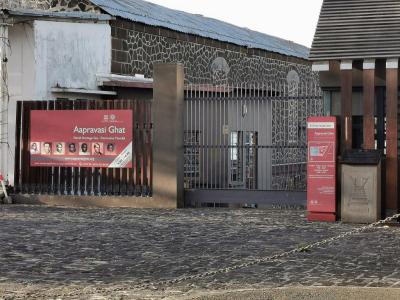
Aapravasi Ghat is a historic site of profound significance in the history of migration. Known also as the Immigration Depot or Coolie Ghat, it was the focal point of the indentured labor migration system that operated between 1849 and 1923. During this period, Aapravasi Ghat served as the main processing center for over half a million Indian laborers who were brought to Mauritius and other British colonies to work on plantations. This massive movement of people had a lasting impact on the demographic and cultural landscapes of many former British colonies, including Mauritius, where a substantial portion of the population has Indian ancestry.
The site originally comprised a complex of buildings designed to manage the intake and processing of these laborers. However, due to rapid infrastructural development in the mid-20th century, only a few remnants of the original structures remain today. These surviving stone buildings are now protected under Mauritian national heritage legislation, preserving a vital piece of the island's history.
The Aapravasi Ghat Trust Fund oversees the conservation and restoration of this important historical site. Efforts are underway to restore the remaining buildings to their state from the 1860s, ensuring that future generations can appreciate and understand the historical significance of Aapravasi Ghat. In recognition of its global importance, the site was designated a UNESCO World Heritage Site in 2006, highlighting its role in the history of migration and its impact on the cultural development of Mauritius.
The site originally comprised a complex of buildings designed to manage the intake and processing of these laborers. However, due to rapid infrastructural development in the mid-20th century, only a few remnants of the original structures remain today. These surviving stone buildings are now protected under Mauritian national heritage legislation, preserving a vital piece of the island's history.
The Aapravasi Ghat Trust Fund oversees the conservation and restoration of this important historical site. Efforts are underway to restore the remaining buildings to their state from the 1860s, ensuring that future generations can appreciate and understand the historical significance of Aapravasi Ghat. In recognition of its global importance, the site was designated a UNESCO World Heritage Site in 2006, highlighting its role in the history of migration and its impact on the cultural development of Mauritius.
2) Le Caudan Waterfront (must see)
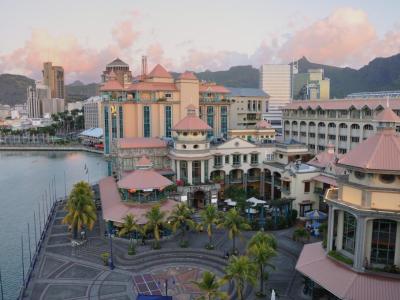
Le Caudan Waterfront is a modern shopping mall that offers a wide range of shopping, entertainment, and dining options. Visitors can find the latest fashion shops and trends, a popular arts and craft market, known as the Craft Market, specialty shops selling unique local goods such as replica ships, Indian garments, locally fabricated jewelry, or art paintings from local artists. The shopping center also boasts cinemas, a marina, a bookstore, restaurants and cafes, a museum, hosting two of the rarest stamps in the world, a casino and tax-free shopping options for tourists.
Despite being the first shopping mall on the island, Le Caudan Waterfront has been able to keep up with the trends and maintain its allure as a modern waterfront mall. Visitors can admire the workings going on in the port as large container and cruise ships make their way in and out.
Despite being the first shopping mall on the island, Le Caudan Waterfront has been able to keep up with the trends and maintain its allure as a modern waterfront mall. Visitors can admire the workings going on in the port as large container and cruise ships make their way in and out.
3) Madurai Amen Temple
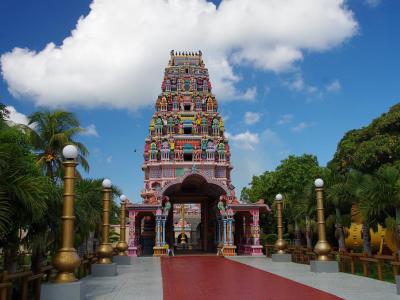
The Madurai Amen is a Tamil temple in Port Louis. The temple has a bright exterior design that features sculptures of Tamil deities. More than 100,000 people on the island practice this religion, which is essentially a branch of Hinduism.
4) Craft Market
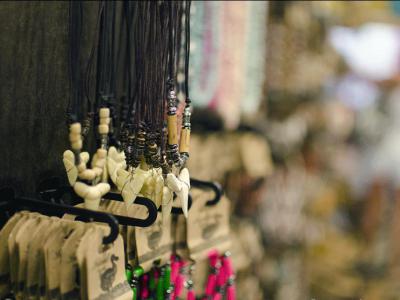
The Craft Market in Port Louis is a must-visit destination for tourists looking to take home a piece of Mauritius. Located at the Caudan Waterfront, this two-storey building is known for its unique collection of crafts. With 36 stalls, visitors will find a wide range of products, including exquisite woodwork, detailed baskets, beautiful glass souvenirs, items made from seashells, boxes of ground spices, embroidered linen, handmade jewelry, and the famous African rag doll dressed in a typical sega outfit.
One of the great things about the Craft Market is that many of the handicrafts are made by the stall owners, their families, or sourced from their villages. This means that visitors can meet the artists behind the paintings on sale or even witness their name being engraved on a wooden keychain. This personal touch adds to the authenticity and uniqueness of the crafts.
The Craft Market is located within the Caudan Waterfront complex, which makes it an excellent location for tourists. Visitors can grab a quick lunch at the food court after their shopping or continue their shopping with the wide array of shops. However, it is worth noting that the Caudan Waterfront complex attracts quite a crowd of locals during weekends. Therefore, it is recommended to visit The Craft Market on weekdays for a more peaceful shopping experience.
The Craft Market in Port Louis is a unique shopping destination that offers a wide range of handicrafts that are both authentic and unique. Its location at the Caudan Waterfront complex makes it a convenient and accessible destination for tourists. Visitors can take the opportunity to meet the artists behind the crafts and take home a personalized souvenir to remember their trip to Mauritius.
One of the great things about the Craft Market is that many of the handicrafts are made by the stall owners, their families, or sourced from their villages. This means that visitors can meet the artists behind the paintings on sale or even witness their name being engraved on a wooden keychain. This personal touch adds to the authenticity and uniqueness of the crafts.
The Craft Market is located within the Caudan Waterfront complex, which makes it an excellent location for tourists. Visitors can grab a quick lunch at the food court after their shopping or continue their shopping with the wide array of shops. However, it is worth noting that the Caudan Waterfront complex attracts quite a crowd of locals during weekends. Therefore, it is recommended to visit The Craft Market on weekdays for a more peaceful shopping experience.
The Craft Market in Port Louis is a unique shopping destination that offers a wide range of handicrafts that are both authentic and unique. Its location at the Caudan Waterfront complex makes it a convenient and accessible destination for tourists. Visitors can take the opportunity to meet the artists behind the crafts and take home a personalized souvenir to remember their trip to Mauritius.
5) Company Gardens
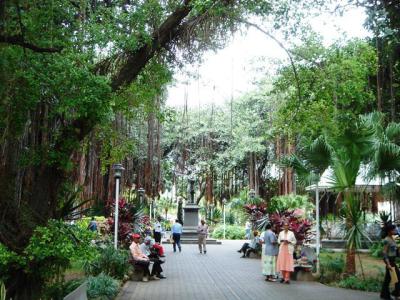
The Company Gardens in Port Louis is a haven of peace and rest amidst the bustling city. Located in the center of the city, in front of the Mauritius Institute, this garden is known for its gigantic trees that play strident Indian music, showcasing the preeminence of Hindi culture on the island. The garden's name comes from the fact that it formerly belonged to the India Company French. Initially a swamp, the place was transformed into a botanical park by Mahé de La Bourdonnais in 1735 and then repopulated with trees under British rule in 1828.
Today, the Company Gardens is a popular destination for people in Port Louis who go there to rest or have lunch under the shade of the trees. The park is also full of statues, busts, and monoliths dedicated to the heroes of Mauritius, as well as dating posters of poems and novels. Visitors can take a break and enjoy a drink before continuing to explore the city.
The Company Gardens is often referred to as the Central Park of Mauritius, despite being smaller and more restricted in size. The journey through the huge trees in the middle of a constantly active city leaves a lasting impression. Upon arrival, visitors are greeted by two enormous totems representing dragons and Chinese lions that stand as the guardians of the garden. The setting is remarkable, with a union between the concrete of modernity and the greenery of nature.
Apart from the great men statues such as Adrien d'Épinay and Ti-Frère, visitors can also take pictures with century-old banyan trees, which are the last ones still existing in Mauritius and the Mascarene Islands. The northern part of the garden is also known for its tropical flower gardens, which emit a sweet floral scent. Visitors can stay in the shade of the big palm trees and admire the beautiful fountain and its cement dolphins.
Today, the Company Gardens is a popular destination for people in Port Louis who go there to rest or have lunch under the shade of the trees. The park is also full of statues, busts, and monoliths dedicated to the heroes of Mauritius, as well as dating posters of poems and novels. Visitors can take a break and enjoy a drink before continuing to explore the city.
The Company Gardens is often referred to as the Central Park of Mauritius, despite being smaller and more restricted in size. The journey through the huge trees in the middle of a constantly active city leaves a lasting impression. Upon arrival, visitors are greeted by two enormous totems representing dragons and Chinese lions that stand as the guardians of the garden. The setting is remarkable, with a union between the concrete of modernity and the greenery of nature.
Apart from the great men statues such as Adrien d'Épinay and Ti-Frère, visitors can also take pictures with century-old banyan trees, which are the last ones still existing in Mauritius and the Mascarene Islands. The northern part of the garden is also known for its tropical flower gardens, which emit a sweet floral scent. Visitors can stay in the shade of the big palm trees and admire the beautiful fountain and its cement dolphins.
6) Fort Adelaide
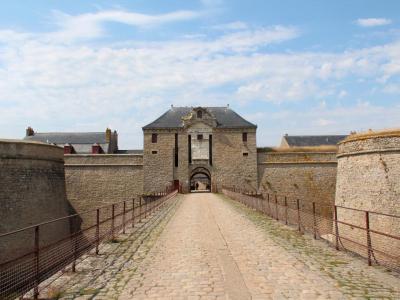
Fort Adelaide, also known as La Citadelle, is a significant symbol of early British rule in Mauritius. Built between 1834 and 1835 by Colonel Thomas Cunningham, the fort's construction faced challenges due to a labor shortage following the abolition of slavery. Initially, the British relied on apprentices, freed slaves, prisoners, and soldiers, but eventually, skilled workers were recruited from India to complete the project. Despite these difficulties, the fort was completed in 1840 and stands as a testament to the island's changing social landscape.
The fort was initially intended to defend Port Louis from potential invasions and suppress any local revolts, particularly in the tense atmosphere following the French Revolution of 1830. Located strategically on a hill overlooking the city, port, and surrounding mountains, Fort Adelaide was crucial for maintaining control. However, by the time it was finished, the situation in Mauritius had stabilized, and the fort was never used for its original military purpose.
Over time, Fort Adelaide became more of a symbol than a functional military site. It marked the transition from slavery to the era of Indian immigration, with its history closely tied to these significant shifts. The fort later served as a site for signaling important events and has since become a venue for cultural activities such as concerts and shows.
Today, Fort Adelaide is one of the few remaining forts from the British colonial period in Mauritius. Constructed from black basalt stones, it has been well-preserved and remains an important historical landmark. The fort stands as a reminder of Mauritius's complex past, reflecting the island's evolution during the British colonial era.
The fort was initially intended to defend Port Louis from potential invasions and suppress any local revolts, particularly in the tense atmosphere following the French Revolution of 1830. Located strategically on a hill overlooking the city, port, and surrounding mountains, Fort Adelaide was crucial for maintaining control. However, by the time it was finished, the situation in Mauritius had stabilized, and the fort was never used for its original military purpose.
Over time, Fort Adelaide became more of a symbol than a functional military site. It marked the transition from slavery to the era of Indian immigration, with its history closely tied to these significant shifts. The fort later served as a site for signaling important events and has since become a venue for cultural activities such as concerts and shows.
Today, Fort Adelaide is one of the few remaining forts from the British colonial period in Mauritius. Constructed from black basalt stones, it has been well-preserved and remains an important historical landmark. The fort stands as a reminder of Mauritius's complex past, reflecting the island's evolution during the British colonial era.
7) Chinatown Gate
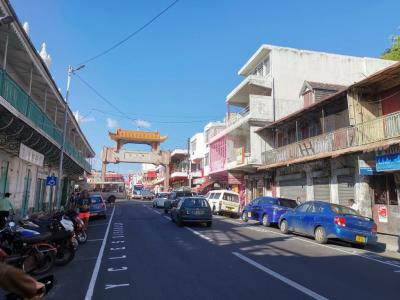
Chinatown in Port Louis, is a cultural treasure nestled within the bustling capital city. Though smaller and less vibrant than Chinatowns in other parts of the world, this area holds a unique charm that showcases the rich Chinese heritage and contributions to Mauritian society. Spanning approximately 500 meters along the well-known Royal Road, Chinatown is a true cultural heritage site for Mauritius, with its entrance marked by the impressive "friendship" gate located just east of the Central Market. This gate stands as a symbol of the longstanding presence and influence of the Chinese community in the country, particularly the Hakka Chinese, who began arriving in 1826.
The roots of Chinatown trace back to the 18th century, when the first wave of Chinese immigrants, many of whom were voluntary migrants, settled in Port Louis. They brought with them skills in various trades, such as blacksmithing, carpentry, cobbling, and tailoring. Initially, most of the Chinese immigrants spoke Cantonese, but over time, the Hakka-speaking Chinese, primarily from Meixian in Canton, grew in number. By the mid-19th century, the Chinese population in the area had expanded significantly, with around 5,000 residents contributing to the growth and vibrancy of Chinatown.
Today, Chinatown is a living testament to the enduring influence of the Chinese community in Mauritius, even though they make up only 3% of the overall population. The area remains lively, especially during weekdays, as people engage in business and trade. The streets of Chinatown are filled with the sights and sounds of daily life, reflecting the rich cultural tapestry that has developed over the years.
One of the most enduring legacies of the Chinese community in Mauritius is its cuisine, which has become an integral part of the island's culinary culture. Dishes such as fried noodles, dumplings, chopsuey, and Peking duck are beloved by Mauritians of all backgrounds. The old shops in Chinatown offer a wide variety of goods, from toys and clothes to traditional medicines and Chinese spices. The aroma of authentic Chinese cakes and the vibrant atmosphere make Chinatown in Port Louis a must-visit destination for those looking to experience the rich cultural heritage of Mauritius.
The roots of Chinatown trace back to the 18th century, when the first wave of Chinese immigrants, many of whom were voluntary migrants, settled in Port Louis. They brought with them skills in various trades, such as blacksmithing, carpentry, cobbling, and tailoring. Initially, most of the Chinese immigrants spoke Cantonese, but over time, the Hakka-speaking Chinese, primarily from Meixian in Canton, grew in number. By the mid-19th century, the Chinese population in the area had expanded significantly, with around 5,000 residents contributing to the growth and vibrancy of Chinatown.
Today, Chinatown is a living testament to the enduring influence of the Chinese community in Mauritius, even though they make up only 3% of the overall population. The area remains lively, especially during weekdays, as people engage in business and trade. The streets of Chinatown are filled with the sights and sounds of daily life, reflecting the rich cultural tapestry that has developed over the years.
One of the most enduring legacies of the Chinese community in Mauritius is its cuisine, which has become an integral part of the island's culinary culture. Dishes such as fried noodles, dumplings, chopsuey, and Peking duck are beloved by Mauritians of all backgrounds. The old shops in Chinatown offer a wide variety of goods, from toys and clothes to traditional medicines and Chinese spices. The aroma of authentic Chinese cakes and the vibrant atmosphere make Chinatown in Port Louis a must-visit destination for those looking to experience the rich cultural heritage of Mauritius.
8) Central Market (must see)
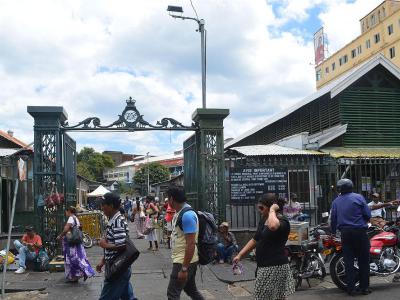
The Port Louis Market is a vibrant and bustling marketplace located in the heart of Mauritius. It is a must-visit destination for anyone interested in experiencing the local way of life and discovering the unique culture of the island.
The market is divided into several sections, each offering a different kind of product. The fruit and vegetable section is a colorful and aromatic display of locally grown produce, with a wide variety of tropical fruits and vegetables on offer. The meat and seafood section is equally impressive, with fresh catches from the Indian Ocean and locally reared meats.
The shopping mall upstairs is a great place to find souvenirs, with a wide range of locally made handicrafts, textiles, and other artifacts available at very reasonable prices. Whether you're looking for a unique piece of jewelry, a hand-carved wooden figurine, or a brightly colored sarong, you're sure to find something to suit your taste at the Port Louis Market.
Foodies will love the food section of the market, which is a veritable feast for the senses. Here, you can sample some of the island's most delicious local dishes, including Dholl Puri, Briani, Halim, and many other traditional Mauritian dishes. The food is cheap, fresh, and delicious, and the atmosphere is lively and convivial, making it a great place to meet locals and other travelers.
The market is divided into several sections, each offering a different kind of product. The fruit and vegetable section is a colorful and aromatic display of locally grown produce, with a wide variety of tropical fruits and vegetables on offer. The meat and seafood section is equally impressive, with fresh catches from the Indian Ocean and locally reared meats.
The shopping mall upstairs is a great place to find souvenirs, with a wide range of locally made handicrafts, textiles, and other artifacts available at very reasonable prices. Whether you're looking for a unique piece of jewelry, a hand-carved wooden figurine, or a brightly colored sarong, you're sure to find something to suit your taste at the Port Louis Market.
Foodies will love the food section of the market, which is a veritable feast for the senses. Here, you can sample some of the island's most delicious local dishes, including Dholl Puri, Briani, Halim, and many other traditional Mauritian dishes. The food is cheap, fresh, and delicious, and the atmosphere is lively and convivial, making it a great place to meet locals and other travelers.
