Custom Walk in Kyoto, Japan by bobhalefaia_8737c7 created on 2026-03-18
Guide Location: Japan » Kyoto
Guide Type: Custom Walk
# of Sights: 7
Tour Duration: 11 Hour(s)
Travel Distance: 29.7 Km or 18.5 Miles
Share Key: 5Y938
Guide Type: Custom Walk
# of Sights: 7
Tour Duration: 11 Hour(s)
Travel Distance: 29.7 Km or 18.5 Miles
Share Key: 5Y938
How It Works
Please retrieve this walk in the GPSmyCity app. Once done, the app will guide you from one tour stop to the next as if you had a personal tour guide. If you created the walk on this website or come to the page via a link, please follow the instructions below to retrieve the walk in the app.
Retrieve This Walk in App
Step 1. Download the app "GPSmyCity: Walks in 1K+ Cities" on Apple App Store or Google Play Store.



Step 2. In the GPSmyCity app, download(or launch) the guide "Kyoto Map and Walking Tours".
Step 3. Tap the menu button located at upper right corner of the "Walks" screen and select "Retrieve custom walk". Enter the share key: 5Y938
1) Katsura Imperial Villa (must see)
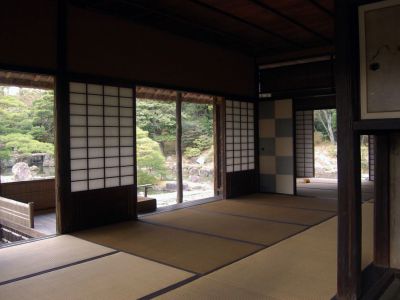
According to experts, Katsura is the crème de la crème of Japanese real estate. It's not just the garden that's a knockout; the buildings are the epitome of Japanese craftsmanship. Prince Toshihito (1571–1629), the brain behind this paradise, wanted a pad where he could entertain his artsy pals in style.
The highlight? A pond garden that plays peek-a-boo with your senses: as you stroll, strategically placed greenery keeps the pond a mystery, until suddenly, bam! You're hit with a clear view of the scenic shoreline, bridges, and scenes straight out of literary classics.
Toshihito, a tea enthusiast, sprinkled 'wabi-sabi' charm throughout the garden with rustic touches like stone lanterns and water basins. And don't miss the four tea houses, each with its own vibe – one's perched like a mountain retreat, while another appears to float serenely on the water.
The main buildings, crafted by Toshihito's son, are deceptively simple yet sneakily intricate – think doorbells shaped like flowers and shelves showcasing 18 wood varieties. So enchanted was the son with the estate that he rarely visited, fearing he might spoil the magic. Each trip was like stepping into his own personal paradise, and you'll likely feel the same if you pay a visit.
Tip:
To peek at this paradise, you’ll need to hop on a 40-minute tour (they have English audio guides), which loops around the centerpiece pond. Sadly, you can't snoop around the buildings, and snapping pics is only allowed in designated areas.
To snag a spot on a tour, you gotta rock up in person (don't forget your passport) to the Imperial Household Office at Kyoto Gyōen. If you're feeling lucky, you can try your hand at scoring a spot on their website, but move fast – they go like hotcakes!
The highlight? A pond garden that plays peek-a-boo with your senses: as you stroll, strategically placed greenery keeps the pond a mystery, until suddenly, bam! You're hit with a clear view of the scenic shoreline, bridges, and scenes straight out of literary classics.
Toshihito, a tea enthusiast, sprinkled 'wabi-sabi' charm throughout the garden with rustic touches like stone lanterns and water basins. And don't miss the four tea houses, each with its own vibe – one's perched like a mountain retreat, while another appears to float serenely on the water.
The main buildings, crafted by Toshihito's son, are deceptively simple yet sneakily intricate – think doorbells shaped like flowers and shelves showcasing 18 wood varieties. So enchanted was the son with the estate that he rarely visited, fearing he might spoil the magic. Each trip was like stepping into his own personal paradise, and you'll likely feel the same if you pay a visit.
Tip:
To peek at this paradise, you’ll need to hop on a 40-minute tour (they have English audio guides), which loops around the centerpiece pond. Sadly, you can't snoop around the buildings, and snapping pics is only allowed in designated areas.
To snag a spot on a tour, you gotta rock up in person (don't forget your passport) to the Imperial Household Office at Kyoto Gyōen. If you're feeling lucky, you can try your hand at scoring a spot on their website, but move fast – they go like hotcakes!

2) TIMES Building
One of the most famous creations by Japanese architect Tadao Ando is the TIMES Building, a project that epitomizes his unwavering determination. Originally intended as a renovation, Ando found himself uninspired by the existing structure. True to his character, he decided to chart his own course, prioritizing his vision over client expectations, aiming to seamlessly integrate the building into the picturesque landscape of the preserved Pontocho area.
Given Kyoto's shallow waters, Ando incorporated stairs leading down to the water, despite concerns from the client about potential flood damage to merchandise. Undeterred, Ando sought to forge a harmonious bond with the river, resulting in a design that gives the impression of the building floating atop the water, akin to a boat.
Not content with merely transforming the TIMES Building, Ando's visionary spirit led him to conceive designs for the adjacent Chinese restaurant, much to the chagrin of its owner. Despite initial resistance, Ando persisted for four years until he secured permission to reimagine the restaurant, giving birth to TIMES II. This extension of his design further enhanced the riverfront, solidifying Ando's commitment to reshaping the environment and creating inviting public spaces.
Today, visitors can indulge in the ambiance of the TIMES Building, enjoying a drink while immersing themselves in the structure's intimate relationship with the water.
Given Kyoto's shallow waters, Ando incorporated stairs leading down to the water, despite concerns from the client about potential flood damage to merchandise. Undeterred, Ando sought to forge a harmonious bond with the river, resulting in a design that gives the impression of the building floating atop the water, akin to a boat.
Not content with merely transforming the TIMES Building, Ando's visionary spirit led him to conceive designs for the adjacent Chinese restaurant, much to the chagrin of its owner. Despite initial resistance, Ando persisted for four years until he secured permission to reimagine the restaurant, giving birth to TIMES II. This extension of his design further enhanced the riverfront, solidifying Ando's commitment to reshaping the environment and creating inviting public spaces.
Today, visitors can indulge in the ambiance of the TIMES Building, enjoying a drink while immersing themselves in the structure's intimate relationship with the water.
3) Ginkaku-ji Temple (must see)
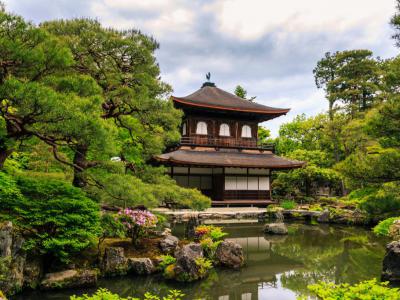
You know you’re fancy when your retirement home becomes a UNESCO World Heritage Site. That’s exactly what happened to Yoshimasa, the eighth Ashikaga shogun, who picked this peaceful patch of Kyoto as his personal endgame-and in the process, helped perfect the art of the Japanese tea ceremony. Welcome to Ginkaku-ji, a 15th-century Zen temple often nicknamed the “Silver Pavilion.” The twist is that it’s not actually silver. That glimmer you see is just moonlight flirting with its once-black lacquered walls-nature’s optical illusion at its finest...
But the sparkle doesn’t stop there. Often called the 'little sibling' of Kinkaku-ji (or Golden Pavilion), it boasts even more scenic and exquisite gardens. The real scene-stealer is the 1.75-acre dry sand garden-a flawlessly raked expanse meant to reflect moonlight like a silvery sea. At its heart stands a conical mound modeled after Mount Fuji, proof that Zen monks could outdo any landscaper with a rake and a dream.
Take the Moon-Viewing Platform, then follow the winding path through mossy gardens, over quaint bridges, past koi ponds and whispering streams. It'll lead you to a hilltop view that rolls out the entire temple complex-and most of Kyoto, if you're lucky. The stone-and-bamboo walkway keeps things civilized, so even the uphill part feels like a meditative stroll.
Yes, it gets crowded. But thanks to the one-way route, you won’t be playing tourist bumper cars. Just zen out and go with the flow.
What you'll get in the end is garden perfection, bamboo vibes, and moonlit drama, not to mention a gift shop full of rabbit-themed treasures (that you didn’t even know you needed) and fan souvenirs not found anywhere else in Kyoto...
Pro tip: Hit it early or at golden hour. Kyoto sunsets are too pretty to miss...
But the sparkle doesn’t stop there. Often called the 'little sibling' of Kinkaku-ji (or Golden Pavilion), it boasts even more scenic and exquisite gardens. The real scene-stealer is the 1.75-acre dry sand garden-a flawlessly raked expanse meant to reflect moonlight like a silvery sea. At its heart stands a conical mound modeled after Mount Fuji, proof that Zen monks could outdo any landscaper with a rake and a dream.
Take the Moon-Viewing Platform, then follow the winding path through mossy gardens, over quaint bridges, past koi ponds and whispering streams. It'll lead you to a hilltop view that rolls out the entire temple complex-and most of Kyoto, if you're lucky. The stone-and-bamboo walkway keeps things civilized, so even the uphill part feels like a meditative stroll.
Yes, it gets crowded. But thanks to the one-way route, you won’t be playing tourist bumper cars. Just zen out and go with the flow.
What you'll get in the end is garden perfection, bamboo vibes, and moonlit drama, not to mention a gift shop full of rabbit-themed treasures (that you didn’t even know you needed) and fan souvenirs not found anywhere else in Kyoto...
Pro tip: Hit it early or at golden hour. Kyoto sunsets are too pretty to miss...
4) Philosopher's Path: South End (must see)
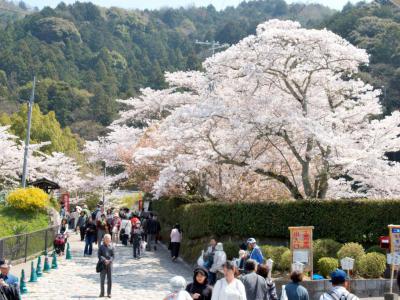
If you start on the Philosopher’s Path at the Nyakuoji Bridge, this south-end stretch of the Path offers far more than just a stroll along the scenic canal and canal-side contemplation.
About 20 meters to the left of the bridge, you’ll stumble upon SAYUU, an arts-and-crafts gallery so refined it could convince your suitcase to grow extra space. Open Thursday through Monday, from 11 AM to 6 PM, it’s a treasure trove of elegant glass and pottery at pocket-friendly prices.
Now pivot right and walk 50 meters to find the small and welcoming KUMANO NYAKUOJI-JINJA-a peaceful shrine that somehow slipped under the tourist radar. Open from 9 AM to 5 PM and originally established in 1160, it honors the god of academic brilliance and business success. Legend has it that Yatagarasu, the mythical three-legged raven, dwells within, serving the god as a messenger. Keep an eye out for its symbols on the roof tiles and in the "Kumanogongen" calligraphy of the main shrine. A sanctuary of tranquility, the surrounding park (and a conservation area) exudes peace and quiet, while the waterside provides a serene communion with nature throughout the year.
Those with a serious sweet tooth may hop across the river straight to KANOU, a confectionery shop and teahouse where they can enjoy their sweets and become one with their matcha without feeling rushed. Open from 10 AM till 8 PM, it’s a perfect finale for your soul-soothing detour-proof that a sweet ending is not just for fairy tales...
About 20 meters to the left of the bridge, you’ll stumble upon SAYUU, an arts-and-crafts gallery so refined it could convince your suitcase to grow extra space. Open Thursday through Monday, from 11 AM to 6 PM, it’s a treasure trove of elegant glass and pottery at pocket-friendly prices.
Now pivot right and walk 50 meters to find the small and welcoming KUMANO NYAKUOJI-JINJA-a peaceful shrine that somehow slipped under the tourist radar. Open from 9 AM to 5 PM and originally established in 1160, it honors the god of academic brilliance and business success. Legend has it that Yatagarasu, the mythical three-legged raven, dwells within, serving the god as a messenger. Keep an eye out for its symbols on the roof tiles and in the "Kumanogongen" calligraphy of the main shrine. A sanctuary of tranquility, the surrounding park (and a conservation area) exudes peace and quiet, while the waterside provides a serene communion with nature throughout the year.
Those with a serious sweet tooth may hop across the river straight to KANOU, a confectionery shop and teahouse where they can enjoy their sweets and become one with their matcha without feeling rushed. Open from 10 AM till 8 PM, it’s a perfect finale for your soul-soothing detour-proof that a sweet ending is not just for fairy tales...
5) Nanzen-ji Temple
If Zen had a penthouse suite, Nanzen-ji would be living in it. Once a piece of Japan’s Imperial Palace, this place got a fiery makeover during the Momoyama period (in the late 16th century) and rose from the ashes as one of Kyoto’s top-tier Zen temples. As such, it enjoys a very high status, sitting among gorgeous old homes that practically scream "vintage Kyoto" (minus the tourist frenzy of Gion, that is). Complete with rustling leaves and the occasional monk gliding past in straw hat and indigo robes, it creates an image that looks like it's just stepped off a scroll painting.
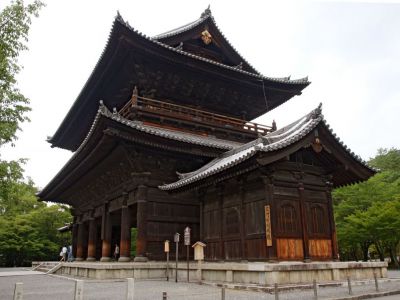
Prepare to be wowed by the temple's colossal two-story gate – a behemoth, not only by Japan's standards. Climbing up to its top for a sweeping view is well worth traversing the stairs. Then head to another star attraction, the Hojo Hall, with its sliding-door painting of a tiger quenching thirst from a stream alongside other dazzling gold leaf artworks.
Out back, the gardens – the handiwork of the landscaping legend Kobori Enshu from the early Edo period – are well worth the hype. And just when you think it can’t get any more photogenic, you stumble upon a 130-year-old red-brick aqueduct, channeling water from Lake Biwa to the city.
Perched on the edge of the eastern mountains, Nanzen-ji is ideal for slow-paced morning strolls, temple-deep dives or a full-blown day of exploration. Entry is usually free unless you’re eyeing some inner sanctums, which might cost you a few yen depending on your interests.
Tips:
Feeling fancy? Hop on a rickshaw for a scenic spin around the area.
For a serene detour, slip under the aqueduct and veer right (by the little stream) to climb up to a beautiful temple that most tourists miss.
Prepare to be wowed by the temple's colossal two-story gate – a behemoth, not only by Japan's standards. Climbing up to its top for a sweeping view is well worth traversing the stairs. Then head to another star attraction, the Hojo Hall, with its sliding-door painting of a tiger quenching thirst from a stream alongside other dazzling gold leaf artworks.
Out back, the gardens – the handiwork of the landscaping legend Kobori Enshu from the early Edo period – are well worth the hype. And just when you think it can’t get any more photogenic, you stumble upon a 130-year-old red-brick aqueduct, channeling water from Lake Biwa to the city.
Perched on the edge of the eastern mountains, Nanzen-ji is ideal for slow-paced morning strolls, temple-deep dives or a full-blown day of exploration. Entry is usually free unless you’re eyeing some inner sanctums, which might cost you a few yen depending on your interests.
Tips:
Feeling fancy? Hop on a rickshaw for a scenic spin around the area.
For a serene detour, slip under the aqueduct and veer right (by the little stream) to climb up to a beautiful temple that most tourists miss.
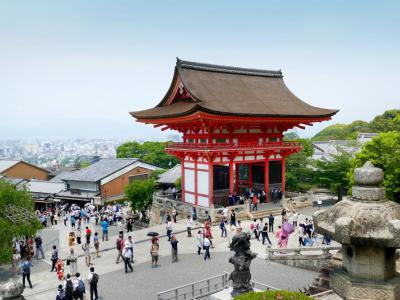
6) Kiyomizu-dera Temple (must see)
Towering above the treasure-packed sprawl of Southern Higashiyama, Kiyomizu-dera temple is both a place of worship and Kyoto’s dramatic headliner. Equal parts spiritual retreat and bucket-list selfie spot, it offers sweeping views of the city below (if you can peel your eyes away from the throngs of visitors doing the same). And should you be bold enough (or just patient) to visit during cherry blossom season, the nighttime glow of illuminated petals will be your reward for enduring the human traffic jam.
The temple’s story starts with a splash-quite literally. In 778, a monk named Enchin Shonin, nudged by a divine vision, stumbled upon the Otowa Spring. The water was so pure that it gave the temple its name: Kiyomizu, meaning “clear water.” A noble patron, moved by the miracle (or just in the mood for grand gestures), commissioned a hall built not in typical temple fashion but in the style of an aristocrat’s dream home-complete with a swooping shingled roof. At its heart is a rarely-seen 1,000-armed Kannon (a bodhisattva of compassion, widely revered in East Asian Buddhism, especially in Japan), which is unveiled to mere mortals once every 33 years. Blink and you’ll miss it... for another three decades.
Then there’s the famous stage-no nails, just massive wooden pillars holding up a 13-meter (or 43-foot) drop. Originally used for sacred dance performances, it later gained ill fame as a tragic endpoint for desperate folks hoping to leap their way into a better afterlife. Nowadays, you’re more likely to leap into a photo op with Kyoto’s hills in the background.
Wander a bit more and you'll find Jishu Shrine, matchmaking central, and the pagoda where expectant mothers whisper hopes for safe births. And don’t skip the Otowa Spring, of course: its three trickling streams promise health, longevity, or academic success. Just pick one-greedy sipping is frowned upon. After 1,200 years, the lines are still long and the stakes still high. So, choose wisely...
The temple’s story starts with a splash-quite literally. In 778, a monk named Enchin Shonin, nudged by a divine vision, stumbled upon the Otowa Spring. The water was so pure that it gave the temple its name: Kiyomizu, meaning “clear water.” A noble patron, moved by the miracle (or just in the mood for grand gestures), commissioned a hall built not in typical temple fashion but in the style of an aristocrat’s dream home-complete with a swooping shingled roof. At its heart is a rarely-seen 1,000-armed Kannon (a bodhisattva of compassion, widely revered in East Asian Buddhism, especially in Japan), which is unveiled to mere mortals once every 33 years. Blink and you’ll miss it... for another three decades.
Then there’s the famous stage-no nails, just massive wooden pillars holding up a 13-meter (or 43-foot) drop. Originally used for sacred dance performances, it later gained ill fame as a tragic endpoint for desperate folks hoping to leap their way into a better afterlife. Nowadays, you’re more likely to leap into a photo op with Kyoto’s hills in the background.
Wander a bit more and you'll find Jishu Shrine, matchmaking central, and the pagoda where expectant mothers whisper hopes for safe births. And don’t skip the Otowa Spring, of course: its three trickling streams promise health, longevity, or academic success. Just pick one-greedy sipping is frowned upon. After 1,200 years, the lines are still long and the stakes still high. So, choose wisely...
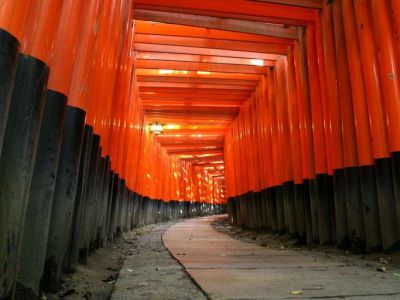
7) Fushimi Inari Taisha Shrine (must see)
If you can only squeeze in one Shinto shrine visit during your Kyoto stay, Fushimi Inari-Taisha should be your top choice. As the primary shrine for 40,000 Inari dedications nationwide, it holds sway as the divine abode of fertility, rice, sake, and prosperity.
A sight to behold, this captivating complex sprawls across a mountain, boasting over 10,000 vermillion torii gates that weave through dense woodlands along a 4-kilometer trail. Stone foxes, guardians with granary keys, dot the landscape, alongside five shrines, mausoleums, and sake-laden altars. In Shinto belief, foxes serve as messengers to 'kami' (gods), bridging our world and the next.
While wandering through the crimson tunnel may feel surreal, the shrine's focus remains firmly rooted in worldly affairs. Originally honoring rice and sake gods since AD 711, its emphasis later shifted to commerce, evidenced by black kanji inscriptions on torii gates, each donated by businesses hoping for prosperity.
Venture to the hilltop, where countless altars await, erected by devotees after individual visions of Inari. Traditional stores peddle noodles and religious items, while a viewing point offers a stunning panorama of southern Kyoto. With its playful yet sacred ambiance, embellished by myriad fox statues, the hill exudes an enchanting allure, making Fushimi Inari the city's crown jewel.
Why You Should Visit:
Apart from ample photo ops along the winding mountain trails, it offers a mystical journey through sacred terrain, rejuvenated by crisp mountain air.
Tips:
While amenities are sparse, stores and eateries dot the path, but consider carrying water. The trek to the summit is rewarding, especially in solitude, so aim for an early start to avoid crowds and relish the serene charm.
A sight to behold, this captivating complex sprawls across a mountain, boasting over 10,000 vermillion torii gates that weave through dense woodlands along a 4-kilometer trail. Stone foxes, guardians with granary keys, dot the landscape, alongside five shrines, mausoleums, and sake-laden altars. In Shinto belief, foxes serve as messengers to 'kami' (gods), bridging our world and the next.
While wandering through the crimson tunnel may feel surreal, the shrine's focus remains firmly rooted in worldly affairs. Originally honoring rice and sake gods since AD 711, its emphasis later shifted to commerce, evidenced by black kanji inscriptions on torii gates, each donated by businesses hoping for prosperity.
Venture to the hilltop, where countless altars await, erected by devotees after individual visions of Inari. Traditional stores peddle noodles and religious items, while a viewing point offers a stunning panorama of southern Kyoto. With its playful yet sacred ambiance, embellished by myriad fox statues, the hill exudes an enchanting allure, making Fushimi Inari the city's crown jewel.
Why You Should Visit:
Apart from ample photo ops along the winding mountain trails, it offers a mystical journey through sacred terrain, rejuvenated by crisp mountain air.
Tips:
While amenities are sparse, stores and eateries dot the path, but consider carrying water. The trek to the summit is rewarding, especially in solitude, so aim for an early start to avoid crowds and relish the serene charm.
