Custom Walk in Singapore, Singapore by bluenin22_74ada6 created on 2026-03-20
Guide Location: Singapore » Singapore
Guide Type: Custom Walk
# of Sights: 15
Tour Duration: 5 Hour(s)
Travel Distance: 11.3 Km or 7 Miles
Share Key: WYXKL
Guide Type: Custom Walk
# of Sights: 15
Tour Duration: 5 Hour(s)
Travel Distance: 11.3 Km or 7 Miles
Share Key: WYXKL
How It Works
Please retrieve this walk in the GPSmyCity app. Once done, the app will guide you from one tour stop to the next as if you had a personal tour guide. If you created the walk on this website or come to the page via a link, please follow the instructions below to retrieve the walk in the app.
Retrieve This Walk in App
Step 1. Download the app "GPSmyCity: Walks in 1K+ Cities" on Apple App Store or Google Play Store.



Step 2. In the GPSmyCity app, download(or launch) the guide "Singapore Map and Walking Tours".
Step 3. Tap the menu button located at upper right corner of the "Walks" screen and select "Retrieve custom walk". Enter the share key: WYXKL
1) Sands Skypark and Observation Deck (must see)
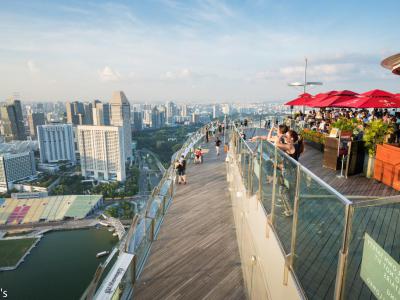
To some, it may appear as a giant celestial surfboard balancing on three skyscrapers, or maybe a sleek spaceship touching down for refuelling. Either way, the Sands SkyPark is hard to miss. Spanning 1.2 hectares across the tops of the three 55-storey Marina Bay Sands towers, it looks like it’s defying gravity for the sheer fun of it.
Dreamed up by architect Moshe Safdie, the SkyPark isn’t just big-it’s “longer-than-the-Eiffel-Tower-lying-on-its-side” big. In fact, there’s room up there for four and a half A380 jumbo jets (!!!), though luckily the only things landing are visitors armed with cameras and enthusiasm.
Once you step onto the platform, the surprise continues. You’ll find gardens filled with trees and plants that seem almost too relaxed for a rooftop setting. Scattered among the greenery are some of Marina Bay’s most talked-about bars, restaurants, and nightlife spots. These include the likes of Michelin-starred CUT by Wolfgang Puck, Black Tap Craft Burgers and Beer, AVENUE Singapore, LAVO Italian Restaurant & Rooftop Bar, and the ever-iconic Cé La Vi. It’s a place where fine dining meets high altitude, and nobody complains about the view.
But the real scene-stealer is the SkyPark’s 150-meter infinity pool-also known as the world’s largest elevated outdoor pool and quite possibly the most dramatic spot to float around at 191 meters above the ground. With a vanishing edge stretching 146 meters, it creates a perfect illusion of swimming straight into the skyline. The only catch is-you need to be a Marina Bay Sands hotel guest to slip in for a dip or access the SkyPark for free.
If you’re not staying overnight, don’t worry-the public observation deck is your VIP pass to the panorama. Cantilevered above the city, it delivers a full 360-degree sweep of Marina Bay. Open from 11:30 a.m. to 8:00 p.m., the deck lets you soak up the views, browse the souvenir shop, and tune into an audio guide that points out Singapore’s landmarks while you gaze down at them.
Up here, everything feels a little unreal-and that’s exactly the point.
Dreamed up by architect Moshe Safdie, the SkyPark isn’t just big-it’s “longer-than-the-Eiffel-Tower-lying-on-its-side” big. In fact, there’s room up there for four and a half A380 jumbo jets (!!!), though luckily the only things landing are visitors armed with cameras and enthusiasm.
Once you step onto the platform, the surprise continues. You’ll find gardens filled with trees and plants that seem almost too relaxed for a rooftop setting. Scattered among the greenery are some of Marina Bay’s most talked-about bars, restaurants, and nightlife spots. These include the likes of Michelin-starred CUT by Wolfgang Puck, Black Tap Craft Burgers and Beer, AVENUE Singapore, LAVO Italian Restaurant & Rooftop Bar, and the ever-iconic Cé La Vi. It’s a place where fine dining meets high altitude, and nobody complains about the view.
But the real scene-stealer is the SkyPark’s 150-meter infinity pool-also known as the world’s largest elevated outdoor pool and quite possibly the most dramatic spot to float around at 191 meters above the ground. With a vanishing edge stretching 146 meters, it creates a perfect illusion of swimming straight into the skyline. The only catch is-you need to be a Marina Bay Sands hotel guest to slip in for a dip or access the SkyPark for free.
If you’re not staying overnight, don’t worry-the public observation deck is your VIP pass to the panorama. Cantilevered above the city, it delivers a full 360-degree sweep of Marina Bay. Open from 11:30 a.m. to 8:00 p.m., the deck lets you soak up the views, browse the souvenir shop, and tune into an audio guide that points out Singapore’s landmarks while you gaze down at them.
Up here, everything feels a little unreal-and that’s exactly the point.
2) Arab Street
What to buy here: Batik Textiles.
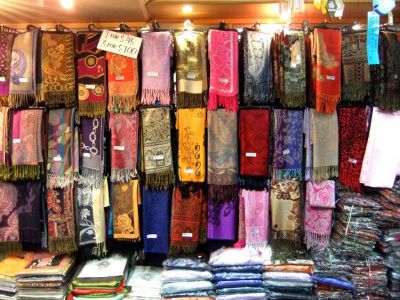
Many of the traditional dresses across the ethnic cultures in Singapore, such as the Peranakan, Indian and Malay cultures, are made from batik-textiles. Actually Indonesian Batik which is also widely used and found in Singapore was designated by UNESCO as a Masterpiece of Oral and Intangible Heritage of Humanity. These unique textiles are typically both colorful and full of interesting patterns. Not only are the designs many, but they are extremely comfortable to wear as well. Their prices can range from S$8 for table clothes all the way till S$1000 for high quality pieces, depending on what type you wish to purchase.
Batik-textiles can be found in the many shops that line Arab Street, which is near Bugis MRT station. Some of these shops include Silk Studio, Warna Fabrics, Basharahil House of Batik, and many more. In short, you'll be spoilt for choice there.
Many of the traditional dresses across the ethnic cultures in Singapore, such as the Peranakan, Indian and Malay cultures, are made from batik-textiles. Actually Indonesian Batik which is also widely used and found in Singapore was designated by UNESCO as a Masterpiece of Oral and Intangible Heritage of Humanity. These unique textiles are typically both colorful and full of interesting patterns. Not only are the designs many, but they are extremely comfortable to wear as well. Their prices can range from S$8 for table clothes all the way till S$1000 for high quality pieces, depending on what type you wish to purchase.
Batik-textiles can be found in the many shops that line Arab Street, which is near Bugis MRT station. Some of these shops include Silk Studio, Warna Fabrics, Basharahil House of Batik, and many more. In short, you'll be spoilt for choice there.
3) Haji Lane
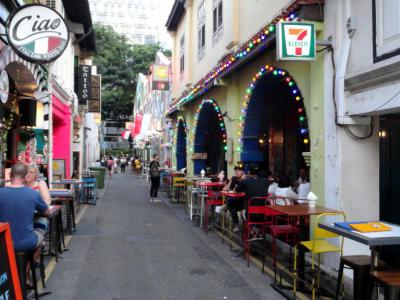
Haji Lane is a well-known part of the Kampong Glam neighborhood in Singapore, conveniently located just a short stroll away from Bugis MRT station. Historically, up until the late 1970s, the area around Bussuroah Street and Sultan's Mosque served as a gathering spot for pilgrims who were preparing for their journeys. Haji Lane got its name from Arab pilgrim-brokers who arranged Hajj pilgrimages for Muslims in Singapore and nearby islands. As a result, the entire Kampong Glam area holds significant historical importance in Singapore.
This vibrant neighborhood is renowned for its distinctive shophouses and caters to a diverse crowd of food enthusiasts, fashion aficionados, and anyone seeking a memorable experience. Given the plethora of choices available, deciding what to do and where to go in Haji Lane can be a bit overwhelming.
Today, Haji Lane is adorned with art installations by local artists and exudes a trendy, hipster ambiance. Even if you don't intend to make purchases or indulge in the delectable cuisine offered in Haji Lane, taking a leisurely stroll along this popular street is an experience in itself.
Whether you're seeking a lively night out with friends or a relaxed afternoon exploring the local boutiques, Haji Lane offers something to suit every taste. So, get ready to immerse yourself in this dynamic neighborhood and make the most of your Singaporean adventure!
This vibrant neighborhood is renowned for its distinctive shophouses and caters to a diverse crowd of food enthusiasts, fashion aficionados, and anyone seeking a memorable experience. Given the plethora of choices available, deciding what to do and where to go in Haji Lane can be a bit overwhelming.
Today, Haji Lane is adorned with art installations by local artists and exudes a trendy, hipster ambiance. Even if you don't intend to make purchases or indulge in the delectable cuisine offered in Haji Lane, taking a leisurely stroll along this popular street is an experience in itself.
Whether you're seeking a lively night out with friends or a relaxed afternoon exploring the local boutiques, Haji Lane offers something to suit every taste. So, get ready to immerse yourself in this dynamic neighborhood and make the most of your Singaporean adventure!
4) Sultan Mosque
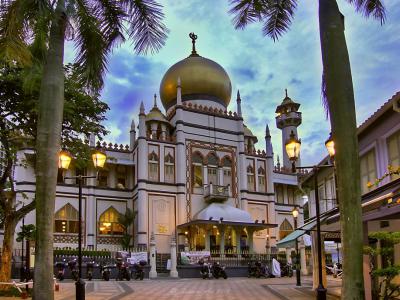
Sultan Mosque, also known as Masjid Sultan, is a religious building dedicated to Sultan Hussain Shah. It holds the status of a National Monument since 1975.
This mosque's history is linked to Singapore's colonial era. In 1819, when Singapore became British territory, Temenggong Abdul Rahman and Sultan Hussain Shah received compensation for giving up power. Sir Stamford Raffles, a key British official, granted them an annual stipend and the use of Kampong Glam as their residence.
As Sultan Hussain's status grew, he decided to build a mosque befitting his position. Between 1824 and 1826, he used funds obtained from the East India Company to construct a mosque adjacent to his palace. This mosque had a two-tiered pyramidal roof and followed a typical architectural style. However, it was later replaced with a new mosque.
The management of the mosque was initially overseen by Alauddin Shah, the Sultan's grandson, until 1879 when it was handed over to five community leaders. In 1914, the government extended the lease for 999 years, and a new board of trustees was appointed, consisting of two representatives from each segment of the Muslim community.
As Islamic activities in Singapore, including commerce, culture, and art, flourished in the early 1900s, Sultan Mosque began to feel inadequate for the growing community. In 1924, coinciding with the mosque's centenary, the trustees approved a plan to build a new mosque, as the old one had deteriorated. Architect Denis Santry from Swan & Maclaren designed the new mosque in a Saracenic style, incorporating minarets and balustrades. The construction was completed in 1928 after four years of work.
This mosque's history is linked to Singapore's colonial era. In 1819, when Singapore became British territory, Temenggong Abdul Rahman and Sultan Hussain Shah received compensation for giving up power. Sir Stamford Raffles, a key British official, granted them an annual stipend and the use of Kampong Glam as their residence.
As Sultan Hussain's status grew, he decided to build a mosque befitting his position. Between 1824 and 1826, he used funds obtained from the East India Company to construct a mosque adjacent to his palace. This mosque had a two-tiered pyramidal roof and followed a typical architectural style. However, it was later replaced with a new mosque.
The management of the mosque was initially overseen by Alauddin Shah, the Sultan's grandson, until 1879 when it was handed over to five community leaders. In 1914, the government extended the lease for 999 years, and a new board of trustees was appointed, consisting of two representatives from each segment of the Muslim community.
As Islamic activities in Singapore, including commerce, culture, and art, flourished in the early 1900s, Sultan Mosque began to feel inadequate for the growing community. In 1924, coinciding with the mosque's centenary, the trustees approved a plan to build a new mosque, as the old one had deteriorated. Architect Denis Santry from Swan & Maclaren designed the new mosque in a Saracenic style, incorporating minarets and balustrades. The construction was completed in 1928 after four years of work.
5) Chinatown (must see)
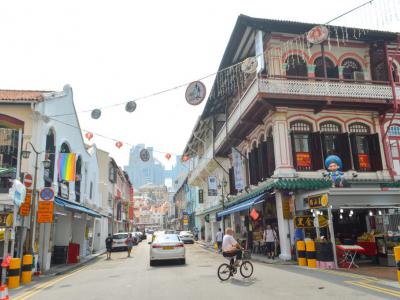
Once a hub for Chinese immigrants in Singapore, today's Chinatown seamlessly blends the past with the present. This cherished district boasts a harmonious coexistence of historical temples and medicinal halls alongside award-winning bars and restaurants.
A day spent exploring this lively area, which encompasses Tanjong Pagar, Bukit Pasoh, Kreta Ayer, and Telok Ayer neighborhoods, promises a variety of experiences. Whether you're delving into centuries-old temples or immersing yourself in the trendy atmosphere of hip watering holes, Chinatown offers a constant stream of fresh encounters.
For culture enthusiasts eager to dive into Singapore's diverse multi-ethnic culture, Chinatown stands as an unparalleled destination. Remarkably, this district is the only Chinatown globally to feature a Buddhist temple, a mosque, and a Hindu temple all within a single street.
Start your exploration of Singapore's religious traditions at the Buddha Tooth Relic Temple & Museum, featuring a mandala-inspired interior symbolizing universal connectivity. Discover hidden gems like a rooftop pagoda garden and a vegetarian food court within the temple compound.
From the Buddha Tooth Relic Temple & Museum, take a brief stroll down South Bridge Road and keep an eye out for the Sri Mariamman Temple, Singapore's oldest Hindu temple. Although the temple's patron deity statue is unveiled only on special occasions, its interior boasts a treasure trove of murals and shrines dedicated to deities like Shiva and Durga.
Whether you prefer traditional or fusion cuisine, Chinatown offers diverse food options. Michelin-starred restaurants like Cure, Meta, and Euphoria are found in its four neighborhoods. For hearty hawker fare, check out Amoy Street Food Centre, Maxwell Food Centre, or Chinatown Complex Food Centre.
In addition to its rich culture and traditions, Chinatown is a vibrant neighborhood with bustling bars where you can socialize over a drink. Many of these establishments have earned accolades on the list of Asia's 50 Best Bars and include renowned spots like Jigger & Pony, known for its modern take on classic cocktails, the innovative Tipping Club, and charming speakeasies such as Sago House.
A day spent exploring this lively area, which encompasses Tanjong Pagar, Bukit Pasoh, Kreta Ayer, and Telok Ayer neighborhoods, promises a variety of experiences. Whether you're delving into centuries-old temples or immersing yourself in the trendy atmosphere of hip watering holes, Chinatown offers a constant stream of fresh encounters.
For culture enthusiasts eager to dive into Singapore's diverse multi-ethnic culture, Chinatown stands as an unparalleled destination. Remarkably, this district is the only Chinatown globally to feature a Buddhist temple, a mosque, and a Hindu temple all within a single street.
Start your exploration of Singapore's religious traditions at the Buddha Tooth Relic Temple & Museum, featuring a mandala-inspired interior symbolizing universal connectivity. Discover hidden gems like a rooftop pagoda garden and a vegetarian food court within the temple compound.
From the Buddha Tooth Relic Temple & Museum, take a brief stroll down South Bridge Road and keep an eye out for the Sri Mariamman Temple, Singapore's oldest Hindu temple. Although the temple's patron deity statue is unveiled only on special occasions, its interior boasts a treasure trove of murals and shrines dedicated to deities like Shiva and Durga.
Whether you prefer traditional or fusion cuisine, Chinatown offers diverse food options. Michelin-starred restaurants like Cure, Meta, and Euphoria are found in its four neighborhoods. For hearty hawker fare, check out Amoy Street Food Centre, Maxwell Food Centre, or Chinatown Complex Food Centre.
In addition to its rich culture and traditions, Chinatown is a vibrant neighborhood with bustling bars where you can socialize over a drink. Many of these establishments have earned accolades on the list of Asia's 50 Best Bars and include renowned spots like Jigger & Pony, known for its modern take on classic cocktails, the innovative Tipping Club, and charming speakeasies such as Sago House.
6) Maxwell Food Center
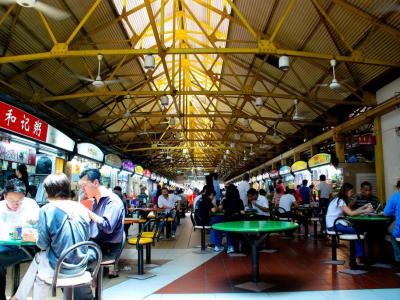
Maxwell Hawker Centre stands out as a top-notch destination for savoring authentic and budget-friendly Singaporean cuisine. What truly distinguishes this food court is its vibrant ambiance, with both locals and tourists bustling about, eager to indulge in the iconic street food of Singapore, starting at a mere $3 per serving.
The extensive row of food stalls predominantly offers Chinese-inspired dishes, encompassing dim sum, rice porridge, fish balls, and noodles. Nevertheless, given Singapore's diverse culinary landscape, patrons can always find an array of regional cuisines to satisfy their palates.
Tian Tian Hainanese Chicken Rice reigns as the most renowned food vendor within Maxwell Hawker Centre, if not the most acclaimed across the entire city-state. Long queues are a common sight, particularly during meal hours, especially since Tian Tian was bestowed with a Michelin Star by The Michelin Guide-an unprecedented recognition for a street stall worldwide.
For those yearning for steamed chicken on rice but reluctant to endure the wait, Ah Tai Hainanese Chicken Rice, just a few stalls away, offers a tempting alternative. Interestingly, Ah Tai's namesake proprietor once served as a staff member at the more illustrious Tian Tian stall.
Another enduring crowd-pleaser at Maxwell Hawker Centre is Rojak, Popiah & Cockle, where patrons can relish the Malay-style medley of crispy bread, fruits, vegetables, and eggs, all drenched in a bold, piquant sauce-an adventurous culinary experience beloved by locals.
Situated in close proximity to numerous attractions in Chinatown, Maxwell Road Food Centre is easily accessible on foot from Telok Ayer and Chinatown MRT subway stations.
The extensive row of food stalls predominantly offers Chinese-inspired dishes, encompassing dim sum, rice porridge, fish balls, and noodles. Nevertheless, given Singapore's diverse culinary landscape, patrons can always find an array of regional cuisines to satisfy their palates.
Tian Tian Hainanese Chicken Rice reigns as the most renowned food vendor within Maxwell Hawker Centre, if not the most acclaimed across the entire city-state. Long queues are a common sight, particularly during meal hours, especially since Tian Tian was bestowed with a Michelin Star by The Michelin Guide-an unprecedented recognition for a street stall worldwide.
For those yearning for steamed chicken on rice but reluctant to endure the wait, Ah Tai Hainanese Chicken Rice, just a few stalls away, offers a tempting alternative. Interestingly, Ah Tai's namesake proprietor once served as a staff member at the more illustrious Tian Tian stall.
Another enduring crowd-pleaser at Maxwell Hawker Centre is Rojak, Popiah & Cockle, where patrons can relish the Malay-style medley of crispy bread, fruits, vegetables, and eggs, all drenched in a bold, piquant sauce-an adventurous culinary experience beloved by locals.
Situated in close proximity to numerous attractions in Chinatown, Maxwell Road Food Centre is easily accessible on foot from Telok Ayer and Chinatown MRT subway stations.
7) Buddha Tooth Relic Temple & Museum (must see)
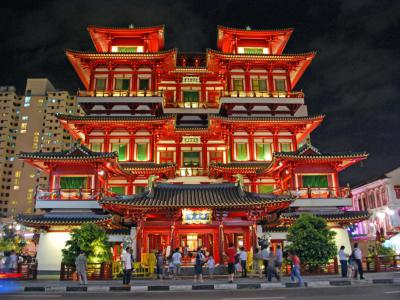
Situated right in the heart of Singapore’s Chinatown, this temple isn't shy to announce its presence. The local Chinese community treasures it, and once you see the lavish façade, you’ll understand why. Step inside and the drama continues, with an interior that matches the exterior’s grandeur note for note.
You’ll notice the lights glowing even at midnight because the temple never closes. What does close, however, is the dress code loophole. Shoulders must be covered for women, conservative dress or slacks advised for the lower part, and for men-sorry, no shorts or tank tops allowed. Strangely, shoes are completely fine, and you can take non-flash photos in selected areas, just not in the relic chamber and other sacred spots.
As you walk through, don’t be surprised if you hear a monk chanting into a microphone. It’s all part of the rhythm of daily worship. At the back, you’ll spot rows of Buddha statues linked to the astrological signs. Front and centre in the main hall is Maitreya-the future Buddha-represented by a wooden statue said to be nearly a thousand years old.
One whole floor is packed with statues, including Guan Yin, the Bodhisattva of Compassion, Mercy, and Kindness. Head upstairs and you’ll find life-sized wax figures of temple leaders, both past and present. The level of detail is impressive-down to the wrinkles-and could give some wax museums a confidence crisis. From here, a balcony lets you peek through drapes into the enormous prayer hall below.
But the real treasure sits on the 4th floor: the Buddha Tooth Relic Stupa. This golden chamber reportedly houses a tooth of Gautama Buddha, found in Myanmar in 1980. You can’t get right up to it, but for a closer look, a helpful scale model stands nearby.
Before you step back outside, take a detour to the rooftop orchid garden. Hidden from most visitors, it’s calm, colourful, and home to a giant prayer wheel surrounded by 10,000 small Buddha images. It’s the perfect quiet moment before diving back into the vibrant streets of Chinatown.
You’ll notice the lights glowing even at midnight because the temple never closes. What does close, however, is the dress code loophole. Shoulders must be covered for women, conservative dress or slacks advised for the lower part, and for men-sorry, no shorts or tank tops allowed. Strangely, shoes are completely fine, and you can take non-flash photos in selected areas, just not in the relic chamber and other sacred spots.
As you walk through, don’t be surprised if you hear a monk chanting into a microphone. It’s all part of the rhythm of daily worship. At the back, you’ll spot rows of Buddha statues linked to the astrological signs. Front and centre in the main hall is Maitreya-the future Buddha-represented by a wooden statue said to be nearly a thousand years old.
One whole floor is packed with statues, including Guan Yin, the Bodhisattva of Compassion, Mercy, and Kindness. Head upstairs and you’ll find life-sized wax figures of temple leaders, both past and present. The level of detail is impressive-down to the wrinkles-and could give some wax museums a confidence crisis. From here, a balcony lets you peek through drapes into the enormous prayer hall below.
But the real treasure sits on the 4th floor: the Buddha Tooth Relic Stupa. This golden chamber reportedly houses a tooth of Gautama Buddha, found in Myanmar in 1980. You can’t get right up to it, but for a closer look, a helpful scale model stands nearby.
Before you step back outside, take a detour to the rooftop orchid garden. Hidden from most visitors, it’s calm, colourful, and home to a giant prayer wheel surrounded by 10,000 small Buddha images. It’s the perfect quiet moment before diving back into the vibrant streets of Chinatown.
8) Smith Street (Chinatown Food Street) (must see)
Smith Street in Singapore’s Chinatown may look like a simple food haven today, but its story starts back in the 1840s, when the British were busy drawing straight lines on maps and calling it urban planning. Into this neat little grid came waves of Chinese migrants-people who built trades, set up shops, and basically turned the place into a buzzing, elbow-to-elbow micro-city. The street was eventually named after Sir Cecil Clementi Smith, a colonial governor remembered for calming down secret societies and trying to keep Chinatown from turning into a late-night action movie.
By the late 19th and early 20th centuries, Smith Street was at full volume. Traditional shophouses packed the road, filled with clan associations, herbal pharmacies, workshops, and eateries so small you could order your food without standing up. Outside, hawkers stirred noodles, grilled satay, and ladled desserts from carts that rattled from dawn to midnight. It was lively, it was messy, and it was absolutely essential to Singapore’s early food scene. The air was thick with steam, spices, and the constant soundtrack of people trying to fit daily life into very narrow spaces.
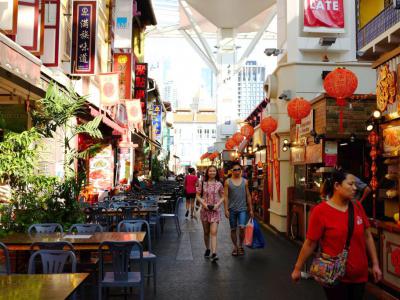
After World War II, the government stepped in with new hygiene rules, and many hawkers were moved into proper centres. Modernisation in the 1970s smoothed some of Chinatown’s edges, and Smith Street went from chaotic hotspot to quiet side street. But the early 2000s flipped the script again. As part of a heritage revival, the street was reborn as “Chinatown Food Street,” a pedestrian-friendly space covered with a sleek glass canopy and lined with stalls serving classics like char kway teow, satay, and chicken rice-basically, a greatest-hits album of Singaporean comfort food.
Today, Smith Street blends the old and the new with charming ease. Historic shophouses frame a mix of restaurants, tea shops, and snack stands offering everything from local sweets to adventurous bites like durian. It’s also the only English-named street in Chinatown, a fun reminder of its colonial roots.
Anyone coming here for souvenirs, supper, or just a slow wander under the canopy lights, will find Smith Street serving up a lively slice of Singapore’s evolving culinary heritage-one steaming plate at a time...
By the late 19th and early 20th centuries, Smith Street was at full volume. Traditional shophouses packed the road, filled with clan associations, herbal pharmacies, workshops, and eateries so small you could order your food without standing up. Outside, hawkers stirred noodles, grilled satay, and ladled desserts from carts that rattled from dawn to midnight. It was lively, it was messy, and it was absolutely essential to Singapore’s early food scene. The air was thick with steam, spices, and the constant soundtrack of people trying to fit daily life into very narrow spaces.
After World War II, the government stepped in with new hygiene rules, and many hawkers were moved into proper centres. Modernisation in the 1970s smoothed some of Chinatown’s edges, and Smith Street went from chaotic hotspot to quiet side street. But the early 2000s flipped the script again. As part of a heritage revival, the street was reborn as “Chinatown Food Street,” a pedestrian-friendly space covered with a sleek glass canopy and lined with stalls serving classics like char kway teow, satay, and chicken rice-basically, a greatest-hits album of Singaporean comfort food.
Today, Smith Street blends the old and the new with charming ease. Historic shophouses frame a mix of restaurants, tea shops, and snack stands offering everything from local sweets to adventurous bites like durian. It’s also the only English-named street in Chinatown, a fun reminder of its colonial roots.
Anyone coming here for souvenirs, supper, or just a slow wander under the canopy lights, will find Smith Street serving up a lively slice of Singapore’s evolving culinary heritage-one steaming plate at a time...
9) Sri Mariamman Temple
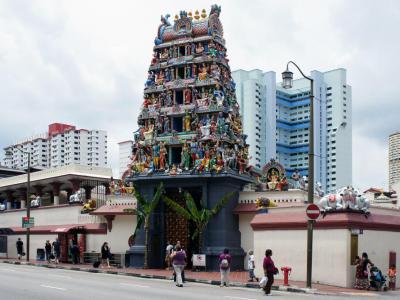
Singapore’s oldest Hindu shrine, the Sri Mariamman Temple, doesn’t exactly try to blend in. Its soaring entrance tower-called a “gopura”-is packed so tightly with brightly painted gods and mythical figures that it feels like they’re all leaning over to greet you at once. Set right in the heart of Chinatown, this temple has long been the spiritual home of Singapore’s Tamil Hindu community.
Step inside and tilt your head up to be rewarded with a parade of colourful friezes. Here you’ll spot the big three manifestations of the supreme being: Brahma, the creator, showing off three of his four heads; Vishnu, the preserver; and Shiva, the destroyer, casually holding one of his sons. The main sanctum straight ahead is dedicated to Mariamman, a goddess known for her healing powers.
Around the walkway, smaller sanctums honour other deities, including Periachi Amman. Her statue is quite dramatic, to say the least: she’s shown holding a queen on her lap after removing the queen’s evil child-a striking image, considering Periachi Amman is the protector of children and the one-month-old babies brought to her for blessings. For something gentler, Sri Aravan-with his dramatic moustache and oversized ears-waits quietly in a sanctum at the back.
On the left of the main sanctum, you’ll notice a simple patch of sand. Once a year, during the Thimithi festival, this humble square turns into a runway of burning coals. Male devotees sprint across it to demonstrate the power of their faith, protected-so they say-by prayer. Crowds line South Bridge Road to watch the ritual, which is as intense as it sounds.
Visit at the right moment, and you’ll catch daily rituals, chants, and offerings that bring the temple to life. It’s a deeply cultural experience, but one that asks a bit in return-and that is respect. Follow the locals, keep your voice down, cover your shoulders, and take off your shoes. A quick tip-bring socks. The temple floor heats up fast under the afternoon sun, and your feet will thank you.
And yes, entry is free, though there’s a small “camera fee” for tourists who want to take photos. Honestly? It’s worth every cent...
Step inside and tilt your head up to be rewarded with a parade of colourful friezes. Here you’ll spot the big three manifestations of the supreme being: Brahma, the creator, showing off three of his four heads; Vishnu, the preserver; and Shiva, the destroyer, casually holding one of his sons. The main sanctum straight ahead is dedicated to Mariamman, a goddess known for her healing powers.
Around the walkway, smaller sanctums honour other deities, including Periachi Amman. Her statue is quite dramatic, to say the least: she’s shown holding a queen on her lap after removing the queen’s evil child-a striking image, considering Periachi Amman is the protector of children and the one-month-old babies brought to her for blessings. For something gentler, Sri Aravan-with his dramatic moustache and oversized ears-waits quietly in a sanctum at the back.
On the left of the main sanctum, you’ll notice a simple patch of sand. Once a year, during the Thimithi festival, this humble square turns into a runway of burning coals. Male devotees sprint across it to demonstrate the power of their faith, protected-so they say-by prayer. Crowds line South Bridge Road to watch the ritual, which is as intense as it sounds.
Visit at the right moment, and you’ll catch daily rituals, chants, and offerings that bring the temple to life. It’s a deeply cultural experience, but one that asks a bit in return-and that is respect. Follow the locals, keep your voice down, cover your shoulders, and take off your shoes. A quick tip-bring socks. The temple floor heats up fast under the afternoon sun, and your feet will thank you.
And yes, entry is free, though there’s a small “camera fee” for tourists who want to take photos. Honestly? It’s worth every cent...
10) Merlion Park and Statue (must see)
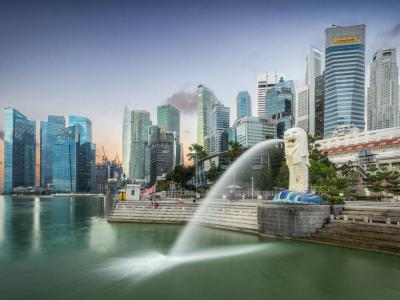
No visit to Singapore feels quite “official” until you’ve met the Merlion-the city’s most famous resident who, despite being made of stone, still manages to greet more tourists than anyone else. This half-fish, half-lion creature has been Singapore’s mascot since 1964, and its design sums up the country’s story in one glance: the fish nods to old Temasek, a humble fishing village, while the lion’s head traces back to the legend that inspired the name “Singapura,” or the “Lion City” in Sanskrit.
The Merlion may look unique, but it actually has distant cousins scattered across history. Lions with fishtails show up on ancient murals in Ajanta and Mathura in India, appear on Etruscan coins, and even swim through Western heraldry. Variations of this creature decorate the coats of arms of Portsmouth and Great Yarmouth in the UK, the City of Manila, and the old East India Company. In other words, Singapore didn’t invent the sea-lion-it just made it iconic.
Kitschy or not, the Merlion knows how to work a crowd. At nine meters tall and constantly spouting water, it offers prime views over Marina Bay, with the city’s skyscrapers rising behind it and the Singapore Flyer peeking in-that is, if you stand in just the right spot. And if you’ve already toasted the city with a Singapore Sling (an iconic gin-based cocktail invented at the Long Bar in Singapore's Raffles Hotel), dropping by to see the Merlion feels like the natural sequel.
Yes, it gets crowded. Everyone wants their moment with the stone celebrity. But the flow of people moves fast, and with a bit of patience, you’ll get your photo. Or, even better, take a breather, look around, and enjoy the scene. The Merlion may be quirky, but its little corner of the bay has a charm that always lands with visitors...
The Merlion may look unique, but it actually has distant cousins scattered across history. Lions with fishtails show up on ancient murals in Ajanta and Mathura in India, appear on Etruscan coins, and even swim through Western heraldry. Variations of this creature decorate the coats of arms of Portsmouth and Great Yarmouth in the UK, the City of Manila, and the old East India Company. In other words, Singapore didn’t invent the sea-lion-it just made it iconic.
Kitschy or not, the Merlion knows how to work a crowd. At nine meters tall and constantly spouting water, it offers prime views over Marina Bay, with the city’s skyscrapers rising behind it and the Singapore Flyer peeking in-that is, if you stand in just the right spot. And if you’ve already toasted the city with a Singapore Sling (an iconic gin-based cocktail invented at the Long Bar in Singapore's Raffles Hotel), dropping by to see the Merlion feels like the natural sequel.
Yes, it gets crowded. Everyone wants their moment with the stone celebrity. But the flow of people moves fast, and with a bit of patience, you’ll get your photo. Or, even better, take a breather, look around, and enjoy the scene. The Merlion may be quirky, but its little corner of the bay has a charm that always lands with visitors...
11) Helix Bridge
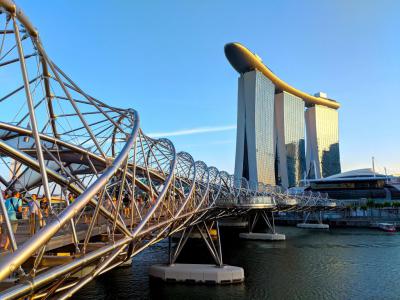
The Helix Bridge, formerly known as the Double Helix Bridge, is a pedestrian bridge connecting Marina Centre and Marina South within Singapore's Marina Bay area. It's positioned next to the Benjamin Sheares Bridge and features an adjacent vehicular bridge known as the Bayfront Bridge. This bridge's design consortium consists of an international team, including Australian architects from Cox Architecture, engineers from Arup, and Singapore-based Architects 61.
Constructed from about 650 tonnes of Duplex Stainless Steel and 1000 tonnes of carbon steel used in the temporary structure to help achieve its helical shape, construction commenced in 2007. The bridge was officially inaugurated on April 24, 2010, although only partially accessible at that time. It became fully open to the public on July 18, 2010, completing the entire walkway encircling Marina Bay.
To provide shade for pedestrians, canopies made of fritted glass and perforated steel mesh have been integrated along certain sections of the inner spiral. The bridge incorporates four viewing platforms strategically located to offer panoramic views of the Singapore skyline and events occurring within Marina Bay. During nighttime, a series of lights illuminate the double-helix structure, creating a captivating visual spectacle for visitors.
Constructed from about 650 tonnes of Duplex Stainless Steel and 1000 tonnes of carbon steel used in the temporary structure to help achieve its helical shape, construction commenced in 2007. The bridge was officially inaugurated on April 24, 2010, although only partially accessible at that time. It became fully open to the public on July 18, 2010, completing the entire walkway encircling Marina Bay.
To provide shade for pedestrians, canopies made of fritted glass and perforated steel mesh have been integrated along certain sections of the inner spiral. The bridge incorporates four viewing platforms strategically located to offer panoramic views of the Singapore skyline and events occurring within Marina Bay. During nighttime, a series of lights illuminate the double-helix structure, creating a captivating visual spectacle for visitors.
12) Flower Dome (must see)
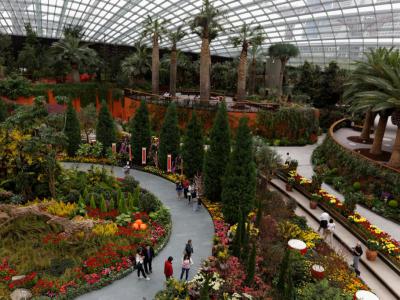
Gardens by the Bay is a natural park sprawling across 101 hectares (equivalent to 250 acres) in the Central Region of Singapore, located next to the Marina Reservoir. This park is comprised of three distinct waterfront gardens: Bay South Garden (located in Marina South), Bay East Garden (found in Marina East), and Bay Central Garden (situated in Downtown Core and Kallang). Among these, the largest is Bay South Garden, spanning 54 hectares (about 130 acres) and masterfully designed by Grant Associates. An exceptional feature of this garden is the Flower Dome, recognized as the world's largest glass greenhouse, as documented in the 2015 Guinness Book of World Records. It covers an area of 1.2 hectares (equivalent to 3.0 acres) and meticulously replicates a cool-dry Mediterranean climate.
The Flower Dome offers a dynamic exhibition space that includes the flower field and eight additional gardens: The Baobabs, Succulent Garden, Australian Garden, South African Garden, South American Garden, Olive Grove, California Garden, and the Mediterranean Garden. These eight gardens showcase an array of exotic flowers and plants native to Mediterranean and semi-arid regions found on five different continents.
Each of these garden sections hosts unique and rare plant species indigenous to their respective regions, with specifically tailored environments to support their growth and flourishing. For instance, the Olive Grove boasts a remarkable 1000-year-old Olive tree, the California Garden features fragrant shrubs and vines, and the Succulent Garden showcases a diverse collection of water-storing plants. Meanwhile, the Mediterranean Garden presents a stunning waterfront adorned with Italian Cypress trees, while the South African Garden displays native flora from Central Chile. The South American Garden is a vibrant sea of colorful flowers and shrubs, adding to the captivating diversity of Gardens by the Bay.
The Flower Dome offers a dynamic exhibition space that includes the flower field and eight additional gardens: The Baobabs, Succulent Garden, Australian Garden, South African Garden, South American Garden, Olive Grove, California Garden, and the Mediterranean Garden. These eight gardens showcase an array of exotic flowers and plants native to Mediterranean and semi-arid regions found on five different continents.
Each of these garden sections hosts unique and rare plant species indigenous to their respective regions, with specifically tailored environments to support their growth and flourishing. For instance, the Olive Grove boasts a remarkable 1000-year-old Olive tree, the California Garden features fragrant shrubs and vines, and the Succulent Garden showcases a diverse collection of water-storing plants. Meanwhile, the Mediterranean Garden presents a stunning waterfront adorned with Italian Cypress trees, while the South African Garden displays native flora from Central Chile. The South American Garden is a vibrant sea of colorful flowers and shrubs, adding to the captivating diversity of Gardens by the Bay.
13) Cloud Forest (must see)
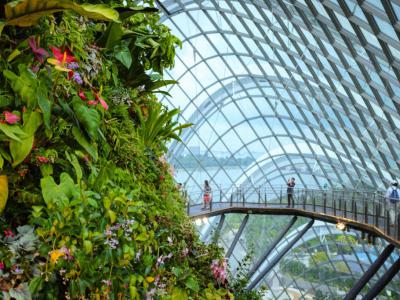
The Cloud Forest at Gardens by the Bay stands as one of Singapore's most remarkable attractions. This extraordinary glass dome, resembling a massive greenhouse, is visible from afar and is equally captivating from the inside. This expansive, climate-controlled structure boasts winding pathways and boasts one of the world's tallest indoor waterfalls, cascading from a height of over 30 meters.
Given Singapore's perennially hot climate, a visit to the Cloud Forest offers more than just a respite from the heat. Thanks to modern cooling systems, the dispersal of refreshing mist, and the presence of the majestic waterfall, the interior maintains a cool atmosphere, simulating the humid conditions found in misty tropical mountains ranging from 900 to 2,700 meters above sea level. Notably, the centerpiece of this attraction is the 42-meter "Cloud Mountain." After taking an elevator to its summit, visitors descend along a circular path that passes under the 35-meter waterfall several times.
The "Cloud Mountain" itself is a complex structure enveloped in epiphytic plants like orchids, ferns, peacock ferns, spike- and clubmosses, bromeliads, and anthuriums. The design, conceived by Grant Associates, draws inspiration from the Maiden Hair Fungus and features multiple tiers, each with a unique theme, including The Lost World, The Cavern, The Waterfall View, The Crystal Mountain, The Cloud Forest Gallery, The Cloud Forest Theatre, and The Secret Garden.
Given Singapore's perennially hot climate, a visit to the Cloud Forest offers more than just a respite from the heat. Thanks to modern cooling systems, the dispersal of refreshing mist, and the presence of the majestic waterfall, the interior maintains a cool atmosphere, simulating the humid conditions found in misty tropical mountains ranging from 900 to 2,700 meters above sea level. Notably, the centerpiece of this attraction is the 42-meter "Cloud Mountain." After taking an elevator to its summit, visitors descend along a circular path that passes under the 35-meter waterfall several times.
The "Cloud Mountain" itself is a complex structure enveloped in epiphytic plants like orchids, ferns, peacock ferns, spike- and clubmosses, bromeliads, and anthuriums. The design, conceived by Grant Associates, draws inspiration from the Maiden Hair Fungus and features multiple tiers, each with a unique theme, including The Lost World, The Cavern, The Waterfall View, The Crystal Mountain, The Cloud Forest Gallery, The Cloud Forest Theatre, and The Secret Garden.
14) Supertree Grove and Observatory Space (must see)
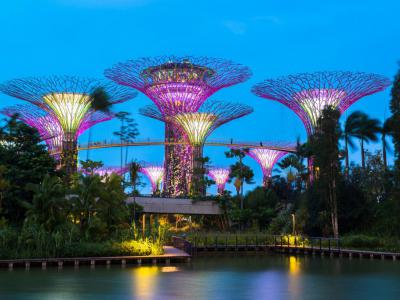
Supertrees are a set of 18 tree-like structures that dominate the landscape of the Gardens. They vary in height from 25 meters (82 feet) to 50 meters (160 feet). These structures essentially function as vertical gardens, serving multiple purposes, including planting, providing shade, and acting as environmental tools for the gardens.
Within the Supertrees, you'll find clusters of unique and exotic plant species like ferns, vines, orchids, and a wide assortment of bromeliads, such as Tillandsia. They incorporate environmental technologies designed to mimic the ecological roles of natural trees. For instance, they have photovoltaic cells that capture solar energy, much like how trees photosynthesize, and they collect rainwater for use in irrigation and fountain displays, similar to how trees absorb rainwater for growth. Additionally, the Supertrees contribute to the cooling systems of the conservatories by serving as air intake and exhaust components.
Visitors can enjoy an elevated walkway called the OCBC Skyway, which connects two of the larger Supertrees and offers a panoramic aerial view of the Gardens. Every evening at 7:45pm and 8:45pm, the Supertree Grove hosts a coordinated light and music show known as the Garden Rhapsody. The music for the show changes monthly, featuring themes like "A World of Wonder" and "A Night of Musical Theatre," which include excerpts from movies such as Jurassic Park and Pirates of the Caribbean.
There's also a relatively new attraction known as the Supertree Observatory, which opened on December 27, 2019. It is housed within the tallest Supertree, standing at 50 meters tall, and consists of three levels: the ground floor, the Observatory Space, and the Open-Air Rooftop Deck. Visitors can take an elevator to the Observatory Space and then climb a flight of stairs to reach the Rooftop Deck. The Observatory Space features an indoor area with floor-to-ceiling glass windows and an outdoor walkway around the perimeter. Here, visitors can experience a message about the impacts of climate change conveyed through digital media. The Open-Air Rooftop Deck, situated atop this Supertree canopy, provides unobstructed 360-degree views of the Gardens and the Marina Bay area.
Within the Supertrees, you'll find clusters of unique and exotic plant species like ferns, vines, orchids, and a wide assortment of bromeliads, such as Tillandsia. They incorporate environmental technologies designed to mimic the ecological roles of natural trees. For instance, they have photovoltaic cells that capture solar energy, much like how trees photosynthesize, and they collect rainwater for use in irrigation and fountain displays, similar to how trees absorb rainwater for growth. Additionally, the Supertrees contribute to the cooling systems of the conservatories by serving as air intake and exhaust components.
Visitors can enjoy an elevated walkway called the OCBC Skyway, which connects two of the larger Supertrees and offers a panoramic aerial view of the Gardens. Every evening at 7:45pm and 8:45pm, the Supertree Grove hosts a coordinated light and music show known as the Garden Rhapsody. The music for the show changes monthly, featuring themes like "A World of Wonder" and "A Night of Musical Theatre," which include excerpts from movies such as Jurassic Park and Pirates of the Caribbean.
There's also a relatively new attraction known as the Supertree Observatory, which opened on December 27, 2019. It is housed within the tallest Supertree, standing at 50 meters tall, and consists of three levels: the ground floor, the Observatory Space, and the Open-Air Rooftop Deck. Visitors can take an elevator to the Observatory Space and then climb a flight of stairs to reach the Rooftop Deck. The Observatory Space features an indoor area with floor-to-ceiling glass windows and an outdoor walkway around the perimeter. Here, visitors can experience a message about the impacts of climate change conveyed through digital media. The Open-Air Rooftop Deck, situated atop this Supertree canopy, provides unobstructed 360-degree views of the Gardens and the Marina Bay area.
15) Gardens by the Bay (must see)
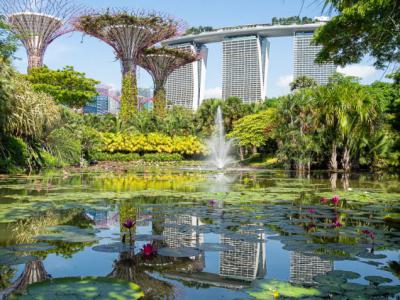
Gardens by the Bay is a sprawling natural park that covers 101 hectares (about 250 acres) in the Central Region of Singapore, right next to the Marina Reservoir. This park is divided into three distinct waterfront gardens: Bay South Garden in Marina South, Bay East Garden in Marina East, and Bay Central Garden in Downtown Core and Kallang. The largest among them is Bay South Garden, which spans 54 hectares (approximately 130 acres) and was designed by Grant Associates.
The establishment of Gardens by the Bay was part of Singapore's strategic plan to transform its identity from a "Garden City" into a "City in a Garden." The overarching goal was to elevate the residents' quality of life by increasing the presence of green spaces and diverse flora within the urban environment. The initiative was first introduced by Prime Minister Lee Hsien Loong during Singapore's National Day Rally in 2005, with the intention of making Gardens by the Bay a premier outdoor recreational area in the city and a national symbol.
The conservatory complex within Gardens by the Bay consists of two temperature-controlled conservatories: the Flower Dome and the Cloud Forest, strategically positioned along the Marina Reservoir shoreline. These conservatories, designed by WilkinsonEyre and Grant Associates, serve as impressive demonstrations of sustainable building techniques and offer an all-weather educational and entertainment space within the gardens. Each of these structures is quite spacious, covering around 2.5 acres, and the Flower Dome holds the distinction of being the world's largest glasshouse without interior support columns.
Why You Should Visit:
Once you're here, you'll just cry in endless admiration for all the beauty and technological advancement.
They constantly bring in seasonal flowers and plants from all over the world and you get to enjoy all this in the comfort of cool temperature and humidity.
Some of the sculptures are a bit kitschy and clearly aimed at children but nevertheless, the place is quite fascinating and unlike anything you've seen before.
Tip:
There's an evening sound & light show (7:45pm / 8:45pm) you can enjoy from the skyway but you have to buy tickets in advance (and the opening depends on the weather), although you can still take many beautiful pictures from the ground. If you want to see a light show please arrive early in order to get a seat.
The establishment of Gardens by the Bay was part of Singapore's strategic plan to transform its identity from a "Garden City" into a "City in a Garden." The overarching goal was to elevate the residents' quality of life by increasing the presence of green spaces and diverse flora within the urban environment. The initiative was first introduced by Prime Minister Lee Hsien Loong during Singapore's National Day Rally in 2005, with the intention of making Gardens by the Bay a premier outdoor recreational area in the city and a national symbol.
The conservatory complex within Gardens by the Bay consists of two temperature-controlled conservatories: the Flower Dome and the Cloud Forest, strategically positioned along the Marina Reservoir shoreline. These conservatories, designed by WilkinsonEyre and Grant Associates, serve as impressive demonstrations of sustainable building techniques and offer an all-weather educational and entertainment space within the gardens. Each of these structures is quite spacious, covering around 2.5 acres, and the Flower Dome holds the distinction of being the world's largest glasshouse without interior support columns.
Why You Should Visit:
Once you're here, you'll just cry in endless admiration for all the beauty and technological advancement.
They constantly bring in seasonal flowers and plants from all over the world and you get to enjoy all this in the comfort of cool temperature and humidity.
Some of the sculptures are a bit kitschy and clearly aimed at children but nevertheless, the place is quite fascinating and unlike anything you've seen before.
Tip:
There's an evening sound & light show (7:45pm / 8:45pm) you can enjoy from the skyway but you have to buy tickets in advance (and the opening depends on the weather), although you can still take many beautiful pictures from the ground. If you want to see a light show please arrive early in order to get a seat.
