Custom Walk in Lisbon, Portugal by nbtokarz_3a656 created on 2026-04-04
Guide Location: Portugal » Lisbon
Guide Type: Custom Walk
# of Sights: 9
Tour Duration: 4 Hour(s)
Travel Distance: 10.5 Km or 6.5 Miles
Share Key: 5BUY6
Guide Type: Custom Walk
# of Sights: 9
Tour Duration: 4 Hour(s)
Travel Distance: 10.5 Km or 6.5 Miles
Share Key: 5BUY6
How It Works
Please retrieve this walk in the GPSmyCity app. Once done, the app will guide you from one tour stop to the next as if you had a personal tour guide. If you created the walk on this website or come to the page via a link, please follow the instructions below to retrieve the walk in the app.
Retrieve This Walk in App
Step 1. Download the app "GPSmyCity: Walks in 1K+ Cities" on Apple App Store or Google Play Store.



Step 2. In the GPSmyCity app, download(or launch) the guide "Lisbon Map and Walking Tours".
Step 3. Tap the menu button located at upper right corner of the "Walks" screen and select "Retrieve custom walk". Enter the share key: 5BUY6
1) Miradouro de Sao Pedro de Alcantara (Saint Peter's Viewpoint) (must see)
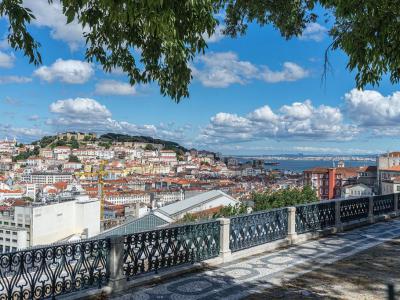
The Garden of Saint Peter of Alcantara is a picturesque viewpoint in central Lisbon, offering panoramic views of the Baixa and Mouraria neighborhoods, with the iconic Saint George's Castle prominently in sight.
Divided into two terraces, the garden caters to diverse experiences. The upper terrace features a lively atmosphere with musicians, pop-up bars, and a charming fountain alongside a monument to Eduardo Coelho, founder of the local Daily News paper, and a statue of a newsboy, reflecting Bairro Alto’s printing heritage. In contrast, the lower terrace offers a serene retreat, adorned with flower beds, sculptures of Greek and Roman figures like Minerva and Ulysses, and a small waterfall.
Historically, the garden traces its roots to a 17th-century aqueduct project, later interrupted by the 1755 earthquake. The centerpiece Baroque fountain, relocated from Bemposta Palace, adds to its historical charm. The garden acts as a crossroads, linking the historic Baixa district, the upscale Príncipe Real and the lively Bairro Alto neighborhoods, blending elements of history, class, and social vibrancy.
Visitors can relax on benches, enjoy local music, or indulge in food and drinks from nearby stalls. Across the street, the Port Wine Institute offers over 300 varieties of Port wine, perfect for a cozy tasting or a waterside picnic. Dynamic street art at the Urban Art Gallery adds a contemporary flair.
Accessibility is enhanced by the Glória Lift, a vintage funicular connecting the garden to Restorers Square, bypassing a steep hill. The traditional Miradouro bar and the nearby Lumi Rooftop offer further refreshment and dining options. A unique 1952 tile map in the garden helps visitors identify Lisbon’s landmarks, enhancing their exploration of the city.
With its blend of history, culture, and scenic beauty, the Garden of Saint Peter of Alcantara is a must-visit spot for anyone exploring Lisbon.
Divided into two terraces, the garden caters to diverse experiences. The upper terrace features a lively atmosphere with musicians, pop-up bars, and a charming fountain alongside a monument to Eduardo Coelho, founder of the local Daily News paper, and a statue of a newsboy, reflecting Bairro Alto’s printing heritage. In contrast, the lower terrace offers a serene retreat, adorned with flower beds, sculptures of Greek and Roman figures like Minerva and Ulysses, and a small waterfall.
Historically, the garden traces its roots to a 17th-century aqueduct project, later interrupted by the 1755 earthquake. The centerpiece Baroque fountain, relocated from Bemposta Palace, adds to its historical charm. The garden acts as a crossroads, linking the historic Baixa district, the upscale Príncipe Real and the lively Bairro Alto neighborhoods, blending elements of history, class, and social vibrancy.
Visitors can relax on benches, enjoy local music, or indulge in food and drinks from nearby stalls. Across the street, the Port Wine Institute offers over 300 varieties of Port wine, perfect for a cozy tasting or a waterside picnic. Dynamic street art at the Urban Art Gallery adds a contemporary flair.
Accessibility is enhanced by the Glória Lift, a vintage funicular connecting the garden to Restorers Square, bypassing a steep hill. The traditional Miradouro bar and the nearby Lumi Rooftop offer further refreshment and dining options. A unique 1952 tile map in the garden helps visitors identify Lisbon’s landmarks, enhancing their exploration of the city.
With its blend of history, culture, and scenic beauty, the Garden of Saint Peter of Alcantara is a must-visit spot for anyone exploring Lisbon.
2) Ascensor da Gloria (Gloria Funicular)
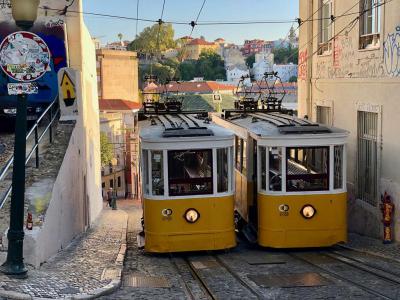
The Glória Funicular, also known as the Glória Lift, is a historic funicular railway in Lisbon's Santo António parish. Instead of viewing this as merely a tourist attraction, consider it an extraordinary engineering achievement!
The funicular connects Restorers Square in the downtown Pombaline district to the Bairro Alto neighborhood, specifically the Saint Peter of Alcântara Garden and Viewpoint. Operating on a counterweight principle, the system features two partially wooden streetcars linked by a cable, enabling simultaneous ascent and descent. Uniquely, electric motors on the cars, powered by overhead wires, provide traction.
The funicular's history dates back to 1875 when the New Lisbon Mechanical Lift Company received a concession to build it. Construction began in 1882, and the lift opened on 24 October 1885. Initially water-powered, it switched to steam by 1886 and then to electricity in 1915. The original design included two-tiered cars with seating arranged back-to-back on the upper floor and inward-facing benches on the lower.
In 1995, the line's operator proposed its heritage classification, leading to its designation as a National Monument two years later.
The funicular operates on a 17.7% slope of about 900 feet (or 270 meters). The inclined trams are designed for passenger comfort, with longitudinally arranged seats to maintain a level perspective. The tram journey typically lasts about 2-3 minutes, while an on-foot descent along the track takes anywhere between 5 and 8 minutes, depending on one's age and physical stamina.
Whatever you choose, the route will pass through one of Lisbon's finest showcases of neighborhood graffiti, predominantly on the right side (when going uphill), as this built-up 19th-century area is officially dedicated to sanctioned street art. Additionally, it features landmarks like the Foz Palace and the Misericórdia district.
Today, the Glória Funicular remains a cherished piece of Lisbon's history and an entertaining mode of public transportation, particularly for those unfamiliar with the charm of funicular trams. There are excellent photo opportunities from the summit, making it an excellent point for exploring the Bairro Alto neighborhood.
The funicular connects Restorers Square in the downtown Pombaline district to the Bairro Alto neighborhood, specifically the Saint Peter of Alcântara Garden and Viewpoint. Operating on a counterweight principle, the system features two partially wooden streetcars linked by a cable, enabling simultaneous ascent and descent. Uniquely, electric motors on the cars, powered by overhead wires, provide traction.
The funicular's history dates back to 1875 when the New Lisbon Mechanical Lift Company received a concession to build it. Construction began in 1882, and the lift opened on 24 October 1885. Initially water-powered, it switched to steam by 1886 and then to electricity in 1915. The original design included two-tiered cars with seating arranged back-to-back on the upper floor and inward-facing benches on the lower.
In 1995, the line's operator proposed its heritage classification, leading to its designation as a National Monument two years later.
The funicular operates on a 17.7% slope of about 900 feet (or 270 meters). The inclined trams are designed for passenger comfort, with longitudinally arranged seats to maintain a level perspective. The tram journey typically lasts about 2-3 minutes, while an on-foot descent along the track takes anywhere between 5 and 8 minutes, depending on one's age and physical stamina.
Whatever you choose, the route will pass through one of Lisbon's finest showcases of neighborhood graffiti, predominantly on the right side (when going uphill), as this built-up 19th-century area is officially dedicated to sanctioned street art. Additionally, it features landmarks like the Foz Palace and the Misericórdia district.
Today, the Glória Funicular remains a cherished piece of Lisbon's history and an entertaining mode of public transportation, particularly for those unfamiliar with the charm of funicular trams. There are excellent photo opportunities from the summit, making it an excellent point for exploring the Bairro Alto neighborhood.
3) A Ginjinha
When visiting Portugal, it is a must to experience the delightful and sweet cherry liqueur called ginjinha. This delicious beverage is made from the ginjinha sour cherry, whose exact origin is uncertain but is believed to have originated near the Caspian River and gradually spread across Mediterranean countries through trade routes. Regardless of age, both young and old enjoy ginjinha in various settings such as on the streets, at home, during nighttime gatherings after dinner, and at bars. The bottles themselves are vibrant and reveal the presence of sour cherries floating inside the glass.
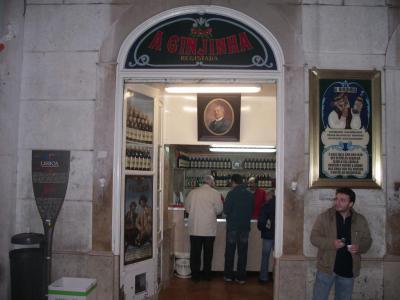
For an excellent opportunity to taste and purchase a bottle or two of ginjinha, a visit to the iconic open-fronted bar called A Ginjinha is highly recommended. Located in the heart of Lisbon, you'll likely notice groups of people lingering near its entrance. Despite a regular queue, service is swift, and the ginjinha served here is potent, sweet, and truly delightful. A shot can be purchased for €1.50, and you can also take a bottle home for around €10. Some premium varieties may cost up to €20 per bottle. If you wish, you can savor the cherry left at the bottom of the glass after enjoying the liqueur, but exercise caution as it is quite strong, albeit delicious.
Ginjinha shops have long served as gathering places for locals, embodying Portuguese culture and tradition. A bottle of ginjinha from one of these establishments would make an excellent gift for any alcohol enthusiast. Additionally, it's worth noting that ginjinha pairs exceptionally well with chocolate, and some places even serve it in small chocolate cups. Alternatively, enjoy a generous slice of chocolate cake alongside this flavorful liqueur.
For an excellent opportunity to taste and purchase a bottle or two of ginjinha, a visit to the iconic open-fronted bar called A Ginjinha is highly recommended. Located in the heart of Lisbon, you'll likely notice groups of people lingering near its entrance. Despite a regular queue, service is swift, and the ginjinha served here is potent, sweet, and truly delightful. A shot can be purchased for €1.50, and you can also take a bottle home for around €10. Some premium varieties may cost up to €20 per bottle. If you wish, you can savor the cherry left at the bottom of the glass after enjoying the liqueur, but exercise caution as it is quite strong, albeit delicious.
Ginjinha shops have long served as gathering places for locals, embodying Portuguese culture and tradition. A bottle of ginjinha from one of these establishments would make an excellent gift for any alcohol enthusiast. Additionally, it's worth noting that ginjinha pairs exceptionally well with chocolate, and some places even serve it in small chocolate cups. Alternatively, enjoy a generous slice of chocolate cake alongside this flavorful liqueur.
4) Castelo de Sao Jorge (Saint George's Castle) (must see)
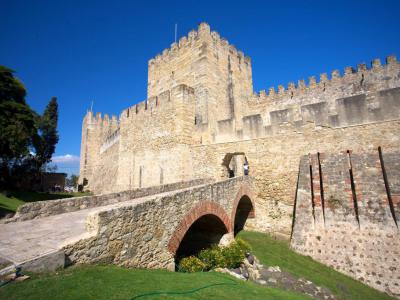
Saint George’s Castle is a historic fortress in Lisbon’s Santa Maria Maior district. Its hilltop location has been occupied since the 8th century BC, with fortifications dating back to the 2nd century BC. Over time, the site reflected influences from the Celts, Phoenicians, Greeks, Carthaginians, Romans, Suebi, Visigoths, and Moors. The Berbers added the so-called “Moorish Encirclement” walls in the 10th century, and the Moors held the castle until the Christian Reconquista.
The castle played a pivotal role during the 1147 Siege of Lisbon when it was captured in a major Second Crusade victory. This fortified stronghold became a royal residence in 1255 and was named after Saint George in the 14th century by King John I to symbolize ties with England. In the later period, it served as a military barracks and home to Portugal’s National Archive. Although damaged in the 1755 earthquake, the 20th-century restorations regained its prominence as a national monument and cultural site.
Within this castle complex, you'll find medieval architecture with ten towers, a dry moat, and steep hillsides for natural defense. Highlights include the terraced Arms Square with cannons and a statue of Afonso Henriques, the first king of Portugal, and the Tower of Ulysses, which houses a camera obscura offering shows (every 20 minutes) in various languages, including English, Portuguese, and Spanish. The citadel's primary entrance features a 19th-century gate adorned with Portugal's coat of arms, Queen Maria II's name, and the date 1846.
Inside, visitors can enjoy a range of amenities, including restaurants, cafes, a wine bar, an ice cream stand, and public restrooms. Peacocks roam freely throughout the grounds, particularly in one of the primary dining areas. While dining within the castle walls may be slightly pricier than in the surrounding areas, it is not excessively so. Alternatively, you have the option of bringing your own food and beverages. Admission is reasonably priced and children enter for free.
Saint George’s Castle also includes the ruins of a royal palace, such as the Casa Ogival, which is now home to the Olissipónia multimedia exhibit detailing Lisbon’s history. Gardens and historical artifacts enhance the experience, making the castle a symbol of Lisbon’s rich past and an essential cultural landmark.
Tip:
Although the journey to the castle involves a steep uphill climb, it provides a delightful stroll through the narrow streets of historic Lisbon, with numerous opportunities to stop and savor local cuisine. Alternatively, you can take cable car #28 to admire the neighborhood's charming and diverse architecture, providing excellent photo opportunities.
The castle played a pivotal role during the 1147 Siege of Lisbon when it was captured in a major Second Crusade victory. This fortified stronghold became a royal residence in 1255 and was named after Saint George in the 14th century by King John I to symbolize ties with England. In the later period, it served as a military barracks and home to Portugal’s National Archive. Although damaged in the 1755 earthquake, the 20th-century restorations regained its prominence as a national monument and cultural site.
Within this castle complex, you'll find medieval architecture with ten towers, a dry moat, and steep hillsides for natural defense. Highlights include the terraced Arms Square with cannons and a statue of Afonso Henriques, the first king of Portugal, and the Tower of Ulysses, which houses a camera obscura offering shows (every 20 minutes) in various languages, including English, Portuguese, and Spanish. The citadel's primary entrance features a 19th-century gate adorned with Portugal's coat of arms, Queen Maria II's name, and the date 1846.
Inside, visitors can enjoy a range of amenities, including restaurants, cafes, a wine bar, an ice cream stand, and public restrooms. Peacocks roam freely throughout the grounds, particularly in one of the primary dining areas. While dining within the castle walls may be slightly pricier than in the surrounding areas, it is not excessively so. Alternatively, you have the option of bringing your own food and beverages. Admission is reasonably priced and children enter for free.
Saint George’s Castle also includes the ruins of a royal palace, such as the Casa Ogival, which is now home to the Olissipónia multimedia exhibit detailing Lisbon’s history. Gardens and historical artifacts enhance the experience, making the castle a symbol of Lisbon’s rich past and an essential cultural landmark.
Tip:
Although the journey to the castle involves a steep uphill climb, it provides a delightful stroll through the narrow streets of historic Lisbon, with numerous opportunities to stop and savor local cuisine. Alternatively, you can take cable car #28 to admire the neighborhood's charming and diverse architecture, providing excellent photo opportunities.
5) Elevador de Santa Justa (Santa Justa Lift) (must see)
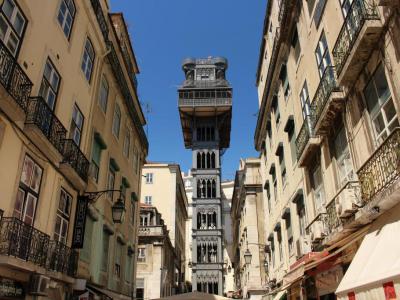
The Santa Justa Lift, also known as the Carmo Lift, is a distinctive attraction in Lisbon. This historic elevator, built in the early 20th century, is the only remaining vertical lift in the capital. Others, such as the Glória and Bica lifts, are funicular railways. This lift was designed to address the city's challenging terrain, linking the lower Baixa district to the elevated Carmo Square. Construction began in 1900, and the lift was inaugurated in 1901, initially operating on steam power before transitioning to electricity in 1907.
The Neo-Gothic iron structure, 45 meters tall, features intricate metalwork, a double-lattice design, and two wood-paneled cabins that transport passengers across seven stories. Originally accommodating 24 people, the cabins were later upgraded to hold 29 passengers. A spiral staircase and walkway connect the lift to nearby attractions, offering panoramic views of landmarks, such as Saint George's Castle, the Tagus River, Rossio Square, and the Baixa district, from its observation deck.
Designated a National Monument in 2002, the Santa Justa Lift underwent renovations to preserve its historical significance and was reopened to the public in 2006. It remains a vital link and a tourist attraction, embodying innovative engineering from its era. Visitors also use the lift to access key sites like Carmo Square, Saint Roch Church, and the Bairro Alto neighborhood.
Tip:
It's important to note that ascending the iron spiral staircase requires a head for heights. However, if you can conquer any nervousness, the views are truly spectacular and well worth the effort. Additionally, keep in mind that the top platform is quite exposed, so it's advisable to check the weather conditions before planning your visit.
If you find the queue too long, consider entering the cork store on Rua do Carmo, ascending the stairs, and then crossing the street via the walkway. Although this option requires physical effort to climb the stairs, it saves time and money while allowing for more opportunities to savor the views along the way.
The Neo-Gothic iron structure, 45 meters tall, features intricate metalwork, a double-lattice design, and two wood-paneled cabins that transport passengers across seven stories. Originally accommodating 24 people, the cabins were later upgraded to hold 29 passengers. A spiral staircase and walkway connect the lift to nearby attractions, offering panoramic views of landmarks, such as Saint George's Castle, the Tagus River, Rossio Square, and the Baixa district, from its observation deck.
Designated a National Monument in 2002, the Santa Justa Lift underwent renovations to preserve its historical significance and was reopened to the public in 2006. It remains a vital link and a tourist attraction, embodying innovative engineering from its era. Visitors also use the lift to access key sites like Carmo Square, Saint Roch Church, and the Bairro Alto neighborhood.
Tip:
It's important to note that ascending the iron spiral staircase requires a head for heights. However, if you can conquer any nervousness, the views are truly spectacular and well worth the effort. Additionally, keep in mind that the top platform is quite exposed, so it's advisable to check the weather conditions before planning your visit.
If you find the queue too long, consider entering the cork store on Rua do Carmo, ascending the stairs, and then crossing the street via the walkway. Although this option requires physical effort to climb the stairs, it saves time and money while allowing for more opportunities to savor the views along the way.
6) A Vida Portuguesa
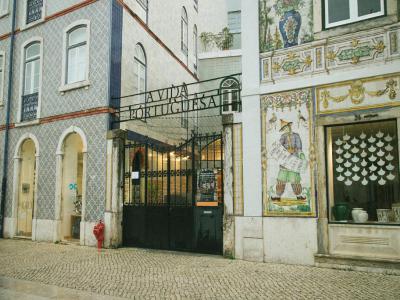
A Vida Portuguesa, a charming establishment whose name translates to "Portuguese Life", beckons patrons with its expansive emporium housing an extensive collection of exquisitely crafted and adorned traditional Portuguese merchandise. From the most humble of items such as soaps and shaving cream to the more elevated treasures of glassware, ceramics, textiles, notebooks, and even culinary delights like food and olive oils, this emporium caters to all individuals, irrespective of their budgetary constraints. Each product, meticulously chosen, showcases the essence of Portuguese life, encapsulating the nation's heritage and traditions.
Upon entering, one is greeted by an ambiance of spaciousness and serenity, allowing visitors to peruse the offerings with ease and leisure. The well-organized layout invites exploration, enticing patrons to lose themselves amidst the delightful array of items. With meticulous care, each item is adorned in charming wrappings, elevating the act of gifting to an art form.
Adding to the enchantment of A Vida Portuguesa is the warm and affable nature of its staff. Furthermore, the shop prides itself on offering reasonable prices, making these authentic treasures accessible to a wide range of customers. Whether seeking a small token or a significant memento, one can find solace in the fact that quality and affordability coexist harmoniously within the realm of this remarkable establishment.
Upon entering, one is greeted by an ambiance of spaciousness and serenity, allowing visitors to peruse the offerings with ease and leisure. The well-organized layout invites exploration, enticing patrons to lose themselves amidst the delightful array of items. With meticulous care, each item is adorned in charming wrappings, elevating the act of gifting to an art form.
Adding to the enchantment of A Vida Portuguesa is the warm and affable nature of its staff. Furthermore, the shop prides itself on offering reasonable prices, making these authentic treasures accessible to a wide range of customers. Whether seeking a small token or a significant memento, one can find solace in the fact that quality and affordability coexist harmoniously within the realm of this remarkable establishment.
7) Zapata (must see)
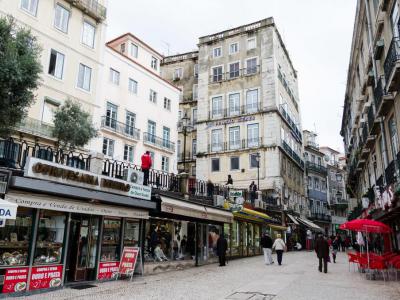
Prepare yourself for a brief wait at this remarkable gem nestled in Lisbon's vibrant Bairro Alto neighborhood, but rest assured, the wait will prove to be entirely worthwhile. A diverse and extensive menu of traditional Portuguese delicacies awaits, boasting generous portions that are sure to satisfy your appetite. The atmosphere exudes a vibrant and lively energy, creating a memorable dining experience.
Should all the tables be occupied, fear not, for you can opt to perch at the bar and enjoy a splendid time observing the skilled staff as they prepare each dish. The culinary offerings here are a testament to culinary artistry, with standout options including succulent grilled squid, flavorful small prawns bathed in garlic-infused oil, chorizo accompanied by crispy chips, and the sublime cod served with smashed potatoes and drizzled with olive oil. Moreover, when it comes time to settle the bill, you'll be pleasantly surprised by the reasonable prices for such exceptional quality.
Should all the tables be occupied, fear not, for you can opt to perch at the bar and enjoy a splendid time observing the skilled staff as they prepare each dish. The culinary offerings here are a testament to culinary artistry, with standout options including succulent grilled squid, flavorful small prawns bathed in garlic-infused oil, chorizo accompanied by crispy chips, and the sublime cod served with smashed potatoes and drizzled with olive oil. Moreover, when it comes time to settle the bill, you'll be pleasantly surprised by the reasonable prices for such exceptional quality.
8) Pasteis de Belem (Belem Pastries)
During Portuguese medieval history, the country's monasteries and convents were renowned for their ability to produce significant quantities of eggs, with a particular demand for their egg whites, which were highly sought after for various purposes, including starching clothes (such as the habits worn by nuns) and for wine production, especially in the clarification of wines like Porto. Interestingly, these religious institutions often found themselves with an abundance of egg yolks, which led to the development of numerous sweet pastry recipes throughout Portugal, including the iconic 'pastéis de nata' – small pies filled with cream that are believed to have originated before the 18th century, attributed to Catholic monks at the Jerónimos Monastery.
However the expulsion of religious orders and the subsequent closure of many religious establishments following the 1820 Liberal Revolution brought about a change in the production of 'pastéis de nata'. This culinary tradition was relocated to the nearby Casa Pastéis de Belém, giving rise to the popular name "Pastéis de Belém" due to its association with the parish of Santa Maria de Belém. To safeguard the unique and secret recipe, former religious clerics took the step of patenting and officially registering the confection. They also entered into a partnership with Antiga Confeiteira de Belém, Lda. to continue crafting these pastries. The secret recipe was entrusted to five master pastry chefs, who preserved the original formula under the Oficina do Segredo, later passing it on to their descendants.
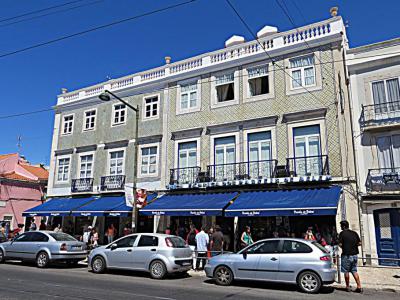
Since 1837, both locals and tourists exploring Lisbon have been drawn to this bakery to savor fresh-from-the-oven 'pastéis', sprinkled with cinnamon and powdered sugar. Their popularity and affordability normally result in long lines, so rather than waiting for a table, you might as well take the standing option at the bar or order to go (separate line; 4/6/10/12 pieces). With its original furniture and charming old-world ambiance, the location is outstanding, so consider arriving early to fully relish this experience in a tranquil setting.
However the expulsion of religious orders and the subsequent closure of many religious establishments following the 1820 Liberal Revolution brought about a change in the production of 'pastéis de nata'. This culinary tradition was relocated to the nearby Casa Pastéis de Belém, giving rise to the popular name "Pastéis de Belém" due to its association with the parish of Santa Maria de Belém. To safeguard the unique and secret recipe, former religious clerics took the step of patenting and officially registering the confection. They also entered into a partnership with Antiga Confeiteira de Belém, Lda. to continue crafting these pastries. The secret recipe was entrusted to five master pastry chefs, who preserved the original formula under the Oficina do Segredo, later passing it on to their descendants.
Since 1837, both locals and tourists exploring Lisbon have been drawn to this bakery to savor fresh-from-the-oven 'pastéis', sprinkled with cinnamon and powdered sugar. Their popularity and affordability normally result in long lines, so rather than waiting for a table, you might as well take the standing option at the bar or order to go (separate line; 4/6/10/12 pieces). With its original furniture and charming old-world ambiance, the location is outstanding, so consider arriving early to fully relish this experience in a tranquil setting.
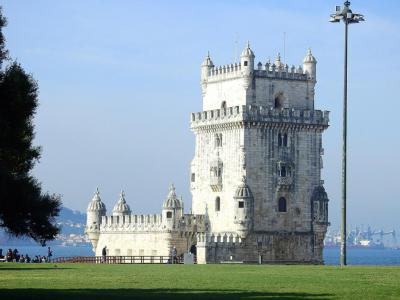
9) Torre de Belem (Belem Tower) (must see)
Accessed via a narrow pathway extending into the river, the Tower of Belém stands as an impressive symbol of Lisbon and holds the distinction of being a designated World Heritage Site. It represents one of Portugal's purest examples of Manueline architecture, a style prevalent during the reign of King Manuel I. Its windows and staircases are adorned with arches and decorative motifs that commemorate Portugal's explorations in the New World.
Originally constructed as a fortress on what was once an island in the middle of the Tagus River, its purpose was to safeguard the entrance to the port. The construction spanned five years and was completed in 1520. Today, the striking chalk-white tower stands near the river's northern bank, a testament to the shifting of the river's course following the earthquake of 1755.
Present-day visitors have the freedom to explore the tower's different levels, which include a terrace facing the river, once a vantage point for artillery firing. Ascending a steep spiral staircase spanning four levels, each offering a unique framed view of the river, brings you to a top terrace that provides a breezy panorama of Belém. You can also venture into the dungeons, a low-ceilinged chamber originally used for storing gunpowder, and later notorious for housing political prisoners during the 19th century under rule Dom Miguel's rule.
Tip:
The biggest draw here is ascending to the summit via the spiral staircase. Unless you're fortunate enough to find a short queue upon arrival, it's advisable to appreciate the tower's exterior garden rather than spending an extended period waiting to enter. However, if you are determined to explore the interior, it's recommended to purchase your ticket in advance online or from a kiosk located in the nearby park. Using a Lisbon Card may still require you to stand in line like everyone else, but at least you won't need to pay the admission fee!
Originally constructed as a fortress on what was once an island in the middle of the Tagus River, its purpose was to safeguard the entrance to the port. The construction spanned five years and was completed in 1520. Today, the striking chalk-white tower stands near the river's northern bank, a testament to the shifting of the river's course following the earthquake of 1755.
Present-day visitors have the freedom to explore the tower's different levels, which include a terrace facing the river, once a vantage point for artillery firing. Ascending a steep spiral staircase spanning four levels, each offering a unique framed view of the river, brings you to a top terrace that provides a breezy panorama of Belém. You can also venture into the dungeons, a low-ceilinged chamber originally used for storing gunpowder, and later notorious for housing political prisoners during the 19th century under rule Dom Miguel's rule.
Tip:
The biggest draw here is ascending to the summit via the spiral staircase. Unless you're fortunate enough to find a short queue upon arrival, it's advisable to appreciate the tower's exterior garden rather than spending an extended period waiting to enter. However, if you are determined to explore the interior, it's recommended to purchase your ticket in advance online or from a kiosk located in the nearby park. Using a Lisbon Card may still require you to stand in line like everyone else, but at least you won't need to pay the admission fee!
