Custom Walk in Halifax, Canada by m-lafontaine_4855d7 created on 2026-04-13
Guide Location: Canada » Halifax
Guide Type: Custom Walk
# of Sights: 7
Tour Duration: 2 Hour(s)
Travel Distance: 3.2 Km or 2 Miles
Share Key: FVXQG
Guide Type: Custom Walk
# of Sights: 7
Tour Duration: 2 Hour(s)
Travel Distance: 3.2 Km or 2 Miles
Share Key: FVXQG
How It Works
Please retrieve this walk in the GPSmyCity app. Once done, the app will guide you from one tour stop to the next as if you had a personal tour guide. If you created the walk on this website or come to the page via a link, please follow the instructions below to retrieve the walk in the app.
Retrieve This Walk in App
Step 1. Download the app "GPSmyCity: Walks in 1K+ Cities" on Apple App Store or Google Play Store.



Step 2. In the GPSmyCity app, download(or launch) the guide "Halifax Map and Walking Tours".
Step 3. Tap the menu button located at upper right corner of the "Walks" screen and select "Retrieve custom walk". Enter the share key: FVXQG
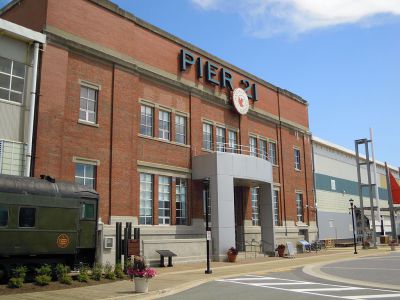
1) Canadian Museum of Immigration at Pier 21 (must see)
The Canadian Museum of Immigration at Pier 21 is the nation's premiere museum of immigration. It rests on Pier 21 as the pier is the last remaining ocean immigration shed in the country.
The museum was founded in 1999 by the Pier 21 Society. The goal was to celebrate the 1.5 million immigrants who pass through the pier on the way to their new homes in Canada. The Canadian government first worked as a partner with the Pier 21 Society, and then began fully operating the museum in 2011.
Permanent exhibitions in the museum include the Pier 21 Story, which shows the immigration process. It is a hands-on display that allows visitors to walk through replica train cars. Another permanent exhibit is the Canadian Immigration Hall, which has oral histories and an immigration map.
The museum also features a number of temporary exhibits, memorials and tributes to community members and cultural groups.
The museum was founded in 1999 by the Pier 21 Society. The goal was to celebrate the 1.5 million immigrants who pass through the pier on the way to their new homes in Canada. The Canadian government first worked as a partner with the Pier 21 Society, and then began fully operating the museum in 2011.
Permanent exhibitions in the museum include the Pier 21 Story, which shows the immigration process. It is a hands-on display that allows visitors to walk through replica train cars. Another permanent exhibit is the Canadian Immigration Hall, which has oral histories and an immigration map.
The museum also features a number of temporary exhibits, memorials and tributes to community members and cultural groups.
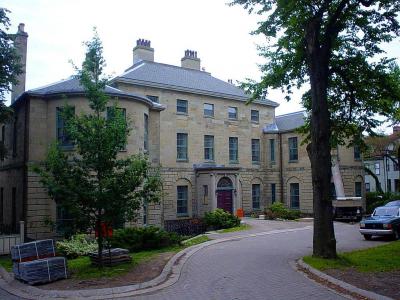
2) Government House of Nova Scotia
The Government House of Nova Scotia, located on Barrington Street in Halifax, serves as the official residence of the lieutenant governor of Nova Scotia. Unlike many other provincial Government Houses in Canada, its prominent urban setting places it at the heart of the provincial capital while still being surrounded by gardens.
Construction of Government House was commissioned in 1800 by then-Governor Sir John Wentworth to replace the previous Government House, which stood on the site now occupied by Province House. The land had initially been designated for a new colonial legislature, but its location was ultimately deemed too distant from the capital. The cornerstone was laid on September 1, 1800, and although the building was still incomplete, the governor and his family moved in by 1805.
Over the years, Government House has hosted numerous royal guests. Prince Edward (later King Edward VII) was the first in 1860, followed by Prince Arthur (1869), Prince George (later King George V) in 1883 and 1901, and Prince Albert (1913). King George VI returned in 1939 with Queen Elizabeth, who later visited as the Queen Mother. Queen Elizabeth II made multiple visits. Other royals included Princess Margaret, Prince Andrew, Prince Edward, and Prince Charles with Princess Diana. The mansion also hosted finance ministers for the 1995 G7 summit in Halifax.
Government House, owned by the King in Right of Nova Scotia, hosts official functions, including Order of Nova Scotia investitures, receptions, and diplomatic events. It also serves as the site for swearing in the Executive Council, issuing election writs, and meetings with the premier. Periodically, it opens to the public.
Government House is a Georgian-style building with Adam influences, inspired by George Richardson’s 18th-century house plans. It was built using local stone, brick, and pine, with imported materials like London-made marble mantles. Designed for both entertainment and state affairs, it features a drawing room, dining room, ballroom, and private quarters. Portraits by Nova Scotian artist Robert Field enhance its historical significance.
Today, the Government House remains a cornerstone of Nova Scotia’s political and ceremonial life, symbolizing both the province’s colonial past and its ongoing role in Canadian governance.
Construction of Government House was commissioned in 1800 by then-Governor Sir John Wentworth to replace the previous Government House, which stood on the site now occupied by Province House. The land had initially been designated for a new colonial legislature, but its location was ultimately deemed too distant from the capital. The cornerstone was laid on September 1, 1800, and although the building was still incomplete, the governor and his family moved in by 1805.
Over the years, Government House has hosted numerous royal guests. Prince Edward (later King Edward VII) was the first in 1860, followed by Prince Arthur (1869), Prince George (later King George V) in 1883 and 1901, and Prince Albert (1913). King George VI returned in 1939 with Queen Elizabeth, who later visited as the Queen Mother. Queen Elizabeth II made multiple visits. Other royals included Princess Margaret, Prince Andrew, Prince Edward, and Prince Charles with Princess Diana. The mansion also hosted finance ministers for the 1995 G7 summit in Halifax.
Government House, owned by the King in Right of Nova Scotia, hosts official functions, including Order of Nova Scotia investitures, receptions, and diplomatic events. It also serves as the site for swearing in the Executive Council, issuing election writs, and meetings with the premier. Periodically, it opens to the public.
Government House is a Georgian-style building with Adam influences, inspired by George Richardson’s 18th-century house plans. It was built using local stone, brick, and pine, with imported materials like London-made marble mantles. Designed for both entertainment and state affairs, it features a drawing room, dining room, ballroom, and private quarters. Portraits by Nova Scotian artist Robert Field enhance its historical significance.
Today, the Government House remains a cornerstone of Nova Scotia’s political and ceremonial life, symbolizing both the province’s colonial past and its ongoing role in Canadian governance.
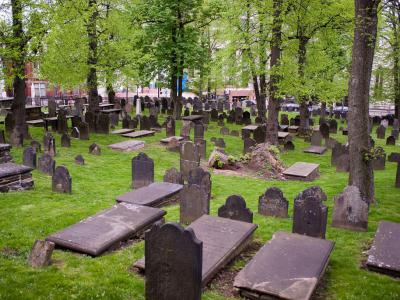
3) Old Burying Ground
The Old Burying Ground, also known as Saint Paul's Church Cemetery, is Halifax’s earliest burial site, dating back to the city's founding in 1749. Originally a non-denominational cemetery, it served all Haligonians until 1793, when it became part of Saint Paul's Anglican Church. It remained active until 1844, after which burials moved to Camp Hill Cemetery. Neglected over time, it was restored in the 1980s by the Old Burying Ground Foundation and is now maintained to preserve its rare 18th-century grave markers.
Throughout its history, approximately 12,000 individuals were interred in the Old Burying Ground, though only around 1,200 headstones remain. Among its notable burials is British Major General Robert Ross, infamous for leading the 1814 Washington Raid and burning the White House before being killed in battle in Baltimore.
The cemetery quietly holds the history of Black Nova Scotians, with 167 recorded burials spanning various waves of Black migration to Halifax. These include early Black settlers, Black Loyalists, and Black Refugees from the War of 1812. Among them is Reverend William Furmage, a Huntingdonian Missionary who taught at Halifax’s first Black school.
The most prominent monument in the Old Burying Ground is the Welsford-Parker Monument, a triumphal arch built in 1860 to commemorate British victory in the Crimean War. It is the first public war monument in Nova Scotia, the fourth oldest in Canada, and the only Crimean War monument in North America.
In 1938, the Grand Lodge of Massachusetts installed a granite monument in honor of Erasmus James Philipps, one of Nova Scotia’s earliest known settlers and the founder of Freemasonry in present-day Canada.
Recognizing its immense historical value, the Old Burying Ground was designated a National Historic Site of Canada in 1991. Today, this historic cemetery stands as a testament to Halifax’s earliest inhabitants and their diverse stories, preserved through continued restoration efforts and public engagement.
Throughout its history, approximately 12,000 individuals were interred in the Old Burying Ground, though only around 1,200 headstones remain. Among its notable burials is British Major General Robert Ross, infamous for leading the 1814 Washington Raid and burning the White House before being killed in battle in Baltimore.
The cemetery quietly holds the history of Black Nova Scotians, with 167 recorded burials spanning various waves of Black migration to Halifax. These include early Black settlers, Black Loyalists, and Black Refugees from the War of 1812. Among them is Reverend William Furmage, a Huntingdonian Missionary who taught at Halifax’s first Black school.
The most prominent monument in the Old Burying Ground is the Welsford-Parker Monument, a triumphal arch built in 1860 to commemorate British victory in the Crimean War. It is the first public war monument in Nova Scotia, the fourth oldest in Canada, and the only Crimean War monument in North America.
In 1938, the Grand Lodge of Massachusetts installed a granite monument in honor of Erasmus James Philipps, one of Nova Scotia’s earliest known settlers and the founder of Freemasonry in present-day Canada.
Recognizing its immense historical value, the Old Burying Ground was designated a National Historic Site of Canada in 1991. Today, this historic cemetery stands as a testament to Halifax’s earliest inhabitants and their diverse stories, preserved through continued restoration efforts and public engagement.
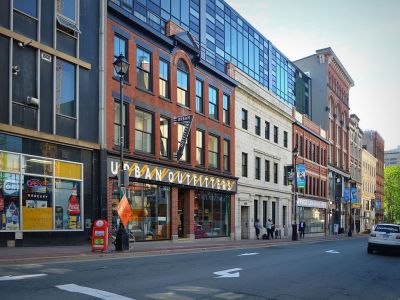
4) Barrington Street
Barrington Street is a street that follows the waterfront in Halifax. This primary city street runs from the MacKay Bridge to Inglis Street. At about seven-miles long, the street is an excellent one to enjoy when visiting the city.
Barrington Street is one of the original streets of Halifax. It was once the main commercial street in the city. Now, it is one of the primary streets for tourism.
Some of the notable places along Barrington Street include the Halifax Shipyard, Peace and Friendship Park, the Grand Parade, Halifax City Hall, Casino Nova Scotia, the Old Burying Ground, Province House and the Khyber.
Barrington Street has many places to eat and shop. An entire day can easily be planned simply walking from one end to the next while stopping at each of the interesting spots along the way. Due to its location near the water, it is easy for visitors to take a break away from the street and view boats coming in and out of the harbor.
Barrington Street is one of the original streets of Halifax. It was once the main commercial street in the city. Now, it is one of the primary streets for tourism.
Some of the notable places along Barrington Street include the Halifax Shipyard, Peace and Friendship Park, the Grand Parade, Halifax City Hall, Casino Nova Scotia, the Old Burying Ground, Province House and the Khyber.
Barrington Street has many places to eat and shop. An entire day can easily be planned simply walking from one end to the next while stopping at each of the interesting spots along the way. Due to its location near the water, it is easy for visitors to take a break away from the street and view boats coming in and out of the harbor.
5) Maritime Museum of the Atlantic (must see)
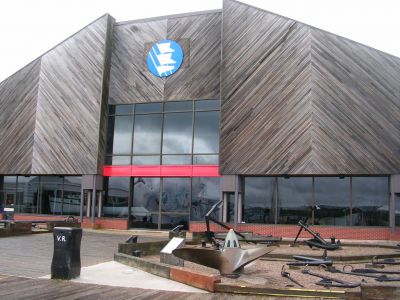
The Maritime Museum of the Atlantic, located in downtown Halifax, is Canada’s oldest and largest maritime museum. A member of the Nova Scotia Museum system, it boasts an extensive collection of over 30,000 artifacts, including 70 small craft and the historic steamship CSS Acadia. The museum also houses 30,000 photographs, a vast selection of charts, and rare books, making it a key institution for maritime history enthusiasts.
Originally founded in 1948 as the Maritime Museum of Canada, it was first based at HMC Dockyard in Halifax Harbour. The museum’s early years saw naval officers serving as volunteer chairs until 1959 when Niels Jannasch was appointed as its founding director, a role he held until 1985. Over the decades, the museum moved locations several times before settling into its current waterfront facility in 1981, as part of a redevelopment initiative. The CSS Acadia was acquired in 1982, further enriching the museum’s collection.
Situated on the Halifax Waterfront, the museum enjoys a prime location with piers, boatsheds, and a direct view of Halifax Harbour, including Georges Island and Dartmouth. Among its facilities is the restored Robertson Store ship chandler building, dating back to the 1880s, alongside the modern exhibit spaces of the Devonian Wing. During the summer months, the HMCS Sackville, a World War II Flower-class corvette, is docked adjacent to the museum, although it is not part of its administration.
The museum showcases maritime history through exhibits on sailing, steamships, small craft, the Canadian Navy, the Halifax Explosion, and shipwrecks. A standout is the Titanic exhibit, highlighting Nova Scotia’s role in recovering victims. It features the world’s largest collection of Titanic wooden artifacts, including a rare deck chair and children’s shoes that helped identify Sidney Leslie Goodwin as the “unknown child.”
Beyond its exhibitions, the museum actively engages in restoration projects. The boatsheds behind the museum house part of its small craft collection, including the ongoing restoration of Whim, a 1937 C-class sloop. In 2017, the museum completed the restoration of the small schooner Hebridee II. Three operational boats from the working small craft collection are moored next to CSS Acadia during the summer months.
The museum houses the Niels Jannasch Library, Canada’s largest ship portrait collection, and ship models, including Theodore Tugboat originals. A key part of Halifax’s culture, it showcases maritime history through exhibits and restoration projects.
Originally founded in 1948 as the Maritime Museum of Canada, it was first based at HMC Dockyard in Halifax Harbour. The museum’s early years saw naval officers serving as volunteer chairs until 1959 when Niels Jannasch was appointed as its founding director, a role he held until 1985. Over the decades, the museum moved locations several times before settling into its current waterfront facility in 1981, as part of a redevelopment initiative. The CSS Acadia was acquired in 1982, further enriching the museum’s collection.
Situated on the Halifax Waterfront, the museum enjoys a prime location with piers, boatsheds, and a direct view of Halifax Harbour, including Georges Island and Dartmouth. Among its facilities is the restored Robertson Store ship chandler building, dating back to the 1880s, alongside the modern exhibit spaces of the Devonian Wing. During the summer months, the HMCS Sackville, a World War II Flower-class corvette, is docked adjacent to the museum, although it is not part of its administration.
The museum showcases maritime history through exhibits on sailing, steamships, small craft, the Canadian Navy, the Halifax Explosion, and shipwrecks. A standout is the Titanic exhibit, highlighting Nova Scotia’s role in recovering victims. It features the world’s largest collection of Titanic wooden artifacts, including a rare deck chair and children’s shoes that helped identify Sidney Leslie Goodwin as the “unknown child.”
Beyond its exhibitions, the museum actively engages in restoration projects. The boatsheds behind the museum house part of its small craft collection, including the ongoing restoration of Whim, a 1937 C-class sloop. In 2017, the museum completed the restoration of the small schooner Hebridee II. Three operational boats from the working small craft collection are moored next to CSS Acadia during the summer months.
The museum houses the Niels Jannasch Library, Canada’s largest ship portrait collection, and ship models, including Theodore Tugboat originals. A key part of Halifax’s culture, it showcases maritime history through exhibits and restoration projects.
6) Halifax Waterfront Boardwalk (must see)
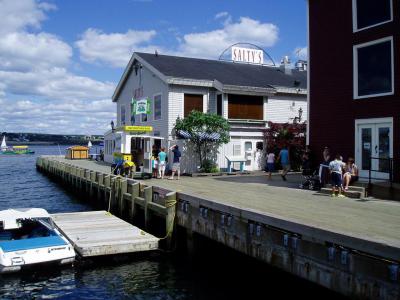
The Halifax Waterfront Boardwalk is a walking path that follows Halifax Harbor. The boardwalk is lined with shops, historic properties and tour boat operators. It is an excellent place for shopping, dining, getting some exercise or people watching.
Museums along the boardwalk include the Canadian Museum of Immigration at Pier 21, the Maritime Museum of the Atlantic and HMCS Sackville. Other interesting things to see along the boardwalk include Purdy's Wharf, the CSS Acadia, Bishop's Landing, the Samuel Cunard Monument and the Cunard Center.
The boardwalk features plenty of recreational space for young and old. There are hammocks, a dance floor and public art. The murals and sculptures reflect the sea and leisure activities. The Drunken Lampposts are a sculpture that show two lampposts displaying all of the fun that can be had at the local beer gardens.
The boardwalk stretches from Halifax Seaport to Casino Nova Scotia. It is about a two mile walk, making it an easy stretch any time of the day or night.
Museums along the boardwalk include the Canadian Museum of Immigration at Pier 21, the Maritime Museum of the Atlantic and HMCS Sackville. Other interesting things to see along the boardwalk include Purdy's Wharf, the CSS Acadia, Bishop's Landing, the Samuel Cunard Monument and the Cunard Center.
The boardwalk features plenty of recreational space for young and old. There are hammocks, a dance floor and public art. The murals and sculptures reflect the sea and leisure activities. The Drunken Lampposts are a sculpture that show two lampposts displaying all of the fun that can be had at the local beer gardens.
The boardwalk stretches from Halifax Seaport to Casino Nova Scotia. It is about a two mile walk, making it an easy stretch any time of the day or night.
7) Alexander Keith's Brewery (must see)
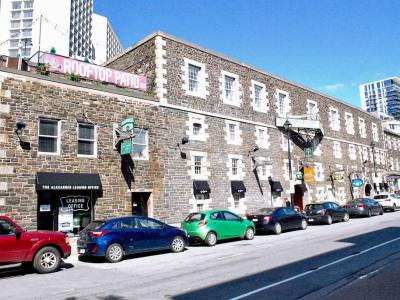
Founded in 1820 by Scottish immigrant Alexander Keith, the Alexander Keith’s Brewery is one of the oldest breweries in Canada and remains a significant landmark in Halifax. Over two centuries, the brewery has seen a series of ownership changes, becoming part of Oland Brewery in 1928, later transitioning to the Labatt Brewing Company, and ultimately falling under the global beer conglomerate Anheuser-Busch InBev.
Despite shifting ownership, Alexander Keith’s has maintained a strong presence, particularly in the Maritimes. By the 1990s, Alexander Keith’s India Pale Ale (IPA) had become the most popular beer in Nova Scotia. Originally brewed exclusively in Halifax, production has since expanded to Anheuser-Busch InBev facilities across Canada and the United States.
Historically, archived recipes from the early 1900s indicate that Alexander Keith’s beers were made using high levels of hops and all-malt mash ingredients, with no corn additives-consistent with brewing practices of that era. However, modern iterations of Alexander Keith’s IPA are lighter in taste and only 5% alcohol by volume, a style that diverges from traditional India pale ales. This was further emphasized when the beer won third place in the “North American Style Blonde or Golden Ale” category at the 2016 Canadian Brewing Awards, rather than in the IPA category.
Today, while Alexander Keith’s remains an iconic brand associated with Halifax, its flagship beers are produced and distributed on a much larger scale, reflecting the evolution of the brewing industry and changing consumer preferences.
Despite shifting ownership, Alexander Keith’s has maintained a strong presence, particularly in the Maritimes. By the 1990s, Alexander Keith’s India Pale Ale (IPA) had become the most popular beer in Nova Scotia. Originally brewed exclusively in Halifax, production has since expanded to Anheuser-Busch InBev facilities across Canada and the United States.
Historically, archived recipes from the early 1900s indicate that Alexander Keith’s beers were made using high levels of hops and all-malt mash ingredients, with no corn additives-consistent with brewing practices of that era. However, modern iterations of Alexander Keith’s IPA are lighter in taste and only 5% alcohol by volume, a style that diverges from traditional India pale ales. This was further emphasized when the beer won third place in the “North American Style Blonde or Golden Ale” category at the 2016 Canadian Brewing Awards, rather than in the IPA category.
Today, while Alexander Keith’s remains an iconic brand associated with Halifax, its flagship beers are produced and distributed on a much larger scale, reflecting the evolution of the brewing industry and changing consumer preferences.
