Custom Walk in Hong Kong, Hong Kong by vesnaopalic_7efaaa created on 2026-04-15
Guide Location: Hong Kong » Hong Kong
Guide Type: Custom Walk
# of Sights: 15
Tour Duration: 30 Hour(s)
Travel Distance: 86.9 Km or 54 Miles
Share Key: KE6BQ
Guide Type: Custom Walk
# of Sights: 15
Tour Duration: 30 Hour(s)
Travel Distance: 86.9 Km or 54 Miles
Share Key: KE6BQ
How It Works
Please retrieve this walk in the GPSmyCity app. Once done, the app will guide you from one tour stop to the next as if you had a personal tour guide. If you created the walk on this website or come to the page via a link, please follow the instructions below to retrieve the walk in the app.
Retrieve This Walk in App
Step 1. Download the app "GPSmyCity: Walks in 1K+ Cities" on Apple App Store or Google Play Store.



Step 2. In the GPSmyCity app, download(or launch) the guide "Hong Kong Map and Walking Tours".
Step 3. Tap the menu button located at upper right corner of the "Walks" screen and select "Retrieve custom walk". Enter the share key: KE6BQ
1) Victoria Peak (The Peak) (must see)
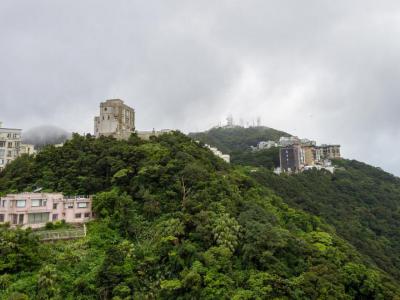
Victoria Peak, located on the western half of Hong Kong Island, stands as the highest mountain on the island, reaching an elevation of 552 meters. Its picturesque scenery resembles something out of a postcard and provides a truly breathtaking view, especially when illuminated at night. To fully experience this magnificent sight, tourists can embark on the Peak Tramway, an ascending rail system that carries passengers up the mountain. Late afternoon on a clear day is considered the optimal time to visit Victoria Peak.
The viewing deck also features coin-operated telescopes, allowing visitors to further immerse themselves in the captivating cityscape. As the number of visitors increased, two prominent leisure and shopping centers, namely the Peak Tower and the Peak Galleria, were constructed side by side. Positioned nearby is the summit, which houses a radio telecommunications facility and remains inaccessible to the general public. Nevertheless, the surrounding area, encompassing public parks and valuable residential land, is commonly referred to as "The Peak." Serving as a significant tourist attraction, it offers panoramic views of Central, Victoria Harbour, Lamma Island, and the neighboring islands.
Why You Should Visit:
Number one tourist spot in HK, and definitely worth it. If you're lucky enough to avoid cloudy/misty weather it's a breathtaking view to have Hong Kong at the palm of your hand.
Tip:
To make the experience more wholesome, try incorporating a hike or a walk – there are many different routes for all fitness levels. If you are fit, you can consider hiking up from Central or HK University (takes 1.5 hrs), then hiking the peak circular route, and finally hiking all the way down to Pok Fu Lam Reservoir. If you don't want too challenging a hike, then take public transport, walk the circular Peak route, and take the 45-minute downhill hike down Pok Fu Lam Reservoir. If you can only handle a stroll, take public transportation up and down and while you are up at The Peak, instead of just staying at the mall and lookout points, take the circular paved walk around the Peak. Plan to take the tram to come down, as the bus will likely have a long queue.
The viewing deck also features coin-operated telescopes, allowing visitors to further immerse themselves in the captivating cityscape. As the number of visitors increased, two prominent leisure and shopping centers, namely the Peak Tower and the Peak Galleria, were constructed side by side. Positioned nearby is the summit, which houses a radio telecommunications facility and remains inaccessible to the general public. Nevertheless, the surrounding area, encompassing public parks and valuable residential land, is commonly referred to as "The Peak." Serving as a significant tourist attraction, it offers panoramic views of Central, Victoria Harbour, Lamma Island, and the neighboring islands.
Why You Should Visit:
Number one tourist spot in HK, and definitely worth it. If you're lucky enough to avoid cloudy/misty weather it's a breathtaking view to have Hong Kong at the palm of your hand.
Tip:
To make the experience more wholesome, try incorporating a hike or a walk – there are many different routes for all fitness levels. If you are fit, you can consider hiking up from Central or HK University (takes 1.5 hrs), then hiking the peak circular route, and finally hiking all the way down to Pok Fu Lam Reservoir. If you don't want too challenging a hike, then take public transport, walk the circular Peak route, and take the 45-minute downhill hike down Pok Fu Lam Reservoir. If you can only handle a stroll, take public transportation up and down and while you are up at The Peak, instead of just staying at the mall and lookout points, take the circular paved walk around the Peak. Plan to take the tram to come down, as the bus will likely have a long queue.
2) Ocean Park (must see)
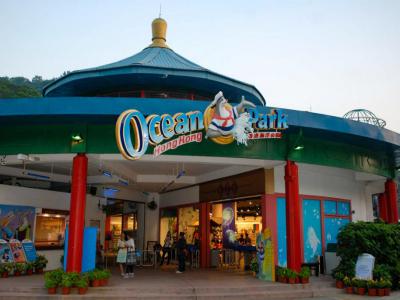
Ocean Park, located in Wong Chuk Hang and Nam Long Shan in the Southern District of Hong Kong, is a remarkable destination that offers a multitude of attractions. As a marine mammal park, oceanarium, animal theme park, and amusement park, it has gained worldwide recognition and garnered numerous awards. Forbes has listed it as one of the "50 Most Visited Tourist Attractions in the World," while being ranked as the world's seventh most popular amusement park. Together with Hong Kong Disneyland, it stands as one of Hong Kong's prominent theme parks.
Established in 1977 by Sir Murray MacLehose, the then Governor of Hong Kong, Ocean Park has evolved into a vast complex with over 80 captivating attractions and rides. In 2014 alone, it welcomed a staggering 7.6 million visitors, solidifying its position as the 13th most visited theme park globally and one of Asia's largest. Spanning across an impressive 91.5 hectares (226 acres), the park is divided into two sections: The Summit (Headland) and The Waterfront (Lowland). To traverse between these areas, visitors can choose between a 1.5-kilometer (0.93 mile) cable car system or the Ocean Express funicular railway. Additionally, Hong Kong's second-longest outdoor escalator provides an alternative means of transportation, particularly for exploring the hilly landscapes of the Headland.
Ocean Park boasts an extensive range of attractions and rides, catering to diverse interests. Thrill-seekers can enjoy the adrenaline rush from four roller coasters, while nature enthusiasts can immerse themselves in animal exhibits that span various themes, including habitats for giant pandas, rainforests, and polar displays. The park also houses an impressive aquarium featuring the world's largest aquarium dome. Notably, from 1979 to 1997, Ocean Park was renowned for its beloved killer whale, Miss Hoi Wai.
Beyond its role as an amusement park, Ocean Park Hong Kong prioritizes the integration of entertainment and education, with a particular emphasis on conservation advocacy. It achieves this through the operation of observatories, laboratories, an education department, and the Ocean Park Conservation Foundation, Hong Kong (OPCFHK). This foundation plays a vital role in advocating, facilitating, and actively participating in wildlife and habitat conservation efforts, focusing primarily on Asia.
Why You Should Visit:
There's something in this huge park for the whole family. Young kids that don't pass the height requirement can enjoy the aquariums and live sea animals (dolphins, seals) as well as the penguins; teenagers can go crazy on all the rides they want, while parents/adults who don't like rides can walk and rest on several park areas (such as the Japanese garden).
Tip:
Don't forget to take the cable car near Old Hong Kong because it is a must to get on it to have an idea of how big the park is, as well as for the stunning sea view.
Try to reach early and buy the fast-track pass if you visit during peak times, as it will save you hours of queuing (you can buy it even after you have entered the park with the general tickets).
Established in 1977 by Sir Murray MacLehose, the then Governor of Hong Kong, Ocean Park has evolved into a vast complex with over 80 captivating attractions and rides. In 2014 alone, it welcomed a staggering 7.6 million visitors, solidifying its position as the 13th most visited theme park globally and one of Asia's largest. Spanning across an impressive 91.5 hectares (226 acres), the park is divided into two sections: The Summit (Headland) and The Waterfront (Lowland). To traverse between these areas, visitors can choose between a 1.5-kilometer (0.93 mile) cable car system or the Ocean Express funicular railway. Additionally, Hong Kong's second-longest outdoor escalator provides an alternative means of transportation, particularly for exploring the hilly landscapes of the Headland.
Ocean Park boasts an extensive range of attractions and rides, catering to diverse interests. Thrill-seekers can enjoy the adrenaline rush from four roller coasters, while nature enthusiasts can immerse themselves in animal exhibits that span various themes, including habitats for giant pandas, rainforests, and polar displays. The park also houses an impressive aquarium featuring the world's largest aquarium dome. Notably, from 1979 to 1997, Ocean Park was renowned for its beloved killer whale, Miss Hoi Wai.
Beyond its role as an amusement park, Ocean Park Hong Kong prioritizes the integration of entertainment and education, with a particular emphasis on conservation advocacy. It achieves this through the operation of observatories, laboratories, an education department, and the Ocean Park Conservation Foundation, Hong Kong (OPCFHK). This foundation plays a vital role in advocating, facilitating, and actively participating in wildlife and habitat conservation efforts, focusing primarily on Asia.
Why You Should Visit:
There's something in this huge park for the whole family. Young kids that don't pass the height requirement can enjoy the aquariums and live sea animals (dolphins, seals) as well as the penguins; teenagers can go crazy on all the rides they want, while parents/adults who don't like rides can walk and rest on several park areas (such as the Japanese garden).
Tip:
Don't forget to take the cable car near Old Hong Kong because it is a must to get on it to have an idea of how big the park is, as well as for the stunning sea view.
Try to reach early and buy the fast-track pass if you visit during peak times, as it will save you hours of queuing (you can buy it even after you have entered the park with the general tickets).
3) MO Bar
Situated in the heart of Hong Kong, MO Bar offers an exceptional dining experience that combines exquisite cuisine, delightful beverages, and world-renowned acoustic performances. As an upscale all-day dining establishment, it has quickly become a sought-after destination for locals and visitors alike.
The culinary offerings at MO Bar are a testament to the commitment to quality and freshness. Guests can indulge in a fusion of Asian delicacies and beloved American classics, all prepared with the finest ingredients. From flavorful omelets to fluffy pancakes and healthy granola bowls, there's something to satisfy every palate.
MO Bar impresses with its enticing à la carte and set menus, showcasing creative and skillful dishes. Each plate is a work of art, from succulent steaks to fragrant curries and vibrant salads. Indulge in irresistible desserts for a complete meal.
In the afternoon, enjoy delightful sandwiches and pastries with luxurious tea offerings. Relax in the inviting ambiance for a leisurely afternoon tea with friends or a moment of tranquility.
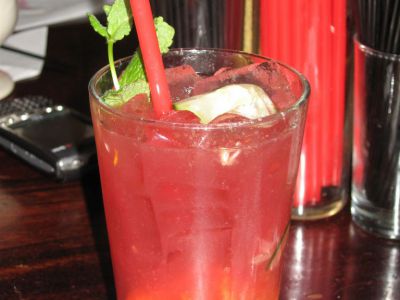
As evening falls, MO Bar transforms into a sophisticated hotspot. The mixologists craft visually stunning and flavorful cocktails. Choose from classic and innovative creations to suit any preference. Expect refreshing gin and tonics, smoky whiskey cocktails, and fruity concoctions that exceed expectations.
MO Bar offers an enchanting evening experience with renowned DJs performing on a top-notch sound system. The MO Sound-bites DJ series features mesmerizing performances by international electronic musicians, keeping the crowd dancing.
The culinary offerings at MO Bar are a testament to the commitment to quality and freshness. Guests can indulge in a fusion of Asian delicacies and beloved American classics, all prepared with the finest ingredients. From flavorful omelets to fluffy pancakes and healthy granola bowls, there's something to satisfy every palate.
MO Bar impresses with its enticing à la carte and set menus, showcasing creative and skillful dishes. Each plate is a work of art, from succulent steaks to fragrant curries and vibrant salads. Indulge in irresistible desserts for a complete meal.
In the afternoon, enjoy delightful sandwiches and pastries with luxurious tea offerings. Relax in the inviting ambiance for a leisurely afternoon tea with friends or a moment of tranquility.
As evening falls, MO Bar transforms into a sophisticated hotspot. The mixologists craft visually stunning and flavorful cocktails. Choose from classic and innovative creations to suit any preference. Expect refreshing gin and tonics, smoky whiskey cocktails, and fruity concoctions that exceed expectations.
MO Bar offers an enchanting evening experience with renowned DJs performing on a top-notch sound system. The MO Sound-bites DJ series features mesmerizing performances by international electronic musicians, keeping the crowd dancing.
4) Victoria Harbour (must see)
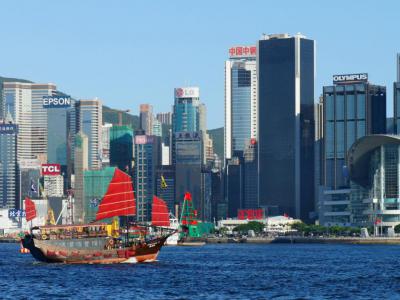
Victoria Harbour, nestled between Hong Kong Island and Kowloon in Hong Kong, is a captivating natural harbor that encompasses all the renowned landmarks and attractions that define the city. On one side, it is embraced by a striking panorama of skyscrapers and the majestic Victoria Peak, while the Tsim Sha Tsui shoreline graces the other side.
This remarkable harbor played a pivotal role in Hong Kong's history and development. Its deep and sheltered waters, strategically positioned on the South China Sea, were instrumental in establishing Hong Kong as a British colony and transforming it into a bustling trading hub.
Over time, the harbor has witnessed various reclamation endeavors on both shores, some of which have sparked controversy in recent years. Concerns have been raised about the environmental impact of these expansions, including water quality degradation and the loss of natural habitats. Nevertheless, Victoria Harbour remains a vital port welcoming thousands of international vessels annually.
Beyond its historical significance, Victoria Harbour is renowned for its awe-inspiring vistas, making it a prominent tourist attraction in Hong Kong. Nestled within the heart of the densely populated region, the harbor serves as a spectacular venue for annual fireworks displays, captivating both visitors and locals alike. Its promenades, dotted along the waterfront, are vibrant gathering spots where tourists and residents mingle, immersing themselves in the vibrant atmosphere.
Why You Should Visit:
Great place to chill, with plenty of seats to relax and watch the shipping and small boats that constantly pass by, as well as a few parks for when a retreat from the city noise is required.
You don't get bored, either, as there are plenty of places to shop, plenty of restaurants/bars that offer good views, and many other activities.
Tip:
Take a boat ride on the harbor circle line and enjoy the views on a clear day or at night.
The great thing about catching the ferry is that you have a few options as to what ferry station (port) you can travel to in Hong Kong. That way you get to see most of the harbor.
The Symphony of Lights show is at 8 pm each day. Though it might be a bit disappointing compared to what you may see posted online, it's surely not to be missed when in HK, as it's free and the skyline itself is already very special.
This remarkable harbor played a pivotal role in Hong Kong's history and development. Its deep and sheltered waters, strategically positioned on the South China Sea, were instrumental in establishing Hong Kong as a British colony and transforming it into a bustling trading hub.
Over time, the harbor has witnessed various reclamation endeavors on both shores, some of which have sparked controversy in recent years. Concerns have been raised about the environmental impact of these expansions, including water quality degradation and the loss of natural habitats. Nevertheless, Victoria Harbour remains a vital port welcoming thousands of international vessels annually.
Beyond its historical significance, Victoria Harbour is renowned for its awe-inspiring vistas, making it a prominent tourist attraction in Hong Kong. Nestled within the heart of the densely populated region, the harbor serves as a spectacular venue for annual fireworks displays, captivating both visitors and locals alike. Its promenades, dotted along the waterfront, are vibrant gathering spots where tourists and residents mingle, immersing themselves in the vibrant atmosphere.
Why You Should Visit:
Great place to chill, with plenty of seats to relax and watch the shipping and small boats that constantly pass by, as well as a few parks for when a retreat from the city noise is required.
You don't get bored, either, as there are plenty of places to shop, plenty of restaurants/bars that offer good views, and many other activities.
Tip:
Take a boat ride on the harbor circle line and enjoy the views on a clear day or at night.
The great thing about catching the ferry is that you have a few options as to what ferry station (port) you can travel to in Hong Kong. That way you get to see most of the harbor.
The Symphony of Lights show is at 8 pm each day. Though it might be a bit disappointing compared to what you may see posted online, it's surely not to be missed when in HK, as it's free and the skyline itself is already very special.
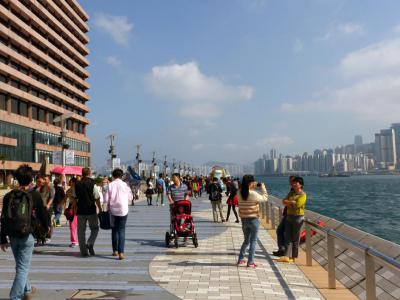
5) Tsim Sha Tsui Promenade (must see)
Tsim Sha Tsui, or TST as it is commonly known, is a major urban district in southern Kowloon and one of Hong Kong’s most visited neighborhoods. Its dense concentration of shops, restaurants, cultural venues, and waterfront attractions has made it a longstanding favorite among travelers. One of its features is the Tsim Sha Tsui Promenade, a scenic walkway that stretches approximately 1.6 kilometers along Victoria Harbor and offers uninterrupted views of Hong Kong Island’s skyline.
The promenade forms part of a waterfront area developed in phases throughout the late twentieth century, replacing earlier piers and cargo facilities along the shore. As visitors walk the route, they pass several well-known attractions. One of the attractions is Tsim Sha Tsui Waterfront Park, a public open space along the harbor where visitors can walk, rest on landscaped terraces, and enjoy uninterrupted views of Victoria Harbor. The park is freely accessible throughout the day and serves as a quieter extension of the busier promenade.
Major festivals add to the atmosphere: the Lunar New Year Fireworks over Victoria Harbor, the Mid-Autumn Festival lantern displays, and the Christmas light installations along the waterfront’s buildings are among the most anticipated. The Hong Kong Cultural Center frequently contributes additional programming, including outdoor performances and cultural showcases that extend activity onto the piazzas and waterfront spaces.
Returning after sunset provides an entirely different experience. This is when A Symphony of Lights, the nightly multimedia show launched in 2004, illuminates the skyline with coordinated beams, lasers, and music from more than 40 buildings on both sides of the harbor. Watching the performance from the promenade’s waterfront rail offers one of the most memorable night views in Hong Kong.
The promenade forms part of a waterfront area developed in phases throughout the late twentieth century, replacing earlier piers and cargo facilities along the shore. As visitors walk the route, they pass several well-known attractions. One of the attractions is Tsim Sha Tsui Waterfront Park, a public open space along the harbor where visitors can walk, rest on landscaped terraces, and enjoy uninterrupted views of Victoria Harbor. The park is freely accessible throughout the day and serves as a quieter extension of the busier promenade.
Major festivals add to the atmosphere: the Lunar New Year Fireworks over Victoria Harbor, the Mid-Autumn Festival lantern displays, and the Christmas light installations along the waterfront’s buildings are among the most anticipated. The Hong Kong Cultural Center frequently contributes additional programming, including outdoor performances and cultural showcases that extend activity onto the piazzas and waterfront spaces.
Returning after sunset provides an entirely different experience. This is when A Symphony of Lights, the nightly multimedia show launched in 2004, illuminates the skyline with coordinated beams, lasers, and music from more than 40 buildings on both sides of the harbor. Watching the performance from the promenade’s waterfront rail offers one of the most memorable night views in Hong Kong.
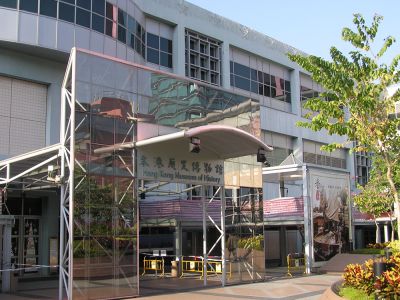
6) Hong Kong Museum of History (must see)
From prehistoric settlements to the late twentieth century, The Hong Kong Museum of History presents a detailed and engaging account of the all the city’s past. Created to preserve and interpret the region’s cultural heritage, it has become one of the most informative places to understand how Hong Kong evolved socially, economically, and politically. Its exhibitions examine the many forces that shaped the territory, from early coastal communities along the Pearl River Delta to the changing patterns of trade, migration, and colonial administration that later defined the city’s trajectory.
At the center of the museum is its permanent exhibition, The Hong Kong Story, which includes more than 4,000 objects displayed across eight galleries. This chronological journey combines prehistoric fossils, ancient pottery, colonial documents, archaeological finds, recreated village scenes. Traditional festival costumes, household items, and records from different eras show how local communities lived and adapted over time.
The exhibition also addresses crucial turning points, including the Opium Wars, the rise of Victoria City, and Hong Kong’s swift transformation in the twentieth century. Cultural life receives significant attention, with dedicated displays on Cantonese opera, festival traditions, and folk beliefs. They reveal how rituals, performances, and daily customs remain central to the city’s character.
The museum's origins go back to 1962, when the City Museum and Art Gallery was established. In 1975, it was divided into two institutions-the Hong Kong Museum of History and the Hong Kong Museum of Art-and the history branch moved between temporary sites before settling in its current Tsim Sha Tsui location in 1998. Today, the museum provides a well-structured introduction to the city’s past, making it a valuable stop for travelers who want to place modern Hong Kong within a wider historical and cultural context.
At the center of the museum is its permanent exhibition, The Hong Kong Story, which includes more than 4,000 objects displayed across eight galleries. This chronological journey combines prehistoric fossils, ancient pottery, colonial documents, archaeological finds, recreated village scenes. Traditional festival costumes, household items, and records from different eras show how local communities lived and adapted over time.
The exhibition also addresses crucial turning points, including the Opium Wars, the rise of Victoria City, and Hong Kong’s swift transformation in the twentieth century. Cultural life receives significant attention, with dedicated displays on Cantonese opera, festival traditions, and folk beliefs. They reveal how rituals, performances, and daily customs remain central to the city’s character.
The museum's origins go back to 1962, when the City Museum and Art Gallery was established. In 1975, it was divided into two institutions-the Hong Kong Museum of History and the Hong Kong Museum of Art-and the history branch moved between temporary sites before settling in its current Tsim Sha Tsui location in 1998. Today, the museum provides a well-structured introduction to the city’s past, making it a valuable stop for travelers who want to place modern Hong Kong within a wider historical and cultural context.
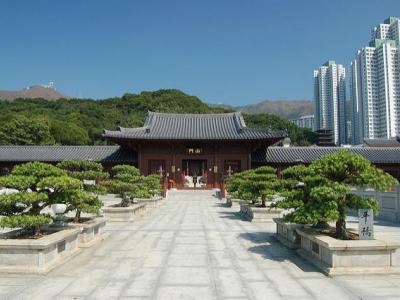
7) Chi Lin Nunnery (must see)
Chi Lin Nunnery is a large Buddhist temple complex located in Diamond Hill, Kowloon, Hong Kong. It was founded in 1934 as a retreat for Buddhist nuns and was rebuilt in the 1990s following the traditional Tang Dynasty architecture. It is constructed entirely with cypress wood, without the use of any nails, and is currently the world's largest hand-made wooden building. This construction is based on traditional Chinese architectural techniques that use special interlocking systems cut into the wood to hold them in place. The complex with 16 halls, a library, a school, a pagoda, a bell tower and a drum tower, covers an area of more than 33,000 square metres (360,000 square feet). The Chi Lin Nunnery buildings are the only buildings to be built in this style in modern-day Hong Kong.
The Nan Lian Garden, located in the opposite of the Chi Lin Nunnery, is a Chinese Classical Garden also built in the style of the Tang dynasty. The scenic garden covering an area of 35,000 square metres (380,000 square feet) is maintained by the Chi Lin Nunnery.
The temple halls and the Chinese garden in front of the nunnery are open to the public daily free of charge.
Why You Should Visit:
One of the most serene locations in HK and in the world, hands down!
You just feel a tranquility and peacefulness wash over you, like you've left your burden at the door.
Tip:
Group walking tours are available by appointment only and are conducted in Cantonese, Mandarin and of course, English.
Downstairs there is a gift shop which sells vegetarian items, prayer beads and more.
The Nan Lian Garden, located in the opposite of the Chi Lin Nunnery, is a Chinese Classical Garden also built in the style of the Tang dynasty. The scenic garden covering an area of 35,000 square metres (380,000 square feet) is maintained by the Chi Lin Nunnery.
The temple halls and the Chinese garden in front of the nunnery are open to the public daily free of charge.
Why You Should Visit:
One of the most serene locations in HK and in the world, hands down!
You just feel a tranquility and peacefulness wash over you, like you've left your burden at the door.
Tip:
Group walking tours are available by appointment only and are conducted in Cantonese, Mandarin and of course, English.
Downstairs there is a gift shop which sells vegetarian items, prayer beads and more.
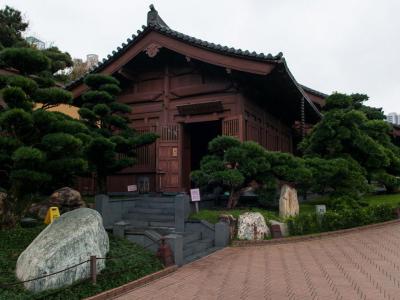
8) Nan Lian Garden (must see)
Nan Lian Garden, situated in the Diamond Hill area, exemplifies the architectural style of the Tang Dynasty. Encompassing an expansive area of approximately 35,000 square meters (3.5 hectares), this meticulously designed garden adheres to the principles of the Tang style, placing each element – land, rocks, trees, and water – according to the prescribed rules.
The garden features a captivating one-way circular route that guides visitors through its enchanting landscape. Along this path, one can discover various noteworthy attractions, including the Lotus Pond and the Blue Pond, adorned with serene water, an array of trees, the Pavilion of Absolute Perfection connected by two Zi Wu Bridges, the Chinese Timber Architecture Gallery, and the serene Pine Path, among other delightful sights. Additionally, amenities such as a souvenir shop, a vegetarian food restaurant, a Chinese tea house, and a versatile function room are available for visitors' convenience.
Moreover, Nan Lian Garden is conveniently linked to the Chi Lin Nunnery by a bridge and is encompassed by towering skyscrapers. When combined with the neighboring Nunnery, they form an awe-inspiring ensemble that ranks among Hong Kong's most remarkable sites. Undoubtedly, this attraction is a must-visit for anyone seeking to experience the beauty and tranquility of Hong Kong's cultural heritage.
The garden features a captivating one-way circular route that guides visitors through its enchanting landscape. Along this path, one can discover various noteworthy attractions, including the Lotus Pond and the Blue Pond, adorned with serene water, an array of trees, the Pavilion of Absolute Perfection connected by two Zi Wu Bridges, the Chinese Timber Architecture Gallery, and the serene Pine Path, among other delightful sights. Additionally, amenities such as a souvenir shop, a vegetarian food restaurant, a Chinese tea house, and a versatile function room are available for visitors' convenience.
Moreover, Nan Lian Garden is conveniently linked to the Chi Lin Nunnery by a bridge and is encompassed by towering skyscrapers. When combined with the neighboring Nunnery, they form an awe-inspiring ensemble that ranks among Hong Kong's most remarkable sites. Undoubtedly, this attraction is a must-visit for anyone seeking to experience the beauty and tranquility of Hong Kong's cultural heritage.
9) Sik Sik Yuen Wong Tai Sin Temple (must see)
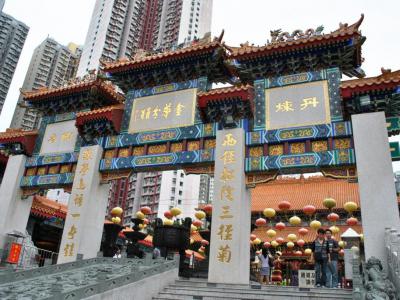
The Wong Tai Sin Temple, located in Hong Kong, is a renowned shrine and popular tourist destination. It pays homage to Wong Tai Sin, also known as the Great Immortal Wong. Spanning an impressive area of 18,000 square meters (190,000 square feet), this Taoist temple is celebrated for its reputation of granting prayers through a practice called kau chim, where the saying "What you request is what you get" holds. Situated on the southern side of Lion Rock in the northern part of Kowloon, it captivates visitors with its traditional Chinese architecture adorned with red pillars, a gold roof embellished with blue friezes, yellow latticework, and vibrant multicolored carvings.
Within the temple grounds, visitors can marvel at the Nine-Dragon Wall, inspired by its counterpart in Beijing. Notable halls include the Great Hall and the Three-Saint Hall, with the latter dedicated to Lü Dongbin, Guan Yin, and Lord Guan. Additionally, the temple houses a collection of Confucian, Taoist, and Buddhist literature and features a portrait of Confucius. As visitors explore further, they encounter three memorial archways, the first of which bears the temple's name at its entrance. The second memorial archway can be found past the fortune-telling stalls, and the third one lies further ahead.
Within the temple grounds, visitors can marvel at the Nine-Dragon Wall, inspired by its counterpart in Beijing. Notable halls include the Great Hall and the Three-Saint Hall, with the latter dedicated to Lü Dongbin, Guan Yin, and Lord Guan. Additionally, the temple houses a collection of Confucian, Taoist, and Buddhist literature and features a portrait of Confucius. As visitors explore further, they encounter three memorial archways, the first of which bears the temple's name at its entrance. The second memorial archway can be found past the fortune-telling stalls, and the third one lies further ahead.
10) Ten Thousand Buddhas Monastery (must see)
The Ten Thousand Buddhas Monastery, situated in Sha Tin, Hong Kong, is a Buddhist temple constructed during the mid-20th century. Despite being called a monastery, it is managed by laypersons as there are no resident monks. The main temple building and the pagoda are both recognized as Grade III historic buildings by the Government of Hong Kong.
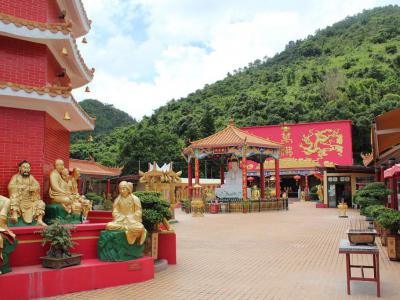
Construction of the temple began in 1951 under the leadership of Yuet Kai and his followers, and it was completed six years later. The journey up to the monastery itself is an attraction, with a path adorned on both sides by unique golden Buddhas in various poses. Contrary to its name, the monastery actually houses nearly 13,000 Buddha statues.
Perched on a hillside in Pai Tau Village, the Ten Thousand Buddhas Monastery can be reached by ascending 431 "steep steps." These steps are flanked by statues of arhats, who are regarded as enlightened saints in Buddhism. Crafted by artists from Yunnan and Guangdong provinces, these statues were modeled after those found at a temple in Kunming, the hometown of founder Yuet Kai.
Covering an area of over 8 hectares (0.080 square kilometer), the monastery is divided into two floors. The upper level comprises four halls dedicated to Kwun Yam, other Buddhist and Taoist deities and a variety of Buddha statues. The lower floor features an additional hall, a nine-story pagoda, a tower, and two pavilions.
Despite its "Ten Thousand" moniker, the monastery is home to nearly 13,000 Buddha statues. While some sources estimate around 12,000 statues, the Lonely Planet guidebook suggests there may be approximately 12,800 statues within the monastery grounds. Some of these statues date back to the Tang dynasty.
Over the years, the Monastery has been featured in films and television series. For instance, it served as the backdrop for a martial arts fight scene between the protagonist (played by Russell Wong) and a sword-wielding adversary in the 1995 American action series Vanishing Son. Additionally, the temple was prominently featured in the opening scene of the 2002 local crime-thriller Infernal Affairs.
Construction of the temple began in 1951 under the leadership of Yuet Kai and his followers, and it was completed six years later. The journey up to the monastery itself is an attraction, with a path adorned on both sides by unique golden Buddhas in various poses. Contrary to its name, the monastery actually houses nearly 13,000 Buddha statues.
Perched on a hillside in Pai Tau Village, the Ten Thousand Buddhas Monastery can be reached by ascending 431 "steep steps." These steps are flanked by statues of arhats, who are regarded as enlightened saints in Buddhism. Crafted by artists from Yunnan and Guangdong provinces, these statues were modeled after those found at a temple in Kunming, the hometown of founder Yuet Kai.
Covering an area of over 8 hectares (0.080 square kilometer), the monastery is divided into two floors. The upper level comprises four halls dedicated to Kwun Yam, other Buddhist and Taoist deities and a variety of Buddha statues. The lower floor features an additional hall, a nine-story pagoda, a tower, and two pavilions.
Despite its "Ten Thousand" moniker, the monastery is home to nearly 13,000 Buddha statues. While some sources estimate around 12,000 statues, the Lonely Planet guidebook suggests there may be approximately 12,800 statues within the monastery grounds. Some of these statues date back to the Tang dynasty.
Over the years, the Monastery has been featured in films and television series. For instance, it served as the backdrop for a martial arts fight scene between the protagonist (played by Russell Wong) and a sword-wielding adversary in the 1995 American action series Vanishing Son. Additionally, the temple was prominently featured in the opening scene of the 2002 local crime-thriller Infernal Affairs.
11) Temple Street Night Market (must see)
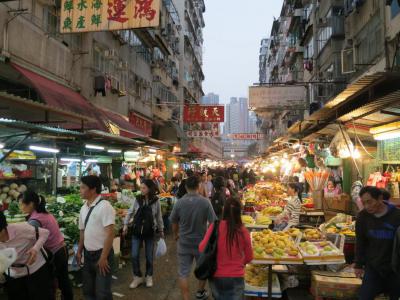
Temple Street Night Market is located in the Jordan area and Yau Ma Tei in the Kowloon district of Hong Kong. The night market and the flea market are well known in this part of the city. Tourists usually flock to these markets during the evenings, so even at dusk the place is crowded. The market has vendors selling food items and cheap merchandise that tourists usually buy.
The Temple Street Night Market was built during the Qing Dynasty and named after a Tin Hau temple present at the location. The market is also known as Men's Street as it has many popular men's fashion outlets.
The market usually opens at 2 p.m. in the afternoon, but it is during dusk that the real crowd gathers here. During the market’s operational hours, traffic is closed on the street. The market has more than a hundred stalls, decorated with colorful lights. The carts and stalls are full of merchandise including mobile phones, watches, clothes, shoes, and men’s accessories. The night market is famous for selling second-hand goods such as videotapes, old newspapers, cassettes, and antiques. Prices can always be negotiated by bargaining. Snacks and roadside treats are also abundant.
Why You Should Visit:
May be a good place to buy some cheap/souvenir items, but there are also plenty of cheap eateries – mostly street foods & authentic cuisine – lining the strip.
Tip:
The further you go inside the market, the cheaper it tends to get.
As for the food, eat where the long lines to buy food are, or at the busiest restaurant(s).
The Temple Street Night Market was built during the Qing Dynasty and named after a Tin Hau temple present at the location. The market is also known as Men's Street as it has many popular men's fashion outlets.
The market usually opens at 2 p.m. in the afternoon, but it is during dusk that the real crowd gathers here. During the market’s operational hours, traffic is closed on the street. The market has more than a hundred stalls, decorated with colorful lights. The carts and stalls are full of merchandise including mobile phones, watches, clothes, shoes, and men’s accessories. The night market is famous for selling second-hand goods such as videotapes, old newspapers, cassettes, and antiques. Prices can always be negotiated by bargaining. Snacks and roadside treats are also abundant.
Why You Should Visit:
May be a good place to buy some cheap/souvenir items, but there are also plenty of cheap eateries – mostly street foods & authentic cuisine – lining the strip.
Tip:
The further you go inside the market, the cheaper it tends to get.
As for the food, eat where the long lines to buy food are, or at the busiest restaurant(s).
12) Sky100 Observation Deck (must see)
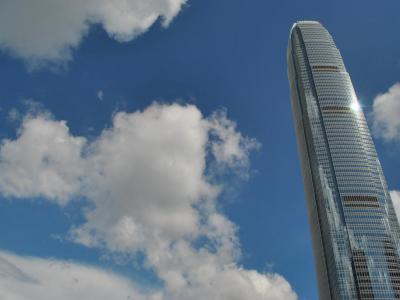
Sky100, situated on the 100th floor of the International Commerce Centre, is an indoor observation deck that offers a captivating 360-degree view. From this vantage point, visitors can admire the stunning sights of Hong Kong Island, Victoria Harbour, the Kowloon Peninsula, and the majestic Tai Mo Shan in the backdrop.
Positioned just two floors below The Ritz-Carlton, Sky100 is easily accessible through high-speed lifts. These swift elevators transport guests from the entrance on the second floor in a mere 60 seconds.
Back in May 2010, Sun Hung Kai Properties organized a naming contest for the observation deck. Out of an impressive pool of 3,000 entries, both the English and Chinese names were chosen. Consequently, on April 17, 2011, Sky100 was officially inaugurated.
Beyond its magnificent panoramas, Sky100 boasts various other attractions. Notably, there is Café 100, an exquisite Paris-style eatery located on the western side of the observation deck. Additionally, visitors can indulge in a range of experiences, including virtual reality (VR) attractions, augmented reality photo-taking, and a delightful photo booth.
One of the remarkable features of Sky100 is the Advanced Telescope, which offers different settings. The "sunny day setting" showcases pre-recorded views captured on bright days, accompanied by on-screen indicators highlighting landmarks. Visitors can also switch to night views or enjoy simulated fireworks. Interactive touch screens are scattered across the deck, providing interesting facts, helpful tips, and an itinerary planner for a more engaging experience.
Positioned just two floors below The Ritz-Carlton, Sky100 is easily accessible through high-speed lifts. These swift elevators transport guests from the entrance on the second floor in a mere 60 seconds.
Back in May 2010, Sun Hung Kai Properties organized a naming contest for the observation deck. Out of an impressive pool of 3,000 entries, both the English and Chinese names were chosen. Consequently, on April 17, 2011, Sky100 was officially inaugurated.
Beyond its magnificent panoramas, Sky100 boasts various other attractions. Notably, there is Café 100, an exquisite Paris-style eatery located on the western side of the observation deck. Additionally, visitors can indulge in a range of experiences, including virtual reality (VR) attractions, augmented reality photo-taking, and a delightful photo booth.
One of the remarkable features of Sky100 is the Advanced Telescope, which offers different settings. The "sunny day setting" showcases pre-recorded views captured on bright days, accompanied by on-screen indicators highlighting landmarks. Visitors can also switch to night views or enjoy simulated fireworks. Interactive touch screens are scattered across the deck, providing interesting facts, helpful tips, and an itinerary planner for a more engaging experience.
13) Lantau Island
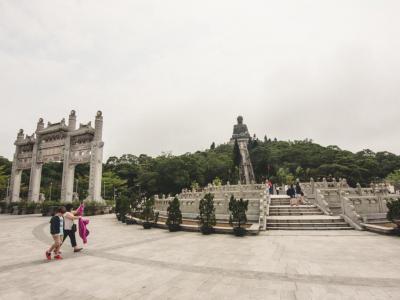
Lantau Island, also known as Lantao Island or Lan Tao, holds the distinction of being the largest island in Hong Kong. It is situated to the west of Hong Kong Island and southwest of the Kowloon Peninsula, forming part of the New Territories region. From an administrative standpoint, the majority of Lantau Island falls within the Islands District of Hong Kong, with a smaller northeastern section falling under the jurisdiction of the Tsuen Wan District.
Originally home to fishing villages, Lantau Island has undergone significant development since the latter half of the 20th century. Notable projects include the establishment of Tung Chung New Town along the island's northwestern coast, as well as the completion of various vital infrastructure undertakings. These include the Lantau Link (1997), Hong Kong International Airport (1998), Hong Kong Disneyland (2005), and Ngong Ping 360 (2006).
The coastal waters surrounding Lantau are frequented by Chinese white dolphins, often referred to as pink dolphins. Efforts have been made to safeguard these dolphins, with the Southwest Lantau Marine Park planned in 2014 to ensure their protection. In the southern regions of Lantau Island, local residents rely on oyster fields, lemon and tangerine trees, and the production of preserved fruits. Additionally, water buffalos can be found in Bei O. The southern part of Lantau Island boasts a robust and well-established ecosystem.
Originally home to fishing villages, Lantau Island has undergone significant development since the latter half of the 20th century. Notable projects include the establishment of Tung Chung New Town along the island's northwestern coast, as well as the completion of various vital infrastructure undertakings. These include the Lantau Link (1997), Hong Kong International Airport (1998), Hong Kong Disneyland (2005), and Ngong Ping 360 (2006).
The coastal waters surrounding Lantau are frequented by Chinese white dolphins, often referred to as pink dolphins. Efforts have been made to safeguard these dolphins, with the Southwest Lantau Marine Park planned in 2014 to ensure their protection. In the southern regions of Lantau Island, local residents rely on oyster fields, lemon and tangerine trees, and the production of preserved fruits. Additionally, water buffalos can be found in Bei O. The southern part of Lantau Island boasts a robust and well-established ecosystem.
14) Tian Tan Buddha (Big Buddha) (must see)
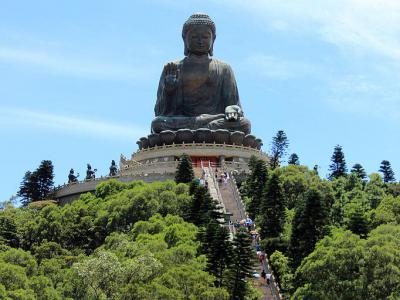
The Tian Tan Buddha, situated in Ngong Ping on Lantau Island, is a magnificent bronze statue portraying Buddha Shakyamuni. Its construction was completed in 1993, and it serves as a symbol of the harmonious bond between humanity, nature, and faith. This awe-inspiring monument is not only a prominent center of Buddhism in Hong Kong but also a renowned tourist attraction.
The statue's base replicates the Altar of Heaven, also known as the Earthly Mount of Tian Tan, found in the Temple of Heaven in Beijing. Among China's five colossal Buddha statues, this one stands atop a three-tiered platform altar, seated on a lotus. Surrounding the Buddha are six smaller bronze statues, collectively known as "The Offering of the Six Devas," positioned in poses of presenting flowers, incense, lamps, ointments, fruits, and music to the Buddha. These representations symbolize the Six Perfections of generosity, morality, patience, zeal, meditation, and wisdom, all essential for attaining enlightenment.
The impressive statue stands 34 meters (112 feet) tall and weighs over 250 metric tons (280 short tons). It's made of 202 bronze pieces and has a strong steel framework for support. On clear days, it can be seen from Macau across the bay. Visitors can climb 268 steps or take a narrow road to reach the Buddha, accommodating disabled individuals. The Buddha's right hand is raised to symbolize dispelling affliction, while the left hand rests on his lap in a gesture of generosity. Unlike other grand Buddha statues, the Tian Tan Buddha faces north.
Beneath the statue, three floors are situated: the Halls of the Universe, Benevolent Merit, and Remembrance. Inside, one of the most notable features is a relic believed to contain some of Gautama Buddha's cremated remains. Access to view this relic is limited to those who purchase an offering for the Buddha, granting them permission to enter and leave the relic there. Additionally, a magnificent carved bell, adorned with images of Buddhas, is displayed in the showroom. Designed to ring 108 times a day, at seven-minute intervals, it symbolizes the liberation from 108 forms of human vexations.
The statue's base replicates the Altar of Heaven, also known as the Earthly Mount of Tian Tan, found in the Temple of Heaven in Beijing. Among China's five colossal Buddha statues, this one stands atop a three-tiered platform altar, seated on a lotus. Surrounding the Buddha are six smaller bronze statues, collectively known as "The Offering of the Six Devas," positioned in poses of presenting flowers, incense, lamps, ointments, fruits, and music to the Buddha. These representations symbolize the Six Perfections of generosity, morality, patience, zeal, meditation, and wisdom, all essential for attaining enlightenment.
The impressive statue stands 34 meters (112 feet) tall and weighs over 250 metric tons (280 short tons). It's made of 202 bronze pieces and has a strong steel framework for support. On clear days, it can be seen from Macau across the bay. Visitors can climb 268 steps or take a narrow road to reach the Buddha, accommodating disabled individuals. The Buddha's right hand is raised to symbolize dispelling affliction, while the left hand rests on his lap in a gesture of generosity. Unlike other grand Buddha statues, the Tian Tan Buddha faces north.
Beneath the statue, three floors are situated: the Halls of the Universe, Benevolent Merit, and Remembrance. Inside, one of the most notable features is a relic believed to contain some of Gautama Buddha's cremated remains. Access to view this relic is limited to those who purchase an offering for the Buddha, granting them permission to enter and leave the relic there. Additionally, a magnificent carved bell, adorned with images of Buddhas, is displayed in the showroom. Designed to ring 108 times a day, at seven-minute intervals, it symbolizes the liberation from 108 forms of human vexations.
15) Ngong Ping 360 Cable Car (must see)
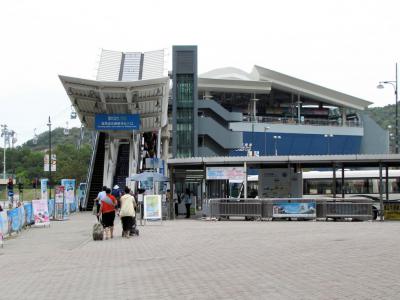
Ngong Ping 360, located on Lantau Island in Hong Kong, is a two-cable gondola lift system designed to enhance tourism in the area. Formerly known as the Tung Chung Cable Car Project, it adopted the Ngong Ping 360 name in April 2005. The main components of this attraction are the Ngong Ping Cable Car and the Ngong Ping Village, an entertainment and retail center situated near the upper station of the cable car.
Ngong Ping 360 connects Tung Chung, a town on the northern coast of Lantau Island that is linked to central Hong Kong by the Tung Chung Line, to the Ngong Ping region nestled in the hills above. This area is renowned for the Po Lin Monastery and the Tian Tan Buddha, which are already popular tourist destinations. Before the opening of Ngong Ping 360, the only access to this area was via a mountain road and bus service.
The cableway commences at the Tung Chung Terminal, and traverses Tung Chung Bay to reach the Airport Island Angle Station on Chek Lap Kok. At this point, the cable car makes a 60-degree turn before retracing its path across Tung Chung Bay. It then ascends through Lantau North Country Park, passing another angle station near Nei Lak Shan (Nei Lak Shan Angle Station), and finally descends to the Ngong Ping Terminal.
During the 25-minute journey, travelers can enjoy breathtaking panoramic views of North Lantau Country Park, the South China Sea, Hong Kong International Airport, the Tung Chung Valley, Ngong Ping Plateau, and the surrounding terrain and waterways. As visitors approach Ngong Ping, they are greeted by the awe-inspiring sight of the Big Buddha and the Po Lin Monastery.
Ngong Ping 360 connects Tung Chung, a town on the northern coast of Lantau Island that is linked to central Hong Kong by the Tung Chung Line, to the Ngong Ping region nestled in the hills above. This area is renowned for the Po Lin Monastery and the Tian Tan Buddha, which are already popular tourist destinations. Before the opening of Ngong Ping 360, the only access to this area was via a mountain road and bus service.
The cableway commences at the Tung Chung Terminal, and traverses Tung Chung Bay to reach the Airport Island Angle Station on Chek Lap Kok. At this point, the cable car makes a 60-degree turn before retracing its path across Tung Chung Bay. It then ascends through Lantau North Country Park, passing another angle station near Nei Lak Shan (Nei Lak Shan Angle Station), and finally descends to the Ngong Ping Terminal.
During the 25-minute journey, travelers can enjoy breathtaking panoramic views of North Lantau Country Park, the South China Sea, Hong Kong International Airport, the Tung Chung Valley, Ngong Ping Plateau, and the surrounding terrain and waterways. As visitors approach Ngong Ping, they are greeted by the awe-inspiring sight of the Big Buddha and the Po Lin Monastery.
