Custom Walk in Gothenburg, Sweden by sbakermb_884475 created on 2026-04-22
Guide Location: Sweden » Gothenburg
Guide Type: Custom Walk
# of Sights: 16
Tour Duration: 5 Hour(s)
Travel Distance: 9.7 Km or 6 Miles
Share Key: XBBDP
Guide Type: Custom Walk
# of Sights: 16
Tour Duration: 5 Hour(s)
Travel Distance: 9.7 Km or 6 Miles
Share Key: XBBDP
How It Works
Please retrieve this walk in the GPSmyCity app. Once done, the app will guide you from one tour stop to the next as if you had a personal tour guide. If you created the walk on this website or come to the page via a link, please follow the instructions below to retrieve the walk in the app.
Retrieve This Walk in App
Step 1. Download the app "GPSmyCity: Walks in 1K+ Cities" on Apple App Store or Google Play Store.



Step 2. In the GPSmyCity app, download(or launch) the guide "Gothenburg Map and Walking Tours".
Step 3. Tap the menu button located at upper right corner of the "Walks" screen and select "Retrieve custom walk". Enter the share key: XBBDP
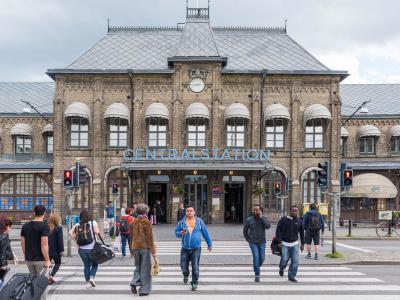
1) Gothenburg Central Station
The Gothenburg Central Station serves as the primary railway hub in Gothenburg, being the third largest of its kind in Sweden. Initially erected between 1856 and 1857 on the site of a former prison, the original structure featured a spacious entrance hall, two waiting areas, and several dining establishments. In 1923, a reconstruction and expansion project, led by architect Folke Zettervall, the official SJ architect at the time, was undertaken. Unfortunately, a fire on March 14, 1923, ravaged significant portions of the station. Subsequently, from 1928 to 1930, further enlargement occurred due to increased traffic demands. Later modifications included the construction of a new restaurant facing Drottningtorget.
In 1993, efforts were made to restore the Central Station, with additional renovations taking place between 2000 and 2003, resulting in the addition of the Central House extension. Presently, the interior design mirrors that of the 1923 model, featuring wooden pillars, a glass ceiling, and a limestone floor. Notably, in the 1940s, there was consideration to demolish the waiting hall; however, its preservation was deemed necessary due to its adornment with paintings by artist Filip Månsson. Despite the inability to salvage the original paintings, the decision was made to retain the hall.
During the 19th and early 20th centuries, approximately one million Swedish emigrants traversed through the station en route to the harbor, with their ultimate destination being America.
In 1993, efforts were made to restore the Central Station, with additional renovations taking place between 2000 and 2003, resulting in the addition of the Central House extension. Presently, the interior design mirrors that of the 1923 model, featuring wooden pillars, a glass ceiling, and a limestone floor. Notably, in the 1940s, there was consideration to demolish the waiting hall; however, its preservation was deemed necessary due to its adornment with paintings by artist Filip Månsson. Despite the inability to salvage the original paintings, the decision was made to retain the hall.
During the 19th and early 20th centuries, approximately one million Swedish emigrants traversed through the station en route to the harbor, with their ultimate destination being America.
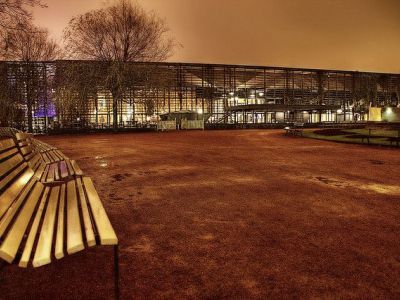
2) Trädgår'n
Trädgår'n, located in Gothenburg, holds a significant position as a hub for entertainment and social gatherings, boasting a history of over 135 years. This renowned establishment has been a focal point of Gothenburg's entertainment landscape, hosting numerous events each year catering to diverse musical tastes. Whether one enjoys the classics of ABBA, the heavy metal sounds of Iron Maiden, or the dynamic beats of DJs like Calvin Harris, Steve Angelo, Steve Aoki, and Axwell, Trädgår'n promises a musical journey like no other.
In addition to its vibrant music scene, Trädgår'n is a versatile venue suitable for large gala dinners, music events, and corporate functions. Equipped with top-notch technology and service, it ensures that every event leaves a lasting impression. Acting as a central meeting point, it welcomes individuals from all backgrounds, transforming into Gothenburg's premier nightclub on weekends, and attracting both local and international talents.
More than just an entertainment venue, Trädgår'n is a cultural landmark that enhances the social experience to new heights. Its adaptable spaces and dedication to top-tier service make it a premier destination for experiencing the best of Sweden's music scene and fostering genuine connections. Trädgår'n embodies the vibrant spirit of Gothenburg, providing a space where art, music, and community intersect, creating unforgettable moments for all who visit.
In addition to its vibrant music scene, Trädgår'n is a versatile venue suitable for large gala dinners, music events, and corporate functions. Equipped with top-notch technology and service, it ensures that every event leaves a lasting impression. Acting as a central meeting point, it welcomes individuals from all backgrounds, transforming into Gothenburg's premier nightclub on weekends, and attracting both local and international talents.
More than just an entertainment venue, Trädgår'n is a cultural landmark that enhances the social experience to new heights. Its adaptable spaces and dedication to top-tier service make it a premier destination for experiencing the best of Sweden's music scene and fostering genuine connections. Trädgår'n embodies the vibrant spirit of Gothenburg, providing a space where art, music, and community intersect, creating unforgettable moments for all who visit.
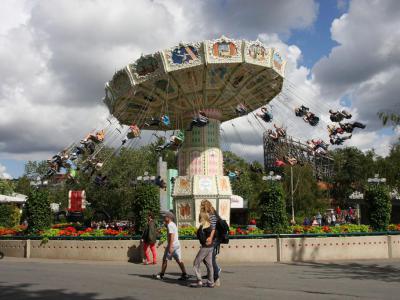
3) Liseberg Park (must see)
Liseberg Park, located in the heart of Gothenburg, was established in 1923. Liseberg has grown into the largest amusement park in Scandinavia, both in size and number of visitors, drawing approximately three million guests annually. This iconic park is renowned not only for its extensive range of attractions, boasting over 30 different rides, but also for its deep historical roots dating back to 1752 when the land was named Lisas Berg ("Lisa's Mountain") by landowner Johan Anders Lamberg, after his wife Elisabeth Söderberg.
Among its notable attractions is Balder, a wooden roller coaster recognized as the Best Wooden Tracked Roller Coaster in the world in 2003 and 2005. Liseberg's reputation extends beyond its thrilling rides; it was acknowledged by Forbes magazine in 2005 as one of the top ten amusement parks globally and ranked as the second-best in Europe by the International Association of Amusement Parks and Attractions (IAAPA) in 2022.
The inception of Liseberg Park is closely linked to Gothenburg's 300th anniversary celebrations in 1923, which featured the Gothenburg Exhibition. This event introduced the public to Leisure Park and Congress Park, including attractions like the 980-foot-long Kanneworffska Funicular. The immense success of the fun park during the exhibition, which attracted over 800,000 visitors, led to the decision to keep the park operational indefinitely.
Liseberg caters to visitors not only in the summer but also during the autumn and winter seasons, offering seasonal festivities such as Halloween celebrations with haunted houses and a Christmas market showcasing traditional Swedish cuisine, including mulled wine and dishes made from reindeer meat.
Beyond its exciting rides, Liseberg Park offers a diverse range of venues, including stages, a dance hall, restaurants, and arcade halls, all set amidst lush, wooded surroundings. The park also boasts a meticulously designed Botanical Garden featuring waterfalls, artworks, and a wide variety of plants, providing a tranquil retreat for visitors. With two main entrances/exits, Liseberg ensures convenient access for its millions of visitors, providing a mix of thrilling entertainment, cultural experiences, and natural beauty, establishing itself as a premier destination for amusement park enthusiasts worldwide.
Among its notable attractions is Balder, a wooden roller coaster recognized as the Best Wooden Tracked Roller Coaster in the world in 2003 and 2005. Liseberg's reputation extends beyond its thrilling rides; it was acknowledged by Forbes magazine in 2005 as one of the top ten amusement parks globally and ranked as the second-best in Europe by the International Association of Amusement Parks and Attractions (IAAPA) in 2022.
The inception of Liseberg Park is closely linked to Gothenburg's 300th anniversary celebrations in 1923, which featured the Gothenburg Exhibition. This event introduced the public to Leisure Park and Congress Park, including attractions like the 980-foot-long Kanneworffska Funicular. The immense success of the fun park during the exhibition, which attracted over 800,000 visitors, led to the decision to keep the park operational indefinitely.
Liseberg caters to visitors not only in the summer but also during the autumn and winter seasons, offering seasonal festivities such as Halloween celebrations with haunted houses and a Christmas market showcasing traditional Swedish cuisine, including mulled wine and dishes made from reindeer meat.
Beyond its exciting rides, Liseberg Park offers a diverse range of venues, including stages, a dance hall, restaurants, and arcade halls, all set amidst lush, wooded surroundings. The park also boasts a meticulously designed Botanical Garden featuring waterfalls, artworks, and a wide variety of plants, providing a tranquil retreat for visitors. With two main entrances/exits, Liseberg ensures convenient access for its millions of visitors, providing a mix of thrilling entertainment, cultural experiences, and natural beauty, establishing itself as a premier destination for amusement park enthusiasts worldwide.
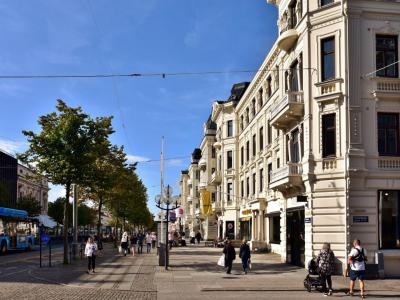
4) Kungsportsavenyen (Kingsgate Avenue)
Kingsgate Avenue is Gothenburg’s main boulevard. The design of the avenue was inspired by Vienna's Ring Road and the Champs-Elysees in Paris. The stately one kilometer avenue stretches from The Moat to Gota Square. Residents often refer to Kingsgate Avenue as simply "The Avenue."
Kingsgate Avenue was named after Kings Gate, which was replaced by a park in the 19th century. The avenue was originally a wealthy residential street. Today, Kingsgate Avenue features the Stora Teatern musical theater and many pubs, restaurants, and clubs.
Kingsgate Avenue reminds visitors of a busy London or Paris hot spot. Here, you'll find fantastic shopping and cozy dining spots. Visitors will find antique shops, boutique clothing shops, and international brands. You can visit an independent dressmaker or explore department stores such as H&M.
Side streets feature intriguing finds that are worth exploring. For example, you'll find inexpensive restaurants and second-hand stores selling pre-loved designer brands such as Gucci.
The Avenue comes to life at night with pulsating nightclubs and vibrant bars.
Kingsgate Avenue was named after Kings Gate, which was replaced by a park in the 19th century. The avenue was originally a wealthy residential street. Today, Kingsgate Avenue features the Stora Teatern musical theater and many pubs, restaurants, and clubs.
Kingsgate Avenue reminds visitors of a busy London or Paris hot spot. Here, you'll find fantastic shopping and cozy dining spots. Visitors will find antique shops, boutique clothing shops, and international brands. You can visit an independent dressmaker or explore department stores such as H&M.
Side streets feature intriguing finds that are worth exploring. For example, you'll find inexpensive restaurants and second-hand stores selling pre-loved designer brands such as Gucci.
The Avenue comes to life at night with pulsating nightclubs and vibrant bars.
5) Valand
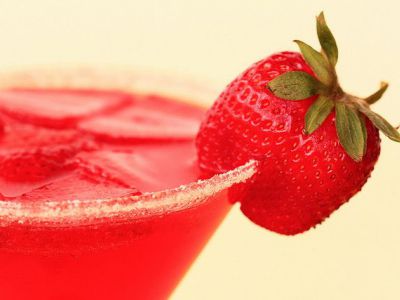
Valand in Gothenburg is a top-tier entertainment destination, located in a striking large white building at the bustling intersection of Avenyn and Vasagatan. This venue accommodates over 600 guests, providing a variety of dining and nightlife experiences to suit different tastes and occasions. Featuring a restaurant, nightclub, and four bars-including a dedicated rock bar and two lively dance floors-Valand offers an eclectic mix of house and dance music curated by skilled DJs to maintain high energy levels throughout the night.
With its rich history, Valand welcomes guests to engage in various celebrations such as shows, banquets, conferences, and birthday parties, seamlessly transitioning from daytime events to nighttime festivities. The nightclub area of Valand is a spectacle on its own, adorned with impressive art pieces, sparkling crystal chandeliers, and an atmosphere filled with excitement and merriment.
The ground floor hosts an ambitious restaurant, multiple bars, dance floors, and stages, ensuring a complete entertainment experience from casual gatherings to late-night parties. Visitors can enjoy pub shows, stand-up comedy, and performances by exciting bands, culminating in DJ acts and club gigs as the night progresses.
For those in search of an exclusive experience, the club provides a VIP lounge with panoramic views of the dance floor and Avenyn, adding a touch of luxury to the evening. Valand offers a distinctive experience in Gothenburg's nightlife, inviting everyone to unwind and enjoy a memorable night of celebration, music, and dance.
With its rich history, Valand welcomes guests to engage in various celebrations such as shows, banquets, conferences, and birthday parties, seamlessly transitioning from daytime events to nighttime festivities. The nightclub area of Valand is a spectacle on its own, adorned with impressive art pieces, sparkling crystal chandeliers, and an atmosphere filled with excitement and merriment.
The ground floor hosts an ambitious restaurant, multiple bars, dance floors, and stages, ensuring a complete entertainment experience from casual gatherings to late-night parties. Visitors can enjoy pub shows, stand-up comedy, and performances by exciting bands, culminating in DJ acts and club gigs as the night progresses.
For those in search of an exclusive experience, the club provides a VIP lounge with panoramic views of the dance floor and Avenyn, adding a touch of luxury to the evening. Valand offers a distinctive experience in Gothenburg's nightlife, inviting everyone to unwind and enjoy a memorable night of celebration, music, and dance.
6) Paddan
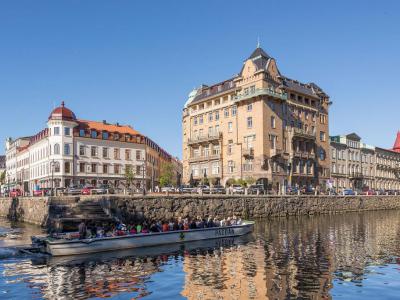
Paddan, located in the heart of Gothenburg, offers a distinctive way to discover the city's rich history and lively present through its popular boat tours. These tours depart from King's Gate Square (Kungsportsplatsen), right in the city center, providing a unique perspective on Gothenburg's ancient moat and canals, dating back to the 17th century. The journey not only showcases the city's impressive architecture and thoughtful urban design but also delves into its historical background, highlighting its national significance.
Each Paddan boat can accommodate up to 90 guests, ensuring an intimate yet comprehensive sightseeing experience lasting about an hour. The tour is renowned for passing under 20 distinct bridges and venturing out to the harbor, offering passengers a special waterside view of the city. Along the way, passengers can admire landmarks like the Opera House, the famous fish market Feskekörka, green parks, and historic shipyard areas lining the harbor. The onboard guide provides a narrative that combines historical facts with captivating stories, giving insights into Gothenburg's past, present, and evolution over time.
The Paddan Sightseeing Tour has been showcasing Gothenburg's charm and heritage since 1939, offering unforgettable experiences for visitors. It highlights the city's maritime legacy, including the fishing harbor, traditional shipyards, residential and commercial areas, academic expansions, and the maritime museum.
Boats depart 2-3 times per hour, providing flexibility for visitors, but online booking closes one hour before departure. For those interested in joining the tour, tickets can be purchased at the ticket shop 30 minutes before the first departure of the day. As the boats are open-top, guests are advised to dress appropriately for the weather to fully enjoy this captivating journey through Gothenburg's waterways.
Each Paddan boat can accommodate up to 90 guests, ensuring an intimate yet comprehensive sightseeing experience lasting about an hour. The tour is renowned for passing under 20 distinct bridges and venturing out to the harbor, offering passengers a special waterside view of the city. Along the way, passengers can admire landmarks like the Opera House, the famous fish market Feskekörka, green parks, and historic shipyard areas lining the harbor. The onboard guide provides a narrative that combines historical facts with captivating stories, giving insights into Gothenburg's past, present, and evolution over time.
The Paddan Sightseeing Tour has been showcasing Gothenburg's charm and heritage since 1939, offering unforgettable experiences for visitors. It highlights the city's maritime legacy, including the fishing harbor, traditional shipyards, residential and commercial areas, academic expansions, and the maritime museum.
Boats depart 2-3 times per hour, providing flexibility for visitors, but online booking closes one hour before departure. For those interested in joining the tour, tickets can be purchased at the ticket shop 30 minutes before the first departure of the day. As the boats are open-top, guests are advised to dress appropriately for the weather to fully enjoy this captivating journey through Gothenburg's waterways.
7) Tranquilo
Situated in the lively center of Gothenburg, Tranquilo stands out as a symbol of South American culture and cuisine. Recognized as the pioneer South American restaurant in the area, it extends a warm invitation to all who wish to immerse themselves in the flavorful culinary customs of this vibrant continent. Tranquilo isn't just a place to eat; it's an immersive encounter that seamlessly blends dining, drinking, and dancing into one thrilling experience.
The menu presents a thoughtfully curated assortment of dishes influenced by the traditional cuisines of Brazil, Peru, Argentina, and Mexico, all with Tranquilo’s unique touch-referred to as “Nuevo Latino.” This fresh approach to classic flavors ensures that each meal tells a story through its spices, ingredients, and cooking techniques. From grilled whole sea bass and lamb skewers to chili-marinated beef, the diverse selection caters to various tastes, with each dish crafted with deep reverence for its heritage.
As the night progresses, Tranquilo undergoes a magical transformation from a dining destination to a lively dance floor. Tables make way for a spirited salsa dancing area, inviting a global community to join in the joy and rhythm of Latin music. This seamless shift from dining to entertainment captures the essence of South American vibrancy and hospitality.
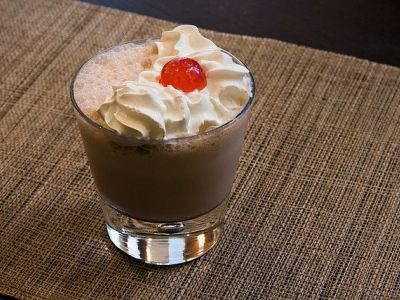
Open for both lunch and à la carte dining, the restaurant boasts an enticing range of grill options guaranteed to satisfy. Come Fridays and Saturdays, Tranquilo evolves once more, this time into a vibrant cocktail bar where Latin beats provide the soundtrack for an evening of enjoyment, cocktails, and dancing. The cocktail menu itself is a standout feature, showcasing South American classics like Caipirinhas and Mojitos, expertly mixed to complement the lively ambiance.
The menu presents a thoughtfully curated assortment of dishes influenced by the traditional cuisines of Brazil, Peru, Argentina, and Mexico, all with Tranquilo’s unique touch-referred to as “Nuevo Latino.” This fresh approach to classic flavors ensures that each meal tells a story through its spices, ingredients, and cooking techniques. From grilled whole sea bass and lamb skewers to chili-marinated beef, the diverse selection caters to various tastes, with each dish crafted with deep reverence for its heritage.
As the night progresses, Tranquilo undergoes a magical transformation from a dining destination to a lively dance floor. Tables make way for a spirited salsa dancing area, inviting a global community to join in the joy and rhythm of Latin music. This seamless shift from dining to entertainment captures the essence of South American vibrancy and hospitality.
Open for both lunch and à la carte dining, the restaurant boasts an enticing range of grill options guaranteed to satisfy. Come Fridays and Saturdays, Tranquilo evolves once more, this time into a vibrant cocktail bar where Latin beats provide the soundtrack for an evening of enjoyment, cocktails, and dancing. The cocktail menu itself is a standout feature, showcasing South American classics like Caipirinhas and Mojitos, expertly mixed to complement the lively ambiance.
8) Gothenburg Cathedral
A church has stood on this site since the early 1600s. The initial small rectory was Gothenburg's first church and one of the new city's first buildings. Construction on the first cathedral began in 1626 and was completed in 1633. The church was designated as a cathedral in the 1680s.
Gothenburg Cathedral burned during a fire on April 15, 1721. However, the original walls survived the fire, and officials quickly rebuilt the cathedral. The cathedral was rebuilt with the same dimensions and reopened on May 25, 1722. Renovations and upgrades continued with a new copper roof and tower capital.
Another terrible fire burned the cathedral on December 20, 1802. This fire also destroyed 179 houses in addition to the cathedral's cemetery. The cathedral was so damaged that a complete rebuild was necessary. The current cathedral was completed in 1815. The tower was built in 1825, and its copper cladding was complete in time for the second inauguration in 1827.
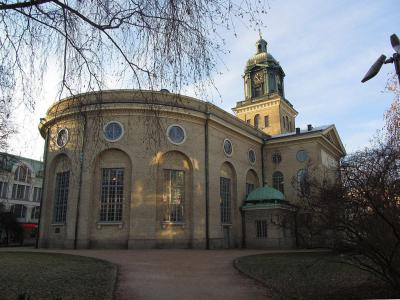
The current cathedral features classical architecture. The impressive main portal features four Doric columns. The interior features classical and Empire style. Many interior fittings, including the pulpit, feature Empire-style white and gold leaves.
The cathedral has classical-style ionic pilasters. The altar's 18th-century angelic figures feature Baroque styling. Gothenburg Cathedral was Sweden's first church to have central heating in 1852.
The cathedral's grandfather clock was built in 1751 and survived the 1802 fire. The organ was made 1962 but features a traditional white and gold facade. The cathedral's tower began to lean in the early 20th century and was reinforced.
Gothenburg Cathedral burned during a fire on April 15, 1721. However, the original walls survived the fire, and officials quickly rebuilt the cathedral. The cathedral was rebuilt with the same dimensions and reopened on May 25, 1722. Renovations and upgrades continued with a new copper roof and tower capital.
Another terrible fire burned the cathedral on December 20, 1802. This fire also destroyed 179 houses in addition to the cathedral's cemetery. The cathedral was so damaged that a complete rebuild was necessary. The current cathedral was completed in 1815. The tower was built in 1825, and its copper cladding was complete in time for the second inauguration in 1827.
The current cathedral features classical architecture. The impressive main portal features four Doric columns. The interior features classical and Empire style. Many interior fittings, including the pulpit, feature Empire-style white and gold leaves.
The cathedral has classical-style ionic pilasters. The altar's 18th-century angelic figures feature Baroque styling. Gothenburg Cathedral was Sweden's first church to have central heating in 1852.
The cathedral's grandfather clock was built in 1751 and survived the 1802 fire. The organ was made 1962 but features a traditional white and gold facade. The cathedral's tower began to lean in the early 20th century and was reinforced.
9) Magasinsgatan (Warehouse Street)
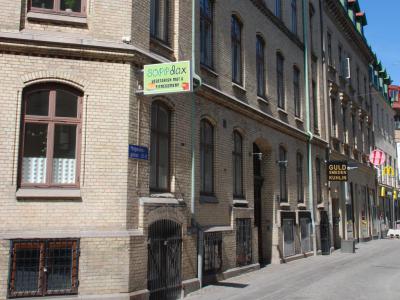
Warehouse Street is a popular shopping street in the city center. The warehouse refers to a popular magazine that had a warehouse on the street. The area used to a working class neighborhood, but these days it is a hip shopping district known for being the home of many local brands.
Warehouse Street features trendy shops, restaurants, cafes, and bars. Visitors will find local brands such as Acne, Emma och Malena, and Velour. In addition, shoppers can visit second-hand stores such as Pop Boutique or browse Grandpa, a popular fashion boutique.
If you are hungry, Warehouse Street has plenty of options. Food trucks frequent the area, so you can always find something fresh and exciting. Warehouse Street's cafes are known for their exceptional baristas. Restaurants and cafes offer a variety of international cuisine, and many have outdoor seating.
Warehouse Street is a great location to experience the vibrant nightlife. Enjoy a delicious meal, music, and al fresco drinks.
Warehouse Street features trendy shops, restaurants, cafes, and bars. Visitors will find local brands such as Acne, Emma och Malena, and Velour. In addition, shoppers can visit second-hand stores such as Pop Boutique or browse Grandpa, a popular fashion boutique.
If you are hungry, Warehouse Street has plenty of options. Food trucks frequent the area, so you can always find something fresh and exciting. Warehouse Street's cafes are known for their exceptional baristas. Restaurants and cafes offer a variety of international cuisine, and many have outdoor seating.
Warehouse Street is a great location to experience the vibrant nightlife. Enjoy a delicious meal, music, and al fresco drinks.
10) Feskekôrka (Fish Church)
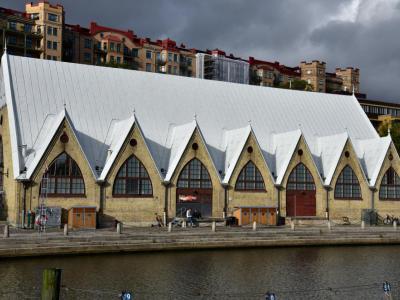
Don't be fooled by its name, Fish Church is not a church, but rather an indoor fish market housed in a building that looks like a Neo-Gothic church. Fish Church opened in 1874 to house the city's vibrant fish trade. Fishing is one of Gothenburg's oldest and most enduring trades. Visitors can buy fish that was swimming in the sea just a few hours earlier.
The market features fish, shellfish, and crustaceans. Vendors also serve ready-to-eat snacks and prepared dishes. In addition to the fish market, Fish Church houses a seafood restaurant. The restaurant has outdoor seating with a view of the Rosenlunds Canal.
Swedish architect Victor von Gegerfelt designed Fish Church. At the time, this building was considered futuristic. The interior's large hall doesn't have supporting pillars or walls as the roof's substructure provides the building's support. The building was originally called Fish Hall. However, residents quickly renamed it due to its resemblance to a church.
The market features fish, shellfish, and crustaceans. Vendors also serve ready-to-eat snacks and prepared dishes. In addition to the fish market, Fish Church houses a seafood restaurant. The restaurant has outdoor seating with a view of the Rosenlunds Canal.
Swedish architect Victor von Gegerfelt designed Fish Church. At the time, this building was considered futuristic. The interior's large hall doesn't have supporting pillars or walls as the roof's substructure provides the building's support. The building was originally called Fish Hall. However, residents quickly renamed it due to its resemblance to a church.
11) Hagakyrkan (Haga Church)
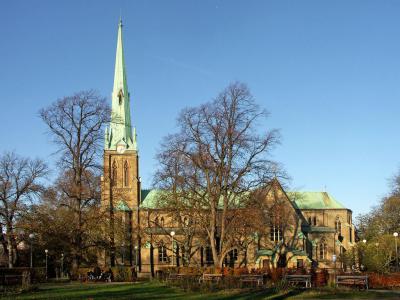
Haga Church (Hagakyrkan), situated in the heart of Gothenburg, is a remarkable example of Neo-Gothic architecture and a testament to the city's rich history. Built in 1859 and consecrated on the first Sunday of Advent, it serves not only as a place of worship but also as a significant symbol of the city's development, particularly in the popular Haga district.
Haga, known for its charming 19th-century ambiance with its picturesque houses, quaint shops, and cozy cafés, was established as Gothenburg's first suburb in the mid-17th century. Despite its early foundation, it took two centuries for the district to have its own church. The construction of Haga Church was made possible through a collaborative effort, with substantial donations from private individuals, municipal support, and a significant contribution from David Carnegie Jr., a Scottish/Swedish businessman.
Carnegie's involvement went beyond financial assistance; he played a crucial role in obtaining blueprints for the church's design from an English organization. Architect Adolf W. Edelsvärd, renowned for his work on Sweden's major railway stations, was tasked with realizing the vision of Haga Church. He adapted the English plans to suit local conditions and infused the church with a distinctive Neo-Gothic style, meticulously designing every aspect of the interior.
The architectural design of Haga Church is notable for its three-aisled basilica structure, cross-shaped ground plan, tri-sided choir room termination, and towering spire that dominates the city skyline. Built with a combination of traditional granite foundation and innovative materials such as cast iron columns, English slate roofing, sandstone frames from Scotland, and yellow bricks from Flensburg, the church showcases a blend of local and international craftsmanship. Behind the church, visitors will find a monument to Raoul Wallenberg, who saved thousands of Hungarian Jews during World War II.
The organ, initially installed in 1861 by Marcussen & Søn for 20,000 Swedish crowns, underwent renovations in 1911 and 1945–1951 by Magnusson organ builders. It was restored to its original condition from 2002 to 2004 by Åkerman & Lund.
Today, Haga Church remains a symbol of the enduring charm of Neo-Gothic architecture and holds a special place in Gothenburg's urban landscape, connecting the city's past with its present.
Haga, known for its charming 19th-century ambiance with its picturesque houses, quaint shops, and cozy cafés, was established as Gothenburg's first suburb in the mid-17th century. Despite its early foundation, it took two centuries for the district to have its own church. The construction of Haga Church was made possible through a collaborative effort, with substantial donations from private individuals, municipal support, and a significant contribution from David Carnegie Jr., a Scottish/Swedish businessman.
Carnegie's involvement went beyond financial assistance; he played a crucial role in obtaining blueprints for the church's design from an English organization. Architect Adolf W. Edelsvärd, renowned for his work on Sweden's major railway stations, was tasked with realizing the vision of Haga Church. He adapted the English plans to suit local conditions and infused the church with a distinctive Neo-Gothic style, meticulously designing every aspect of the interior.
The architectural design of Haga Church is notable for its three-aisled basilica structure, cross-shaped ground plan, tri-sided choir room termination, and towering spire that dominates the city skyline. Built with a combination of traditional granite foundation and innovative materials such as cast iron columns, English slate roofing, sandstone frames from Scotland, and yellow bricks from Flensburg, the church showcases a blend of local and international craftsmanship. Behind the church, visitors will find a monument to Raoul Wallenberg, who saved thousands of Hungarian Jews during World War II.
The organ, initially installed in 1861 by Marcussen & Søn for 20,000 Swedish crowns, underwent renovations in 1911 and 1945–1951 by Magnusson organ builders. It was restored to its original condition from 2002 to 2004 by Åkerman & Lund.
Today, Haga Church remains a symbol of the enduring charm of Neo-Gothic architecture and holds a special place in Gothenburg's urban landscape, connecting the city's past with its present.
12) Lutherska Missionskyrkan (Lutheran Mission Church)
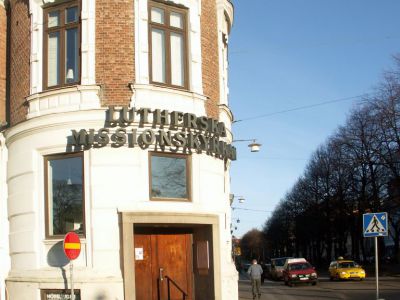
The Lutheran Mission Church (Lutherska Missionskyrkan) in Gothenburg holds a significant place in the city's history and spirituality. Being the oldest church in Gothenburg, it carries a rich heritage and a lively community spirit since its establishment on January 31, 1937.
Operated under the Evangelical Fatherland Foundation (Evangeliska Fosterlands-Stiftelsen - EFS) within the Church of Sweden, the Lutheran Mission Church serves as a vibrant hub for worship and community involvement. With approximately 200 members, the church accommodates people of all ages, including a notable youth presence. This diverse congregation reflects the church's welcoming atmosphere and its dedication to inclusivity.
The church is situated in a three-story building constructed in 1878. Its conversion into a church in 1937, overseen by architect Adrian C. Peterson, marked a significant turning point, transforming it into a place of worship and community gathering. The Sunday service holds a central position in the church's activities, symbolizing the community's commitment to spiritual growth.
Apart from regular services, the church is known for its wide range of activities catering to different interests and age groups, including a vibrant musical scene. Notably, the Lutheran Mission Church Choir, comprising around fifty singers, soloists, and instrumentalists, led by Johanna and Sven Fridolfsson since 1990, has gained national recognition through its original compositions and performances on radio and television.
Operated under the Evangelical Fatherland Foundation (Evangeliska Fosterlands-Stiftelsen - EFS) within the Church of Sweden, the Lutheran Mission Church serves as a vibrant hub for worship and community involvement. With approximately 200 members, the church accommodates people of all ages, including a notable youth presence. This diverse congregation reflects the church's welcoming atmosphere and its dedication to inclusivity.
The church is situated in a three-story building constructed in 1878. Its conversion into a church in 1937, overseen by architect Adrian C. Peterson, marked a significant turning point, transforming it into a place of worship and community gathering. The Sunday service holds a central position in the church's activities, symbolizing the community's commitment to spiritual growth.
Apart from regular services, the church is known for its wide range of activities catering to different interests and age groups, including a vibrant musical scene. Notably, the Lutheran Mission Church Choir, comprising around fifty singers, soloists, and instrumentalists, led by Johanna and Sven Fridolfsson since 1990, has gained national recognition through its original compositions and performances on radio and television.
13) Haga Nygata Street and Haga District (must see)
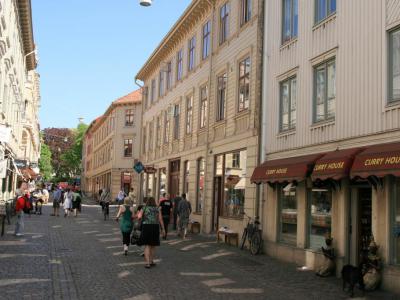
Haga was established in 1648 by Queen Kristina and is one of Gothenburg's oldest neighborhoods. Haga District has charming cobblestone streets and is pedestrian-only. This beautiful area brings visitors back to a simpler time before automobiles. The historic buildings were restored in the 1980s, and Haga Nygata is a popular pedestrian shopping street.
Haga Nygata features many historic homes in addition to popular shops, art galleries, cafes, and restaurants. Visitors will find a variety of independent shops along Haga Nygata. You’ll be able to find unique gifts, treasures for your home, or a sweet treat.
Haga Nygata also has many lovely and tempting cafes. Café Husaren is known for serving incredible plate-sized cinnamon buns. Visitors can enjoy their treats on outdoor terraces. In the spring and summer, the street hosts a weekend farmer's market. In the winter, don't miss the Christmas festivities.
The surrounding Haga District has many well-preserved traditional homes. These historic homes are called Governor's House, with one brick floor and two wood floors. City rules at the time prohibited wood houses that were more than two stories tall, so the brick floor addition was a way to get a larger residence while keeping the rules.
If you need to relax after all that walking and shopping, visit the Hagabadet. This beautiful and relaxing spa first opened in 1876. The spa has a main swimming pool with an exquisite mural and ceiling frescoes.
Haga Nygata features many historic homes in addition to popular shops, art galleries, cafes, and restaurants. Visitors will find a variety of independent shops along Haga Nygata. You’ll be able to find unique gifts, treasures for your home, or a sweet treat.
Haga Nygata also has many lovely and tempting cafes. Café Husaren is known for serving incredible plate-sized cinnamon buns. Visitors can enjoy their treats on outdoor terraces. In the spring and summer, the street hosts a weekend farmer's market. In the winter, don't miss the Christmas festivities.
The surrounding Haga District has many well-preserved traditional homes. These historic homes are called Governor's House, with one brick floor and two wood floors. City rules at the time prohibited wood houses that were more than two stories tall, so the brick floor addition was a way to get a larger residence while keeping the rules.
If you need to relax after all that walking and shopping, visit the Hagabadet. This beautiful and relaxing spa first opened in 1876. The spa has a main swimming pool with an exquisite mural and ceiling frescoes.
14) Naturhistoriska Museet (Natural History Museum)
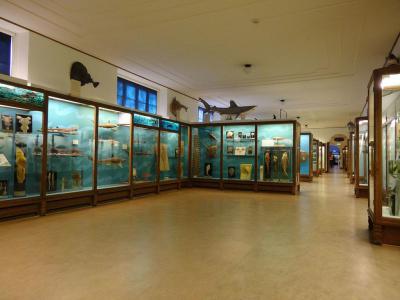
The Gothenburg Natural History Museum, located in the heart of Gothenburg, isn't just a place to see exhibits-it's a journey through the history of nature itself. Established in 1833, it's the oldest museum in the city and holds an incredible collection of around 10 million animals. Among its treasures are a lifelike replica of Lucy, an ancient human ancestor, and a display featuring a blue whale, making it a must-visit for anyone interested in science and education.
Visitors to the museum can explore the story of life on Earth, from tiny single-celled organisms to majestic creatures like African elephants, which are proudly displayed in the mammal hall. You can learn about human evolution, explore the insides of a whale, and discover a wide range of meticulously curated animal specimens.
Education is a top priority for the museum. They use detailed models to explain different scientific concepts and offer talks by experts on various topics related to natural history. Their mobile app is particularly innovative, allowing visitors to hear stories narrated by the animals themselves and participate in quizzes to test their knowledge.
For those who prefer a more traditional experience, the museum offers guided tours led by knowledgeable staff. And when you need a break, the museum café is the perfect spot to relax with sandwiches, cakes, and lunches made from local and organic ingredients, reflecting the museum's commitment to sustainability. Don't forget to stop by the museum shop on your way out to pick up some unique souvenirs.
Visitors to the museum can explore the story of life on Earth, from tiny single-celled organisms to majestic creatures like African elephants, which are proudly displayed in the mammal hall. You can learn about human evolution, explore the insides of a whale, and discover a wide range of meticulously curated animal specimens.
Education is a top priority for the museum. They use detailed models to explain different scientific concepts and offer talks by experts on various topics related to natural history. Their mobile app is particularly innovative, allowing visitors to hear stories narrated by the animals themselves and participate in quizzes to test their knowledge.
For those who prefer a more traditional experience, the museum offers guided tours led by knowledgeable staff. And when you need a break, the museum café is the perfect spot to relax with sandwiches, cakes, and lunches made from local and organic ingredients, reflecting the museum's commitment to sustainability. Don't forget to stop by the museum shop on your way out to pick up some unique souvenirs.
15) Oscar Fredrik Church
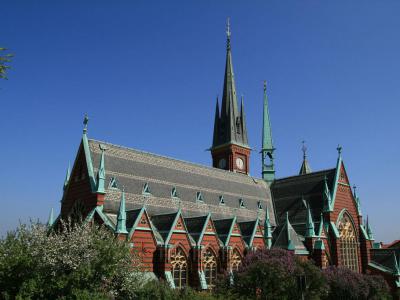
Oscar Fredrik Church, located in Olivedal, Gothenburg, is a striking example of Neo-Gothic architecture. Designed by architect Helgo Zettervall in the 1890s, it deviates from the traditional Nordic Gothic style to mirror the grand cathedrals of Continental Europe. Opening its doors on Easter Sunday in 1893, the church quickly became a significant cultural and spiritual hub within the Gothenburg Oscar Fredrik Parish of the Church of Sweden. Named after King Oscar II, it bears witness to a rich historical legacy intertwined with royal support.
The exterior of the church showcases exquisite craftsmanship, with two-toned bricks arranged in captivating patterns. This intricate brickwork, along with carefully designed roof trim and sculpted ornaments, embodies the essence of Neo-Gothic aesthetics. Inside, the church exudes beauty and tranquility, with elegant columns guiding the eye towards vivid biblical paintings and a pulpit restored to its original position during renovations in 1978, enhancing the spiritual atmosphere.
Over the years, the church has undergone several renovations, including significant changes in 1940 such as the removal of side galleries and alterations to decorative elements. Despite these modifications, its grandeur and spiritual significance have remained intact, evolving while staying true to its architectural heritage.
Today, Oscar Fredrik Church serves not only as a place of worship but also as a historical landmark, drawing worshippers and visitors alike. Its imposing presence against the backdrop of Masthuggetsberget Hill makes it a prominent symbol of architectural beauty and a guardian of Sweden's cultural and spiritual heritage.
The exterior of the church showcases exquisite craftsmanship, with two-toned bricks arranged in captivating patterns. This intricate brickwork, along with carefully designed roof trim and sculpted ornaments, embodies the essence of Neo-Gothic aesthetics. Inside, the church exudes beauty and tranquility, with elegant columns guiding the eye towards vivid biblical paintings and a pulpit restored to its original position during renovations in 1978, enhancing the spiritual atmosphere.
Over the years, the church has undergone several renovations, including significant changes in 1940 such as the removal of side galleries and alterations to decorative elements. Despite these modifications, its grandeur and spiritual significance have remained intact, evolving while staying true to its architectural heritage.
Today, Oscar Fredrik Church serves not only as a place of worship but also as a historical landmark, drawing worshippers and visitors alike. Its imposing presence against the backdrop of Masthuggetsberget Hill makes it a prominent symbol of architectural beauty and a guardian of Sweden's cultural and spiritual heritage.
16) Masthugg Church
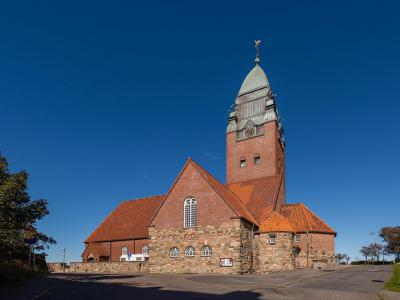
Masthugg Church, inaugurated in 1914, is one of Gothenburg's most distinguished landmarks. Perched on a hill, its red exterior stands out prominently in the cityscape. This spot not only provides visitors with breathtaking views of Gothenburg but also underscores the church's important presence in the city's skyline. The building's distinctive architecture, designed by Sigfrid Ericson in the National Romantic style, follows his victory in a competition against three other architects.
The church is renowned for its 195-foot-tall tower, crowned with a rooster, which elevates it to a remarkable 415 feet above sea level, making it visible from afar. The clock towers, integral to the church's facade, were cast locally around the time of the church's inauguration, further embedding the building within the community's history.
Visitors and worshippers alike are encouraged to explore the church's interior, which is open daily. Inside, one can admire the exquisite altarpiece, a collaborative effort between Sigfrid Ericson, sculptor Ninnan Santesson, and artist Engelbert Bertel-Nordström. This triptych beautifully depicts three pivotal moments: the ascension, Jesus praying in Gethsemane, and the crucifixion. Additionally, the font, introduced in 1991 and designed by architect Arne Tollbom based on Ericson's sketches, merits attention for its integration of modern design with the church's traditional elements.
Beyond its architectural and artistic allure, Masthugg Church serves as a vibrant community hub, hosting activities ranging from Saturday walks to other churches to events focusing on various saints, thereby fostering a sense of community and spiritual reflection. This makes Masthugg Church not only a visual icon of Gothenburg but also a cornerstone of cultural and spiritual activities in the city.
The church is renowned for its 195-foot-tall tower, crowned with a rooster, which elevates it to a remarkable 415 feet above sea level, making it visible from afar. The clock towers, integral to the church's facade, were cast locally around the time of the church's inauguration, further embedding the building within the community's history.
Visitors and worshippers alike are encouraged to explore the church's interior, which is open daily. Inside, one can admire the exquisite altarpiece, a collaborative effort between Sigfrid Ericson, sculptor Ninnan Santesson, and artist Engelbert Bertel-Nordström. This triptych beautifully depicts three pivotal moments: the ascension, Jesus praying in Gethsemane, and the crucifixion. Additionally, the font, introduced in 1991 and designed by architect Arne Tollbom based on Ericson's sketches, merits attention for its integration of modern design with the church's traditional elements.
Beyond its architectural and artistic allure, Masthugg Church serves as a vibrant community hub, hosting activities ranging from Saturday walks to other churches to events focusing on various saints, thereby fostering a sense of community and spiritual reflection. This makes Masthugg Church not only a visual icon of Gothenburg but also a cornerstone of cultural and spiritual activities in the city.
