Custom Walk in Oslo, Norway by lmw5005_62c794 created on 2026-05-10
Guide Location: Norway » Oslo
Guide Type: Custom Walk
# of Sights: 8
Tour Duration: 4 Hour(s)
Travel Distance: 10 Km or 6.2 Miles
Share Key: WDRDA
Guide Type: Custom Walk
# of Sights: 8
Tour Duration: 4 Hour(s)
Travel Distance: 10 Km or 6.2 Miles
Share Key: WDRDA
How It Works
Please retrieve this walk in the GPSmyCity app. Once done, the app will guide you from one tour stop to the next as if you had a personal tour guide. If you created the walk on this website or come to the page via a link, please follow the instructions below to retrieve the walk in the app.
Retrieve This Walk in App
Step 1. Download the app "GPSmyCity: Walks in 1K+ Cities" on Apple App Store or Google Play Store.



Step 2. In the GPSmyCity app, download(or launch) the guide "Oslo Map and Walking Tours".
Step 3. Tap the menu button located at upper right corner of the "Walks" screen and select "Retrieve custom walk". Enter the share key: WDRDA
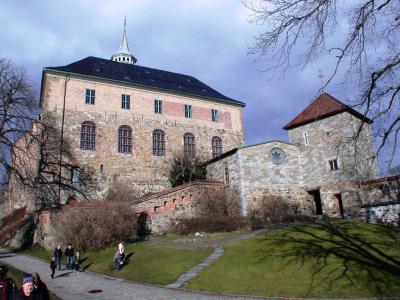
1) Akershus Fortress (must see)
Akershus Fortress (Akershus Festning), also known as Akershus Castle (Akershus Slott), is a medieval fortification in Oslo, central to the history of Norway. The exact date of its construction is unknown but is believed to have started in the late 1290s under King Haakon V. The fortress is the namesake of the county of Akershus, which used to encompass most of Eastern Norway.
Throughout its history, Akershus Fortress has withstood numerous sieges, including those by Swedish and Danish forces between 1308 and 1532. Despite these attacks, the fortress was never captured by a foreign enemy. However, during World War II, it surrendered to Nazi Germany without a fight and later became a site for executions by the German occupiers and post-war trials. The fortress was liberated in 1945 by the Norwegian resistance.
Akershus Castle also served as a royal residence during the Middle Ages, playing a key role in the shift of Norway's capital from Bergen to Oslo. Several notable Norwegian royals, including King Haakon V, resided there. After a significant fire in 1624, King Christian IV ordered the relocation of Oslo closer to the fortress, subsequently renaming the city Christiania. The fortress was modernized into a Renaissance-style castle and continued to function primarily as a palace until the 19th century.
In addition to its military and royal functions, Akershus has also been used as a prison, holding many rebels and criminals throughout its history. Some prisoners were famous, like the notorious criminal and writer Gjest Baardsen, who served there 18 years after being given a life sentence; the legendary bank robber Ole Høiland, who committed suicide at Akershus upon his second internment; and Lars Haetta, who was sentenced to death for rebellion but was later pardoned when he began translating the Christian Bible into Sami.
Today, Akershus Fortress is still a military area but is open to the public daily. Visitors can explore the castle, the Norwegian Armed Forces Museum, and Norway's Resistance Museum. The fortress also houses the Royal Mausoleum, the final resting place for several Norwegian monarchs. The Office of the Norwegian Prime Minister is temporarily located near the fortress, and the site is still guarded by His Majesty the King’s Guard.
Throughout its history, Akershus Fortress has withstood numerous sieges, including those by Swedish and Danish forces between 1308 and 1532. Despite these attacks, the fortress was never captured by a foreign enemy. However, during World War II, it surrendered to Nazi Germany without a fight and later became a site for executions by the German occupiers and post-war trials. The fortress was liberated in 1945 by the Norwegian resistance.
Akershus Castle also served as a royal residence during the Middle Ages, playing a key role in the shift of Norway's capital from Bergen to Oslo. Several notable Norwegian royals, including King Haakon V, resided there. After a significant fire in 1624, King Christian IV ordered the relocation of Oslo closer to the fortress, subsequently renaming the city Christiania. The fortress was modernized into a Renaissance-style castle and continued to function primarily as a palace until the 19th century.
In addition to its military and royal functions, Akershus has also been used as a prison, holding many rebels and criminals throughout its history. Some prisoners were famous, like the notorious criminal and writer Gjest Baardsen, who served there 18 years after being given a life sentence; the legendary bank robber Ole Høiland, who committed suicide at Akershus upon his second internment; and Lars Haetta, who was sentenced to death for rebellion but was later pardoned when he began translating the Christian Bible into Sami.
Today, Akershus Fortress is still a military area but is open to the public daily. Visitors can explore the castle, the Norwegian Armed Forces Museum, and Norway's Resistance Museum. The fortress also houses the Royal Mausoleum, the final resting place for several Norwegian monarchs. The Office of the Norwegian Prime Minister is temporarily located near the fortress, and the site is still guarded by His Majesty the King’s Guard.
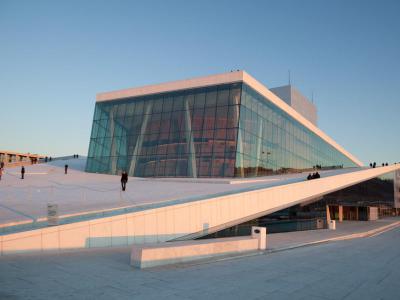
2) Oslo Opera House
The Oslo Opera House is a notable building that hosts the Norwegian National Ballet, the Opera Orchestra, and the Ballet School. Situated right by the harbour, its unique angled, white exterior looks as if it rises from the water, allowing visitors to climb the roof for stunning views of Oslo and the fjord throughout the year.
At street level, large windows offer a peek into rehearsals and workshop activities inside. The interior features mainly oak, and the main hall has a horseshoe shape, similar to traditional theatres. Designed by the Norwegian architecture firm Snøhetta, the building has won several prestigious awards.
The Norwegian National Opera & Ballet offers a diverse program from three stages: The Main House with 1369 seats, the Second House with 400 seats, and the Studio with 200 seats. Additionally, the opera roof and foyer are used for concerts. Guided tours are available in both Norwegian and English.
At street level, large windows offer a peek into rehearsals and workshop activities inside. The interior features mainly oak, and the main hall has a horseshoe shape, similar to traditional theatres. Designed by the Norwegian architecture firm Snøhetta, the building has won several prestigious awards.
The Norwegian National Opera & Ballet offers a diverse program from three stages: The Main House with 1369 seats, the Second House with 400 seats, and the Studio with 200 seats. Additionally, the opera roof and foyer are used for concerts. Guided tours are available in both Norwegian and English.
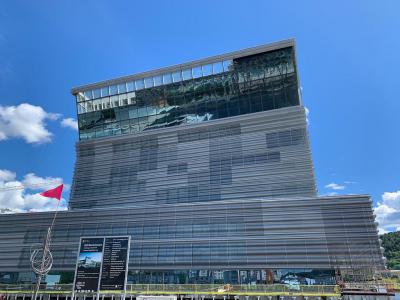
3) Munch Museum (must see)
The Munch Museum, situated in Oslo, is a dedicated art institution that honors the life and artistic creations of Norwegian painter Edvard Munch. His most renowned masterpiece, "The Scream," has transcended into an iconic emblem of global artistry. While Munch's art is profoundly personalized, many of his artworks possess a universally captivating essence, leaving a significant mark on the realm of art. Within the past century, Munch has emerged as arguably the most recognizable Norwegian painter.
The museum's compilation comprises Munch's original works and artifacts, generously bequeathed to the city of Oslo following his demise. Additionally, contributions from his sister Inger Munch, along with various other artworks acquired through the exchange of duplicate prints, enhance the collection.
Presently, the museum's permanent assemblage encompasses well over half of the artist's entire oeuvre, encompassing paintings, prints, sculptures, books, and a range of other items. With a staggering count of over 1,200 paintings, 18,000 prints, six sculptures, 500 plates, 2,240 books, and assorted artifacts, the museum vividly showcases Munch's prolific output. Moreover, the institution accommodates sections dedicated to education and conservation, as well as provisions for the performing arts.
Originally established at Tøyen in 1963, the museum later relocated to its contemporary home in Bjørvika, officially inaugurated on October 22, 2021.
Tip:
Check out the coffee shop (with tables inside and outside) and the gift shop right at the entrance. As an added bonus, you also get to watch interesting videos in the downstairs.
There's a booklet which has a lot of information on many of the important pieces. You can pick it up and turn it back in when you're done.
Once you've paid for your ticket you can access to the exhibition area for the rest of the day.
The museum's compilation comprises Munch's original works and artifacts, generously bequeathed to the city of Oslo following his demise. Additionally, contributions from his sister Inger Munch, along with various other artworks acquired through the exchange of duplicate prints, enhance the collection.
Presently, the museum's permanent assemblage encompasses well over half of the artist's entire oeuvre, encompassing paintings, prints, sculptures, books, and a range of other items. With a staggering count of over 1,200 paintings, 18,000 prints, six sculptures, 500 plates, 2,240 books, and assorted artifacts, the museum vividly showcases Munch's prolific output. Moreover, the institution accommodates sections dedicated to education and conservation, as well as provisions for the performing arts.
Originally established at Tøyen in 1963, the museum later relocated to its contemporary home in Bjørvika, officially inaugurated on October 22, 2021.
Tip:
Check out the coffee shop (with tables inside and outside) and the gift shop right at the entrance. As an added bonus, you also get to watch interesting videos in the downstairs.
There's a booklet which has a lot of information on many of the important pieces. You can pick it up and turn it back in when you're done.
Once you've paid for your ticket you can access to the exhibition area for the rest of the day.
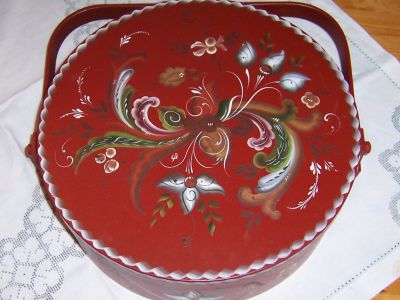
4) Heimen Husfliden
Heimen Husfliden stands as a remarkable enterprise dedicated to crafting distinctive and precious Norwegian and Scandinavian traditional attire, handicrafts, knitting and weaving threads, and needlework embellishments. Their creations are imbued with the richness of time-honored patterns and techniques.
Within their offerings, you'll find an array of garments including sweaters, cardigans, dresses, and jewelry, alongside cozy slippers, blankets, exquisite tapestries, and elegant tablecloths. The collection also extends to encompass floral paintings, intricate wrought iron pieces, and finely crafted tin and wood articles.
A true highlight is the inclusion of the bunad, Norway's national costume. With a legacy spanning 128 years, Heimen Husfliden has firmly established itself as Norway's premier source for bunads. Boasting an impressive selection of over 150 distinct bunads hailing from various corners of Norway, Heimen Husfliden has also assumed the role of the nation's foremost supplier for both bunads and their accompanying accessories.
For those seeking more than mere souvenirs, Heimen Husfliden stores offer a treasure trove of possibilities. Here, one can uncover items that are not only larger in significance but also promise a lasting and cherished memory.
Within their offerings, you'll find an array of garments including sweaters, cardigans, dresses, and jewelry, alongside cozy slippers, blankets, exquisite tapestries, and elegant tablecloths. The collection also extends to encompass floral paintings, intricate wrought iron pieces, and finely crafted tin and wood articles.
A true highlight is the inclusion of the bunad, Norway's national costume. With a legacy spanning 128 years, Heimen Husfliden has firmly established itself as Norway's premier source for bunads. Boasting an impressive selection of over 150 distinct bunads hailing from various corners of Norway, Heimen Husfliden has also assumed the role of the nation's foremost supplier for both bunads and their accompanying accessories.
For those seeking more than mere souvenirs, Heimen Husfliden stores offer a treasure trove of possibilities. Here, one can uncover items that are not only larger in significance but also promise a lasting and cherished memory.
5) Frogner Park (must see)
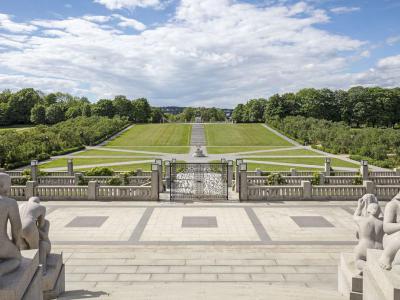
Frogner Park (Frognerparken) resides in the Frogner borough of Oslo, and holds historical ties to Frogner Manor. Situated in the southern part of the park, the manor house now hosts the Oslo City Museum. Both the park and the entire borough draw their names from the aforementioned Frogner Manor.
At the heart of Frogner Park stands the renowned Vigeland (Vigelandsanlegget) installation. This enduring sculpture collection was crafted by Gustav Vigeland throughout the 1920s to 1943. Despite occasional misidentification as the "Vigeland (Sculpture) Park," it's essential to clarify that the Vigeland installation isn't an independent park but rather the name attributed to the sculptures within Frogner Park. These sculptures coexist with substantial structures like bridges and fountains, forming a cohesive artistic landscape.
The earlier version of Frogner Manor's park, established in the 18th century by its proprietor, the distinguished military officer Hans Jacob Scheel, was comparatively smaller and concentrated around the manor house. This park followed baroque design principles. In addition to the sculpture collection, the area accommodates the manor house, an adjacent pavilion, Frognerbadet (the Frogner Baths), and Frogner Stadium. Dominating the park's center is the Frogner Pond.
Encompassing a sprawling 45 hectares, Frogner Park earns the distinction of being the largest park within the city. Notably, the sculpture installation within it holds the distinction of being the world's most expansive collection of sculptures crafted by a single artist. With its annual footfall ranging between 1 to 2 million visitors, Frogner Park ranks as Norway's premier tourist attraction. It remains accessible to the public throughout the year.
Why You Should Visit:
One of the most unique artistic experiences imaginable. Even if you're not into art, Vigeland's opus is amazing.
Each of the five areas offers a different experience and the walk in the park suddenly becomes something totally different and memorable.
Tip:
Check out the rose garden, and if you have time, the Oslo City Museum in the old farm buildings (also free to enter).
If the weather is suitable you could even take a swim in the open air swimming pool.
At the heart of Frogner Park stands the renowned Vigeland (Vigelandsanlegget) installation. This enduring sculpture collection was crafted by Gustav Vigeland throughout the 1920s to 1943. Despite occasional misidentification as the "Vigeland (Sculpture) Park," it's essential to clarify that the Vigeland installation isn't an independent park but rather the name attributed to the sculptures within Frogner Park. These sculptures coexist with substantial structures like bridges and fountains, forming a cohesive artistic landscape.
The earlier version of Frogner Manor's park, established in the 18th century by its proprietor, the distinguished military officer Hans Jacob Scheel, was comparatively smaller and concentrated around the manor house. This park followed baroque design principles. In addition to the sculpture collection, the area accommodates the manor house, an adjacent pavilion, Frognerbadet (the Frogner Baths), and Frogner Stadium. Dominating the park's center is the Frogner Pond.
Encompassing a sprawling 45 hectares, Frogner Park earns the distinction of being the largest park within the city. Notably, the sculpture installation within it holds the distinction of being the world's most expansive collection of sculptures crafted by a single artist. With its annual footfall ranging between 1 to 2 million visitors, Frogner Park ranks as Norway's premier tourist attraction. It remains accessible to the public throughout the year.
Why You Should Visit:
One of the most unique artistic experiences imaginable. Even if you're not into art, Vigeland's opus is amazing.
Each of the five areas offers a different experience and the walk in the park suddenly becomes something totally different and memorable.
Tip:
Check out the rose garden, and if you have time, the Oslo City Museum in the old farm buildings (also free to enter).
If the weather is suitable you could even take a swim in the open air swimming pool.
6) Vigeland Sculpture Park
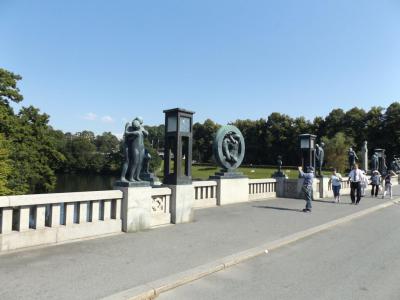
Nestled within Frogner Park, a sprawling green expanse in the western outskirts of the city, lies the Vigeland Sculpture Park. Encompassing an impressive 80 acres, this park boasts a collection of 212 statues, all masterfully crafted by the renowned Norwegian sculptor, Gustav Vigeland. Adjacent to the park is the Vigeland Museum, a repository for many of the artist’s smaller sculptures and paintings. These two attractions came into being when Vigeland generously gifted several of his works to the city of Oslo in 1919. Following meticulous planning, the park was unveiled to the public in the year 1940.
At the heart of the park takes center stage a bridge that stretches from the Main Gate to the focal point, the Fountain sculpture. Along this bridge route, a third of the park's sculptures are gracefully displayed, each adorned in striking bronze. Notably, the beloved Angry Boy sculpture can be admired here. Culminating the bridge's path is the Fountain-an elaborate bronze Gothic masterpiece originally conceived for a location outside the Norwegian Parliament. This splendid sculpture is encircled by an expansive mosaic showcasing bold black and white designs.
Crowning the highest elevation within the park is the Monolith, indisputably the most celebrated attraction. Purposefully positioned, this colossal granite tower, hewn from a singular massive rock, showcases an assembly of over one hundred intricately carved human figures. The park has served as a wellspring of inspiration for music, literature, and even made a notable appearance in the successful Norwegian independent film 'Elling'. As a welcoming gift to the public, this park remains accessible throughout daylight hours all year round.
Tip:
Combine with the Vigeland Museum located right outside the park. Do it on the same day so that you can compare what you saw in the park to what you see in the museum.
At the heart of the park takes center stage a bridge that stretches from the Main Gate to the focal point, the Fountain sculpture. Along this bridge route, a third of the park's sculptures are gracefully displayed, each adorned in striking bronze. Notably, the beloved Angry Boy sculpture can be admired here. Culminating the bridge's path is the Fountain-an elaborate bronze Gothic masterpiece originally conceived for a location outside the Norwegian Parliament. This splendid sculpture is encircled by an expansive mosaic showcasing bold black and white designs.
Crowning the highest elevation within the park is the Monolith, indisputably the most celebrated attraction. Purposefully positioned, this colossal granite tower, hewn from a singular massive rock, showcases an assembly of over one hundred intricately carved human figures. The park has served as a wellspring of inspiration for music, literature, and even made a notable appearance in the successful Norwegian independent film 'Elling'. As a welcoming gift to the public, this park remains accessible throughout daylight hours all year round.
Tip:
Combine with the Vigeland Museum located right outside the park. Do it on the same day so that you can compare what you saw in the park to what you see in the museum.
7) Norwegian Museum of Cultural History (must see)
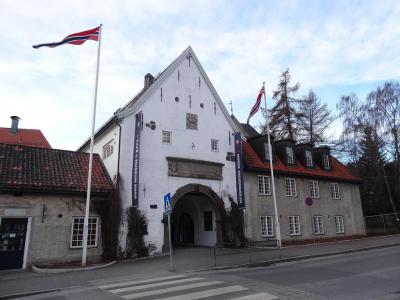
Situated in Oslo, the Norwegian Museum of Cultural History (Norsk Folkemuseum) stands as a repository of cultural heritage. Its extensive assortment comprises artifacts from diverse societal segments and geographical regions within the country. A highlight of the museum is its expansive open-air section featuring over 150 structures sourced from urban and rural locales.
Nestled on the Bygdøy peninsula, the Norwegian Museum of Cultural History finds itself in close proximity to a cluster of fellow museums, including the Viking Ship Museum, the Fram Museum, the Kon-Tiki Museum, and the Norwegian Maritime Museum.
Originating in 1894 under the guidance of librarian and historian Hans Aall (1869–1946), the museum's inception saw the construction of temporary exhibition edifices and the relocation of numerous rural structures. The museum officially welcomed the public in 1901. In a significant development, the collections of King Oscar II, located nearby, were integrated into the museum in 1907. At its core stands a collection of five transplanted buildings, with the iconic Gol Stave Church leading the way. This ensemble is hailed as the world's inaugural open-air museum, established in 1881.
The museum features notable structures like the 13th-century Gol Stave Church, merged into Norsk Folkemuseum in 1907. Among five medieval buildings displayed, there's the 14th-century Rauland farmhouse, a tenement from 15 Wessels gate (1865) with seven flats showcasing 19th to 20th-century interiors. One flat mimics a 2002 Pakistani immigrant family's living space. In 1951, Norsk Folkemuseum acquired Sami collections from the University of Oslo's Ethnographic Museum.
Enriching its holdings, the museum boasts an expansive photographic archive, a substantial portion of which comprises works by the renowned photographer Anders Beer Wilse (1865–1949). Throughout its existence, the museum has been a hub of research, delving into areas such as architecture, furnishings, attire, textiles, technological and societal customs, agriculture, collective memory, and Sami culture.
Why You Should Visit:
To get a keen insight into Norwegian life across hundreds of years.
Tip:
Plan to spend at least 3-4 hours to give this skansen/museum justice.
It is worth taking the free guided tours (about 1h) for the interesting info about the buildings and cultural history.
Nestled on the Bygdøy peninsula, the Norwegian Museum of Cultural History finds itself in close proximity to a cluster of fellow museums, including the Viking Ship Museum, the Fram Museum, the Kon-Tiki Museum, and the Norwegian Maritime Museum.
Originating in 1894 under the guidance of librarian and historian Hans Aall (1869–1946), the museum's inception saw the construction of temporary exhibition edifices and the relocation of numerous rural structures. The museum officially welcomed the public in 1901. In a significant development, the collections of King Oscar II, located nearby, were integrated into the museum in 1907. At its core stands a collection of five transplanted buildings, with the iconic Gol Stave Church leading the way. This ensemble is hailed as the world's inaugural open-air museum, established in 1881.
The museum features notable structures like the 13th-century Gol Stave Church, merged into Norsk Folkemuseum in 1907. Among five medieval buildings displayed, there's the 14th-century Rauland farmhouse, a tenement from 15 Wessels gate (1865) with seven flats showcasing 19th to 20th-century interiors. One flat mimics a 2002 Pakistani immigrant family's living space. In 1951, Norsk Folkemuseum acquired Sami collections from the University of Oslo's Ethnographic Museum.
Enriching its holdings, the museum boasts an expansive photographic archive, a substantial portion of which comprises works by the renowned photographer Anders Beer Wilse (1865–1949). Throughout its existence, the museum has been a hub of research, delving into areas such as architecture, furnishings, attire, textiles, technological and societal customs, agriculture, collective memory, and Sami culture.
Why You Should Visit:
To get a keen insight into Norwegian life across hundreds of years.
Tip:
Plan to spend at least 3-4 hours to give this skansen/museum justice.
It is worth taking the free guided tours (about 1h) for the interesting info about the buildings and cultural history.
8) Gol Stave Church
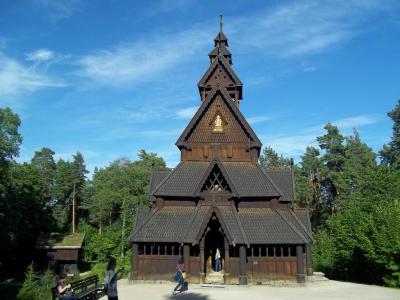
The Gol Stave Church finds its home within the Norwegian Museum of Cultural History, situated in an open-air 'skansen' or dynamic living museum, showcasing a collection of historic structures from all corners of the nation. Originating from the early 13th century, this church embodies the architectural style of a stave church, characterized by its intricate timber-framed design with multiple tiers. While stave churches were once prevalent in medieval Scandinavia, only a handful remain unspoiled through time.
Initially erected in the quaint village of Gol in Southern Norway, the church's fate took a fortunate turn when the Society for the Preservation of Ancient Norwegian Monuments intervened in 1880. They acquired the structure, rescuing it from imminent demolition. Its journey led it to its current abode within the Museum of Cultural History. This relocation was facilitated by King Oscar II, who not only procured the church but also integrated it into his open-air museum. Over time, this merged with the church's present location.
As one of the finest-preserved timber churches in the entire country, the Gol Stave Church stands out as a remarkable highlight within the museum's offerings. Its popularity is such that a modern replica was established in its original hometown of Gol. This replica, constructed in the 1980s, pays homage to the original church that was displaced a century earlier, replaced by a new structure.
Why You Should Visit:
Great to start your learning about Norway's old churches in an intimate atmosphere.
Numerous runic inscriptions & carvings dated to the early Middle Ages can be seen inside!
Initially erected in the quaint village of Gol in Southern Norway, the church's fate took a fortunate turn when the Society for the Preservation of Ancient Norwegian Monuments intervened in 1880. They acquired the structure, rescuing it from imminent demolition. Its journey led it to its current abode within the Museum of Cultural History. This relocation was facilitated by King Oscar II, who not only procured the church but also integrated it into his open-air museum. Over time, this merged with the church's present location.
As one of the finest-preserved timber churches in the entire country, the Gol Stave Church stands out as a remarkable highlight within the museum's offerings. Its popularity is such that a modern replica was established in its original hometown of Gol. This replica, constructed in the 1980s, pays homage to the original church that was displaced a century earlier, replaced by a new structure.
Why You Should Visit:
Great to start your learning about Norway's old churches in an intimate atmosphere.
Numerous runic inscriptions & carvings dated to the early Middle Ages can be seen inside!
