Custom Walk in Tallinn, Estonia by jwo4159997 created on 2026-05-20
Guide Location: Estonia » Tallinn
Guide Type: Custom Walk
# of Sights: 5
Tour Duration: 1 Hour(s)
Travel Distance: 1.9 Km or 1.2 Miles
Share Key: K9F3V
Guide Type: Custom Walk
# of Sights: 5
Tour Duration: 1 Hour(s)
Travel Distance: 1.9 Km or 1.2 Miles
Share Key: K9F3V
How It Works
Please retrieve this walk in the GPSmyCity app. Once done, the app will guide you from one tour stop to the next as if you had a personal tour guide. If you created the walk on this website or come to the page via a link, please follow the instructions below to retrieve the walk in the app.
Retrieve This Walk in App
Step 1. Download the app "GPSmyCity: Walks in 1K+ Cities" on Apple App Store or Google Play Store.



Step 2. In the GPSmyCity app, download(or launch) the guide "Tallinn Map and Walking Tours".
Step 3. Tap the menu button located at upper right corner of the "Walks" screen and select "Retrieve custom walk". Enter the share key: K9F3V
1) Toompea Hill (must see)
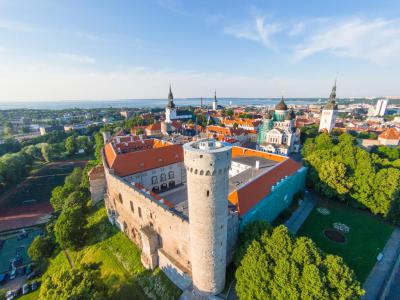
Rising about 20 to 30 meters above the surrounding city, Toompea Hill has long been the political and symbolic center of Tallinn. This limestone plateau has served as a defensive stronghold since medieval times, its elevated position offering both protection and wide views over the harbor and surrounding lands. In Estonian mythology, the hill is said to be the burial mound of the legendary king Kalev, raised by his wife Linda, whose tears are believed to have formed nearby Lake Ülemiste.
At the heart of the hill stands Toompea Castle, now home to Estonia’s parliament. The castle incorporates medieval foundations with later Baroque additions, including its distinctive pink façade completed in the 18th century. Rising above it is the Tall Hermann Tower, first built in the 14th century and still used for the daily raising and lowering of the Estonian flag. Nearby, the ornate Alexander Nevsky Cathedral adds a contrasting architectural presence with its 19th-century Russian Orthodox design.
Walking through Toompea, the setting feels more formal and contained than the lower town. Streets are lined with government buildings, embassies, and historic residences. Saint Mary's Cathedral, dating back to the 13th century and one of the oldest churches in Estonia, survived a major fire in 1684 that reshaped much of the hill. Inside, medieval coats of arms and memorials reflect centuries of noble influence and religious life.
Along the edges of the hill, several viewpoints open out across the city. These vantage points highlight the historic divide between the upper town and the merchant quarters below, while also offering one of the most complete views of Tallinn’s layout.
At the heart of the hill stands Toompea Castle, now home to Estonia’s parliament. The castle incorporates medieval foundations with later Baroque additions, including its distinctive pink façade completed in the 18th century. Rising above it is the Tall Hermann Tower, first built in the 14th century and still used for the daily raising and lowering of the Estonian flag. Nearby, the ornate Alexander Nevsky Cathedral adds a contrasting architectural presence with its 19th-century Russian Orthodox design.
Walking through Toompea, the setting feels more formal and contained than the lower town. Streets are lined with government buildings, embassies, and historic residences. Saint Mary's Cathedral, dating back to the 13th century and one of the oldest churches in Estonia, survived a major fire in 1684 that reshaped much of the hill. Inside, medieval coats of arms and memorials reflect centuries of noble influence and religious life.
Along the edges of the hill, several viewpoints open out across the city. These vantage points highlight the historic divide between the upper town and the merchant quarters below, while also offering one of the most complete views of Tallinn’s layout.
2) Alexander Nevsky Cathedral (must see)
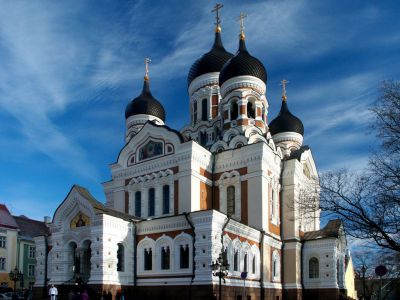
Built between 1894 and 1900 to a design by Mikhail Preobrazhensky, Alexander Nevsky Cathedral reflects the period when Estonia was part of the Russian Empire. It is dedicated to Saint Alexander Nevsky, the Russian prince who secured victory at the Battle of the Ice in 1242 on nearby Lake Peipus.
Its architecture stands in clear contrast to the surrounding medieval cityscape. Designed in the Russian Revival style, the cathedral features onion-shaped domes, richly ornamented façades, and layered decorative details that distinguish it from the Gothic and Baroque buildings nearby. As Tallinn’s largest Orthodox cathedral, its scale and elevated location make it visible from many points across the city.
Inside, the cathedral presents a richly decorated interior typical of Orthodox tradition. Gilded icons, mosaics, and painted surfaces create a dense visual environment, centered around the iconostasis that separates the altar from the nave. The interplay of light and gold surfaces gives the space a distinct atmosphere, differing markedly from the more restrained interiors of Lutheran churches in Estonia. The cathedral’s bells, among the largest in Tallinn, add another defining feature with their deep, resonant sound.
The cathedral’s history has not been without controversy. Built during a period of Russification, it was at times viewed as a symbol of imperial authority, and plans for its demolition were even considered in the 1920s, though never carried out. During the Soviet era, when religious practice declined, the building fell into disrepair. Since Estonia regained independence in 1991, the cathedral has been carefully restored and continues to function as an active place of worship, while also welcoming visitors interested in this distinct chapter of Tallinn’s past.
Its architecture stands in clear contrast to the surrounding medieval cityscape. Designed in the Russian Revival style, the cathedral features onion-shaped domes, richly ornamented façades, and layered decorative details that distinguish it from the Gothic and Baroque buildings nearby. As Tallinn’s largest Orthodox cathedral, its scale and elevated location make it visible from many points across the city.
Inside, the cathedral presents a richly decorated interior typical of Orthodox tradition. Gilded icons, mosaics, and painted surfaces create a dense visual environment, centered around the iconostasis that separates the altar from the nave. The interplay of light and gold surfaces gives the space a distinct atmosphere, differing markedly from the more restrained interiors of Lutheran churches in Estonia. The cathedral’s bells, among the largest in Tallinn, add another defining feature with their deep, resonant sound.
The cathedral’s history has not been without controversy. Built during a period of Russification, it was at times viewed as a symbol of imperial authority, and plans for its demolition were even considered in the 1920s, though never carried out. During the Soviet era, when religious practice declined, the building fell into disrepair. Since Estonia regained independence in 1991, the cathedral has been carefully restored and continues to function as an active place of worship, while also welcoming visitors interested in this distinct chapter of Tallinn’s past.
3) Danish King's Garden
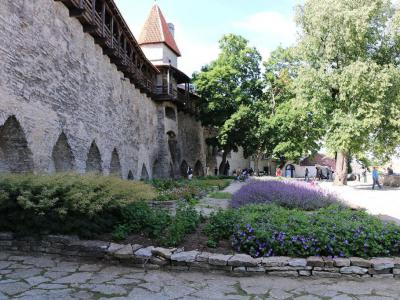
The Danish King's Garden, located in the heart of Tallinn's Old Town, is a historic and picturesque park with rich cultural and historical significance. This serene garden holds a special place in the hearts of both Danes and Estonians due to its association with the legendary origins of the Danish flag, Dannebrog.
Tradition holds that during a critical battle in the Danish invasion, a flag miraculously descended from the heavens, turning the tide in favor of Danish King Valdemar II. This miraculous event, believed to have occurred right in this garden, marked the birth of Dannebrog, which later became the national flag of Denmark. The garden's proximity to Toompea and its location on a slope overlooking Saint Nicholas Church adds to its historical ambiance.
The Danish King's Garden, named in honor of the Danish reign that lasted over a century in Tallinn and northern Estonia, primarily during the 13th century, is a testament to the deep historical connections between Denmark and Estonia. The sculpture "Tuli lipp" ('The Flag Descended') within the garden is a beautiful artistic representation of this legendary event.
Adding to the garden's charm is the sculpture of three monks, accompanied by a light installation and an informational board on the city wall. These elements not only enhance the garden's aesthetic appeal but also provide visitors with insights into the site's historical context.
Every year on June 15th, the garden becomes a center of celebration for Dannebrog Day, commemorating the Danish flag. This annual event is a vibrant reminder of the garden's historical significance and its role in the cultural heritage of both Denmark and Estonia.
Tradition holds that during a critical battle in the Danish invasion, a flag miraculously descended from the heavens, turning the tide in favor of Danish King Valdemar II. This miraculous event, believed to have occurred right in this garden, marked the birth of Dannebrog, which later became the national flag of Denmark. The garden's proximity to Toompea and its location on a slope overlooking Saint Nicholas Church adds to its historical ambiance.
The Danish King's Garden, named in honor of the Danish reign that lasted over a century in Tallinn and northern Estonia, primarily during the 13th century, is a testament to the deep historical connections between Denmark and Estonia. The sculpture "Tuli lipp" ('The Flag Descended') within the garden is a beautiful artistic representation of this legendary event.
Adding to the garden's charm is the sculpture of three monks, accompanied by a light installation and an informational board on the city wall. These elements not only enhance the garden's aesthetic appeal but also provide visitors with insights into the site's historical context.
Every year on June 15th, the garden becomes a center of celebration for Dannebrog Day, commemorating the Danish flag. This annual event is a vibrant reminder of the garden's historical significance and its role in the cultural heritage of both Denmark and Estonia.
4) Katariina Käik (St. Catherine’s Passage) (must see)
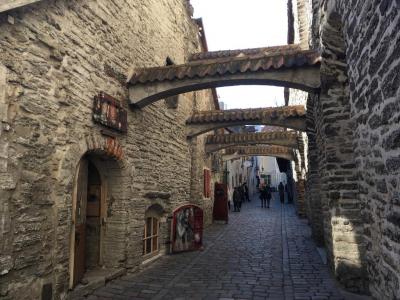
Saint Catherine’s Passage is a narrow medieval lane connecting Vene Street with Müürivahe Street, following the outer wall of the former Dominican monastery. Dating back to the 13th century, the passage developed alongside the monastery complex and preserves sections of its original stonework. Overhead arches linking the buildings were added later to reinforce the structures and remain one of the passage’s defining features.
The passage takes its name from Saint Catherine and the adjacent Dominican monastery, founded in 1246. Along the northern section, you can see the remains of the monastery church, one of the oldest surviving ecclesiastical structures in Tallinn. Several tombstones are set directly into the walls. These belonged to burials associated with the monastery and date mainly from the 14th to 16th centuries.
Toward the southern end, the passage becomes a center for traditional crafts. A group of working studios, often referred to as Saint Catherine’s Guild, continues long-established artisanal practices. Here, visitors can observe glass-blowing, ceramics, leatherwork, and textile production, with many workshops maintaining techniques rooted in historical craftsmanship rather than modern mass production.
The passage is short and can be walked in minutes, but it is best explored slowly. Entry points are easy to miss, and the northern section near the monastery remains the most historically intact, while the southern end is more active with workshops. Unlike larger streets in the Old Town, this lane functions more as a preserved corridor than a thoroughfare.
The passage takes its name from Saint Catherine and the adjacent Dominican monastery, founded in 1246. Along the northern section, you can see the remains of the monastery church, one of the oldest surviving ecclesiastical structures in Tallinn. Several tombstones are set directly into the walls. These belonged to burials associated with the monastery and date mainly from the 14th to 16th centuries.
Toward the southern end, the passage becomes a center for traditional crafts. A group of working studios, often referred to as Saint Catherine’s Guild, continues long-established artisanal practices. Here, visitors can observe glass-blowing, ceramics, leatherwork, and textile production, with many workshops maintaining techniques rooted in historical craftsmanship rather than modern mass production.
The passage is short and can be walked in minutes, but it is best explored slowly. Entry points are easy to miss, and the northern section near the monastery remains the most historically intact, while the southern end is more active with workshops. Unlike larger streets in the Old Town, this lane functions more as a preserved corridor than a thoroughfare.
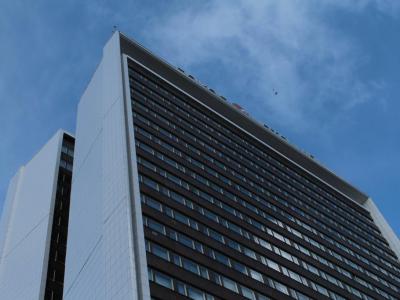
5) KGB Museum
The KGB Museum in Tallinn offers a fascinating glimpse into the complex and often secretive history of the Soviet era, particularly focusing on the intriguing story of the Viru Hotel. Built in 1972, the luxurious Viru Hotel was a symbol of Soviet prestige, intended for foreign guests. It was also a hub of covert operations by the Soviet state security organs, the KGB.
A distinctive feature of the hotel was its top floor, which was off-limits to the public and shrouded in mystery. Soviet managers claimed this floor housed only technical rooms. However, with the collapse of the Soviet Union and the KGB's hasty departure in the early 1990s, the true nature of these rooms was revealed. They were found to contain sophisticated, almost cinematic, listening devices reminiscent of James Bond movies, used for surveillance and espionage.
The museum, located on the 23rd floor of the Hotel Viru, has been preserved exactly as the KGB left it. This includes the infamous "technical rooms," now ironically marked with signs saying “There’s nothing here” in English and Estonian, echoing the dismissive official responses of the Soviet era.
The guided tours at the KGB Museum are not just about showcasing the remnants of surveillance technology. They delve into the peculiarities of life under Soviet rule, covering aspects such as espionage, sex work, and even the culinary aspects of the occupation era. The museum serves as a treasury of stories contrasting the idealized Soviet propaganda – portraying a society of content citizens under wise leadership, free of accidents or disasters – with the harsher realities of everyday life in the Soviet Union.
A distinctive feature of the hotel was its top floor, which was off-limits to the public and shrouded in mystery. Soviet managers claimed this floor housed only technical rooms. However, with the collapse of the Soviet Union and the KGB's hasty departure in the early 1990s, the true nature of these rooms was revealed. They were found to contain sophisticated, almost cinematic, listening devices reminiscent of James Bond movies, used for surveillance and espionage.
The museum, located on the 23rd floor of the Hotel Viru, has been preserved exactly as the KGB left it. This includes the infamous "technical rooms," now ironically marked with signs saying “There’s nothing here” in English and Estonian, echoing the dismissive official responses of the Soviet era.
The guided tours at the KGB Museum are not just about showcasing the remnants of surveillance technology. They delve into the peculiarities of life under Soviet rule, covering aspects such as espionage, sex work, and even the culinary aspects of the occupation era. The museum serves as a treasury of stories contrasting the idealized Soviet propaganda – portraying a society of content citizens under wise leadership, free of accidents or disasters – with the harsher realities of everyday life in the Soviet Union.
