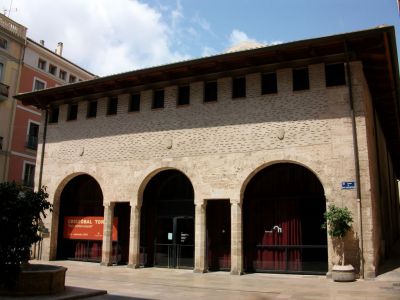


Almudin de Valencia (Almudin Museum), Valencia
The Almudín is one of Valencia’s finest bits of Gothic architecture-and proof that even a grain warehouse can have a dramatic second act...
Built in the early 1300s on the remains of a former Muslim fortress, it began life with a very practical job: storing the city’s grain. Its name comes from the Arabic word “almud,” which means a unit used to measure cereals-so, yes, this elegant historic monument was once deeply concerned with wheat.
Over the 15th and 16th centuries, the building grew more refined. A covered courtyard was added, along with a basilica-like roof, giving the place the air of a small temple devoted not to saints, but to supply chains... Inside, frescoes still recall its working life, showing scenes from the grain market, along with saints linked to the guilds that once did business here.
Then, in 1908, the Almudín changed careers entirely and became the Municipal Museum of Paleontology. For decades, it housed fossils-because apparently, after grain, the next logical step would be dinosaurs... The collection stayed here until 1991, when concerns about the building’s safety led to its removal.
After restoration, the Almudín reopened in 1996 as a temporary exhibition space. Since then, it has hosted works by names such as Salvador Dalí, Yoko Ono, and Eduardo Chillida, along with displays on world cultures and traditions.
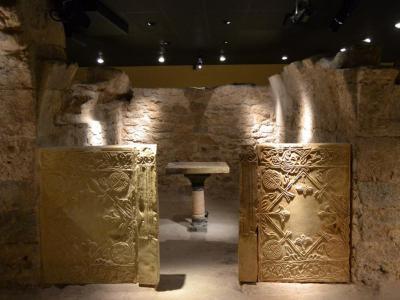
Today, the Almudín continues to mix art, history, and archaeology under one roof. Visitors can see traces of Iberian, Visigothic, Roman, and Islamic Valencia, including an 11th-century Islamic water trough. Tucked into the historic center, it’s a compact but rewarding stop-and a reminder that in Valencia, even the old grain store has layers...
Built in the early 1300s on the remains of a former Muslim fortress, it began life with a very practical job: storing the city’s grain. Its name comes from the Arabic word “almud,” which means a unit used to measure cereals-so, yes, this elegant historic monument was once deeply concerned with wheat.
Over the 15th and 16th centuries, the building grew more refined. A covered courtyard was added, along with a basilica-like roof, giving the place the air of a small temple devoted not to saints, but to supply chains... Inside, frescoes still recall its working life, showing scenes from the grain market, along with saints linked to the guilds that once did business here.
Then, in 1908, the Almudín changed careers entirely and became the Municipal Museum of Paleontology. For decades, it housed fossils-because apparently, after grain, the next logical step would be dinosaurs... The collection stayed here until 1991, when concerns about the building’s safety led to its removal.
After restoration, the Almudín reopened in 1996 as a temporary exhibition space. Since then, it has hosted works by names such as Salvador Dalí, Yoko Ono, and Eduardo Chillida, along with displays on world cultures and traditions.
Today, the Almudín continues to mix art, history, and archaeology under one roof. Visitors can see traces of Iberian, Visigothic, Roman, and Islamic Valencia, including an 11th-century Islamic water trough. Tucked into the historic center, it’s a compact but rewarding stop-and a reminder that in Valencia, even the old grain store has layers...
Want to visit this sight? Check out these Self-Guided Walking Tours in Valencia. Alternatively, you can download the mobile app "GPSmyCity: Walks in 1K+ Cities" from Apple App Store or Google Play Store. The app turns your mobile device to a personal tour guide and it works offline, so no data plan is needed when traveling abroad.
Download The GPSmyCity App



Almudin de Valencia (Almudin Museum) on Map
Sight Name: Almudin de Valencia (Almudin Museum)
Sight Location: Valencia, Spain (See walking tours in Valencia)
Sight Type: Museum/Gallery
Guide(s) Containing This Sight:
Sight Location: Valencia, Spain (See walking tours in Valencia)
Sight Type: Museum/Gallery
Guide(s) Containing This Sight:
Nearby Sights

Walking Tours in Valencia, Spain

Create Your Own Walk in Valencia
Creating your own self-guided walk in Valencia is easy and fun. Choose the city attractions that you want to see and a walk route map will be created just for you. You can even set your hotel as the start point of the walk.
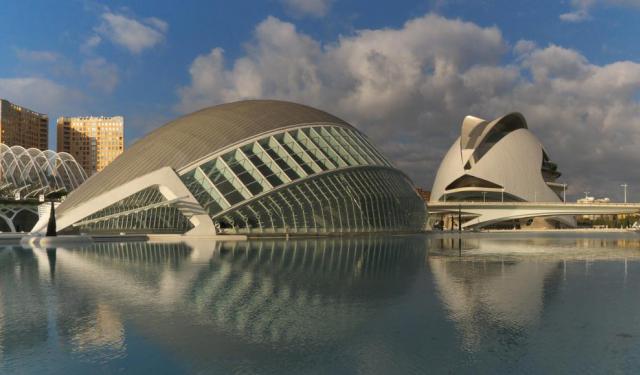
Contemporary Architecture Walk
With one foot in the past and the other planted firmly in the future, Valencia manages a balancing act few European cities can pull off. Gothic bell towers, Baroque façades, bustling markets, and centuries-old plazas all share the stage with structures that look as though they were delivered directly from the year 2150. Among the city’s many architectural personalities, contemporary design... view more
Tour Duration: 1 Hour(s)
Travel Distance: 1.4 Km or 0.9 Miles
Tour Duration: 1 Hour(s)
Travel Distance: 1.4 Km or 0.9 Miles
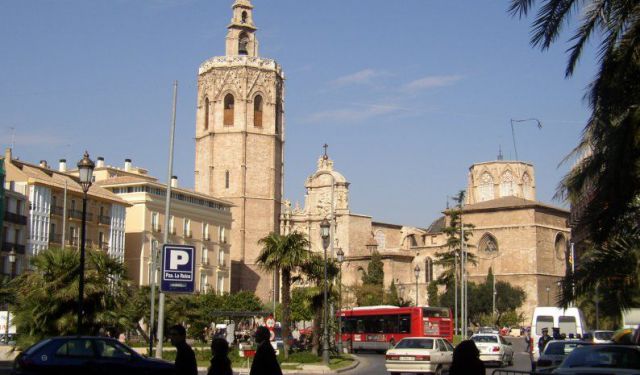
Valencia Old Town Walking Tour
Valencia’s Old Town is the sort of place where the Romans, Moors, medieval merchants, Gothic builders, Baroque decorators, and modern shoppers all seem to have comfortably found their place (albeit at different times). Beneath today’s squares, Roman streets and forum remains sit quietly underground, while above them, the city’s Islamic-era street plan still winds and twists, refusing to... view more
Tour Duration: 2 Hour(s)
Travel Distance: 3.0 Km or 1.9 Miles
Tour Duration: 2 Hour(s)
Travel Distance: 3.0 Km or 1.9 Miles
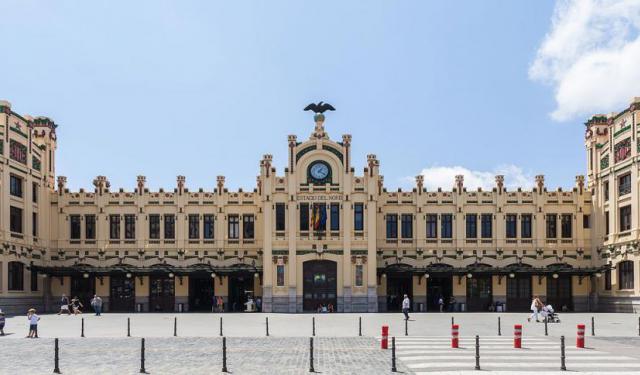
Valencia Top Attractions Walking Tour
Valencia, Spain’s third-largest city, has been around since 138 BC, when it was founded by the Romans as a colony for battle-tested veterans. Known then as Valentia, which means “valor,” it honored the courage of its first inhabitants. The city was destroyed in 75 BC by Pompey the Great, but was rebuilt within a century, later becoming home to Visigoths and then the Moors, who transformed... view more
Tour Duration: 2 Hour(s)
Travel Distance: 3.0 Km or 1.9 Miles
Tour Duration: 2 Hour(s)
Travel Distance: 3.0 Km or 1.9 Miles
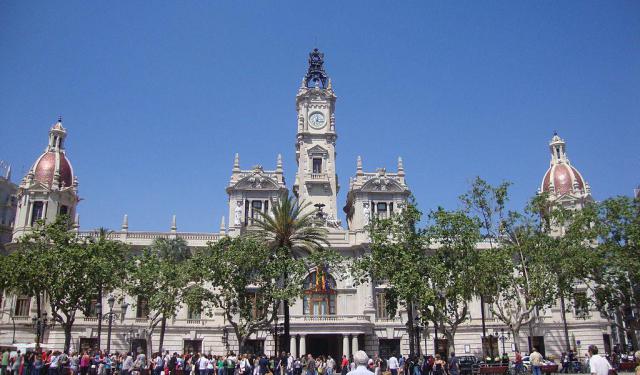
Valencia's Classical Architecture Tour
In Valencia, the architecture tells you right away-this city has layers. Indeed, this is not just a coastal getaway with sunshine, beaches, and a well-earned reputation for paella. Beneath the bright skies, “Spain’s Third Capital” reveals a rich and sometimes surprising blend of styles, bold in contrast yet delicate in detail. Nowhere is this more visible than in the Old Town, where nearly... view more
Tour Duration: 2 Hour(s)
Travel Distance: 3.3 Km or 2.1 Miles
Tour Duration: 2 Hour(s)
Travel Distance: 3.3 Km or 2.1 Miles