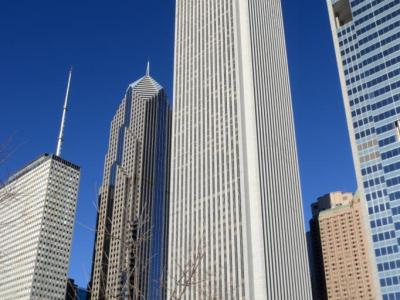


Aon Center, Chicago
Aon Center is a striking feature of the city's skyline, distinguished by its clean, white stone facade that sets it apart from the surrounding steel-and-glass towers. Completed in 1973, this 1,136-foot-tall skyscraper was originally conceived as the Standard Oil Building, designed by architect Edward Durell Stone, known for his unique take on Modernism. The building's monumental presence was intended to reflect the stature of Standard Oil of Indiana, which sought a new headquarters at the prominent site at the head of Grant Park, previously occupied by industrial structures.
The architectural approach for Aon Center was innovative for its time, utilizing a structural form that combined an inner core with perimeter columns to create a robust, open floor plan. This method, which also influenced the design of the Willis (Sears) Tower, featured a tube-like arrangement where the inner core housed elevators and services, while the outer columns and trusses provided structural support. This design allowed for large, open office spaces and a distinctive architectural profile.
The building's original cladding, made of white Carrara marble, was a nod to classical elegance but proved problematic. The marble could not withstand the harsh weather conditions of Chicago, leading to cracks and deterioration. As a result, the entire facade was re-faced with durable granite in the early 1990s, at significant expense, to restore the building's appearance and functionality.
In 1985, Standard Oil became Amoco, and the building was known as the Amoco Building until its sale in 1998. The new owner rebranded the skyscraper as Aon Center after one of its major tenants, reflecting the building's ongoing role as a central fixture in Chicago's commercial landscape. Despite the changes over the years, Aon Center remains a testament to both architectural ambition and the challenges of maintaining iconic structures in a dynamic urban environment.
The architectural approach for Aon Center was innovative for its time, utilizing a structural form that combined an inner core with perimeter columns to create a robust, open floor plan. This method, which also influenced the design of the Willis (Sears) Tower, featured a tube-like arrangement where the inner core housed elevators and services, while the outer columns and trusses provided structural support. This design allowed for large, open office spaces and a distinctive architectural profile.
The building's original cladding, made of white Carrara marble, was a nod to classical elegance but proved problematic. The marble could not withstand the harsh weather conditions of Chicago, leading to cracks and deterioration. As a result, the entire facade was re-faced with durable granite in the early 1990s, at significant expense, to restore the building's appearance and functionality.
In 1985, Standard Oil became Amoco, and the building was known as the Amoco Building until its sale in 1998. The new owner rebranded the skyscraper as Aon Center after one of its major tenants, reflecting the building's ongoing role as a central fixture in Chicago's commercial landscape. Despite the changes over the years, Aon Center remains a testament to both architectural ambition and the challenges of maintaining iconic structures in a dynamic urban environment.
Want to visit this sight? Check out these Self-Guided Walking Tours in Chicago. Alternatively, you can download the mobile app "GPSmyCity: Walks in 1K+ Cities" from Apple App Store or Google Play Store. The app turns your mobile device to a personal tour guide and it works offline, so no data plan is needed when traveling abroad.
Download The GPSmyCity App



Aon Center on Map
Sight Name: Aon Center
Sight Location: Chicago, USA (See walking tours in Chicago)
Sight Type: Attraction/Landmark
Sight Location: Chicago, USA (See walking tours in Chicago)
Sight Type: Attraction/Landmark
Nearby Sights

Walking Tours in Chicago, Illinois

Create Your Own Walk in Chicago
Creating your own self-guided walk in Chicago is easy and fun. Choose the city attractions that you want to see and a walk route map will be created just for you. You can even set your hotel as the start point of the walk.
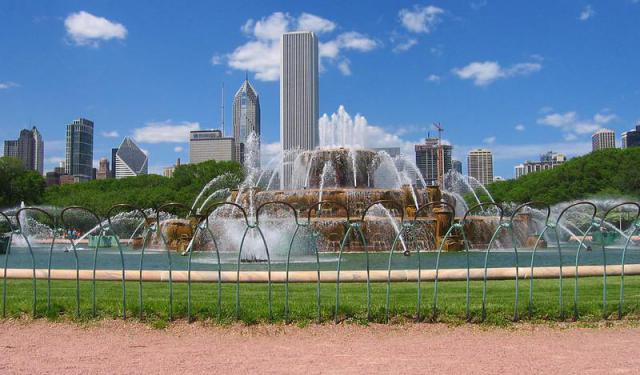
Millennium and Grant Parks Walking Tour
If Chicago had a living room, it would be Grant Park - and if it had a shiny new media room, that would definitely be Millennium Park. These two sprawling green spaces hug the lakeshore like the city’s favorite blanket, offering locals and tourists alike a perfect blend of nature, art, and architecture with a side of skyline.
Let’s start with the elder of the two - Grant Park, established... view more
Tour Duration: 2 Hour(s)
Travel Distance: 2.7 Km or 1.7 Miles
Let’s start with the elder of the two - Grant Park, established... view more
Tour Duration: 2 Hour(s)
Travel Distance: 2.7 Km or 1.7 Miles
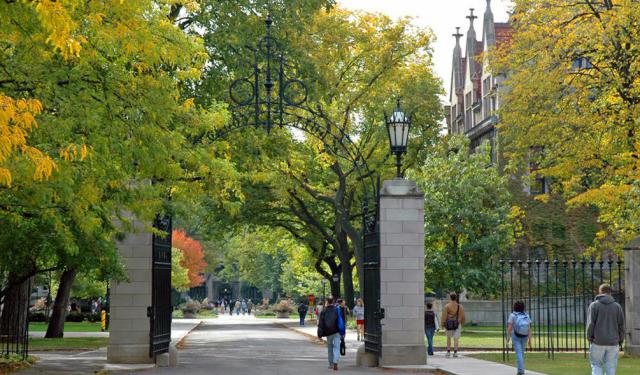
University of Chicago Walking Tour
Founded in 1890, the University of Chicago is among the world’s most prestigious educational institutions. As of 2020, the University’s students, faculty and staff have included 100 Nobel laureates, giving it the fourth-most affiliated Nobel laureates of any university.
Set in the heart of Chicago’s famous eclectic neighborhood, Hyde Park, the campus is worth a visit as it offers a... view more
Tour Duration: 2 Hour(s)
Travel Distance: 2.5 Km or 1.6 Miles
Set in the heart of Chicago’s famous eclectic neighborhood, Hyde Park, the campus is worth a visit as it offers a... view more
Tour Duration: 2 Hour(s)
Travel Distance: 2.5 Km or 1.6 Miles
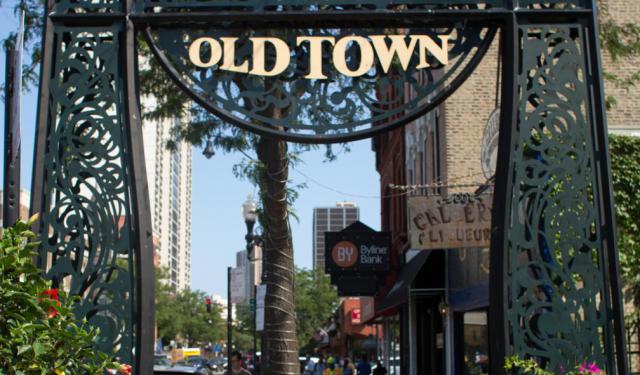
Chicago Old Town Walking Tour
Settled in 1850 by German immigrants, Chicago’s Old Town neighborhood is a popular destination for locals and visitors who cater to the entertainment venues, restaurants, pubs, coffee shops and boutiques – all of which have turned an area once referred to as the “Cabbage Patch” into an attraction that rivals Navy Pier, Wrigley Field and the Magnificent Mile.
Start your Old Town walking... view more
Tour Duration: 2 Hour(s)
Travel Distance: 2.6 Km or 1.6 Miles
Start your Old Town walking... view more
Tour Duration: 2 Hour(s)
Travel Distance: 2.6 Km or 1.6 Miles
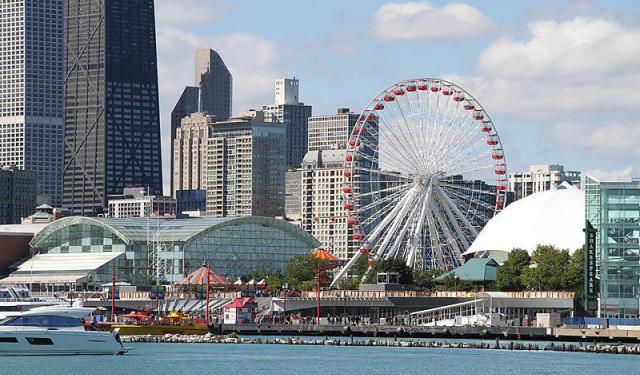
Chicago Navy Pier Walking Tour
Additional to scenic views of the lake, the boats, and the city skyline, the Navy Pier offers a variety of attractions on the waterfront – for kids as well as adults – that draw nearly ten million people annually, making this Chicago's most visited spot. Yes, some may see it as a “tourist trap”, but it is worth the time and money to spend some time here, so take this self-guided walk... view more
Tour Duration: 1 Hour(s)
Travel Distance: 1.0 Km or 0.6 Miles
Tour Duration: 1 Hour(s)
Travel Distance: 1.0 Km or 0.6 Miles
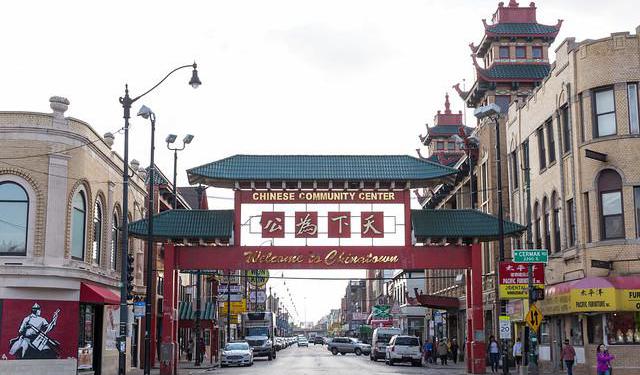
Chicago Chinatown Walking Tour
Tucked away just south of the Loop, the Chinatown of Chicago was established in 1912 and is considered one of the best examples of American Chinatown. While it may be one of Chicago’s smallest neighborhoods geographically, it is big on character, colors, sights, sounds, and flavors. Here, you’ll find a wide range of unique boutiques, specialty shops, religious sights, authentic Chinese... view more
Tour Duration: 1 Hour(s)
Travel Distance: 1.7 Km or 1.1 Miles
Tour Duration: 1 Hour(s)
Travel Distance: 1.7 Km or 1.1 Miles
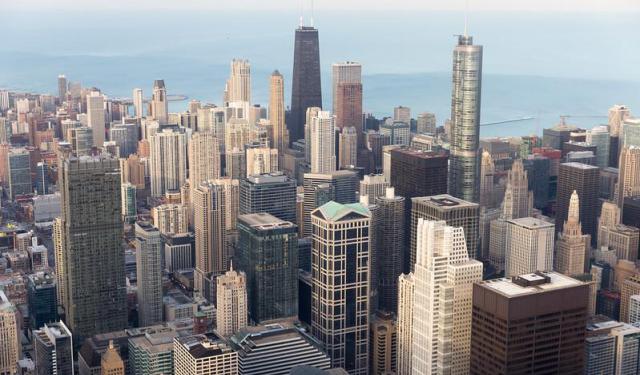
Loop District Architecture Walking Tour
The Chicago Loop District-essentially the city’s historic downtown-has long been a stage for architectural innovation and an open-air museum of American architecture.
The construction boom started after the Great Chicago Fire of 1871, which destroyed much of the central business district, gave architects a blank canvas to rebuild the city from the ground up. What followed was a surge of... view more
Tour Duration: 3 Hour(s)
Travel Distance: 4.7 Km or 2.9 Miles
The construction boom started after the Great Chicago Fire of 1871, which destroyed much of the central business district, gave architects a blank canvas to rebuild the city from the ground up. What followed was a surge of... view more
Tour Duration: 3 Hour(s)
Travel Distance: 4.7 Km or 2.9 Miles
Useful Travel Guides for Planning Your Trip

Chicago Souvenirs: 15 Distinct Local Products to Bring Home
One of the most fascinating cities in the U.S., if not the whole world, Chicago has no shortage of things closely associated with it, often due to their direct origin (blues, gangstership, etc.), so one might literally be spoiled for choice as to what to choose as a "piece" of Chicago to...