

Baltimore Holocaust Memorial, Baltimore
The Baltimore Holocaust Memorial serves as a poignant reminder of the atrocities committed during the Holocaust. The memorial is the result of two decades of hard work by Baltimore residents who raised funds and secured public support for its creation.
The origins of the Baltimore Holocaust Memorial can be traced back to the 1970s, when a ninth grade Baltimore Hebrew class told their teacher that they didn’t believe the Holocaust occurred. This moment marked the beginning of a campaign by Alvin Fisher to have a memorial to Holocaust victims constructed in Baltimore.
By 1976, the Baltimore Jewish Council took up the project and began raising funds, and by 1980, the memorial was designed at a cost of $300,000 by Donald Kann of Kann and Associates and Arthur Valk of Valk Design Associates.
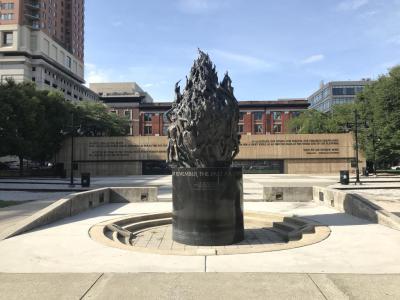
The Baltimore Holocaust Memorial consists of three parts, including a large grassy mound planted with trees, two 80 x 19 feet cantilevered blocks of bleached, gray-white concrete, and a grassy mall behind the blocks. One wall features the memorial's consecration as well as a list of the 32 camps where the victims of the Holocaust died.
In 1988, the flame sculpture on the memorial was dedicated specifically to Kristallnacht, the Night of Broken Glass. Seven years later in 1995, the memorial had severely deteriorated, and the Jewish Council supported a redesigned memorial.
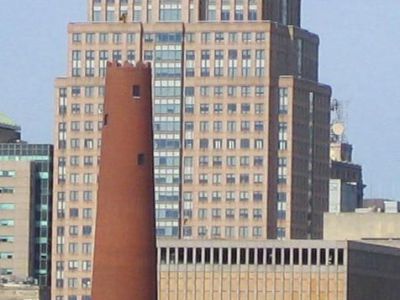
The design of the memorial is both striking and symbolic. It reflects the literal meaning of the word "Holocaust" as destruction by fire, and depicts the emaciated bodies of victims in a ball of flame. Though the design is quite startling, the memorial's supporters hoped that it would help convey their message of remembrance.
The base of the sculpture features the famous words of George Santayana, reminding visitors that those who do not remember the past are destined to repeat it.
In addition to the flame sculpture, the Baltimore Holocaust Memorial features a variety of other symbols and images that communicate the importance of remembrance.
Vintage railroad tracks symbolize the vast railway system that transported millions of victims to their deaths, while a black fence evokes the aura of a concentration camp. The sides of two massive concrete blocks feature quotes by Holocaust survivor and author Primo Levi.
Today, the Baltimore Holocaust Memorial stands as a powerful reminder of the need to remember the past and to prevent such atrocities from happening again in the future.
The origins of the Baltimore Holocaust Memorial can be traced back to the 1970s, when a ninth grade Baltimore Hebrew class told their teacher that they didn’t believe the Holocaust occurred. This moment marked the beginning of a campaign by Alvin Fisher to have a memorial to Holocaust victims constructed in Baltimore.
By 1976, the Baltimore Jewish Council took up the project and began raising funds, and by 1980, the memorial was designed at a cost of $300,000 by Donald Kann of Kann and Associates and Arthur Valk of Valk Design Associates.
The Baltimore Holocaust Memorial consists of three parts, including a large grassy mound planted with trees, two 80 x 19 feet cantilevered blocks of bleached, gray-white concrete, and a grassy mall behind the blocks. One wall features the memorial's consecration as well as a list of the 32 camps where the victims of the Holocaust died.
In 1988, the flame sculpture on the memorial was dedicated specifically to Kristallnacht, the Night of Broken Glass. Seven years later in 1995, the memorial had severely deteriorated, and the Jewish Council supported a redesigned memorial.
The design of the memorial is both striking and symbolic. It reflects the literal meaning of the word "Holocaust" as destruction by fire, and depicts the emaciated bodies of victims in a ball of flame. Though the design is quite startling, the memorial's supporters hoped that it would help convey their message of remembrance.
The base of the sculpture features the famous words of George Santayana, reminding visitors that those who do not remember the past are destined to repeat it.
In addition to the flame sculpture, the Baltimore Holocaust Memorial features a variety of other symbols and images that communicate the importance of remembrance.
Vintage railroad tracks symbolize the vast railway system that transported millions of victims to their deaths, while a black fence evokes the aura of a concentration camp. The sides of two massive concrete blocks feature quotes by Holocaust survivor and author Primo Levi.
Today, the Baltimore Holocaust Memorial stands as a powerful reminder of the need to remember the past and to prevent such atrocities from happening again in the future.
Want to visit this sight? Check out these Self-Guided Walking Tours in Baltimore. Alternatively, you can download the mobile app "GPSmyCity: Walks in 1K+ Cities" from Apple App Store or Google Play Store. The app turns your mobile device to a personal tour guide and it works offline, so no data plan is needed when traveling abroad.
Download The GPSmyCity App



Baltimore Holocaust Memorial on Map
Sight Name: Baltimore Holocaust Memorial
Sight Location: Baltimore, USA (See walking tours in Baltimore)
Sight Type: Attraction/Landmark
Sight Location: Baltimore, USA (See walking tours in Baltimore)
Sight Type: Attraction/Landmark
Nearby Sights
Walking Tours in Baltimore, Maryland

Create Your Own Walk in Baltimore
Creating your own self-guided walk in Baltimore is easy and fun. Choose the city attractions that you want to see and a walk route map will be created just for you. You can even set your hotel as the start point of the walk.
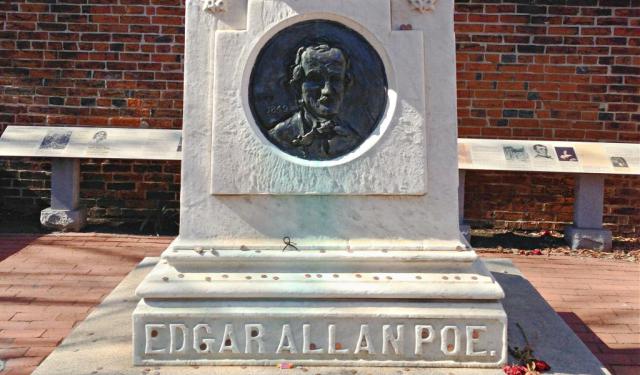
Edgar Allan Poe’s Baltimore
“Deep into that darkness peering, long I stood there wondering, fearing…” wrote Edgar Allan Poe, a line that could just as easily describe his final, mysterious days in Baltimore, the city most closely tied to his life and death.
Edgar Allan Poe was an American writer and poet best known for his tales of mystery, horror, and psychological depth. Although his family had roots in Baltimore,... view more
Tour Duration: 2 Hours
Travel Distance: 5.5 Km or 3.4 Miles
Edgar Allan Poe was an American writer and poet best known for his tales of mystery, horror, and psychological depth. Although his family had roots in Baltimore,... view more
Tour Duration: 2 Hours
Travel Distance: 5.5 Km or 3.4 Miles
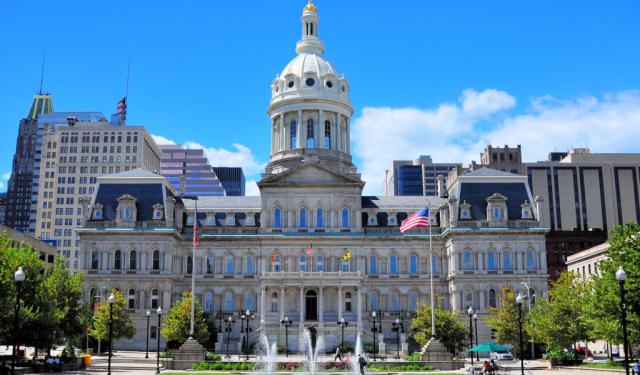
Baltimore Downtown Walking Tour
Before the city fully wakes, picture a harbor under fire, the night sky lit by explosions, and a single question hanging in the smoke: can the flag still be seen at dawn? In 1814, as the bombardment of Fort McHenry came to an end, Francis Scott Key, an American lawyer and poet, looked out and found his answer: “O say can you see, by the dawn’s early light…” From that moment, Baltimore... view more
Tour Duration: 2 Hours
Travel Distance: 3.6 Km or 2.2 Miles
Tour Duration: 2 Hours
Travel Distance: 3.6 Km or 2.2 Miles
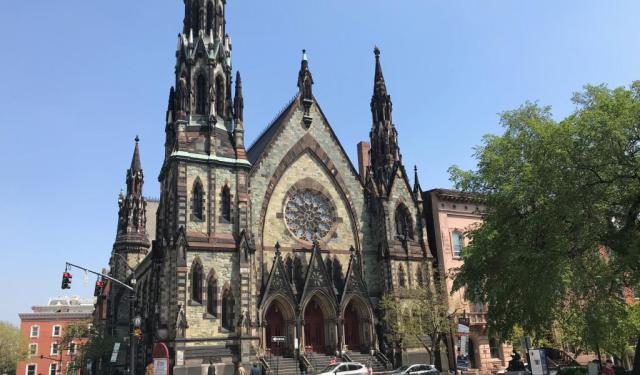
Baltimore's Architectural Jewels
Overall, Baltimore's architecture is a testament to the city's rich and varied history, showcasing a wide range of styles and cultural influences that have shaped the local built environment over the centuries. Outside Federal-style row houses and grand Beaux-Arts museums, Baltimore is also known for a multitude of Art Deco buildings and temples of various styles, constructed between the... view more
Tour Duration: 2 Hours
Travel Distance: 3.9 Km or 2.4 Miles
Tour Duration: 2 Hours
Travel Distance: 3.9 Km or 2.4 Miles
City Walks Overview
