

Audio Guide: Baltimore Downtown Walking Tour (Self Guided), Baltimore
Before the city fully wakes, picture a harbor under fire, the night sky lit by explosions, and a single question hanging in the smoke: can the flag still be seen at dawn? In 1814, as the bombardment of Fort McHenry came to an end, Francis Scott Key, an American lawyer and poet, looked out and found his answer: “O say can you see, by the dawn’s early light…” From that moment, Baltimore became the place where a nation’s most enduring song began.
Baltimore, located in the U.S. state of Maryland, developed as one of the country’s most important port cities, shaped by trade, industry, and immigration. The city was officially founded in 1729 as a port for shipping tobacco, one of Maryland’s main exports at the time. Its position along the Patapsco River, leading into the Chesapeake Bay, gave it a natural advantage for maritime commerce.
The name “Baltimore” comes from Cecil Calvert, the English nobleman who was the proprietor of the Maryland colony. He inherited the title from his father, George Calvert, the first Baron Baltimore. During the American Revolutionary War, Baltimore emerged as a center of privateering and shipbuilding, supporting the colonial cause. Its strategic importance continued into the War of 1812, when British forces attempted to capture the city.
In the 19th century, Baltimore expanded rapidly as an industrial and transportation hub. The opening of the Baltimore and Ohio Railroad in 1827, the first commercial railroad in the United States, strengthened its role as a gateway between the eastern seaboard and the interior.
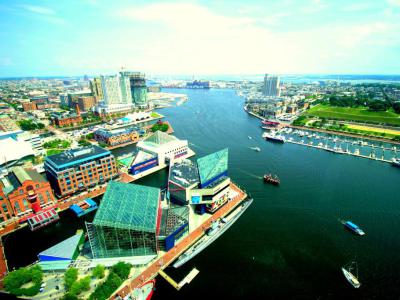
The city also faced challenges, including economic shifts and urban decline in the 20th century, as manufacturing jobs decreased and suburbanization drew residents away from the center. However, redevelopment efforts, especially around the Inner Harbor in the late 20th century, helped transform Baltimore into a center for tourism, culture, and services.
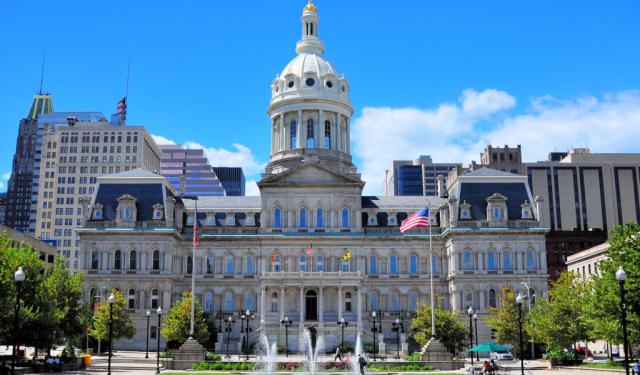
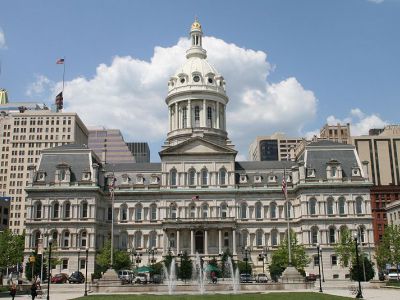
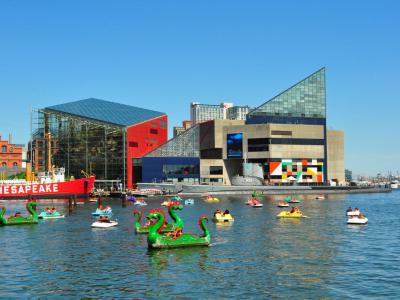
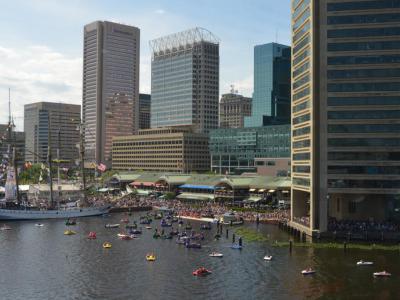
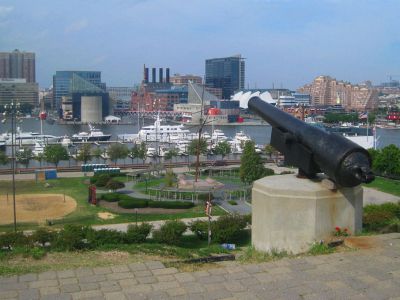
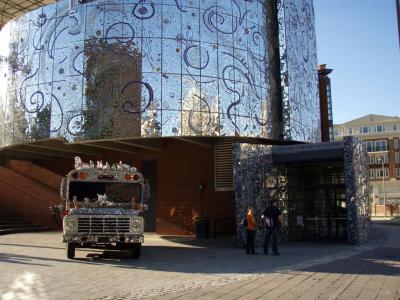
Walking through downtown Baltimore, visitors encounter a mix of culture and waterfront views. Start at the Walters Art Museum, then pass Baltimore City Hall with its grand dome. The route leads toward the Inner Harbor Waterfront Promenade, where the National Aquarium in Baltimore draws crowds with its marine exhibits. Nearby, the American Visionary Art Museum offers quirky creations, while the Top of the World Observation Level provides city views and harbor scenery all around.
Today, Baltimore remains a city of resilience that continues to wave its culture and revitalized spirit for all to see. From the historic ramparts of Fort McHenry to the modern heights of the Inner Harbor, the answer to Key’s famous question remains a resounding yes, the broad stripes and bright stars of Baltimore's legacy still shine through the dawn of a new era.
Baltimore, located in the U.S. state of Maryland, developed as one of the country’s most important port cities, shaped by trade, industry, and immigration. The city was officially founded in 1729 as a port for shipping tobacco, one of Maryland’s main exports at the time. Its position along the Patapsco River, leading into the Chesapeake Bay, gave it a natural advantage for maritime commerce.
The name “Baltimore” comes from Cecil Calvert, the English nobleman who was the proprietor of the Maryland colony. He inherited the title from his father, George Calvert, the first Baron Baltimore. During the American Revolutionary War, Baltimore emerged as a center of privateering and shipbuilding, supporting the colonial cause. Its strategic importance continued into the War of 1812, when British forces attempted to capture the city.
In the 19th century, Baltimore expanded rapidly as an industrial and transportation hub. The opening of the Baltimore and Ohio Railroad in 1827, the first commercial railroad in the United States, strengthened its role as a gateway between the eastern seaboard and the interior.
The city also faced challenges, including economic shifts and urban decline in the 20th century, as manufacturing jobs decreased and suburbanization drew residents away from the center. However, redevelopment efforts, especially around the Inner Harbor in the late 20th century, helped transform Baltimore into a center for tourism, culture, and services.
Walking through downtown Baltimore, visitors encounter a mix of culture and waterfront views. Start at the Walters Art Museum, then pass Baltimore City Hall with its grand dome. The route leads toward the Inner Harbor Waterfront Promenade, where the National Aquarium in Baltimore draws crowds with its marine exhibits. Nearby, the American Visionary Art Museum offers quirky creations, while the Top of the World Observation Level provides city views and harbor scenery all around.
Today, Baltimore remains a city of resilience that continues to wave its culture and revitalized spirit for all to see. From the historic ramparts of Fort McHenry to the modern heights of the Inner Harbor, the answer to Key’s famous question remains a resounding yes, the broad stripes and bright stars of Baltimore's legacy still shine through the dawn of a new era.
How it works: Download the app "GPSmyCity: Walks in 1K+ Cities" from Apple App Store or Google Play Store to your mobile phone or tablet. The app turns your mobile device into a personal tour guide and its built-in GPS navigation functions guide you from one tour stop to next. The app works offline, so no data plan is needed when traveling abroad.
Download The GPSmyCity App



Baltimore Downtown Walking Tour Map
Guide Name: Baltimore Downtown Walking Tour
Guide Location: USA » Baltimore (See other walking tours in Baltimore)
Guide Type: Self-guided Walking Tour (Sightseeing)
Tour Duration: 2 Hour(s)
Travel Distance: 3.6 Km or 2.2 Miles
Tour Best Suited For: First-time visit
Guide Location: USA » Baltimore (See other walking tours in Baltimore)
Guide Type: Self-guided Walking Tour (Sightseeing)
Tour Duration: 2 Hour(s)
Travel Distance: 3.6 Km or 2.2 Miles
Tour Best Suited For: First-time visit
Sights Featured in This Walk
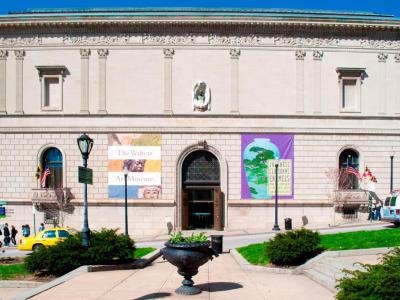
2) Walters Art Museum (must see)
Walking Tours in Baltimore, Maryland

Create Your Own Walk in Baltimore
Creating your own self-guided walk in Baltimore is easy and fun. Choose the city attractions that you want to see and a walk route map will be created just for you. You can even set your hotel as the start point of the walk.
Baltimore's Architectural Jewels
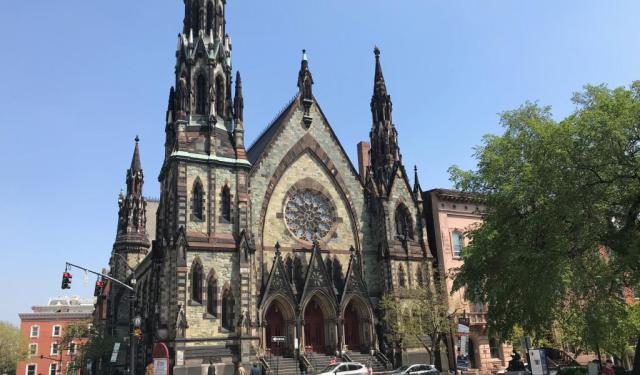
Overall, Baltimore's architecture is a testament to the city's rich and varied history, showcasing a wide range of styles and cultural influences that have shaped the local built environment over the centuries. Outside Federal-style row houses and grand Beaux-Arts museums, Baltimore is also known for a multitude of Art Deco buildings and temples of various styles, constructed between the... view more
Tour Duration: 2 Hour(s)
Travel Distance: 3.9 Km or 2.4 Miles
Tour Duration: 2 Hour(s)
Travel Distance: 3.9 Km or 2.4 Miles
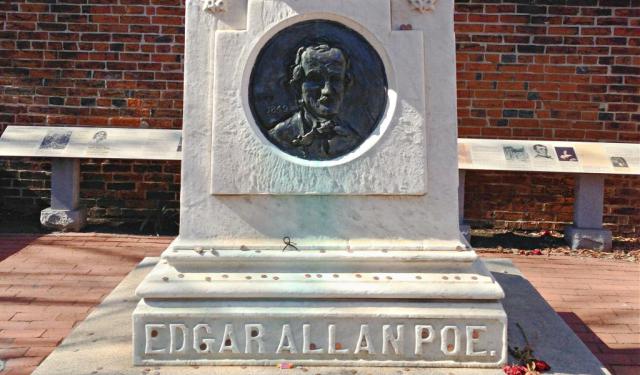
Edgar Allan Poe’s Baltimore
“Deep into that darkness peering, long I stood there wondering, fearing…” wrote Edgar Allan Poe, a line that could just as easily describe his final, mysterious days in Baltimore, the city most closely tied to his life and death.
Edgar Allan Poe was an American writer and poet best known for his tales of mystery, horror, and psychological depth. Although his family had roots in Baltimore,... view more
Tour Duration: 2 Hour(s)
Travel Distance: 5.5 Km or 3.4 Miles
Edgar Allan Poe was an American writer and poet best known for his tales of mystery, horror, and psychological depth. Although his family had roots in Baltimore,... view more
Tour Duration: 2 Hour(s)
Travel Distance: 5.5 Km or 3.4 Miles
The Most Popular Cities
/ view all