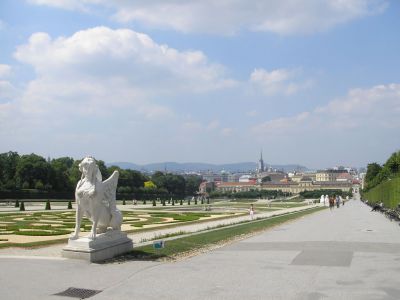


Belvedere Gardens, Vienna
Nestled between the Lower and Upper Belvedere Palaces, the Belvedere Gardens serve as a connecting thread, often humorously likened to the "extra crunchy peanut butter layer between two grand palatial slices," or a vibrant splash of color amidst the austere Baroque white-walled architecture.
While these gardens are situated in Vienna, they exude a distinct Versailles ambiance, spanning three expansive terraces, albeit on a more modest scale compared to their French counterpart. The gardens were designed in the classic French style by Dominique Girard, who had received formal training at Versailles. Their construction commenced in 1700, shortly after Prince Eugene acquired the land. Due to an unexpected setback, the gardens weren't finished until the 1720s. The delay was caused by the person in charge of the main fountain's foundations, who left early one Friday and never returned as promised.
Initially, the gardens boasted intricate geometric designs delineated by flower beds and meticulously pruned ornamental conifers, alongside exquisite statuary. At a later point, the prince introduced a zoo to the premises. While much of the statuary has endured the passage of centuries, the meticulously designed flower beds, sadly, did not. Over time, the gardens underwent a renaissance and now boast well-maintained grounds, though not fully recreating their original formal look.
Nonetheless, they are meticulously kept and offer much to appreciate, even in winter. Within less than one acre of space, one can find thousands of plants, while the pools and elegant fountains evoke echoes of the original grandeur. The sculpted hedges and cherubic statues all appear immaculate. Additionally, the area houses the Alpine garden and a garden affiliated with the University of Vienna. Open to the public without charge, this area is an absolute must-visit for garden enthusiasts.
Tip:
Particularly good in warmer seasons, in part because of the operating fountains.
There are plenty of hidden spaces to sit down and rest for a while – shaded, quiet and just what you need after a walk around the garden.
Most people focus on the terraced area between the two palaces, but go round the Upper Belvedere to find a small lake – the southernmost point is the place to take an iconic photo. The water reflects the front of the palace and looks particularly spectacular at night, even more so when the Christmas market occupies the palace forecourt.
While these gardens are situated in Vienna, they exude a distinct Versailles ambiance, spanning three expansive terraces, albeit on a more modest scale compared to their French counterpart. The gardens were designed in the classic French style by Dominique Girard, who had received formal training at Versailles. Their construction commenced in 1700, shortly after Prince Eugene acquired the land. Due to an unexpected setback, the gardens weren't finished until the 1720s. The delay was caused by the person in charge of the main fountain's foundations, who left early one Friday and never returned as promised.
Initially, the gardens boasted intricate geometric designs delineated by flower beds and meticulously pruned ornamental conifers, alongside exquisite statuary. At a later point, the prince introduced a zoo to the premises. While much of the statuary has endured the passage of centuries, the meticulously designed flower beds, sadly, did not. Over time, the gardens underwent a renaissance and now boast well-maintained grounds, though not fully recreating their original formal look.
Nonetheless, they are meticulously kept and offer much to appreciate, even in winter. Within less than one acre of space, one can find thousands of plants, while the pools and elegant fountains evoke echoes of the original grandeur. The sculpted hedges and cherubic statues all appear immaculate. Additionally, the area houses the Alpine garden and a garden affiliated with the University of Vienna. Open to the public without charge, this area is an absolute must-visit for garden enthusiasts.
Tip:
Particularly good in warmer seasons, in part because of the operating fountains.
There are plenty of hidden spaces to sit down and rest for a while – shaded, quiet and just what you need after a walk around the garden.
Most people focus on the terraced area between the two palaces, but go round the Upper Belvedere to find a small lake – the southernmost point is the place to take an iconic photo. The water reflects the front of the palace and looks particularly spectacular at night, even more so when the Christmas market occupies the palace forecourt.
Want to visit this sight? Check out these Self-Guided Walking Tours in Vienna. Alternatively, you can download the mobile app "GPSmyCity: Walks in 1K+ Cities" from Apple App Store or Google Play Store. The app turns your mobile device to a personal tour guide and it works offline, so no data plan is needed when traveling abroad.
Download The GPSmyCity App



Belvedere Gardens on Map
Sight Name: Belvedere Gardens
Sight Location: Vienna, Austria (See walking tours in Vienna)
Sight Type: Attraction/Landmark
Sight Location: Vienna, Austria (See walking tours in Vienna)
Sight Type: Attraction/Landmark
Nearby Sights

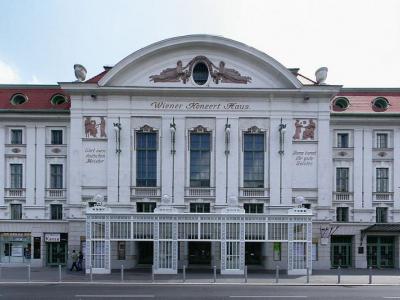
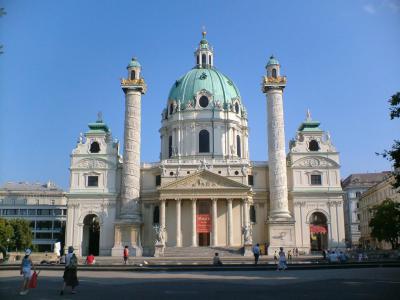
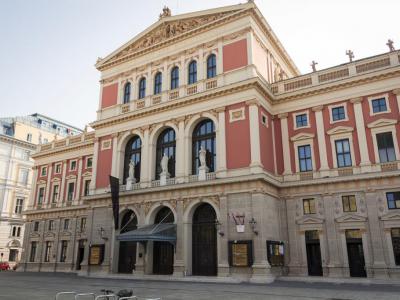
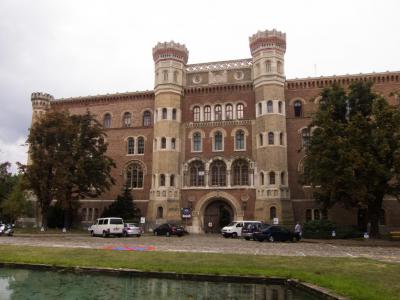
Walking Tours in Vienna, Austria

Create Your Own Walk in Vienna
Creating your own self-guided walk in Vienna is easy and fun. Choose the city attractions that you want to see and a walk route map will be created just for you. You can even set your hotel as the start point of the walk.
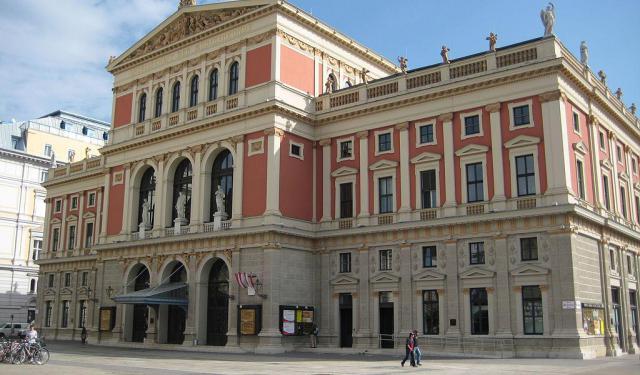
Vienna's Historical Music Venues
Austria is synonymous with classical music almost to the point of obsession, and to call Vienna the "Musical Capital of the World" would be hardly an exaggeration. Indeed, over the past centuries, the city served as the home and workplace for many great musicians like Wolfgang Amadeus Mozart, Ludwig van Beethoven, Johann Strauss, Joseph Haydn, Franz Schubert, and others.
Among the... view more
Tour Duration: 2 Hour(s)
Travel Distance: 3.0 Km or 1.9 Miles
Among the... view more
Tour Duration: 2 Hour(s)
Travel Distance: 3.0 Km or 1.9 Miles
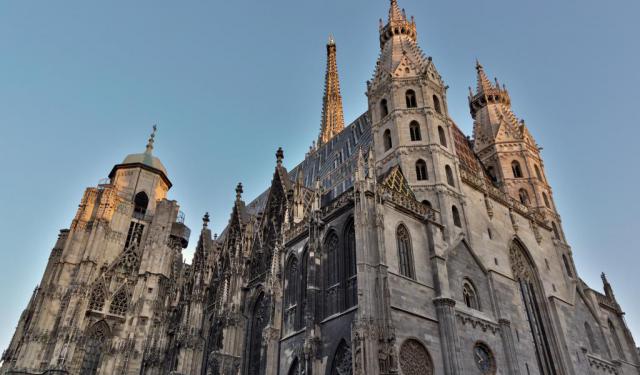
Old Town Churches Walking Tour
"Vienna is the city of miracles and music" – Whoever said that must have emphasized Vienna's close association with the Christian faith. The intertwining of Christian heritage and artistry in the Austrian capital finds expression primarily in its magnificent churches.
Sitting at "the crossroads of Christian traditions", Vienna is home to various Christian... view more
Tour Duration: 2 Hour(s)
Travel Distance: 3.9 Km or 2.4 Miles
Sitting at "the crossroads of Christian traditions", Vienna is home to various Christian... view more
Tour Duration: 2 Hour(s)
Travel Distance: 3.9 Km or 2.4 Miles
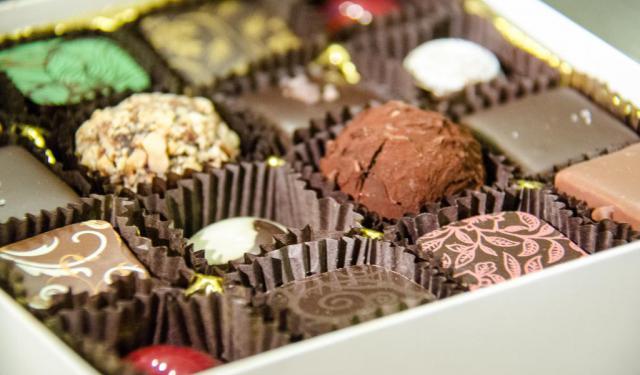
Old Town Chocolate Stores
Vienna is famous for its love for sweet indulgence. And when it comes to chocolate, it stands tall among other locally-made mouth-watering confections.
Vienna's chocolate scene is deeply rooted in a rich culinary tradition. It has been sustained by several historic chocolate houses, located in the Old Town, that have been serving decadent treats for generations.
Landmark... view more
Tour Duration: 1 Hour(s)
Travel Distance: 1.2 Km or 0.7 Miles
Vienna's chocolate scene is deeply rooted in a rich culinary tradition. It has been sustained by several historic chocolate houses, located in the Old Town, that have been serving decadent treats for generations.
Landmark... view more
Tour Duration: 1 Hour(s)
Travel Distance: 1.2 Km or 0.7 Miles
Famous Homes of Vienna
Throughout centuries, the Austrian capital has been home to numerous famous individuals, from creative people of arts to thinkers, scientists, and politicians. Vienna's illustrious history is closely intertwined with the abodes of its celebrated residents, where artistic virtuosos and luminaries of their time found solace and inspiration.
The often modest apartments of Vienna's famous... view more
Tour Duration: 2 Hour(s)
Travel Distance: 3.9 Km or 2.4 Miles
The often modest apartments of Vienna's famous... view more
Tour Duration: 2 Hour(s)
Travel Distance: 3.9 Km or 2.4 Miles
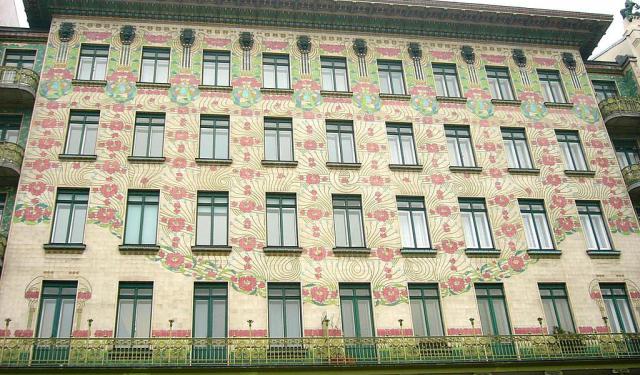
Vienna's Art Nouveau Architecture Tour II
If there are cities that flirt, Vienna is definitely the one. Here, even the buildings know how to do it.
Around the turn of the 20th century, the Austrian capital caught the Art Nouveau fever and decided that straight lines, drab walls, and historical imitation simply wouldn’t do anymore. Instead, it took to ornamental swirls, flowing curves, floral flourishes, and enough decorative detail... view more
Tour Duration: 1 Hour(s)
Travel Distance: 2.0 Km or 1.2 Miles
Around the turn of the 20th century, the Austrian capital caught the Art Nouveau fever and decided that straight lines, drab walls, and historical imitation simply wouldn’t do anymore. Instead, it took to ornamental swirls, flowing curves, floral flourishes, and enough decorative detail... view more
Tour Duration: 1 Hour(s)
Travel Distance: 2.0 Km or 1.2 Miles
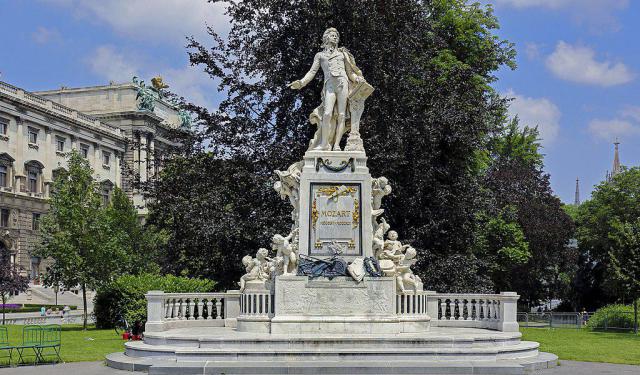
Mozart Walking Tour
Wolfgang Amadeus Mozart spent a significant portion of his life in Vienna. Here, he achieved recognition, and the city holds enormous historical and cultural significance for his legacy. Mozart first visited Vienna as a child prodigy in 1762, and in 1781 came here to stay.
The city met the composer with a vibrant and cosmopolitan atmosphere brought about by some of the top musicians and artists... view more
Tour Duration: 1 Hour(s)
Travel Distance: 2.0 Km or 1.2 Miles
The city met the composer with a vibrant and cosmopolitan atmosphere brought about by some of the top musicians and artists... view more
Tour Duration: 1 Hour(s)
Travel Distance: 2.0 Km or 1.2 Miles
Useful Travel Guides for Planning Your Trip
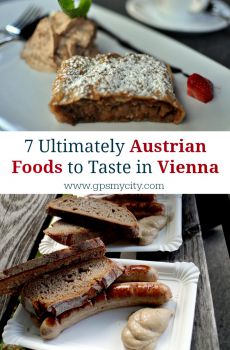
7 Ultimately Austrian Foods to Taste in Vienna
Once the center of the vast Hapsburg Empire, stretched from France in the West to Russia in the East, Austria has embraced many ethnic influences in its cuisine over the course of centuries. Many of the country's distinctive dishes reflect its multinational heritage. Coffee culture, for...
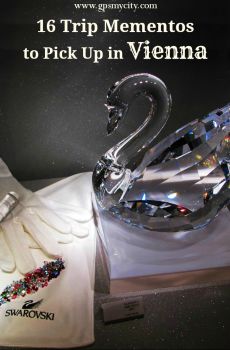
Top 15 Austrian Things to Buy in Vienna
Vienna stool, Viennese schnitzel, Viennese waltz, Vienna sausage, Viennese apple strudel... There's so much Vienna to it, that you might think you've heard it all. Luckily, chances are that you haven't and there's much more in store left to be discovered about this fascinating...