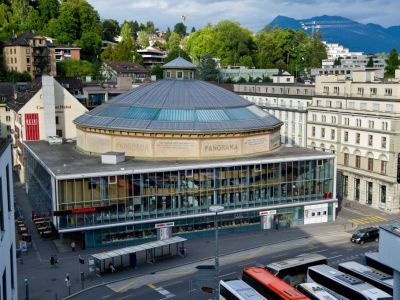


Bourbaki Panorama, Lucerne (must see)
The Bourbaki Panorama is a 360-degree circular painting created in the late nineteenth century, housed in a round building designed specifically for this format. The artwork depicts the winter of 1871, when the French Army of the East retreated into Switzerland during the final phase of the Franco-Prussian War. More than eighty thousand soldiers crossed the border in harsh conditions and were disarmed and sheltered by the Swiss. The painting captures this moment at a scale that surrounds the viewer, blending painted canvas with three-dimensional foreground elements such as snow-covered props and wooden structures.
The artist, Édouard Castres, had served as a Red Cross volunteer during the events he later painted. His direct experience shapes the work’s tone: the figures are shown in exhaustion and uncertainty, and the landscape conveys a sense of cold, heavy air. Castres used detailed observation to portray clothing, medical equipment, sleds, and makeshift shelters. The painting was meant not only as an artistic achievement but also as a record of humanitarian action, emphasizing the support offered by Swiss civilians and officials as they received the retreating army.
The panorama building itself was part of a broader European trend to create immersive visual experiences before the rise of cinema. Its circular form and upper lighting allow the canvas to be seen without visible edges. Visitors stand on a central platform, with the image rising above and below their line of sight. This presentation was intended to blur the boundary between viewer and scene, giving a sense of stepping into the historical moment rather than simply observing it.
In the twentieth century the panorama underwent periods of decline and restoration. Today it is integrated into a cultural complex that includes exhibition areas explaining the historical context and the development of panoramic art. The presentation highlights themes of refuge, neutrality, and humanitarian response, linking the nineteenth-century episode to broader Swiss history. Despite changes in display techniques over time, the core experience remains centered on the immersive quality of Castres’ work and the moment it commemorates.
The artist, Édouard Castres, had served as a Red Cross volunteer during the events he later painted. His direct experience shapes the work’s tone: the figures are shown in exhaustion and uncertainty, and the landscape conveys a sense of cold, heavy air. Castres used detailed observation to portray clothing, medical equipment, sleds, and makeshift shelters. The painting was meant not only as an artistic achievement but also as a record of humanitarian action, emphasizing the support offered by Swiss civilians and officials as they received the retreating army.
The panorama building itself was part of a broader European trend to create immersive visual experiences before the rise of cinema. Its circular form and upper lighting allow the canvas to be seen without visible edges. Visitors stand on a central platform, with the image rising above and below their line of sight. This presentation was intended to blur the boundary between viewer and scene, giving a sense of stepping into the historical moment rather than simply observing it.
In the twentieth century the panorama underwent periods of decline and restoration. Today it is integrated into a cultural complex that includes exhibition areas explaining the historical context and the development of panoramic art. The presentation highlights themes of refuge, neutrality, and humanitarian response, linking the nineteenth-century episode to broader Swiss history. Despite changes in display techniques over time, the core experience remains centered on the immersive quality of Castres’ work and the moment it commemorates.
Want to visit this sight? Check out these Self-Guided Walking Tours in Lucerne. Alternatively, you can download the mobile app "GPSmyCity: Walks in 1K+ Cities" from Apple App Store or Google Play Store. The app turns your mobile device to a personal tour guide and it works offline, so no data plan is needed when traveling abroad.
Download The GPSmyCity App



Bourbaki Panorama on Map
Sight Name: Bourbaki Panorama
Sight Location: Lucerne, Switzerland (See walking tours in Lucerne)
Sight Type: Museum/Gallery
Guide(s) Containing This Sight:
Sight Location: Lucerne, Switzerland (See walking tours in Lucerne)
Sight Type: Museum/Gallery
Guide(s) Containing This Sight:
Nearby Sights
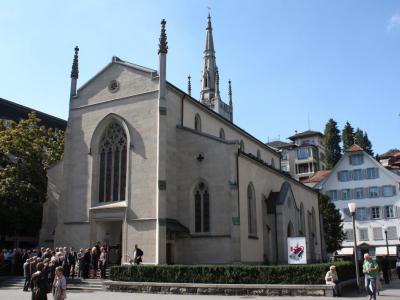
Walking Tours in Lucerne, Switzerland

Create Your Own Walk in Lucerne
Creating your own self-guided walk in Lucerne is easy and fun. Choose the city attractions that you want to see and a walk route map will be created just for you. You can even set your hotel as the start point of the walk.
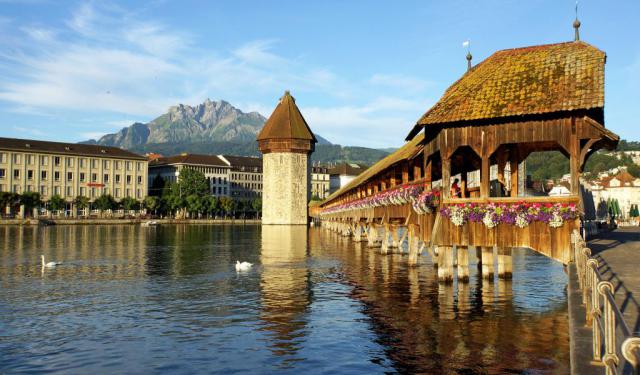
Lucerne Old Town Walking Tour
Lucerne has drawn travelers, writers, and musicians for centuries, often for simple reasons: the lake, the mountains, and a city center that’s easy to walk. Figures like the German composer Richard Wagner lived and worked here, and many 19th-century visitors wrote about Lucerne as a comfortable base for exploring central Switzerland. Their impressions still ring true today-Lucerne is... view more
Tour Duration: 2 Hour(s)
Travel Distance: 4.2 Km or 2.6 Miles
Tour Duration: 2 Hour(s)
Travel Distance: 4.2 Km or 2.6 Miles
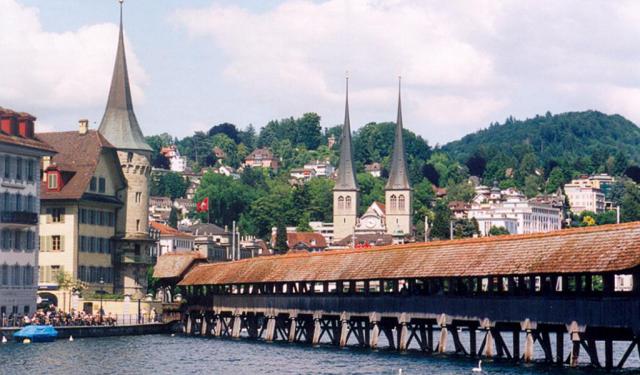
Lucerne's Architectural Jewels Walking Tour
Lucerne’s long religious and cultural history is thoroughly reflected in its architecture, making the city one of Switzerland’s most popular destinations. As you walk through the city center, impressive buildings-from grand civic landmarks to old guild houses, churches, and historic bridges-appear almost naturally along the route.
One of the top local architectural attractions is... view more
Tour Duration: 2 Hour(s)
Travel Distance: 2.3 Km or 1.4 Miles
One of the top local architectural attractions is... view more
Tour Duration: 2 Hour(s)
Travel Distance: 2.3 Km or 1.4 Miles
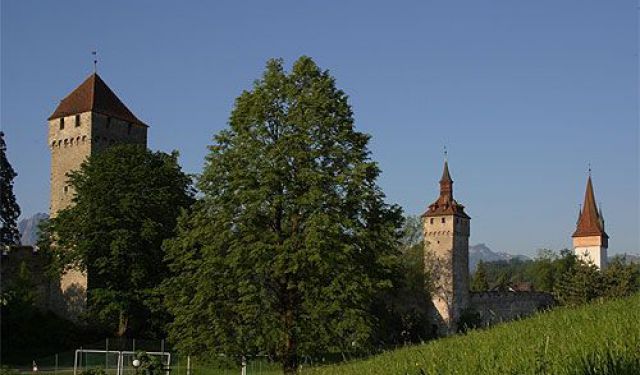
Lucerne's Towers Walking Tour
Rising high above Lucerne’s Old Town, the Musegg Wall is one of the city’s most distinctive landmarks. Its line of nine medieval towers forms a kind of stone crown above the rooftops, and from several points along the fortifications you can look out across the city, Lake Lucerne, the Reuss River, and the mountains beyond.
Built mainly during the 13th and 14th centuries, the wall stretches... view more
Tour Duration: 1 Hour(s)
Travel Distance: 1.0 Km or 0.6 Miles
Built mainly during the 13th and 14th centuries, the wall stretches... view more
Tour Duration: 1 Hour(s)
Travel Distance: 1.0 Km or 0.6 Miles