

Chini ka Rauza, Agra (must see)
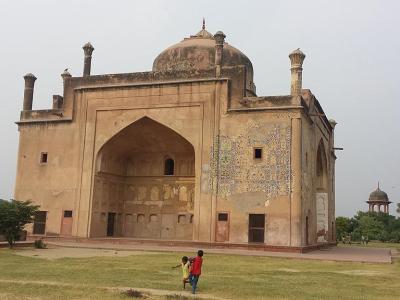
Chini ka Rauza is a 17th-century mausoleum that stands as a distinctive example of Indo-Persian architecture and artistry from the Mughal period. Built in 1635, it serves as the tomb of Allama Afzal Khan Mullah, a scholar, poet, and the prime minister of the Mughal emperor Shah Jahan. The structure’s name translates to “Tomb of China” or “Chinese Tomb,” a reference not to the country but to the glazed tile work, or chini, that decorates its façade. These vivid, hand-painted tiles-imported from Persia-make the monument one of the earliest and most striking examples of glazed tile ornamentation in Mughal India.
The building’s architecture combines Persian, Central Asian, and Indian influences, reflecting the cosmopolitan nature of the Mughal court. Constructed primarily from brown sandstone, the mausoleum is crowned with a single dome and framed by slender minarets. The façade is adorned with intricate tile mosaics in shades of turquoise, ochre, and green, many of which still retain traces of their original brilliance despite centuries of weathering.
The interior once featured fine calligraphy and floral motifs, echoing the refined aesthetic of the Mughal elite and symbolizing the spiritual harmony sought by Islamic scholars of the period.
Unlike the grand marble structures commissioned by Shah Jahan, Chini ka Rauza has a quieter, more scholarly character. The surrounding gardens and open courtyards create a serene atmosphere, offering travelers a glimpse into the contemplative side of Mughal architecture-less about imperial grandeur and more about intellectual legacy. From its design and ornamentation, visitors can sense the influence of Persian craftsmanship that shaped much of Mughal India’s artistic vocabulary.
Though time has softened many of its details, Chini ka Rauza remains an important monument for those interested in the evolution of Mughal funerary architecture. It bridges the ornate style of earlier emperors with the more refined marble works that followed, standing as both a historical and cultural link in India’s architectural heritage.
The building’s architecture combines Persian, Central Asian, and Indian influences, reflecting the cosmopolitan nature of the Mughal court. Constructed primarily from brown sandstone, the mausoleum is crowned with a single dome and framed by slender minarets. The façade is adorned with intricate tile mosaics in shades of turquoise, ochre, and green, many of which still retain traces of their original brilliance despite centuries of weathering.
The interior once featured fine calligraphy and floral motifs, echoing the refined aesthetic of the Mughal elite and symbolizing the spiritual harmony sought by Islamic scholars of the period.
Unlike the grand marble structures commissioned by Shah Jahan, Chini ka Rauza has a quieter, more scholarly character. The surrounding gardens and open courtyards create a serene atmosphere, offering travelers a glimpse into the contemplative side of Mughal architecture-less about imperial grandeur and more about intellectual legacy. From its design and ornamentation, visitors can sense the influence of Persian craftsmanship that shaped much of Mughal India’s artistic vocabulary.
Though time has softened many of its details, Chini ka Rauza remains an important monument for those interested in the evolution of Mughal funerary architecture. It bridges the ornate style of earlier emperors with the more refined marble works that followed, standing as both a historical and cultural link in India’s architectural heritage.
Want to visit this sight? Check out these Self-Guided Walking Tours in Agra. Alternatively, you can download the mobile app "GPSmyCity: Walks in 1K+ Cities" from Apple App Store or Google Play Store. The app turns your mobile device to a personal tour guide and it works offline, so no data plan is needed when traveling abroad.
Download The GPSmyCity App



Chini ka Rauza on Map
Sight Name: Chini ka Rauza
Sight Location: Agra, India (See walking tours in Agra)
Sight Type: Attraction/Landmark
Guide(s) Containing This Sight:
Sight Location: Agra, India (See walking tours in Agra)
Sight Type: Attraction/Landmark
Guide(s) Containing This Sight:
Nearby Sights


Walking Tours in Agra, India

Create Your Own Walk in Agra
Creating your own self-guided walk in Agra is easy and fun. Choose the city attractions that you want to see and a walk route map will be created just for you. You can even set your hotel as the start point of the walk.
Agra's Top Attractions Walking Tour
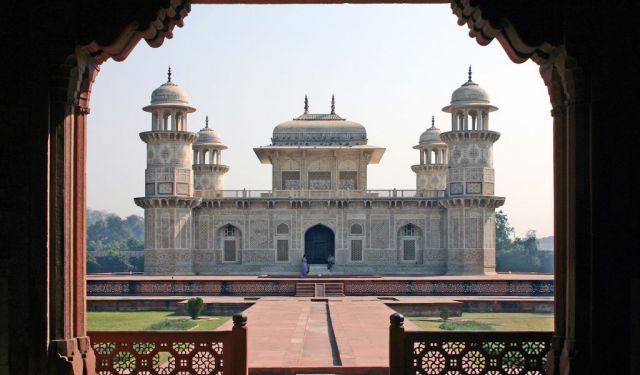
Agra, the former capital of India under the powerful Mughal emperors, today is perhaps India's most popular tourist destination, in large part due to the magnificent Taj Mahal located here. Still, other than the iconic mausoleum, Agra is renowned for its colossal historic heritage manifested in numerous sites. To find out what else the city has to offer, take this orientation walk!
Tour Duration: 3 Hour(s)
Travel Distance: 6.2 Km or 3.9 Miles
Tour Duration: 3 Hour(s)
Travel Distance: 6.2 Km or 3.9 Miles

Taj Mahal Walking Tour
Agra is most known for containing one of the seven wonders of the modern world - the Taj Mahal. This finest example of Mughal architecture attracts thousands of tourists and visitors, who admire its magnificence and beauty. Take the following tour to see the marvelous attractions in the Taj area!
Tour Duration: 1 Hour(s)
Travel Distance: 0.7 Km or 0.4 Miles
Tour Duration: 1 Hour(s)
Travel Distance: 0.7 Km or 0.4 Miles