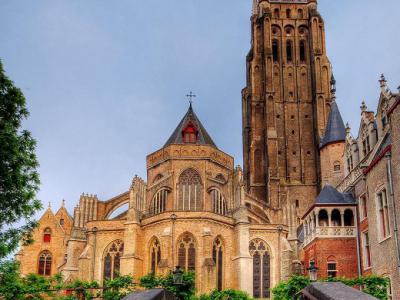


Church of Our Lady, Bruges (must see)
The Church of Our Lady is one of Brugge's finest Gothic landmarks. Construction began during the 13th century and continued for more than two hundred years, resulting in a harmonious blend of Early and High Gothic architecture. Its elegant brick tower rises 379 feet, making it the tallest building in Brugge.
The church's exterior is distinguished by pointed Gothic windows, and graceful flying buttresses, while the spacious interior is characterized by lofty columns, ribbed vaults, and a remarkable collection of medieval and Baroque artworks. Although the architecture is predominantly Gothic, many of the furnishings, including altars, confessionals, and monuments, date from the Baroque period.
Behind the high altar lie the magnificent tombs of Charles the Bold, the last Valois Duke of Burgundy, and his daughter, Mary of Burgundy. Their richly decorated black marble tombs are topped with gilded bronze effigies. Charles is depicted wearing full armor, while Mary is shown in ceremonial dress with a crown. The church's greatest treasure is Michelangelo's Madonna and Child, carved from white Carrara marble around 1501-1504. To find it, from the nave, walk toward the choir and look for the chapel on the right-hand, or southern, side of the church. Purchased by the wealthy Bruges merchants Jan and Alexander Mouscron, it became the only sculpture by Michelangelo to leave Italy during the artist's lifetime.
The sculpture has had a remarkable history. It was seized by French Revolutionary troops in 1794 and returned after Napoleon's defeat. During the Second World War, it was stolen again by the Nazis in 1944 before being recovered by the Allied "Monuments Men" and returned to Brugge after the war.
The church also houses an impressive collection of paintings, sculptures, and decorative arts. Among the highlights are Pieter Pourbus's The Last Supper and The Adoration of the Shepherds, Gerard David's The Transfiguration, richly carved choir stalls, medieval tombs, and numerous religious monuments. Much of this collection forms part of the adjoining museum, which occupies the eastern part of the church itself, particularly the transepts, choir, ambulatory, and surrounding chapels.
The church's exterior is distinguished by pointed Gothic windows, and graceful flying buttresses, while the spacious interior is characterized by lofty columns, ribbed vaults, and a remarkable collection of medieval and Baroque artworks. Although the architecture is predominantly Gothic, many of the furnishings, including altars, confessionals, and monuments, date from the Baroque period.
Behind the high altar lie the magnificent tombs of Charles the Bold, the last Valois Duke of Burgundy, and his daughter, Mary of Burgundy. Their richly decorated black marble tombs are topped with gilded bronze effigies. Charles is depicted wearing full armor, while Mary is shown in ceremonial dress with a crown. The church's greatest treasure is Michelangelo's Madonna and Child, carved from white Carrara marble around 1501-1504. To find it, from the nave, walk toward the choir and look for the chapel on the right-hand, or southern, side of the church. Purchased by the wealthy Bruges merchants Jan and Alexander Mouscron, it became the only sculpture by Michelangelo to leave Italy during the artist's lifetime.
The sculpture has had a remarkable history. It was seized by French Revolutionary troops in 1794 and returned after Napoleon's defeat. During the Second World War, it was stolen again by the Nazis in 1944 before being recovered by the Allied "Monuments Men" and returned to Brugge after the war.
The church also houses an impressive collection of paintings, sculptures, and decorative arts. Among the highlights are Pieter Pourbus's The Last Supper and The Adoration of the Shepherds, Gerard David's The Transfiguration, richly carved choir stalls, medieval tombs, and numerous religious monuments. Much of this collection forms part of the adjoining museum, which occupies the eastern part of the church itself, particularly the transepts, choir, ambulatory, and surrounding chapels.
Want to visit this sight? Check out these Self-Guided Walking Tours in Bruges. Alternatively, you can download the mobile app "GPSmyCity: Walks in 1K+ Cities" from Apple App Store or Google Play Store. The app turns your mobile device to a personal tour guide and it works offline, so no data plan is needed when traveling abroad.
Download The GPSmyCity App



Church of Our Lady on Map
Sight Name: Church of Our Lady
Sight Location: Bruges, Belgium (See walking tours in Bruges)
Sight Type: Religious
Guide(s) Containing This Sight:
Sight Location: Bruges, Belgium (See walking tours in Bruges)
Sight Type: Religious
Guide(s) Containing This Sight:
Nearby Sights

Walking Tours in Bruges, Belgium

Create Your Own Walk in Bruges
Creating your own self-guided walk in Bruges is easy and fun. Choose the city attractions that you want to see and a walk route map will be created just for you. You can even set your hotel as the start point of the walk.
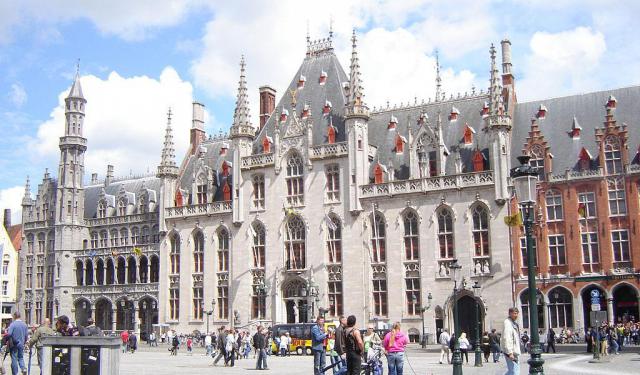
Architectural Jewels Walking Tour
Brugge owes much of its architectural splendor to the extraordinary prosperity it enjoyed during the Middle Ages. From the 12th to the 15th century, its canals connected the city with the North Sea, helping it develop into one of Europe’s foremost commercial centers. Wealthy merchants, international trading communities, religious institutions, and civic authorities commissioned churches,... view more
Tour Duration: 2 Hours
Travel Distance: 3 Km or 1.9 Miles
Tour Duration: 2 Hours
Travel Distance: 3 Km or 1.9 Miles
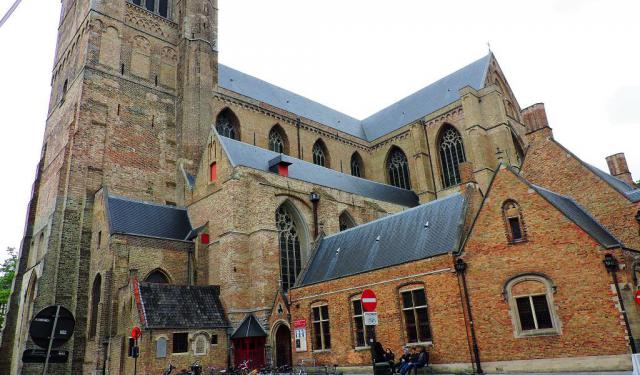
Historical Churches Tour
It's not much of a secret that some of the world's most beautiful churches are found in Brugge. Renowned for its medieval architecture and picturesque canals, this Belgian city is home to several historical temples, adding a great deal of charm to its tapestry.
The Begijnhof, also known as the Beguinage Houses, is a tranquil place and a UNESCO World Heritage Site. Built in the 13th... view more
Tour Duration: 1 Hour
Travel Distance: 2.7 Km or 1.7 Miles
The Begijnhof, also known as the Beguinage Houses, is a tranquil place and a UNESCO World Heritage Site. Built in the 13th... view more
Tour Duration: 1 Hour
Travel Distance: 2.7 Km or 1.7 Miles
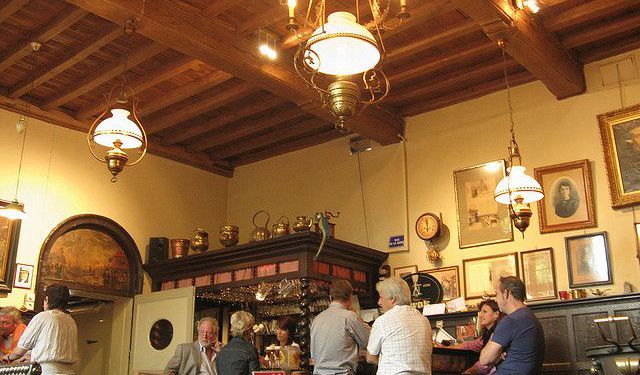
Bruges Beer Tour
The Land of Beer that is Belgium, where each corner calls to you alluringly, has long welcomed thirsty visitors from all over the world. Of all the Belgian destinations, the medieval city of Bruges is a perfect place to promote one of the country’s most important and best-known exports. Back in the 15th century, at the peak of its commercial might, the city boasted over 50 working breweries... view more
Tour Duration: 1 Hour
Travel Distance: 1.7 Km or 1.1 Miles
Tour Duration: 1 Hour
Travel Distance: 1.7 Km or 1.1 Miles
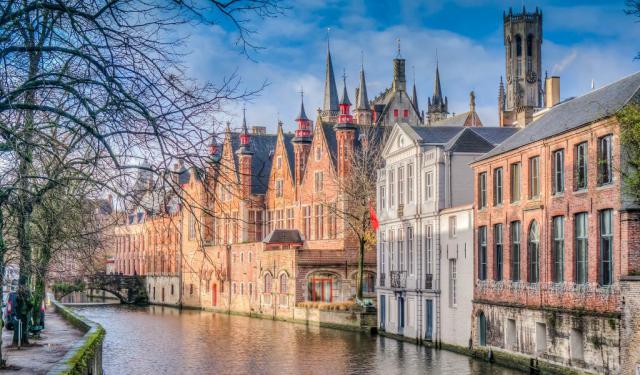
A Walk Through Bruges Historic Center
Austrian writer Stefan Zweig observed, Brugge is "one of the dead cities that have remained alive."
Brugge is one of Europe's best-preserved medieval cities and the historic capital of the Belgian province of West Flanders. Often called the "Venice of the North" because of its picturesque canals, the city has been an important center of trade, art, and culture for more... view more
Tour Duration: 2 Hours
Travel Distance: 2.5 Km or 1.6 Miles
Brugge is one of Europe's best-preserved medieval cities and the historic capital of the Belgian province of West Flanders. Often called the "Venice of the North" because of its picturesque canals, the city has been an important center of trade, art, and culture for more... view more
Tour Duration: 2 Hours
Travel Distance: 2.5 Km or 1.6 Miles