

Complesso di Santo Stefano (St. Stephen's Complex), Bologna (must see)
Navigating through this ecclesiastical maze, a pilgrimage through Bologna's holiest sites, demands patience and time. Universally known as Santo Stefano and nicknamed "the Seven Churches", this highly unique complex originally mirrored the sacred topography of Jerusalem's holy sites, though only four distinct churches endure today. Dating back to the 5th century, the sanctuary was established by Bishop Petronius atop a former pagan temple dedicated to Isis, eventually evolving into a grand Benedictine monastery by the 10th century.
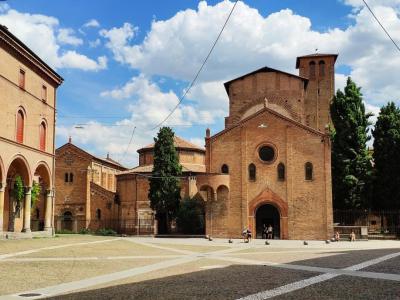
When viewed from the picturesque cobblestones of Saint Stephen Square, the building layout unfolds from left to right: the Church of the Crucifix stands on the left serving as the main entryway, the polygonal Basilica of Saint Sepolcro occupies the center, and the church of Saints Vitale and Agricola sits on the right.
Visitors enter through the Church of the Crucifix, a single-nave structure originally built by the Lombards but extensively modified over the centuries. Walk down the central aisle to ascend the raised presbytery, then drop down into the graceful 11th-century subterranean crypt. This vaulted chamber features columns of varying marble types and historically served as a resting site for early local martyrs. A doorway on the left of the main nave leads directly into the Basilica of Saint Sepolcro, an octagonal structure built around a replica of Jerusalem's Holy Sepulchre tomb that once housed the relics of Saint Petronius.
Bathed in mystical, dim light, the adjacent church of Saints Vitale and Agricola captivates with its raw Romanesque simplicity. It preserves the ancient stone sarcophagi of Bologna's first Christian martyrs, Vitale and Agricola, decorated with reliefs of deer and peacocks. Stepping out the back of the octagonal basilica brings visitors into Pilate's Courtyard, featuring a 13th-century marble basin erroneously linked by medieval folklore to Pontius Pilate. Beyond the courtyard lies the Martyrium, an enigmatic multi-aisled space that houses Europe's oldest known monumental nativity scene-a magnificent, life-sized painted wooden sculpture group from the 14th century.
The tranquil Saint Stephen Cloister features two magnificent tiers of loggias, leading directly into a specialized onsite museum showcasing precious reliquaries, medieval crucifixes, and early Sienese and Sienese-influenced paintings.
When viewed from the picturesque cobblestones of Saint Stephen Square, the building layout unfolds from left to right: the Church of the Crucifix stands on the left serving as the main entryway, the polygonal Basilica of Saint Sepolcro occupies the center, and the church of Saints Vitale and Agricola sits on the right.
Visitors enter through the Church of the Crucifix, a single-nave structure originally built by the Lombards but extensively modified over the centuries. Walk down the central aisle to ascend the raised presbytery, then drop down into the graceful 11th-century subterranean crypt. This vaulted chamber features columns of varying marble types and historically served as a resting site for early local martyrs. A doorway on the left of the main nave leads directly into the Basilica of Saint Sepolcro, an octagonal structure built around a replica of Jerusalem's Holy Sepulchre tomb that once housed the relics of Saint Petronius.
Bathed in mystical, dim light, the adjacent church of Saints Vitale and Agricola captivates with its raw Romanesque simplicity. It preserves the ancient stone sarcophagi of Bologna's first Christian martyrs, Vitale and Agricola, decorated with reliefs of deer and peacocks. Stepping out the back of the octagonal basilica brings visitors into Pilate's Courtyard, featuring a 13th-century marble basin erroneously linked by medieval folklore to Pontius Pilate. Beyond the courtyard lies the Martyrium, an enigmatic multi-aisled space that houses Europe's oldest known monumental nativity scene-a magnificent, life-sized painted wooden sculpture group from the 14th century.
The tranquil Saint Stephen Cloister features two magnificent tiers of loggias, leading directly into a specialized onsite museum showcasing precious reliquaries, medieval crucifixes, and early Sienese and Sienese-influenced paintings.
Want to visit this sight? Check out these Self-Guided Walking Tours in Bologna. Alternatively, you can download the mobile app "GPSmyCity: Walks in 1K+ Cities" from Apple App Store or Google Play Store. The app turns your mobile device to a personal tour guide and it works offline, so no data plan is needed when traveling abroad.
Download The GPSmyCity App



Complesso di Santo Stefano (St. Stephen's Complex) on Map
Sight Name: Complesso di Santo Stefano (St. Stephen's Complex)
Sight Location: Bologna, Italy (See walking tours in Bologna)
Sight Type: Religious
Guide(s) Containing This Sight:
Sight Location: Bologna, Italy (See walking tours in Bologna)
Sight Type: Religious
Guide(s) Containing This Sight:
Nearby Sights


Walking Tours in Bologna, Italy

Create Your Own Walk in Bologna
Creating your own self-guided walk in Bologna is easy and fun. Choose the city attractions that you want to see and a walk route map will be created just for you. You can even set your hotel as the start point of the walk.
Historical Churches
The historic city of Bologna is one of the most sumptuous medieval places in Italy, as well as one of the country's most visited destinations. There are churches everywhere in the city, many of which are well-preserved and well worth a visit. Magnificent and centuries-old, each of them has its own specialty and history carved into, replete with great historic artifacts associated with world... view more
Tour Duration: 1 Hour(s)
Travel Distance: 2.2 Km or 1.4 Miles
Tour Duration: 1 Hour(s)
Travel Distance: 2.2 Km or 1.4 Miles
Bologna's Shopping Areas
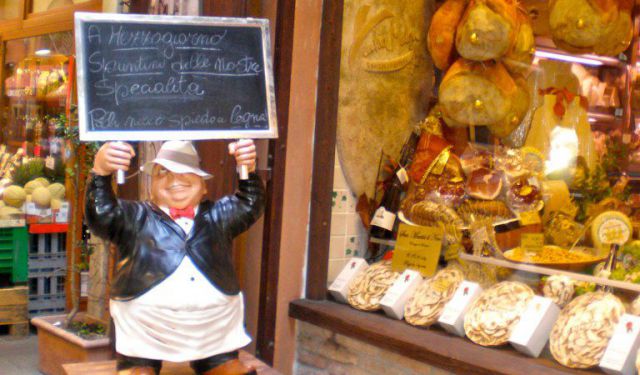
When it comes to shopping, Bologna walks tall amid grands like Milan or Rome, with a harmonious mix of international chains, exclusive boutiques, luxury stores and open-air markets lining the streets in the city center, offering a wealth of international fashion, designer brands and top quality local delicacies in rich supply.
Shopping here is particularly pleasant on weekends when Zone... view more
Tour Duration: 1 Hour(s)
Travel Distance: 0.8 Km or 0.5 Miles
Shopping here is particularly pleasant on weekends when Zone... view more
Tour Duration: 1 Hour(s)
Travel Distance: 0.8 Km or 0.5 Miles
Exploring Bologna Historic Center on Foot
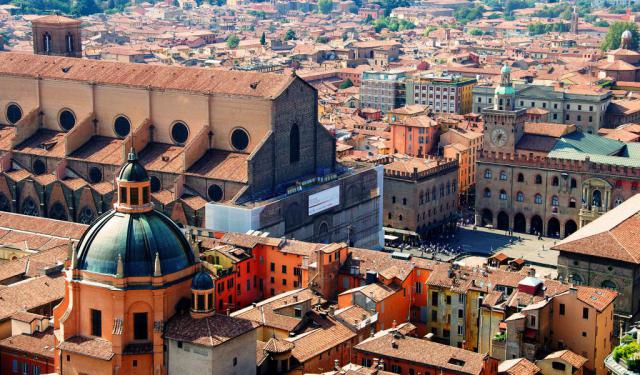
Bologna is one of Italy’s oldest and most historically significant cities, shaped by more than two thousand years of political, cultural, and intellectual development.
Around the 3rd century BC, the Romans conquered the Po valley area and established the colony of Bononia in 189 BC. The name is generally believed to derive from the Celtic root bon, meaning “settlement” or “fortified... view more
Tour Duration: 2 Hour(s)
Travel Distance: 2.3 Km or 1.4 Miles
Around the 3rd century BC, the Romans conquered the Po valley area and established the colony of Bononia in 189 BC. The name is generally believed to derive from the Celtic root bon, meaning “settlement” or “fortified... view more
Tour Duration: 2 Hour(s)
Travel Distance: 2.3 Km or 1.4 Miles
Bologna Palaces
English writer Charles Dickens found “a grave and learned air” in Bologna-an impression that still lingers beneath the arches of its medieval palaces.
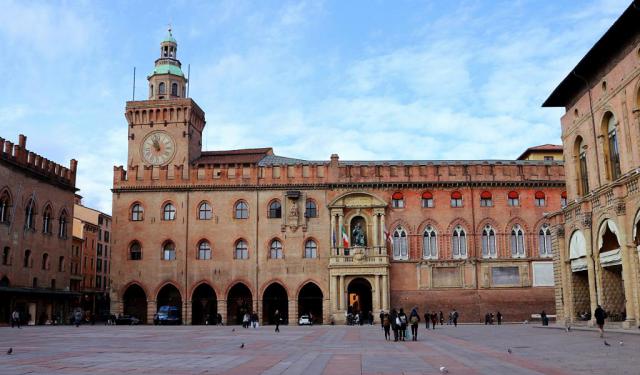
Bologna’s palaces are more than impressive historic buildings. Together, they form a record of how the city was governed, administered, and enriched over many centuries. Their walls reflect the changing ambitions of civic officials,... view more
Tour Duration: 1 Hour(s)
Travel Distance: 1.4 Km or 0.9 Miles
Bologna’s palaces are more than impressive historic buildings. Together, they form a record of how the city was governed, administered, and enriched over many centuries. Their walls reflect the changing ambitions of civic officials,... view more
Tour Duration: 1 Hour(s)
Travel Distance: 1.4 Km or 0.9 Miles