

Confeitaria Colombo (Colombo Confectionery), Rio de Janeiro (must see)
Confeitaria Colombo is one of Rio de Janeiro’s most celebrated historic cafés and a defining landmark of the city’s Belle Époque. Founded in 1894 by Portuguese immigrants, it was conceived as a refined European-style confectionery at a moment when Rio was reinventing itself as a modern capital. Today, it is frequently listed among the most beautiful cafés in the world.
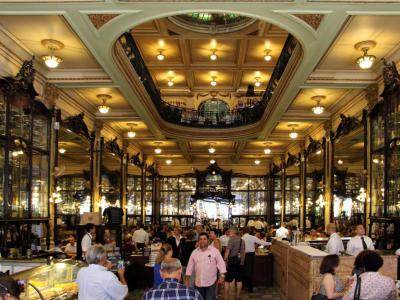
The cafe’s architecture and interior design are central to its appeal. In the early 20th century, Colombo was remodeled in the fashionable Art Nouveau style, reflecting European trends of the time. Much of the wooden furniture was handcrafted by the artisan Antonio Borsoi, while towering mirrors imported from Belgium are framed in jacaranda wood. Portuguese tiles decorate the walls, and a large stained-glass skylight from France crowns the space, flooding the interior with light. An upper floor and tearoom were added in 1922, offering a quieter vantage point overlooking the main hall below.
Beyond its beauty, Colombo Confectionery has long been a place of conversation and influence. Heads of state and royalty, including Queen Elizabeth II of England, have visited, as have Brazilian presidents such as Getúlio Vargas. The café also served as a meeting place for Brazilian artists, musicians, and writers; composer Heitor Villa-Lobos and writer Lima Barreto were among those who gathered here.
Alongside coffee and traditional Portuguese pastries, Colombo offers classic Brazilian sweets. Trying a brigadeiro-made with condensed milk and chocolate-is almost obligatory.
The cafe’s architecture and interior design are central to its appeal. In the early 20th century, Colombo was remodeled in the fashionable Art Nouveau style, reflecting European trends of the time. Much of the wooden furniture was handcrafted by the artisan Antonio Borsoi, while towering mirrors imported from Belgium are framed in jacaranda wood. Portuguese tiles decorate the walls, and a large stained-glass skylight from France crowns the space, flooding the interior with light. An upper floor and tearoom were added in 1922, offering a quieter vantage point overlooking the main hall below.
Beyond its beauty, Colombo Confectionery has long been a place of conversation and influence. Heads of state and royalty, including Queen Elizabeth II of England, have visited, as have Brazilian presidents such as Getúlio Vargas. The café also served as a meeting place for Brazilian artists, musicians, and writers; composer Heitor Villa-Lobos and writer Lima Barreto were among those who gathered here.
Alongside coffee and traditional Portuguese pastries, Colombo offers classic Brazilian sweets. Trying a brigadeiro-made with condensed milk and chocolate-is almost obligatory.
Want to visit this sight? Check out these Self-Guided Walking Tours in Rio de Janeiro. Alternatively, you can download the mobile app "GPSmyCity: Walks in 1K+ Cities" from Apple App Store or Google Play Store. The app turns your mobile device to a personal tour guide and it works offline, so no data plan is needed when traveling abroad.
Download The GPSmyCity App



Confeitaria Colombo (Colombo Confectionery) on Map
Sight Name: Confeitaria Colombo (Colombo Confectionery)
Sight Location: Rio de Janeiro, Brazil (See walking tours in Rio de Janeiro)
Sight Type: Food/Drink
Guide(s) Containing This Sight:
Sight Location: Rio de Janeiro, Brazil (See walking tours in Rio de Janeiro)
Sight Type: Food/Drink
Guide(s) Containing This Sight:
Nearby Sights

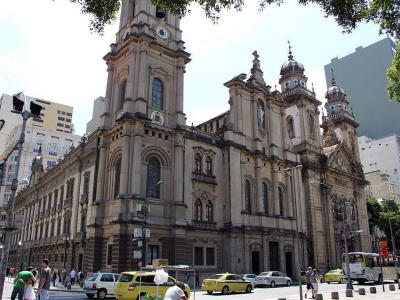

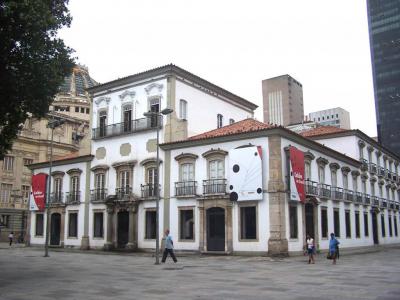

Walking Tours in Rio de Janeiro, Brazil

Create Your Own Walk in Rio de Janeiro
Creating your own self-guided walk in Rio de Janeiro is easy and fun. Choose the city attractions that you want to see and a walk route map will be created just for you. You can even set your hotel as the start point of the walk.

Rio de Janeiro Beach Walk
The Copacabana and Ipanema beaches are two of the main reasons Rio is so famous around the world. While Copacabana is a year-round tourist hub, famed for its incredible New Year’s Eve celebrations, the Ipanema and Leblon neighborhoods have the cleanest, safest, most beautiful beaches in the city, and are the favorite playgrounds of Rio de Janeiro’s upper-middle class.
Start your tour with a... view more
Tour Duration: 2 Hour(s)
Travel Distance: 4.9 Km or 3 Miles
Start your tour with a... view more
Tour Duration: 2 Hour(s)
Travel Distance: 4.9 Km or 3 Miles

Rio de Janeiro Downtown Walking Tour
Sixteenth-century French traveler Jean de Léry did not see merely a harbor when he visited Rio de Janeiro. In his words, it felt more like an amphitheater.
Rio de Janeiro’s history is inseparable from geography, empire, and spectacle. The city’s name dates to January 1502, when Portuguese explorers under Gaspar de Lemos arrived at Guanabara Bay. Mistaking the vast bay for the mouth of a... view more
Tour Duration: 3 Hour(s)
Travel Distance: 4.0 Km or 2.5 Miles
Rio de Janeiro’s history is inseparable from geography, empire, and spectacle. The city’s name dates to January 1502, when Portuguese explorers under Gaspar de Lemos arrived at Guanabara Bay. Mistaking the vast bay for the mouth of a... view more
Tour Duration: 3 Hour(s)
Travel Distance: 4.0 Km or 2.5 Miles
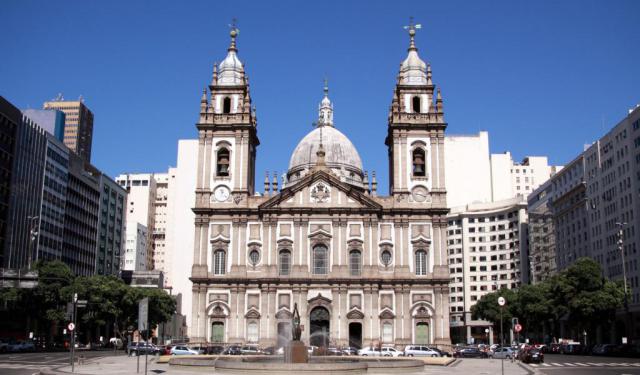
Rio's Top Religious Sites
Due to the legacy of the Portuguese in language, religion, and law, Rio de Janeiro has had a rich and influential Catholic tradition. Until the mid-20th century almost all Brazilians were – at least nominally – Catholic, and today the country’s religious sites, both classic and modern, impress with their skill, creativity and devotion.
Founded in 1590 by Benedictine monks from Bahia, the... view more
Tour Duration: 2 Hour(s)
Travel Distance: 3.0 Km or 1.9 Miles
Founded in 1590 by Benedictine monks from Bahia, the... view more
Tour Duration: 2 Hour(s)
Travel Distance: 3.0 Km or 1.9 Miles
Useful Travel Guides for Planning Your Trip

16 Uniquely Brazilian Souvenirs to Bring Home from Rio de Janeiro
Other than the sun, passion and football, for which Brazil is renowned and which cannot be fitted into one's luggage, picking a memorable gift from Rio is a tough job. And this is not because of the lack of suitable things to choose from, but because of their abundance. Indeed, there're...