

Cusco Cathedral, Cusco (must see)
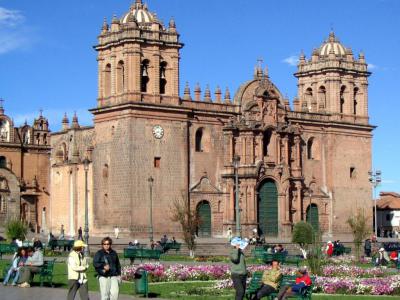
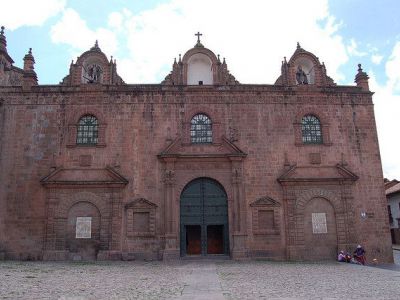
Cusco Cathedral is part of Cusco's UNESCO World Heritage Site. The Spanish built the cathedral between 1560 and 1654. Designed in the Spanish colonial style, it is home to significant colonial artworks as well as archaeological finds.
Cusco Cathedral replaced an Inca temple and was built on its foundations. Many of the cathedral's stones came from the Sacsayhuamán citadel on the northern outskirts of the city. The Spanish also used sacred sand from the square in its construction. The cathedral features a classic colonial Gothic-Renaissance style. The Spanish used local residents as laborers and incorporated some Inca symbols into the building, such as a carved jaguar head on the doors.
The cathedral's south tower houses the remarkable Maria Angola Bell. Cast in 1659, the bell is seven feet high and weighs more than 13,000 pounds. It was named after an enslaved woman from Angola who is said to have added gold to the crucible when the bell was created. The bell can reportedly be heard up to 20 miles away but is rung only on special occasions.
Visitors will find a collection of paintings by Peruvian artist Marcos Zapata throughout the cathedral, particularly around the side naves and sacristy. A highlight is his fascinating "The Last Supper," which shows Jesus and his disciples eating traditional Peruvian food, including guinea pig, and drinking chicha. To find it, walk toward the main altar and look for the sacristy on the right-hand side. Zapata was born in Cusco and was known for incorporating local elements into his paintings.
In addition, the cathedral houses portraits of Cusco's bishops and displays works from the Cusco School of Art, also found in the sacristy. The wooden Christ of the Earthquakes crucifix is kept in the third chapel of the Epistle nave. To find it, stand facing the main altar and follow the aisle on your right until you reach the third chapel. The crucifix has been darkened by centuries of candle smoke. It is carried outdoors during Holy Week in a tradition associated with the devastating earthquake of 1650.
Cusco Cathedral replaced an Inca temple and was built on its foundations. Many of the cathedral's stones came from the Sacsayhuamán citadel on the northern outskirts of the city. The Spanish also used sacred sand from the square in its construction. The cathedral features a classic colonial Gothic-Renaissance style. The Spanish used local residents as laborers and incorporated some Inca symbols into the building, such as a carved jaguar head on the doors.
The cathedral's south tower houses the remarkable Maria Angola Bell. Cast in 1659, the bell is seven feet high and weighs more than 13,000 pounds. It was named after an enslaved woman from Angola who is said to have added gold to the crucible when the bell was created. The bell can reportedly be heard up to 20 miles away but is rung only on special occasions.
Visitors will find a collection of paintings by Peruvian artist Marcos Zapata throughout the cathedral, particularly around the side naves and sacristy. A highlight is his fascinating "The Last Supper," which shows Jesus and his disciples eating traditional Peruvian food, including guinea pig, and drinking chicha. To find it, walk toward the main altar and look for the sacristy on the right-hand side. Zapata was born in Cusco and was known for incorporating local elements into his paintings.
In addition, the cathedral houses portraits of Cusco's bishops and displays works from the Cusco School of Art, also found in the sacristy. The wooden Christ of the Earthquakes crucifix is kept in the third chapel of the Epistle nave. To find it, stand facing the main altar and follow the aisle on your right until you reach the third chapel. The crucifix has been darkened by centuries of candle smoke. It is carried outdoors during Holy Week in a tradition associated with the devastating earthquake of 1650.
Want to visit this sight? Check out these Self-Guided Walking Tours in Cusco. Alternatively, you can download the mobile app "GPSmyCity: Walks in 1K+ Cities" from Apple App Store or Google Play Store. The app turns your mobile device to a personal tour guide and it works offline, so no data plan is needed when traveling abroad.
Download The GPSmyCity App



Cusco Cathedral on Map
Sight Name: Cusco Cathedral
Sight Location: Cusco, Peru (See walking tours in Cusco)
Sight Type: Religious
Guide(s) Containing This Sight:
Sight Location: Cusco, Peru (See walking tours in Cusco)
Sight Type: Religious
Guide(s) Containing This Sight:
Nearby Sights
Walking Tours in Cusco, Peru

Create Your Own Walk in Cusco
Creating your own self-guided walk in Cusco is easy and fun. Choose the city attractions that you want to see and a walk route map will be created just for you. You can even set your hotel as the start point of the walk.
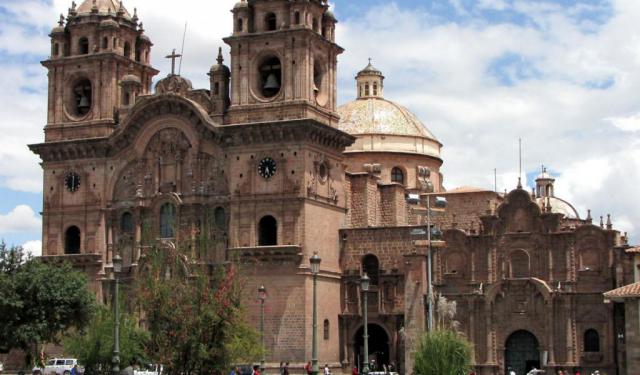
Cusco's Historical Churches
Cusco, the former capital of the Inca Empire, is one of the oldest cities in the world. In the 16th century, Spanish missionaries introduced the area to Catholicism. The result of that has been a plethora of historical churches built in the city since.
Among the marvels of local ecclesiastical architecture, the Cusco Cathedral reigns supreme. Constructed on the foundations of an Inca temple,... view more
Tour Duration: 1 Hour
Travel Distance: 2.1 Km or 1.3 Miles
Among the marvels of local ecclesiastical architecture, the Cusco Cathedral reigns supreme. Constructed on the foundations of an Inca temple,... view more
Tour Duration: 1 Hour
Travel Distance: 2.1 Km or 1.3 Miles
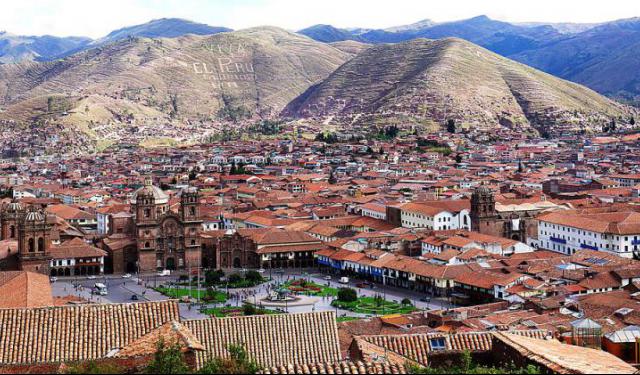
Walking Through Cusco's Historical City Center
Nestled high in the Andes Mountains, Cusco is a city shaped by layers of history. Long before it became the capital of the Inca Empire, the area was inhabited by the Killke people, who lived here from around 900 to 1200. They are believed to have built the first structures at Sacsayhuaman, the great walled complex overlooking the city. When the Incas rose to power in the 13th century, they... view more
Tour Duration: 2 Hours
Travel Distance: 3.3 Km or 2.1 Miles
Tour Duration: 2 Hours
Travel Distance: 3.3 Km or 2.1 Miles
City Walks Overview
