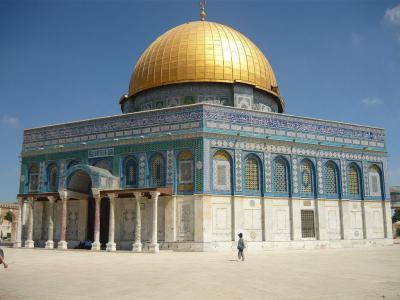


Qubbat al-Sakhra (Dome of the Rock), Jerusalem
The Dome of the Rock doesn’t ease into the conversation-it announces itself. That golden dome, the deep blues, the almost unnerving balance of proportions all signal that this is architecture designed to be seen, remembered, and quietly debated. Commissioned in the late 7th century AD by Caliph Abd al-Malik ibn Marwan, the building made a clear statement: Islam belonged at the very center of Jerusalem’s sacred landscape, standing visually and symbolically alongside monuments like the Church of the Holy Sepulchre.
Despite what many assume, this is not a mosque. There’s no formal prayer hall, no qibla wall directing worshipers toward Mecca. Instead, the structure is a shrine, built to frame and protect a single object of immense significance: the exposed rock at its center. According to tradition, this is the place where Abraham prepared to sacrifice his son, and it also rises from what remained of Herod the Great’s Second Temple platform. Abd al-Malik chose not to build over that history, but around it, letting the rock remain both visible and central.
At a closer look, the surface becomes a lesson in precision and restraint. Marble panels line the lower walls, while bands of glazed blue and green tiles carry Quranic inscriptions, interlaced with geometric and floral designs. Much of the exterior decoration dates to the 16th century, when Suleiman the Magnificent ordered a major renovation that fixed the Dome’s visual identity for centuries to come.
The dome itself has had a practical life as well as a symbolic one. In the 1960s, its original lead covering-heavy and problematic-was replaced with anodized aluminum, later finished in gold. It’s a reminder that even icons need maintenance. Yet through repairs, restorations, and reinterpretations, the Dome of the Rock has never lost its role: not just as a landmark of Jerusalem, but as a carefully calculated statement of faith, history, and permanence-still holding the skyline, and the conversation, in perfect balance.
Despite what many assume, this is not a mosque. There’s no formal prayer hall, no qibla wall directing worshipers toward Mecca. Instead, the structure is a shrine, built to frame and protect a single object of immense significance: the exposed rock at its center. According to tradition, this is the place where Abraham prepared to sacrifice his son, and it also rises from what remained of Herod the Great’s Second Temple platform. Abd al-Malik chose not to build over that history, but around it, letting the rock remain both visible and central.
At a closer look, the surface becomes a lesson in precision and restraint. Marble panels line the lower walls, while bands of glazed blue and green tiles carry Quranic inscriptions, interlaced with geometric and floral designs. Much of the exterior decoration dates to the 16th century, when Suleiman the Magnificent ordered a major renovation that fixed the Dome’s visual identity for centuries to come.
The dome itself has had a practical life as well as a symbolic one. In the 1960s, its original lead covering-heavy and problematic-was replaced with anodized aluminum, later finished in gold. It’s a reminder that even icons need maintenance. Yet through repairs, restorations, and reinterpretations, the Dome of the Rock has never lost its role: not just as a landmark of Jerusalem, but as a carefully calculated statement of faith, history, and permanence-still holding the skyline, and the conversation, in perfect balance.
Want to visit this sight? Check out these Self-Guided Walking Tours in Jerusalem. Alternatively, you can download the mobile app "GPSmyCity: Walks in 1K+ Cities" from Apple App Store or Google Play Store. The app turns your mobile device to a personal tour guide and it works offline, so no data plan is needed when traveling abroad.
Download The GPSmyCity App



Qubbat al-Sakhra (Dome of the Rock) on Map
Sight Name: Qubbat al-Sakhra (Dome of the Rock)
Sight Location: Jerusalem, Israel (See walking tours in Jerusalem)
Sight Type: Religious
Guide(s) Containing This Sight:
Sight Location: Jerusalem, Israel (See walking tours in Jerusalem)
Sight Type: Religious
Guide(s) Containing This Sight:
Walking Tours in Jerusalem, Israel

Create Your Own Walk in Jerusalem
Creating your own self-guided walk in Jerusalem is easy and fun. Choose the city attractions that you want to see and a walk route map will be created just for you. You can even set your hotel as the start point of the walk.
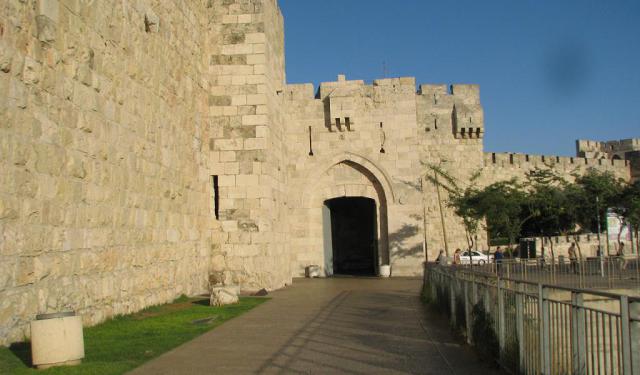
Jerusalem City Gates Walking Tour
Historians believe that the Old City of Jerusalem probably came into being more than 4,500 years ago. The defensive wall around it features a number of gates built on the order of the Ottoman sultan Suleyman the Magnificent in the first half of the 16th century, each of which is an attraction in its own right. Until as recently as 1870, they were all closed from sunset to sunrise; nowadays, just... view more
Tour Duration: 2 Hour(s)
Travel Distance: 3.7 Km or 2.3 Miles
Tour Duration: 2 Hour(s)
Travel Distance: 3.7 Km or 2.3 Miles
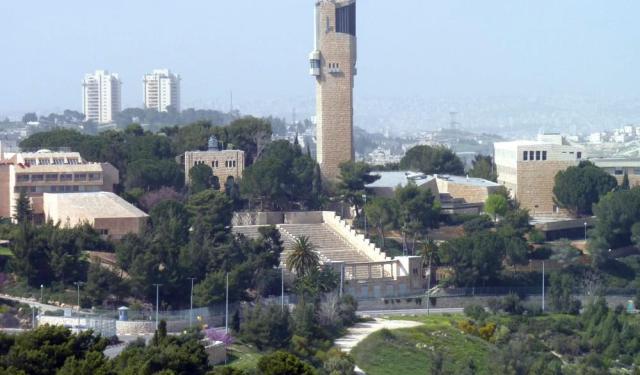
Mount Scopus Walking Tour
Dotted with many sightseeing places, Mount Scopus – translating as the “Observation Mount” from Greek – is a great place to get views over the whole Old City of Jerusalem on a nice day. The mount has been of major strategic importance since Roman times, with forces setting up camp here prior to laying the siege that culminated in the final Roman victory over Jerusalem around 70 AD.... view more
Tour Duration: 1 Hour(s)
Travel Distance: 2.3 Km or 1.4 Miles
Tour Duration: 1 Hour(s)
Travel Distance: 2.3 Km or 1.4 Miles
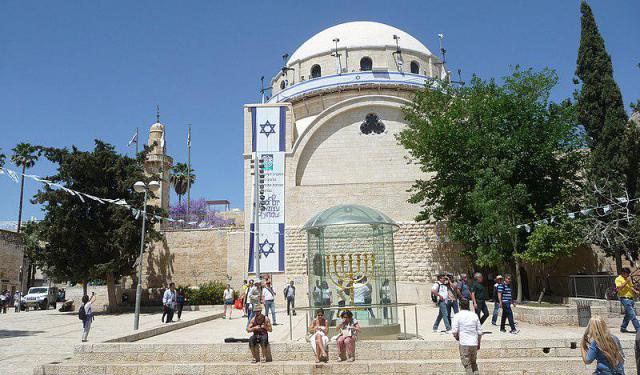
Jewish Quarter Walking Tour
Entirely rebuilt in the 1980s after having been largely destroyed during the 1948 War, the Jewish Quarter is quite distinct from the rest of the Old City. Good signposting, spacious passageways, art galleries and a somewhat less buzzing atmosphere make the area a relaxing place to spend some time.
With its rebuilt residential buildings, some almost consider this area the "New... view more
Tour Duration: 1 Hour(s)
Travel Distance: 1.3 Km or 0.8 Miles
With its rebuilt residential buildings, some almost consider this area the "New... view more
Tour Duration: 1 Hour(s)
Travel Distance: 1.3 Km or 0.8 Miles
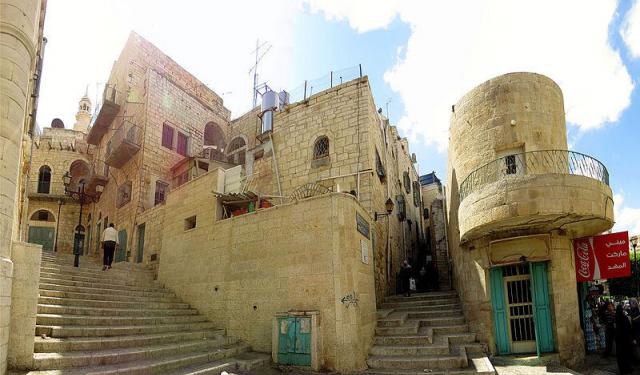
Bethlehem Walking Tour
Just a few kilometers south of Jerusalem, Bethlehem carries a name that echoes across continents. For more than two millennia, it has been known as the birthplace of Jesus Christ - complete with a guiding star, candlelit carols, and a December soundtrack that practically plays on its own. Yet when you arrive, you quickly realize this is not a frozen nativity scene. It’s a living, breathing... view more
Tour Duration: 1 Hour(s)
Travel Distance: 1.5 Km or 0.9 Miles
Tour Duration: 1 Hour(s)
Travel Distance: 1.5 Km or 0.9 Miles
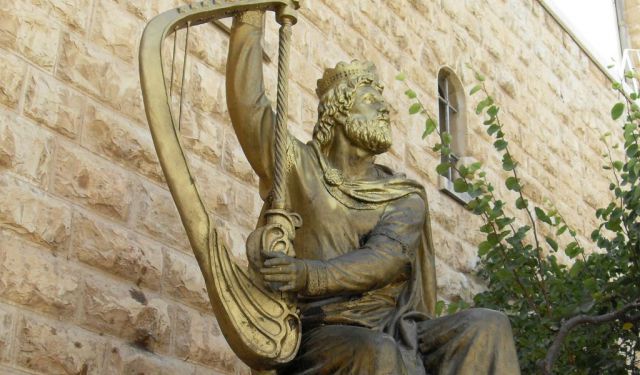
Mount Zion Walking Tour
For those interested in religion and history, Mount Zion offers several unique sights that are situated in close proximity to each other. An important place for Christians, Jews as well as Muslims, it holds important constructions dating from the 20th century as well as a compound built by the Crusaders that marks the spot of both King David’s tomb and the Room of the Last Supper. How... view more
Tour Duration: 1 Hour(s)
Travel Distance: 1.0 Km or 0.6 Miles
Tour Duration: 1 Hour(s)
Travel Distance: 1.0 Km or 0.6 Miles
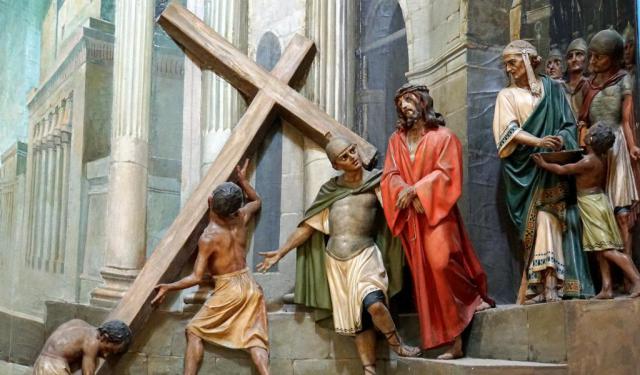
Following Steps of Jesus Walking Tour
The story of Jerusalem is inseparable from the final chapter of Jesus’s earthly life. Here, places linked to his teaching, arrest, trial, crucifixion, burial, and resurrection are woven into a dense urban landscape shaped by centuries of faith, conquest, and rebuilding. Many of these landmarks are only minutes apart from one another, yet they point to the scenes that span the Gospels-from public... view more
Tour Duration: 2 Hour(s)
Travel Distance: 3.7 Km or 2.3 Miles
Tour Duration: 2 Hour(s)
Travel Distance: 3.7 Km or 2.3 Miles
Useful Travel Guides for Planning Your Trip
16 Uniquely Israel Things to Buy in Jerusalem
Modern day Jerusalem is a mosaic of neighborhoods, reflecting different historical periods, cultures, and religions. The influx of repatriates in recent years has made the cultural and artisanal scene of the city even more colourful and diverse. To find your way through Jerusalem's intricate...