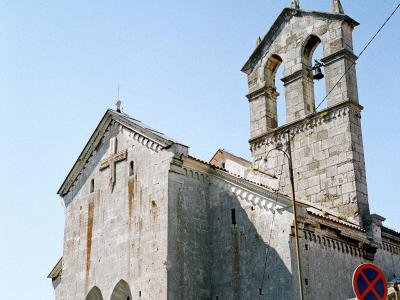


Franciscan Church and Monastery, Pula (must see)
In 1209, Pope Innocent III, a firm believer in the supremacy of the papacy, approved the newly formed Franciscan Order. The Franciscans eventually established a church and monastery on the western slope of Pula’s central hill, below the fortress and above the Forum. Several dates have been proposed for the church’s construction, ranging from 1291 to 1314. It was completed by Jacobus de Pola, a Franciscan friar and architect who is also believed to have contributed to the design of Pula’s Communal Palace.
Before entering, examine the principal façade, particularly its Greek-marble portal and rose window. Inside, walk straight along the rectangular nave toward the raised Gothic sanctuary at the far end. Its pointed arches provide the clearest Gothic contrast to the otherwise predominantly Romanesque interior. Behind the main altar stands the church’s principal artwork: the gilded wooden Pula Polyptych, created during the 15th century under Venetian artistic influence. Its central high relief shows the Virgin Mary holding Christ, surrounded by twelve saints and crowned by slender Gothic pinnacles.
On reaching the sanctuary, look into the chapel immediately to the left of the main altar. This chapel contains the remains of Blessed Otto, the Franciscan friar traditionally associated with miraculous healings in medieval Pula. His relics were removed when the complex was suppressed during the 19th century but were later returned and placed here for public veneration.
The monastery cloister adjoins the church rather than lying beyond the sanctuary. Return toward the entrance and follow the indicated access into the monastery section; because the complex remains religious property, the available doorway and accessible rooms may depend on current arrangements. The cloister surrounds a central courtyard with arcaded passages on two levels.
Medieval stone monuments forming a lapidarium are displayed around the cloister and near the church entrance, together with copies of historic Istrian wall paintings. If access to the chapter hall is permitted, look beside its Gothic doorway for the carved coats of arms of the Castropola family, Pula’s powerful medieval rulers and supporters of the Franciscans.
Before entering, examine the principal façade, particularly its Greek-marble portal and rose window. Inside, walk straight along the rectangular nave toward the raised Gothic sanctuary at the far end. Its pointed arches provide the clearest Gothic contrast to the otherwise predominantly Romanesque interior. Behind the main altar stands the church’s principal artwork: the gilded wooden Pula Polyptych, created during the 15th century under Venetian artistic influence. Its central high relief shows the Virgin Mary holding Christ, surrounded by twelve saints and crowned by slender Gothic pinnacles.
On reaching the sanctuary, look into the chapel immediately to the left of the main altar. This chapel contains the remains of Blessed Otto, the Franciscan friar traditionally associated with miraculous healings in medieval Pula. His relics were removed when the complex was suppressed during the 19th century but were later returned and placed here for public veneration.
The monastery cloister adjoins the church rather than lying beyond the sanctuary. Return toward the entrance and follow the indicated access into the monastery section; because the complex remains religious property, the available doorway and accessible rooms may depend on current arrangements. The cloister surrounds a central courtyard with arcaded passages on two levels.
Medieval stone monuments forming a lapidarium are displayed around the cloister and near the church entrance, together with copies of historic Istrian wall paintings. If access to the chapter hall is permitted, look beside its Gothic doorway for the carved coats of arms of the Castropola family, Pula’s powerful medieval rulers and supporters of the Franciscans.
Want to visit this sight? Check out these Self-Guided Walking Tours in Pula. Alternatively, you can download the mobile app "GPSmyCity: Walks in 1K+ Cities" from Apple App Store or Google Play Store. The app turns your mobile device to a personal tour guide and it works offline, so no data plan is needed when traveling abroad.
Download The GPSmyCity App



Franciscan Church and Monastery on Map
Sight Name: Franciscan Church and Monastery
Sight Location: Pula, Croatia (See walking tours in Pula)
Sight Type: Religious
Guide(s) Containing This Sight:
Sight Location: Pula, Croatia (See walking tours in Pula)
Sight Type: Religious
Guide(s) Containing This Sight:
Nearby Sights
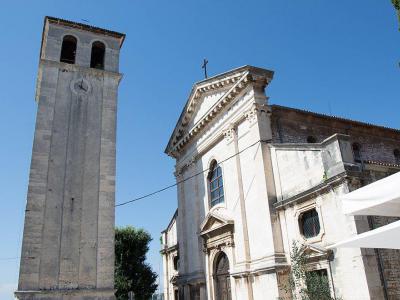
Walking Tours in Pula, Croatia

Create Your Own Walk in Pula
Creating your own self-guided walk in Pula is easy and fun. Choose the city attractions that you want to see and a walk route map will be created just for you. You can even set your hotel as the start point of the walk.
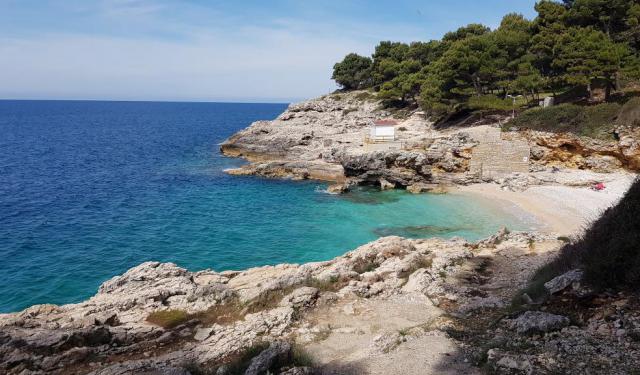
Pula's Seaside Walking Tour
If you crave for holidays by the sea, the Croatian coast is a good choice for family vacation, especially so if it includes the town of Pula. This charming port city is rich in tourist attractions, the most famous of which, undoubtedly, are the local beaches and bays.
Indeed, the dreamlike beaches of Pula are widely regarded among the most picturesque in Istria. Incredibly spectacular, these... view more
Tour Duration: 2 Hour(s)
Travel Distance: 4.7 Km or 2.9 Miles
Indeed, the dreamlike beaches of Pula are widely regarded among the most picturesque in Istria. Incredibly spectacular, these... view more
Tour Duration: 2 Hour(s)
Travel Distance: 4.7 Km or 2.9 Miles
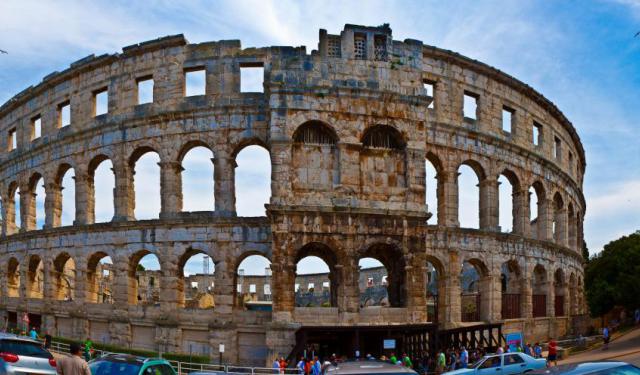
Walk Through Pula's Beautiful Old Town
According to Greek mythology, Pula was founded by a group of people from the ancient land of Colchis, on the eastern shore of the Black Sea. Their story is connected to Jason and the Golden Fleece. After Jason stole the Fleece and fled with Medea, a powerful sorceress from Colchis, her people pursued the couple across the seas. When they lost their trail and could not find their way home, they... view more
Tour Duration: 2 Hour(s)
Travel Distance: 2.7 Km or 1.7 Miles
Tour Duration: 2 Hour(s)
Travel Distance: 2.7 Km or 1.7 Miles